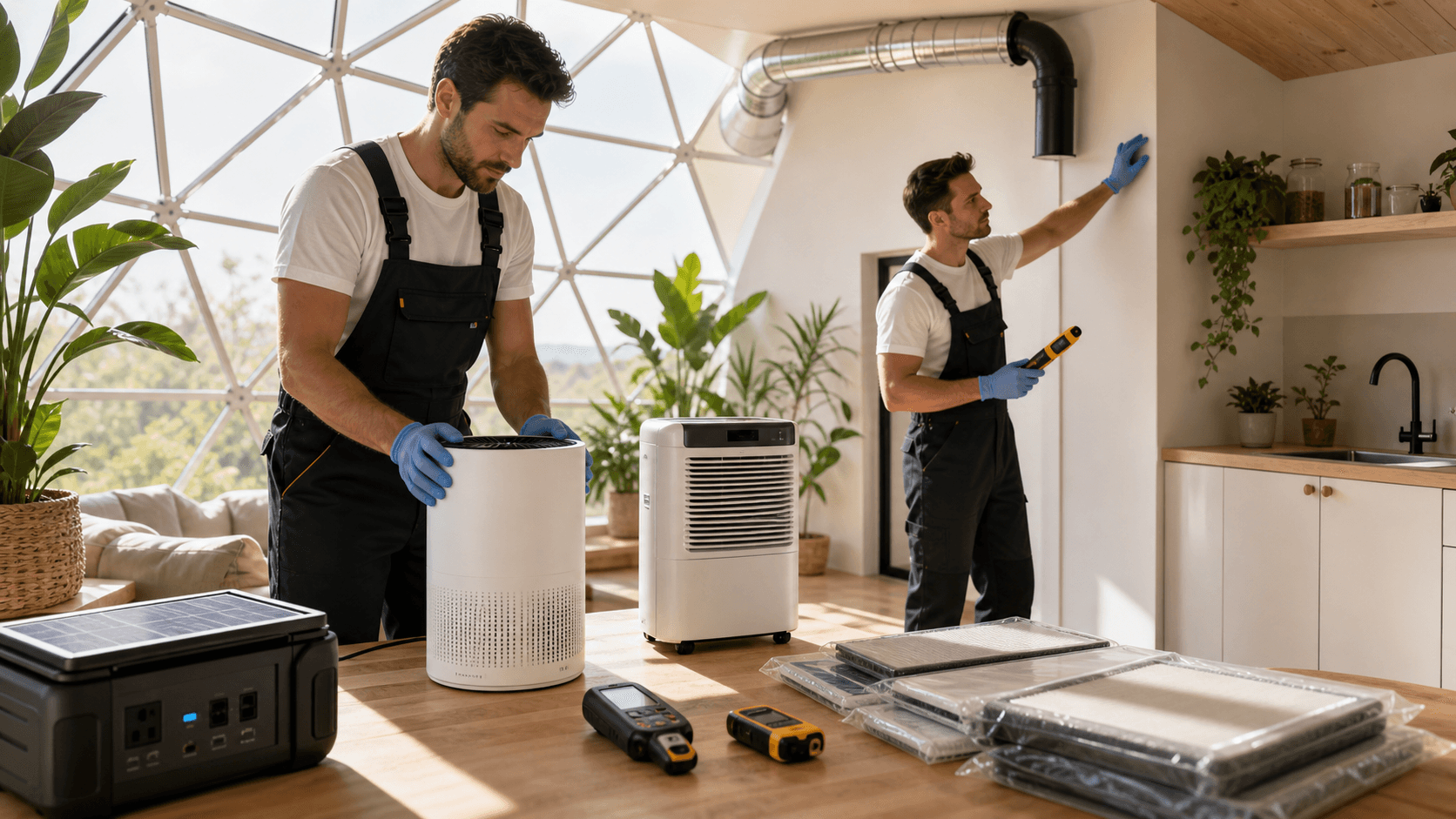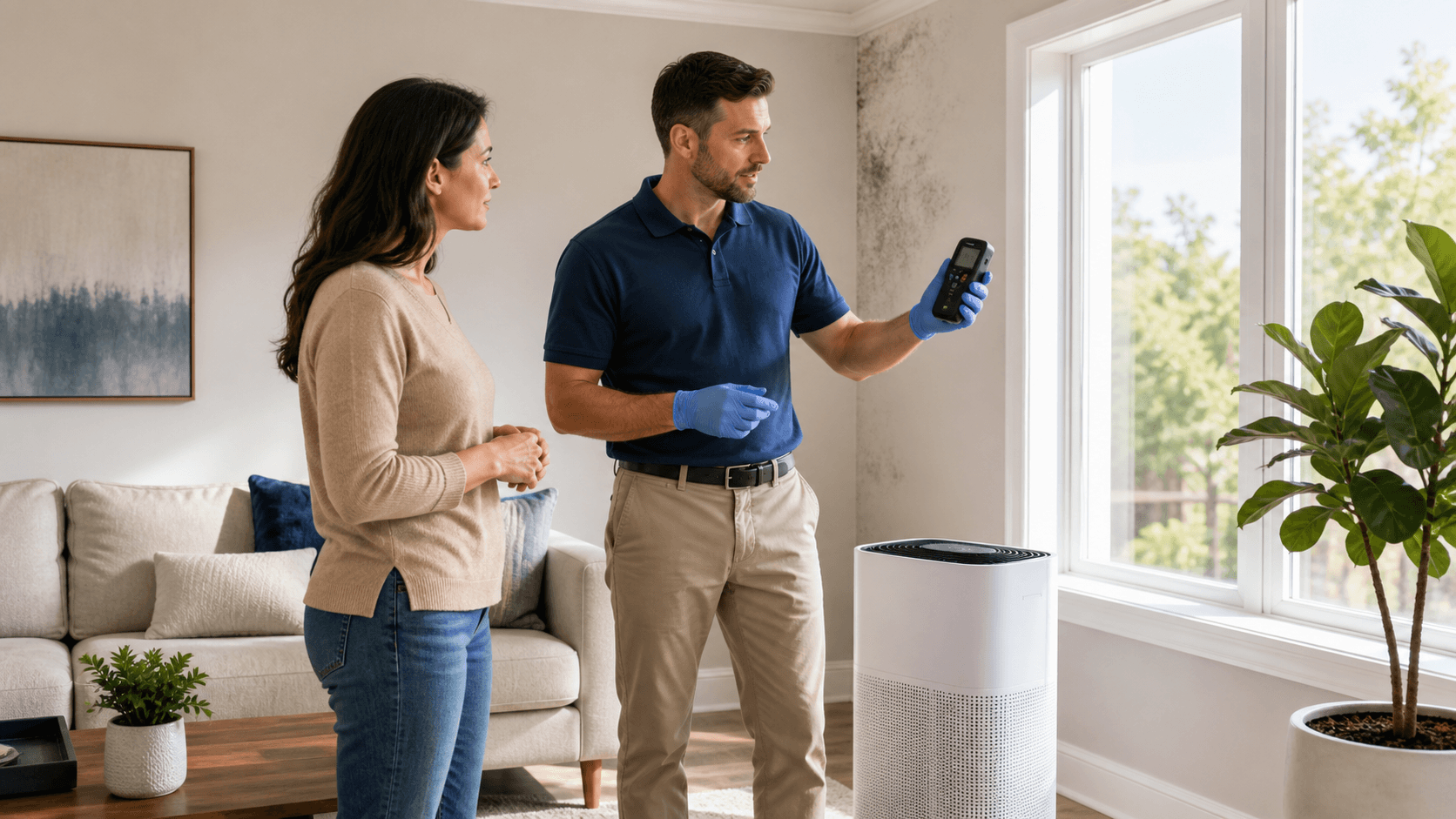
Late summer can feel strange. Allergy meds stop working, you wake up stuffy and tired, and simple tasks take way more effort than they should. When headaches, brain fog, and chest tightness keep hanging around, it is easy to blame pollen or the latest bug going around. But for many people, the real problem is growing quietly inside the home: mold.
At Green Vista Living, we focus on healthier, more independent homes, so we hear about this a lot. In this article, we will walk through common signs mold is driving your symptoms, what science actually says about mold and indoor air, when an air purifier truly helps, and how to choose the best air purifier for mold as part of a bigger healthy-home plan.
When Mysterious Symptoms Point to Hidden Mold
Late summer and early fall can bring a strange mix of symptoms, like:
- Stuffy or runny nose that never fully clears
- Headaches or pressure behind the eyes
- Asthma or breathing trouble that gets worse indoors
- Brain fog, trouble focusing, or feeling "off"
- Tiredness that sleep does not fix
These often get labeled as "just allergies" or a long, slow cold. But if they drag on for weeks and feel worse inside your home, mold may be part of the story.
During hot, humid weather, we keep windows closed and the A/C running. Moist air, cooler surfaces, and less fresh air coming in can create perfect conditions for mold to grow in quiet spots, like basements, bathrooms, or inside HVAC parts. The mold is not always visible, but tiny spores can move through the air and into our lungs and sinuses.
When we understand how to read both our body and our home, we can start to tell if mold might be to blame and decide where an air purifier fits into the plan.
Clear Signs Mold May Be Fueling Your Symptoms
Your body often gives early hints. Some common health clues that point toward mold exposure include:
- Symptoms that ease when you are away from home or work, then come back when you return
- Recurring sinus infections or constant postnasal drip
- A cough that sticks around, even when you are not sick
- Asthma or allergy flares that are clearly worse indoors
- Itchy skin, rashes, or red eyes with no clear cause
- Deep fatigue or brain fog that feels out of proportion to your day
Your space may share clues too. Environmental red flags inside the home can include:
- Musty, earthy, or "damp basement" smells
- Spots, streaks, or fuzzy patches on walls, ceilings, or window frames
- Persistent condensation on windows or cold surfaces
- Any recent water leaks, roof problems, or flooding from heavy storms
- High humidity, especially in basements, bathrooms, or laundry areas
- Visible mold or mildew around AC vents, drip pans, or inside the HVAC closet
Late summer and early fall are common problem times because humidity often lingers even as nights cool down. We close windows more, kids bring more spores home on shoes and clothes, and AC systems can keep recirculating air that is already carrying mold fragments.
What Science Says About Mold, Health, and Indoor Air
Mold is a type of fungus that grows where moisture and organic material meet, like drywall, dust, cardboard, and wood. When it grows, it releases tiny spores into the air. These spores are light and can stay airborne, so we breathe them in without seeing them.
Some people are more sensitive to mold than others, such as those with:
- Asthma or other breathing conditions
- Seasonal allergies or a history of strong reactions to dust or pollen
- Compromised immune systems
- Mold-related or chronic inflammatory illnesses
Evidence links indoor mold exposure to allergy-type reactions, coughing, sneezing, and irritated eyes and throat. For some people, especially those with asthma, mold can trigger attacks or make daily control harder. Long-term exposure in damp, moldy buildings may keep the immune system on edge and lead to ongoing respiratory problems.
It is also important to understand the limits of testing. Mold tests in homes can show what types of spores are present, but they do not always tell you how your body will react. Medical tests can show allergies or some immune responses, but they cannot replace a careful look at your symptoms and at the building itself. A full picture usually needs both a detailed home assessment and thoughtful medical support.
When an Air Purifier Truly Helps with Mold
Air purifiers can be powerful tools, but they are not magic wands. They can:
- Capture airborne mold spores and fragments
- Help clear other particles, like dust and pet dander
- Reduce the overall load on your nose, lungs, and immune system
However, air purifiers cannot remove mold that is growing on walls, carpets, or hidden inside wet materials. They also cannot fix the underlying moisture problem. That part usually calls for professional help to find leaks, dry out damp areas, and safely remove damaged materials.
Using the best air purifier for mold makes the most sense when:
- You are scheduling mold inspection or remediation and want relief in the meantime
- You are waiting on repairs after a roof leak, plumbing issue, or storm damage
- You live in a rental and cannot tear out walls or fully renovate
- Someone in the home is especially sensitive and needs extra support
In these situations, a good purifier can lower the level of spores in the air, which can help ease symptoms, improve sleep, and support calmer breathing during mold-heavy seasons. Bedrooms and main living areas are often top priorities, since that is where we spend the most time.
How to Choose the Best Air Purifier for Mold
Not all air purifiers are built with mold in mind. When you are choosing one, focus on:
- True HEPA or better filtration, to capture tiny mold spores
- Enough Clean Air Delivery Rate (CADR) for the actual room size
- Strong, steady airflow and a sealed design that does not leak dirty air back out
Helpful extra features can include:
- Activated carbon filters to help with musty odors or gases from water damage
- Quiet operation, so it can run at night without keeping anyone awake
- Energy-efficient modes for people who are off-grid or careful about power use
- Filter change indicators, so you are not guessing when filters are full
- Simple controls or timers that make it easier to keep the unit running when needed
At Green Vista Living, we focus on air purifiers that fit these needs and work well for energy-conscious homes. Many of our customers live with limited power or prefer more sustainable options, so we pay close attention to performance, durability, and how an air purifier fits alongside other tools like solar power and filtration systems.
Build a Healthier, Mold-Resilient Home Starting Now
You do not have to fix everything in one day. Start with simple, clear steps:
- Inspect your home for leaks, damp spots, and visible mold
- Use proper dehumidification and ventilation to keep humidity in a healthy range
- Bring in professional help to address any obvious or widespread mold growth
- Add an air purifier as a targeted tool to clean the air you breathe
As late summer shifts into cooler weather, it helps to:
- Pay extra attention to basement and crawlspace humidity after the storms
- Clean or service HVAC systems and change air filters regularly
- Prioritize air purification in bedrooms, since that is where we spend long, still hours breathing indoor air
At Green Vista Living, we care about making homes healthier, more comfortable, and more resilient, whether you are fully off-grid or simply trying to build a safer space for your family. Thoughtful air purification, alongside good moisture control and quality filtration, can be a big step toward cleaner indoor air and a calmer body.
Breathe Cleaner Air At Home Starting Today
If you are ready to tackle mold spores and protect your indoor air quality, we are here to help you choose the best air purifier for mold for your space. At Green Vista Living, we focus on solutions that are effective, energy efficient, and easy to maintain. If you have questions about sizing, placement, or specific concerns in your home, contact us so we can guide you to the right choice.