Bulk-Buying Math: When Freeze Dryers Earn Their Space
Fall is one of the best times to think seriously about bulk food storage. September brings garden overflow, farmers' market cases, warehouse sales, apple season, and early holiday meal planning. When good food is plentiful, buying more can make sense, but only if you have a realistic way to keep it from becoming waste.
That leads to the big question we hear often: can a Harvest Right freeze dryer save enough on food, prevent enough waste, and add enough pantry security to earn its cost and space? The answer depends on your household. Your shopping habits, favorite foods, local sale prices, storage room, and willingness to use preserved meals all matter. We recommend doing the math before making room for another large appliance.
Start with the Foods Your Household Already Uses
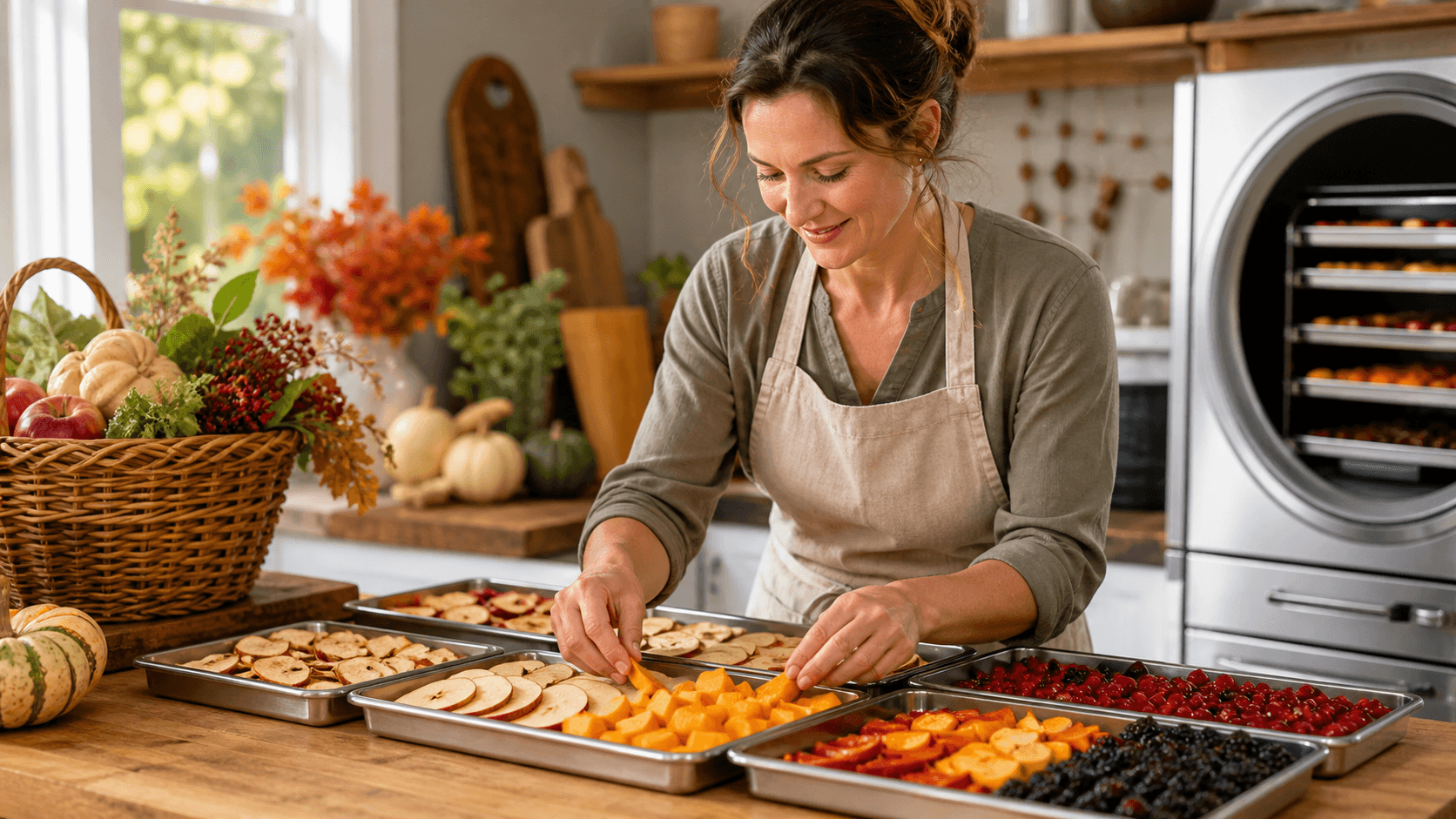
The best foods to freeze-dry are usually not the most unusual ones. They are the foods your family already reaches for each week. If everyone enjoys strawberries in oatmeal, apples for snacks, vegetable soup, scrambled eggs, or chicken-and-rice meals, those items have a better chance of being used later.
Start a simple list of foods that regularly appear in your kitchen. Include fresh ingredients, cooked meals, and foods that often get forgotten in the refrigerator. Good possibilities may include:
- Berries, apples, bananas, and other seasonal fruit
- Garden vegetables, herbs, and root vegetables
- Meat purchased during a sale or stored after hunting or fishing
- Leftover soups, casseroles, eggs, and prepared meals
Next, compare what those foods cost at different times of year. A case of produce at a farmers' market, a garden harvest that arrives all at once, or a store sale on meat may offer a much better value than buying small amounts later. We also encourage you to count food that normally goes bad before you can use it. Preserving ripe fruit, extra vegetables, and leftovers before they spoil can be just as meaningful as finding a good sale.
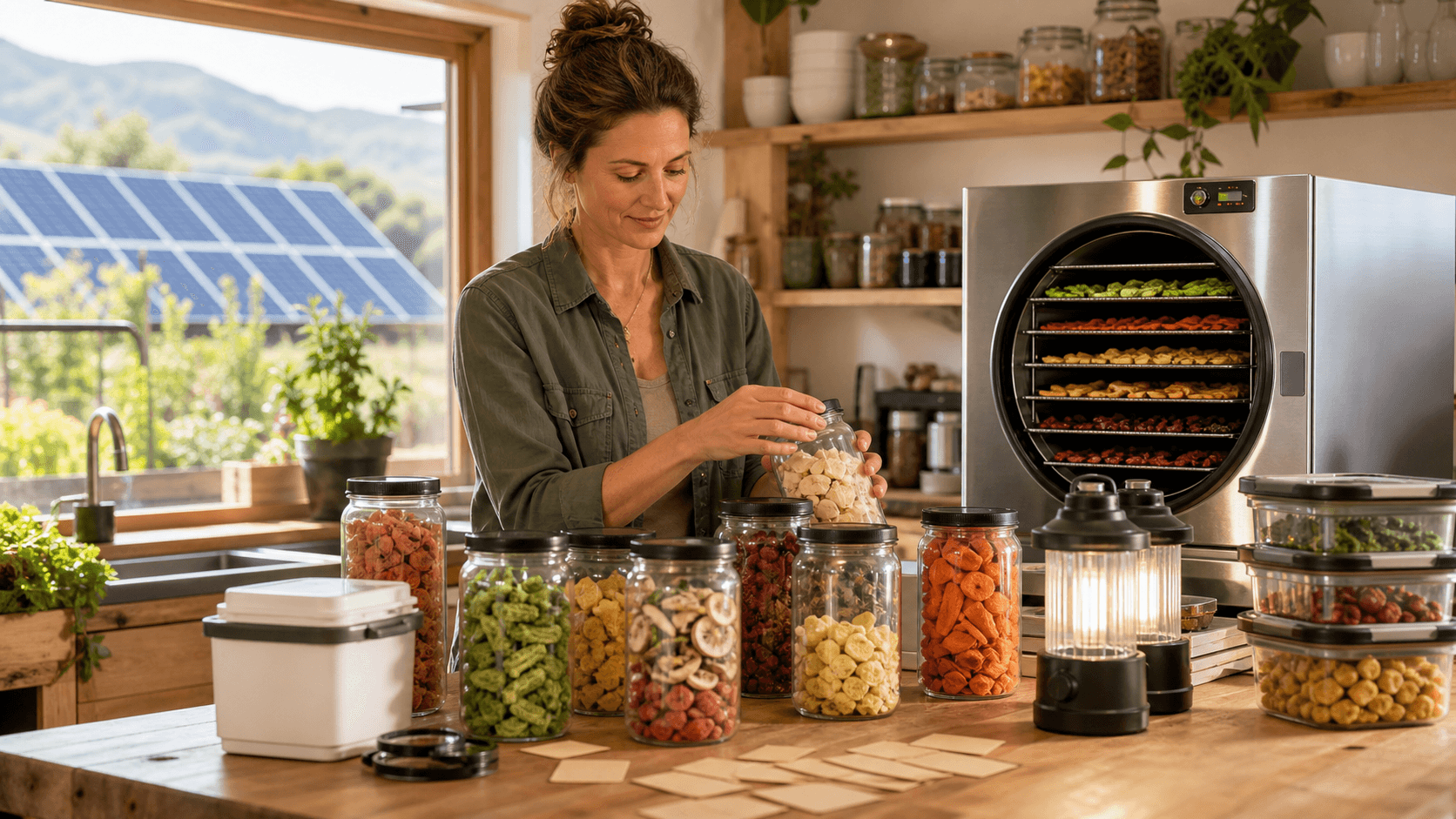
Your storage goal matters, too. A household building a winter pantry, preparing for storm-related disruptions, or stocking a remote cabin may place more value on lightweight, shelf-stable food than a household that only wants a few extra snacks. Freeze dryers make the most sense when they support a real routine, not a pantry project that gets forgotten.
Calculate the True Cost of Owning Freeze Dryers
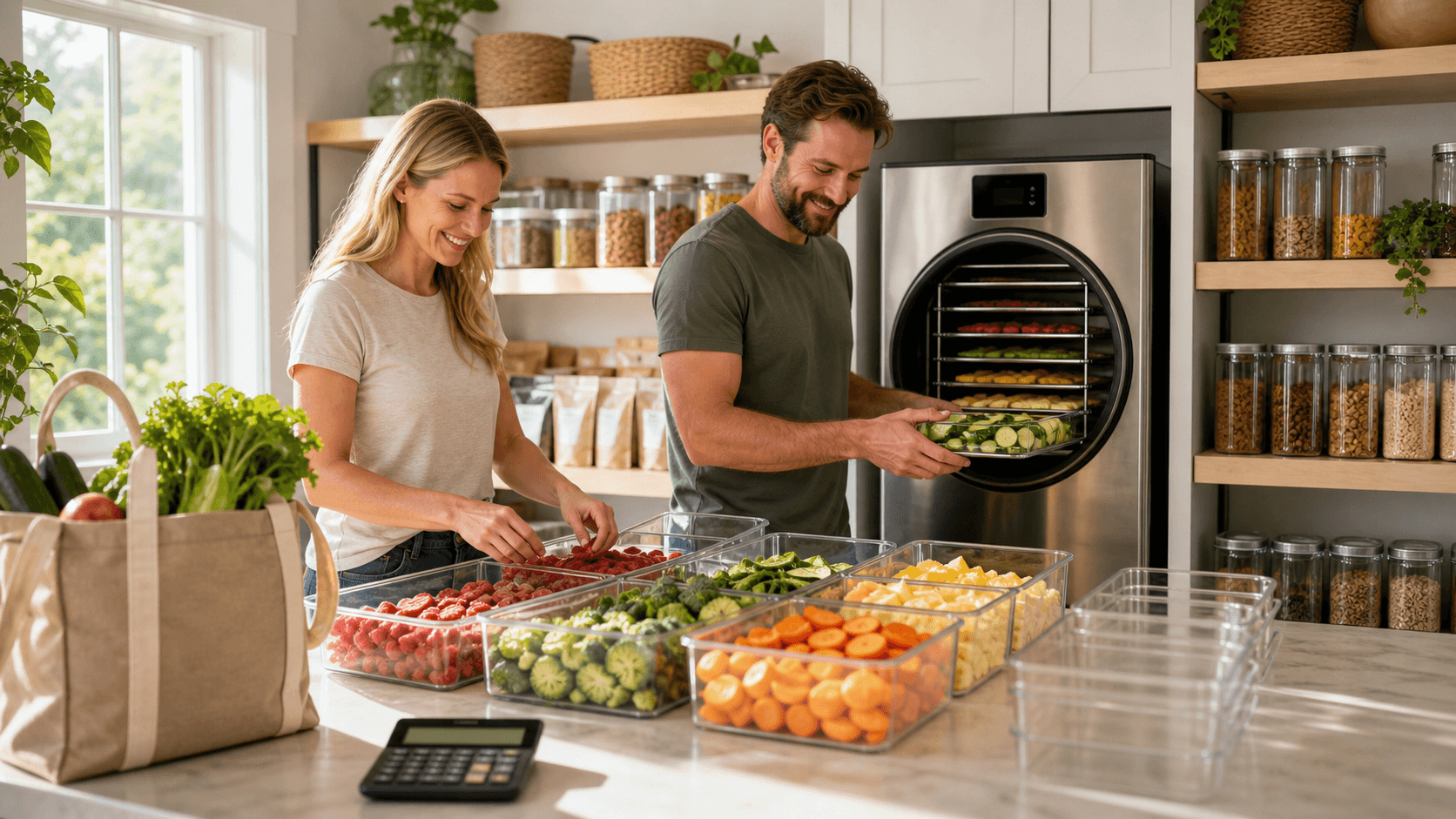
A freeze dryer is more than the machine itself. Before deciding whether one fits your household, we suggest writing down the full ownership picture. That includes the purchase price, applicable tax, shipping if it applies, power use, packaging, oxygen absorbers, storage containers, cleaning supplies, and future maintenance needs.
Machine cost can feel less intimidating when you spread it across the years you expect to use it. For example, take the full purchase cost and divide it by the number of years you plan to own the unit. That gives you an annual machine cost to add to your food-preservation budget.
For each batch, track the parts that actually affect your pantry:
- Cost of the raw food
- Electricity used during the cycle
- Bags, jars, lids, and oxygen absorbers
- Any ingredients added to prepared meals
- Number of finished servings you can store and use
A simple batch formula is: raw food cost + electricity + packaging = total batch cost. Then divide that total by the usable servings. This gives you a clearer comparison than focusing only on the machine's purchase price.
We recommend keeping notes for the first several batches. The information does not need to be fancy. A notebook or spreadsheet can show which foods give you the best value and which ones take more time, packaging, or effort than expected.
Measure Savings Beyond the Grocery Receipt
Food waste is often where freeze dryers can make their strongest case. Extra zucchini from the garden, fruit that ripens too quickly, a pot of soup with only a few servings left, or meat bought for the freezer can all become shelf-stable food instead of a disappointing cleanup job.
There is also the question of what you would buy instead. Freeze-dried fruit can replace some snack purchases. Custom meal portions can reduce the need for expensive camping meals, emergency food kits, or rushed takeout on busy nights. A pantry built around foods your family already likes can be more useful than a stack of unfamiliar meals that no one wants to eat.
Still, we encourage honest math. Savings only count when the food gets eaten. If bags are not sealed properly, pantry items are not rotated, or meals do not match your cooking habits, the return shrinks quickly. Freeze-drying should fit into everyday life, not become a collection of food you are saving forever.
Build a Fall Pantry Plan Around Harvest Right
September is a natural time to plan your first season of preservation. Late-summer produce is still available, apples are coming into season, and root vegetables are easy to find. Holiday cooking also creates opportunities to preserve ingredients and leftovers before they linger too long in the refrigerator.
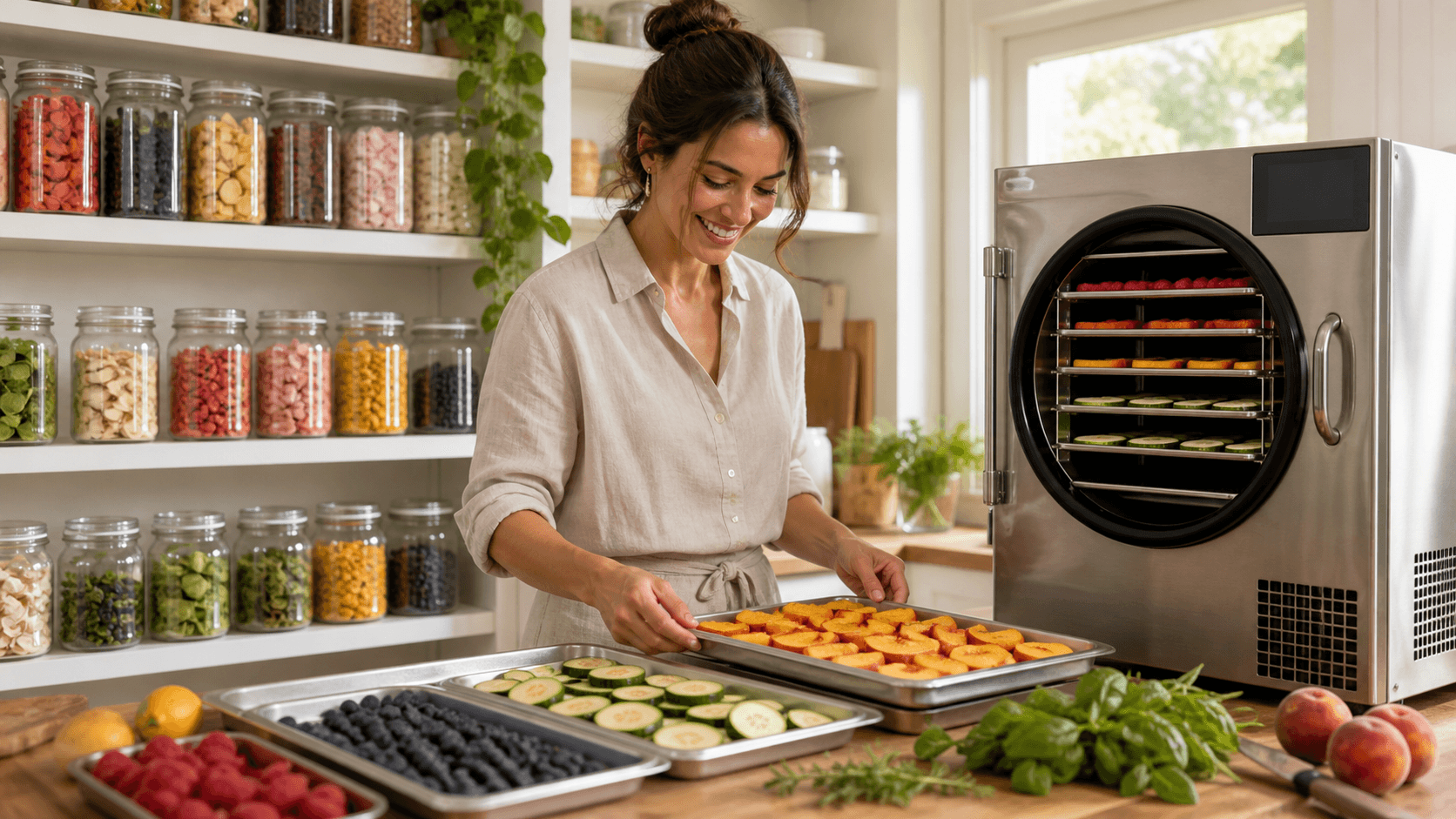
Harvest Right freeze dryers can help you build a pantry around the way your household actually eats. Rather than relying only on prepackaged options, you can preserve family favorites in portions that work for your household. That can be especially helpful when you prefer certain ingredients, need simple meal choices, or want food stored for different situations.
Before bringing a machine home, make a batch schedule. Think through what you would preserve first, how often you would realistically run the unit, and where finished food would live. A workable plan might include:
- Produce during harvest and sale seasons
- Prepared meals after larger cooking days
- Ingredients for winter soups, snacks, and baking
- Extra food for outages, travel, or remote-property stays
Just as important, plan how you will rotate stored food into regular meals. Using older batches first keeps your pantry familiar and helps you see what you should preserve again next season.
Use Your Numbers to Choose the Right Time to Buy
Freeze dryers earn their space when they consistently turn bulk purchases, seasonal abundance, and food that might otherwise be wasted into meals your household will truly use. The goal is not to freeze-dry everything. It is to preserve the foods that fit your pantry, budget, and routine.
Before choosing a model, build an annual estimate based on your own grocery prices, expected batch frequency, packaging needs, likely food-waste reduction, and storage goals. When the numbers match a clear plan for using what you preserve, you will have a much better sense of whether a Harvest Right freeze dryer belongs in your long-term self-reliance plan.
Preserve More With Confidence
At Green Vista Living, we help you choose equipment that supports practical, dependable food preservation at home. Compare our freeze dryers to find a Harvest Right model suited to your household's storage and batch needs. If you would like help weighing the options, contact us for guidance from our team.