Keep Your Backup Power Ready When You Need It Most
A home backup battery is like a quiet safety net for your house. When storms roll through, trees fall, or the grid just quits, that battery is what keeps the lights on, food cold, and phones charged. If it fails, everything stops at the worst possible time.
A home backup battery is simply a big rechargeable battery that stores energy for later. It may charge from the grid, from solar panels, or both. When the power goes out, it steps in to run the things that matter most, like your fridge, modem, and some lights. How long it lasts, and how well it works, depends a lot on the way you treat it every day.
At Green Vista Living, we care about homes that are ready for outages, storms, and life off the grid, not just on nice days but when things get rough. Our goal is to help you build a home that feels calm and safe when the grid is not. So let us walk through the most common mistakes that quietly shorten home backup battery life, cost money, and lower your peace of mind, and what you can do differently before the next big storm or wildfire season hits.
Installing Your Battery Wrong From Day One
Many backup systems start out with problems on the very first day they are installed. Those early choices can shorten battery life for years.
One big mistake is skipping a real load assessment and just guessing what you need. When that happens, two things are common:
- Undersized systems are pushed hard, running at high loads again and again
- Oversized systems barely cycle, staying full most of the time
Both are bad for battery health. If your system is too small, it may be pushed near its limits anytime the power goes out. If it is too large for your needs, it might never reach the kind of steady cycling that keeps many batteries happy and balanced.
Placement is another big one. Backup batteries stuffed in hot garages, tight closets, or unventilated sheds in warm areas heat up fast, especially heading into late spring and summer. High heat speeds up wear and makes your system work harder. A better spot is:
- Cool and dry
- Shaded from direct sun
- Protected from rain and snow
- Open enough for airflow around the battery and inverter
Plan for access too. If you or a pro need to inspect cables or reset a breaker, it should not require crawling behind boxes.
Ignoring professional guidance and electrical code is another serious risk. DIY wiring, guessing wire sizes, or skipping manufacturer instructions does not just hurt performance, it can be unsafe and may void warranties. A qualified installer, or at least careful design help from trusted sources, can keep your system set up the right way from the start.
Everyday Usage Habits That Quietly Kill Capacity
Even a perfect installation can lose years of life if daily habits are rough on the battery.
One problem is letting the system sit unused for long stretches. Many people install a home backup battery, see it work once, then forget it. If months pass with no test runs, you may never notice weak cells, a failing inverter, or some setting that is off. A better habit is to run short test cycles at least once a season, especially before storm or wildfire seasons begin.
Frequent deep discharges are another silent killer. Running the battery down below the recommended depth of discharge again and again shortens its lifespan. Some high-draw appliances can drain and stress the system very fast, such as:
- Space heaters
- Electric dryers
- Large central AC units
- Old, inefficient refrigerators or freezers
Many backup systems are not sized for those loads. During outages, it pays to focus on what you truly need, and leave the heavy draws off the backup circuit.
Charging habits matter too. Fast-charging all the time, using mismatched chargers or inverters, or ignoring charge limits can heat the battery and speed up wear. Lithium and lead-acid batteries have different needs, and their charge profiles should match what the manufacturer recommends. Taking a little time to confirm that the settings match your battery chemistry can add years of useful life.
Ignoring Temperature, Moisture, and Seasonal Shifts
Your battery cares about its environment almost as much as your plants or your pets do.
Extreme temperatures on either side cause trouble. A battery in a hot attic from late spring through summer, or in a freezing outbuilding in deep winter, will age faster and may not perform as well during an outage. Most lithium batteries prefer a moderate temperature range, usually somewhere around normal room temperature, not baking or icy. Keeping your system in a space that stays closer to that comfort zone really helps.
Moisture and dust also shorten lifespan. Damp basements, sheds that drip with condensation, and dusty corners increase the risk of:
- Corrosion on terminals and bus bars
- Loose or damaged connections
- Lower overall efficiency
Simple protections can make a difference, such as raised platforms to keep batteries off damp floors, enclosures that shield from spray or dust, and basic dehumidifiers where the air tends to stay wet. Some people pair off-grid power systems with outdoor shelters or domes that are designed with airflow and weather protection in mind.
Seasonal use patterns matter too. Summer brings stronger sun for solar, but it also often means more outages and heavier cooling loads. That is a different kind of strain than a mild spring evening. You can help your battery by planning:
- Prioritize essentials like fridge, modem, lights, and key medical devices
- Stagger high-draw appliances instead of running them together
- Optimize solar charging so batteries start each night as full as reasonable
Small planning choices reduce stress and lengthen the time your system can carry you.
Skipping Maintenance, Monitoring, and Software Updates
Home backup batteries are not fully set-and-forget systems. They need a little attention so they can treat you well when the power goes out.
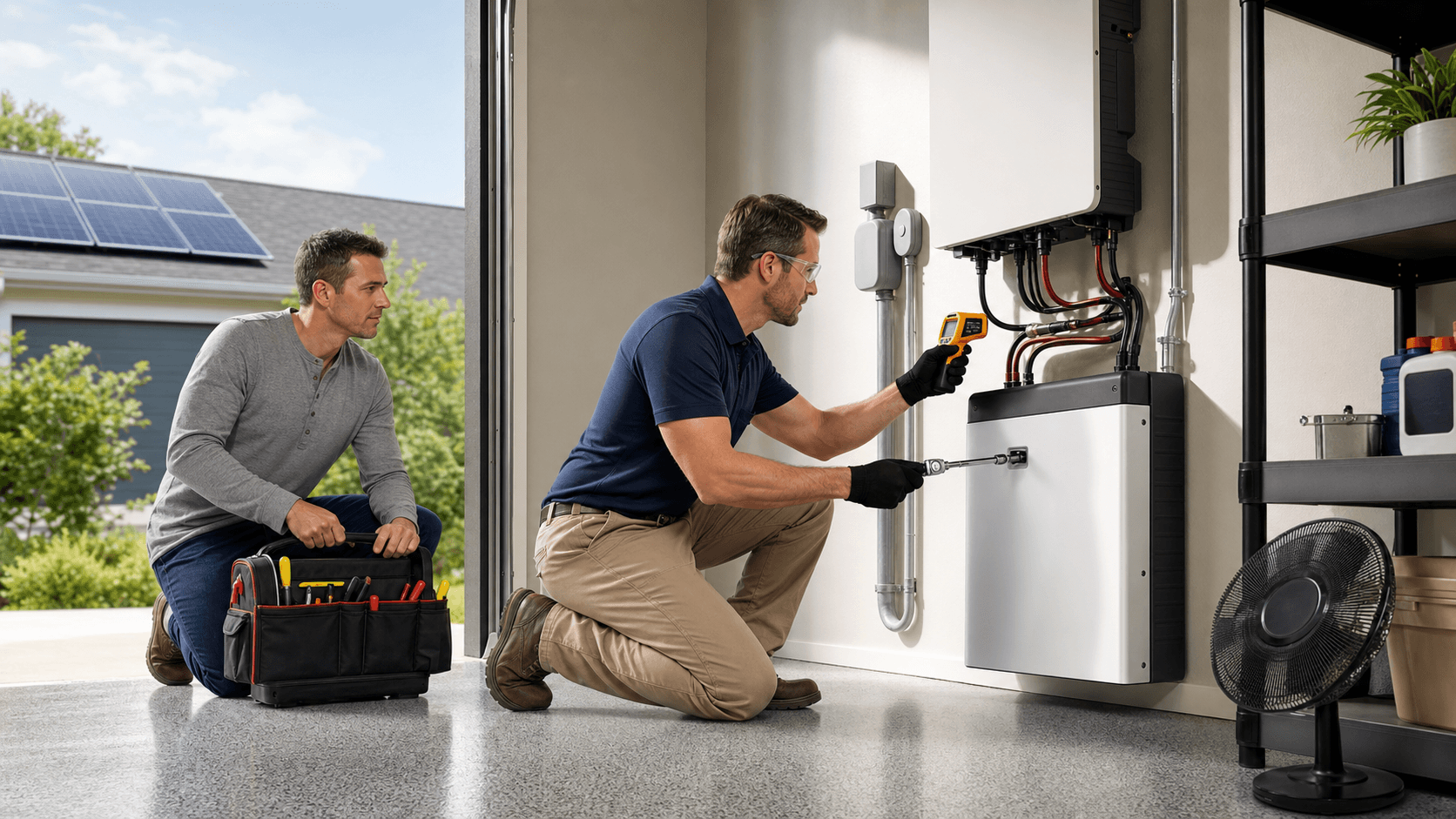
A basic visual and electrical check goes a long way. From time to time, you or a pro should:
- Look at cables and terminals for looseness, corrosion, or discoloration
- Check for swelling, cracks, or odd smells around the battery and inverter
- Confirm breakers and fuses are in good shape
- Listen for new or strange noises from the inverter or fans
Catching a loose lug or a slightly warm cable before a big outage can prevent damage and keep things safe.
Many modern systems include monitoring tools, such as a battery management system app or inverter portal. Ignoring those tools is like driving with all the warning lights covered. If you never open the app, you miss early warnings about:
- High internal temperatures
- Cells that are out of balance
- Unusual charging or discharging patterns
Looking at your data once a month, and after any long outage, can show patterns that are easy to fix before they turn into failures.
Software and firmware updates matter as well. Many backup systems rely on updates to improve safety limits, charging curves, and how the battery talks to the inverter or solar system. Skipping updates can leave the system running older settings that stress the battery more than needed or miss helpful safety improvements.
Powering Your Future with Smarter Battery Habits
When home backup batteries fail early, it usually comes down to the same few problems: poor installation choices, harsh daily use, rough environments, and little or no monitoring. The good news is that these are all things you can improve with simple, steady habits.
A quick checklist can help you extend your home backup battery life: confirm your battery lives in a cool, dry, well-ventilated space, set charge limits and profiles to match your battery type, run test cycles before storm and wildfire seasons, open your monitoring app regularly, and plan a yearly inspection with a qualified pro. Align your backup capacity with what you truly need during an outage, and protect that capacity by keeping heavy loads off the system when the grid is down.
At Green Vista Living, we care about homes that stay comfortable and resilient when the grid does not. Thoughtful choices today, along with good habits over time, can keep your home backup battery ready for the next storm, heatwave, or downed power line, so your home stays a calm, bright spot when everything around it goes dark.
Protect Your Comfort With Reliable Backup Power
If you are ready to keep your lights on and essentials running during the next outage, explore our home backup battery solutions designed for everyday families. At Green Vista Living, we help you choose a system that fits your home, budget, and energy goals so you can feel confident no matter what the grid is doing. If you have questions about sizing, installation, or compatibility, reach out through contact us and we will guide you through the next steps.