See the Real Cost Behind Your Backup Plan
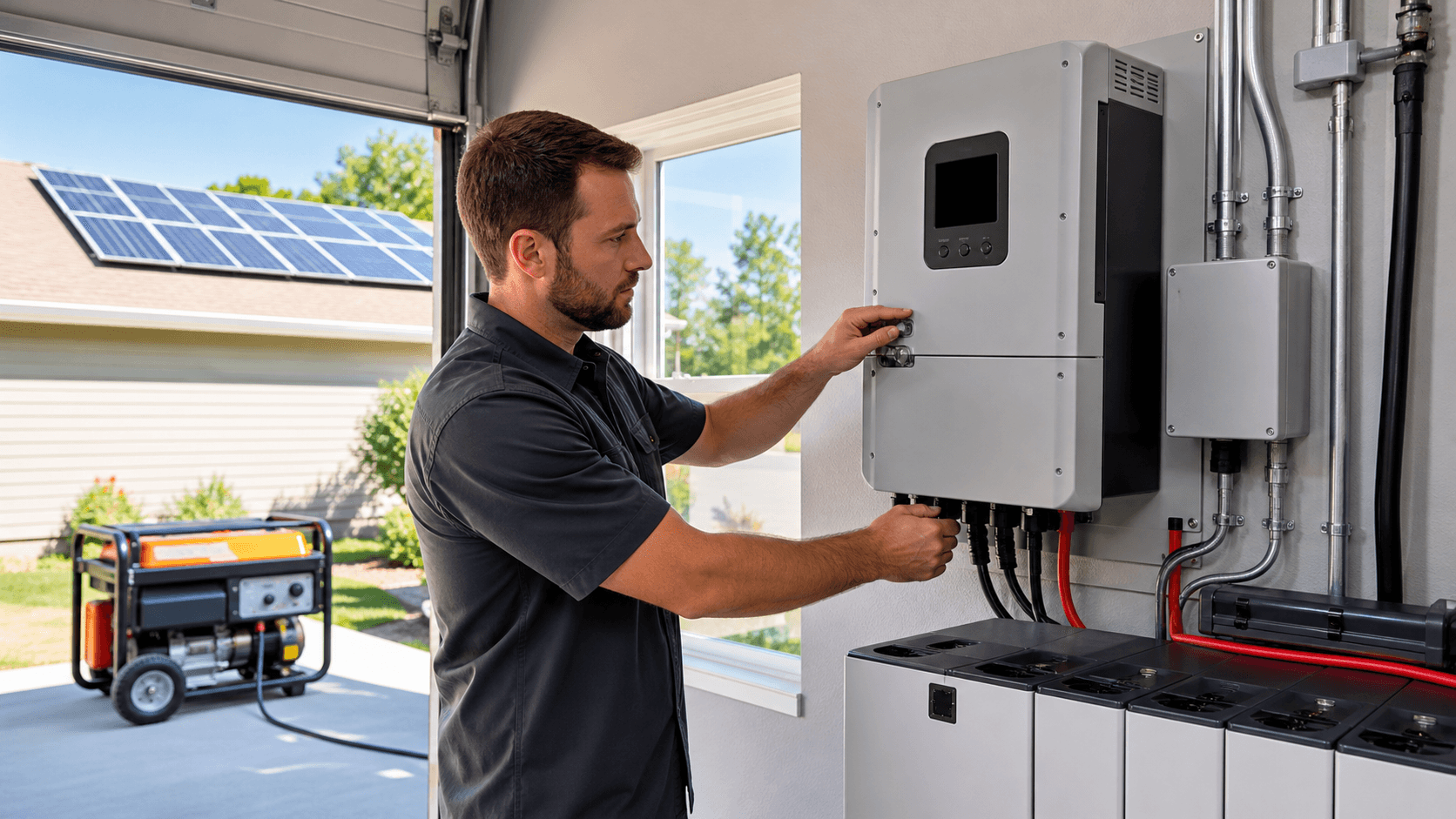
The Sol-Ark 15K inverter price is only one part of planning dependable backup power. We encourage you to view the inverter as the control center of a complete energy setup, not as a standalone item that can solve every outage concern by itself. Batteries, solar equipment, electrical connections, labor, permits, and delivery can all shape the scope of a finished system.
November is a smart time to plan ahead. Winter can bring shorter solar-production days, storm outages, and more power use at home, in a cabin, workshop, or remote building. By thinking through your needs before bad weather arrives, we can help you avoid rushed choices and focus on the circuits that matter most.
A complete quote should reflect what it takes to safely connect, configure, and start the system. That makes it easier to compare options that support your actual backup goals, whether you want to keep a few key circuits running or provide broader power coverage during an outage.
What Shapes Sol-Ark 15K Inverter Price
The right Sol-Ark 15K configuration depends on how you plan to use power at your property. Grid-connected homes, off-grid cabins, workshops, and buildings with generator backup can each have different equipment needs. Battery setup, solar input, backup priorities, and plans to expand later all affect the system design around the inverter.
Inverter-related equipment also belongs in the conversation. A safe, functional installation may include parts that do not always appear in a basic inverter listing, such as:
- Monitoring and communication components
- Disconnects, breakers, and surge protection
- Equipment for battery and solar connections
- Hardware for linking backup circuits to the electrical panel
When we review system options with you, we recommend comparing complete equipment lists rather than focusing only on the inverter line item. A lower initial quote may leave out pieces needed for safe operation, code compliance, or professional installation. Knowing what is included helps you compare like with like and reduces surprises later.
Size Batteries for Cold-Weather Resilience
Battery storage often has the biggest effect on the size of a backup plan beyond the inverter itself. The battery bank determines how long selected loads can operate when the grid is down and solar production is limited. To choose an appropriate setup, we look at the loads you want to support, how long you expect an outage to last, and how much comfort you want during that time.
Cold-weather planning calls for realistic expectations. Winter storms can reduce available sunlight, while longer nights keep lighting, refrigeration, communications equipment, and other circuits running longer between solar charging periods. Electric heating equipment, well pumps, and tools can also add demand, depending on your property and daily routine.
It helps to separate power from energy. Power is the ability to start and run equipment that draws a lot of electricity at one time. Energy is the stored battery capacity that keeps chosen circuits operating over time. Your Sol-Ark system needs enough power capability for the equipment you plan to run, while the battery bank needs enough stored energy for the outage period you have in mind.
A critical-load list gives us a useful starting point:
- Refrigeration and freezer circuits
- Well pumps and water equipment
- Internet, phones, and communication devices
- Lighting, medical devices, and selected outlets
- Workshop equipment that must remain available
Budget for Solar, Wiring, and Site Work
Solar panels help recharge batteries and support daily energy use, but they need more than open space and sunlight. A full solar portion of the project can include mounting hardware, wiring, combiner equipment, grounding, disconnects, and preparation for a roof or ground-mounted array. The layout should fit the property, the energy plan, and the conditions the equipment will face through the seasons.
Electrical work is another part of the bigger picture. Older homes, detached buildings, cabins, and remote properties may need panel changes, a critical-load subpanel, conduit runs, or generator integration. In some cases, the path between the inverter, batteries, solar array, and main electrical panel requires more planning than the equipment itself.
Distance matters. Longer runs can require more wiring, conduit, trenching, and labor. Roof access, roof structure, shading, weather exposure, and the available space for batteries and electrical gear can also shape the final design. We recommend having a qualified professional assess these conditions early, rather than assuming every property can use the same layout.
Plan for Permits, Labor, and Startup
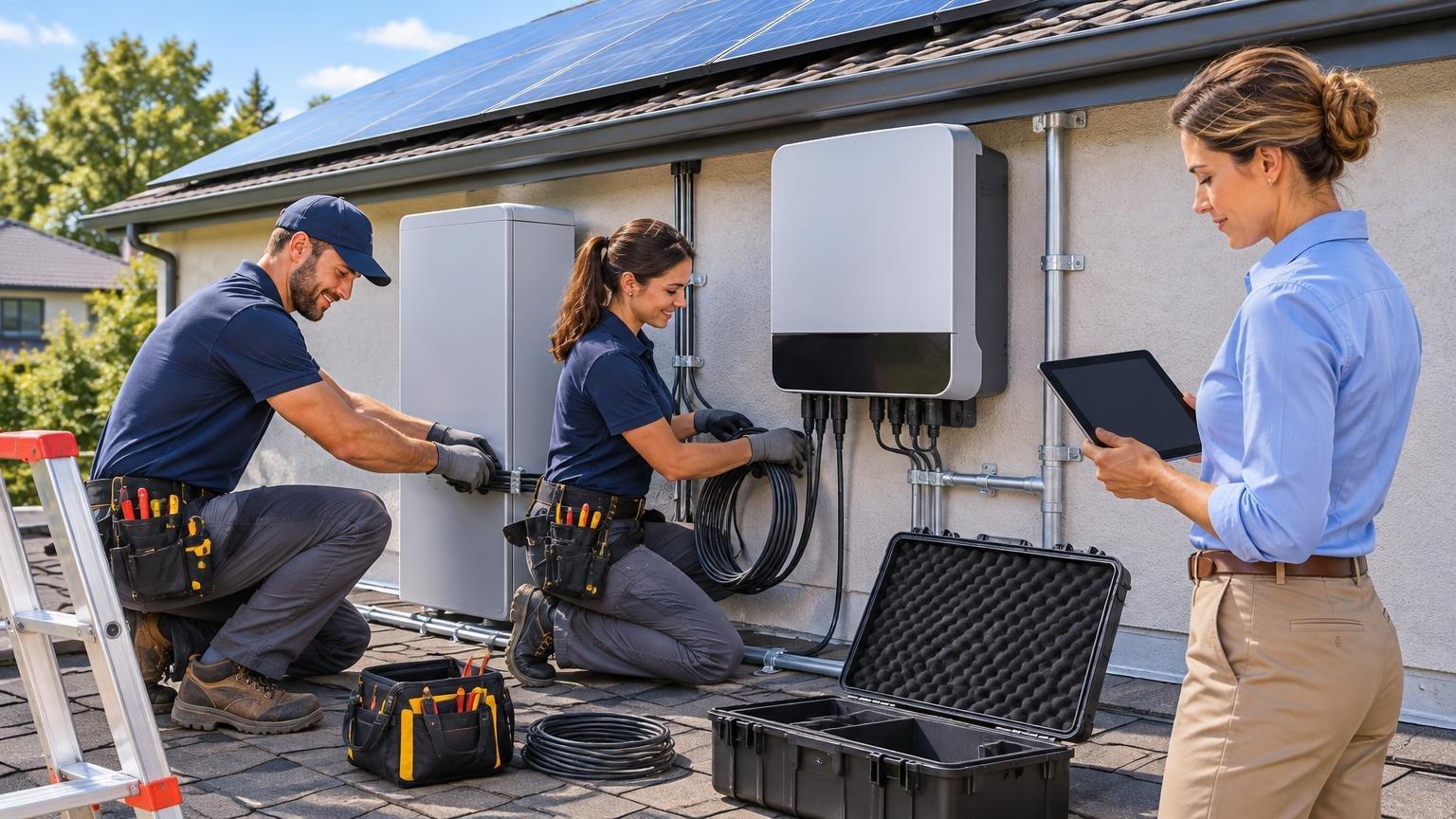
A dependable energy system should be designed, installed, and started with care. Qualified labor helps make sure the equipment is properly sized, safely integrated with the building electrical system, and placed with the needed clearances. Startup and commissioning are also important because settings should match your backup priorities, solar setup, and battery plan.
Local requirements can add time and administrative steps. Permits, inspections, and utility interconnection rules vary by location, especially for systems connected to the grid. We suggest accounting for these steps before equipment is ordered, so the project schedule is based on the real path to installation rather than the availability of one main component.
Freight, delivery arrangements, taxes, and startup support also deserve a place in a full estimate. Inverters and batteries are substantial pieces of equipment, and delivery may require planning for access, unloading, and safe placement. A clear system estimate separates equipment, site work, labor, permits, and delivery so you can see the whole plan clearly.
Build a Winter-Ready Budget Today
A winter-ready backup plan begins with a thoughtful list of the circuits and equipment you want to protect. Start with refrigeration, water systems, lighting, communications, medical devices, and any workshop or property equipment that cannot be without power for long. From there, the inverter, batteries, solar array, and electrical work can be matched to the way you truly use energy.
Before choosing a system, ask for a complete estimate that identifies the Sol-Ark inverter, battery storage, solar equipment, electrical upgrades, labor, permitting, freight, and any available incentives separately. That approach keeps the Sol-Ark 15K inverter price in proper context and gives you a clearer path toward backup power that fits your property and winter priorities.
Build a Backup System With Greater Confidence
At Green Vista Living, we can help you compare the Sol-Ark 15K inverter price alongside compatible batteries, panels, and essential system components. Our team will help you identify equipment that supports your backup goals and energy needs. When you are ready to discuss your project, contact us for personalized guidance.