Why Generator Input Settings Matter on a Sol-Ark Hybrid Inverter
Generator input settings can make the difference between dependable backup power and a frustrating shutdown during a winter outage. For homes, cabins, and remote properties, a generator can support a Sol-Ark hybrid inverter when solar production is low and batteries need help. But the generator and inverter need to operate within the same safe limits.
At Green Vista Living, we want you to understand what those settings control before late-fall storms and freezing weather arrive. The right setup helps your inverter recognize generator power, manage battery charging, and protect the generator from being asked to do more than it can handle.
How Generator Settings Guide a Hybrid Inverter
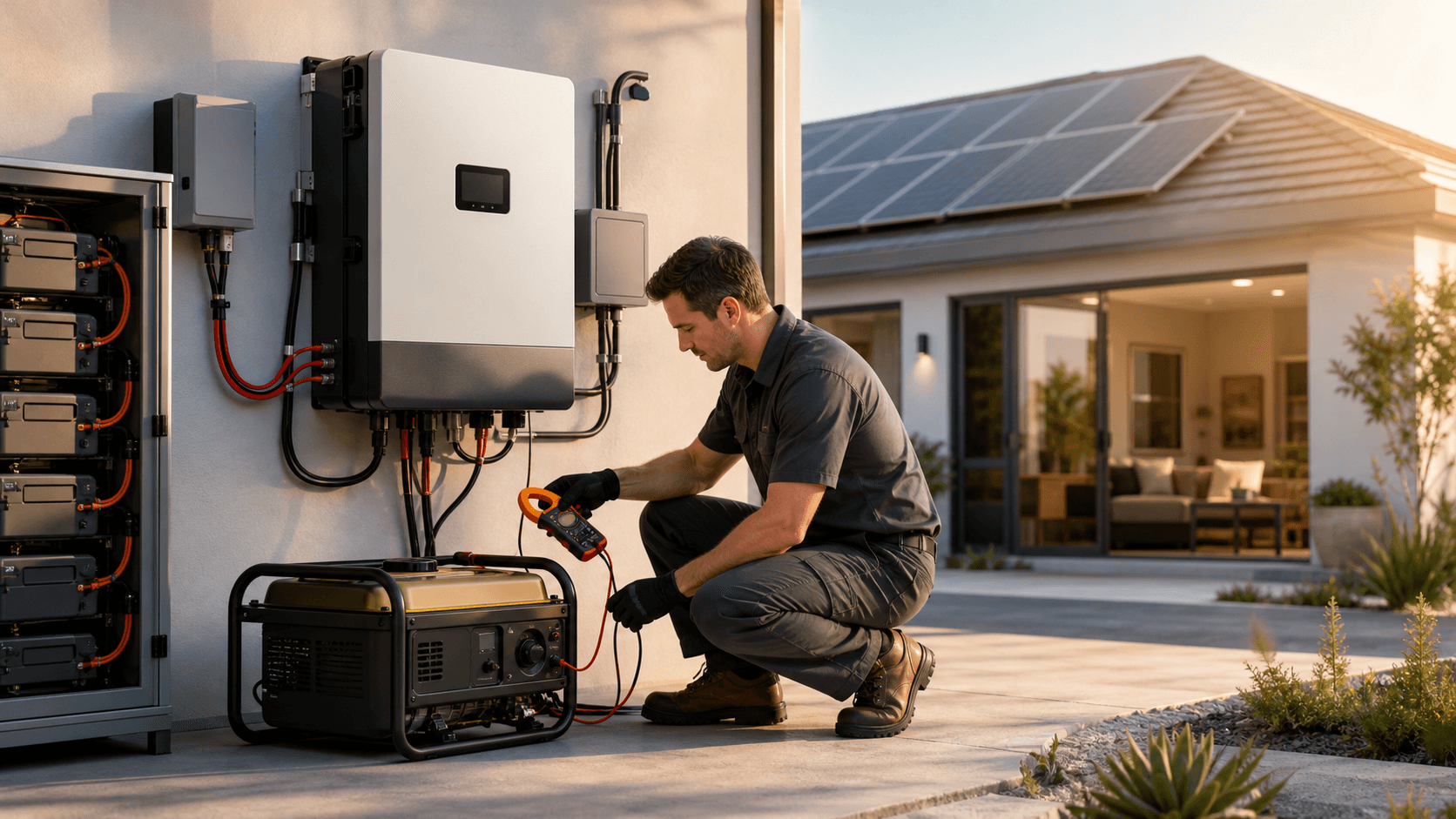
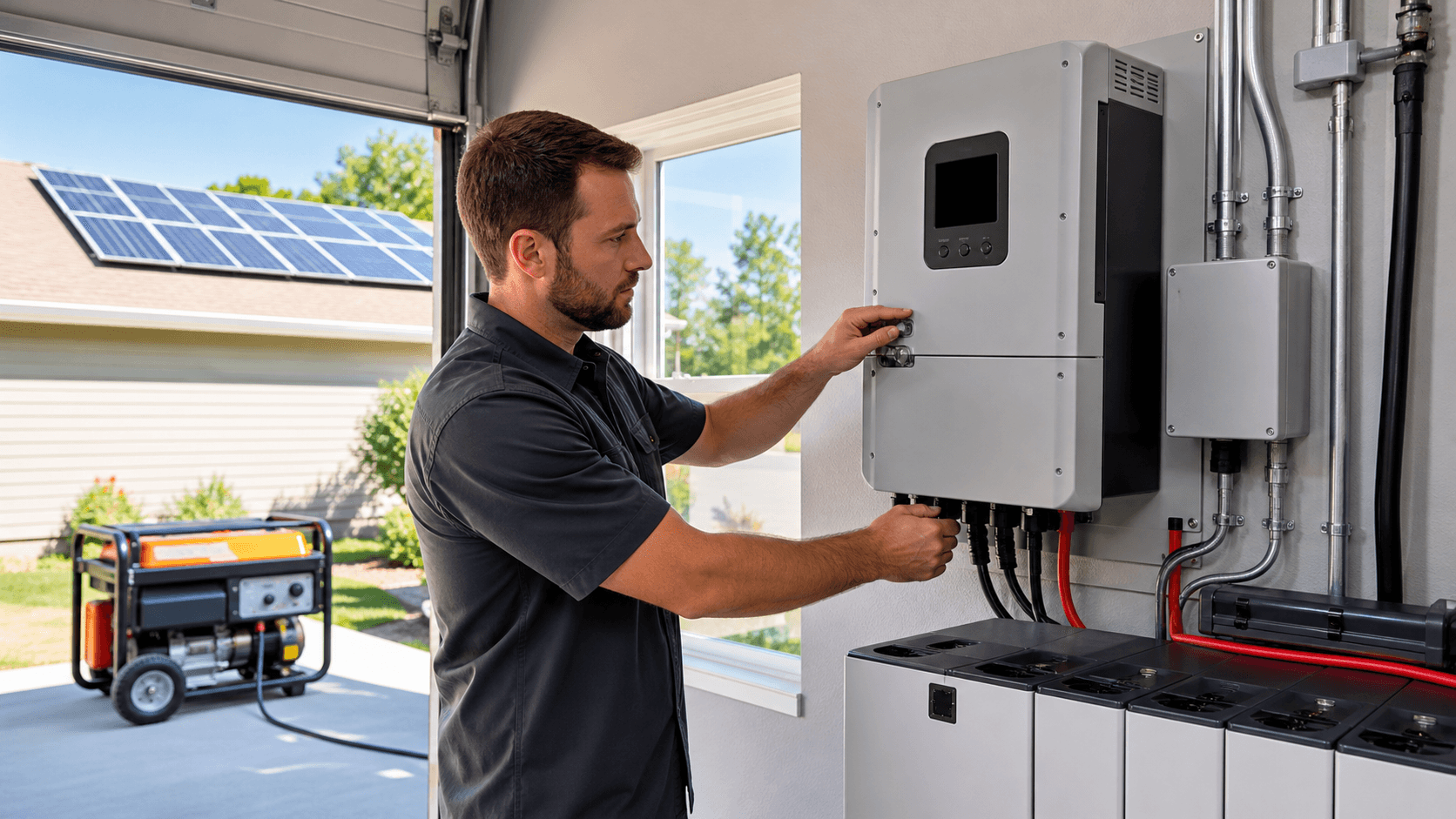
A Sol-Ark system can use generator power in more than one way. Depending on your system design, the generator may support household loads, charge the battery bank, or do both at once. Before that can happen, the inverter has to see voltage and frequency that fall within its accepted operating range.
Those settings are not just technical preferences buried in a menu. They tell the hybrid inverter how much generator current it may draw, when it should accept incoming power, and when it should reject power that is unstable.
We recommend reviewing these core decisions with your system design in mind:
- The generator's rated running output, not only its temporary surge output
- The maximum generator input current allowed by the inverter
- Accepted voltage and frequency ranges
- Generator start and stop triggers, where applicable
- Battery charging priorities and charge-rate limits
Each value should match the actual equipment connected to your property. That includes the generator, electrical panel, battery bank, and the loads you expect to run during an outage. A setting that looks reasonable on screen may not be safe or practical for the generator in the field.
Cold weather can make the balance even harder. Refrigerators, well pumps, lighting, communications equipment, and selected heating loads may all need power at the same time. Proper limits help prevent the generator from bogging down, tripping its breaker, or producing uneven output as demand changes.
Set Safe Generator Limits on Your Sol-Ark
Generator size matters because running watts and surge watts are not the same thing. Many generators can briefly handle a larger motor starting, but they are not meant to provide that higher output continuously. Configuring a Sol-Ark inverter as though the generator can always deliver its surge rating may push the generator too hard.
Instead, we encourage you to leave operating room for the loads that matter most. The generator input current limit should account for normal household demand as well as battery charging. That breathing room can help the generator run more steadily when a pump starts or another major load comes online.
Battery charging deserves special attention. After a long outage, a low battery bank may call for a meaningful amount of power. If charging is set too aggressively, there may be little capacity left for refrigeration, lights, water pumping, and other priority circuits. A more balanced charge setting may allow the battery bank to recover while keeping day-to-day backup loads available.
Before changing advanced settings, review the details that shape real demand:
- Generator nameplate rating, fuel type, output voltage, and breaker size
- Expected loads on the backed-up circuits
- Battery state of charge and anticipated charging needs
- Large loads that may start suddenly, such as pumps or heating equipment
- The inverter documentation and the system's approved electrical design
An undersized generator may require lower charging limits and careful load management. A properly matched generator can support a steadier backup plan, but even then, settings should reflect what the system can truly carry.
Stop Nuisance Faults Before Winter Storms
Voltage and frequency can shift as generator loads turn on and off. Portable units and standby generators alike can show fluctuations, especially when maintenance has been delayed or the generator is working near its limit. The Sol-Ark inverter needs settings that reject power outside a safe range without refusing acceptable generator power every time demand changes.
Limits that are too tight can cause repeated disconnects even when the generator is generally usable. Limits that are too loose can allow unstable power into the system, leading to alerts, interrupted charging, or trouble with sensitive equipment. Widening a setting is not a cure for poor generator performance.
Generator condition plays a major role here. Fuel quality, a weak starting battery, overdue oil changes, dirty air filters, incorrect engine speed, and worn parts can all affect output. We suggest having qualified support inspect and test equipment before it becomes your only source of backup power.
Pay attention when you see warning signs such as repeated generator disconnects, inverter alerts, dimming lights, uneven battery charging, breaker trips, engine surging, or shutdowns when a larger load starts. Those symptoms point to a setting, sizing, maintenance, or wiring issue that deserves a closer look.
Test Your Backup Plan Before the First Freeze
A calm day before winter weather is the right time to test the whole backup system. Starting the generator is only the first step. You also need to confirm that the Sol-Ark inverter accepts generator input, household loads stay supported, and the batteries charge in the way you expect.
During a controlled outage test, use realistic loads rather than checking the system with almost nothing turned on. Run the circuits your household or property depends on, such as refrigeration, internet equipment, lighting, a well pump, or selected heating loads. This can reveal whether your generator input limit and charging settings are workable outside of ideal conditions.
A written outage checklist can keep small details from becoming stressful problems during a storm. Include fuel storage, generator exercise dates, oil and filter maintenance, battery state of charge, transfer or connection procedures where applicable, critical-load priorities, and qualified installer contact information. We find that a clear plan helps you make calmer choices when weather conditions are anything but calm.
Make Generator Backup More Reliable This Winter
Generator input settings help a Sol-Ark hybrid inverter use backup power safely and predictably. Matching current limits to generator capacity can reduce overload risk, while sensible charging priorities help preserve power for the circuits you need most.
Before the first hard freeze, review your generator rating, charging limits, voltage and frequency settings, and backup-load priorities. Follow Sol-Ark documentation and local electrical requirements, and rely on a qualified installer when advanced inverter settings or generator connections need attention.
Build A More Reliable Backup Power Plan
Green Vista Living can help you compare hybrid inverter options that support dependable energy storage and backup power. Our team can help you choose equipment that fits your household loads, battery goals, and generator setup. Have questions about building your system? Contact us for personalized guidance.