Make Fall Harvests Feed Your Family All Year
When you buy a freeze dryer, you are adding a new kind of planning tool to your kitchen routine. October brings garden extras, farmers market produce, holiday cooking, and the first thoughts of colder-weather readiness. With the right process, familiar ingredients and homemade meals can become lightweight, shelf-stable foods that are ready when your family needs them.
We want to set realistic expectations from the start. A Harvest Right freeze dryer is not an instant answer to food storage. It works best for households willing to learn the process, schedule batches, package food carefully, and keep a simple storage system. Once those habits are in place, freeze drying can fit naturally into meal planning before, during, and after the busy fall season.
Know What Changes When You Buy a Freeze Dryer
The machine is the biggest part of the setup, but it is not the only part. Before bringing one home, we recommend thinking through where it will live and what you will need to support regular use. A freeze dryer needs a clean, level space, electrical access, room for the door and trays, and enough airflow around the unit.
Your food storage setup matters just as much. Plan for packaging supplies, labels, and a dedicated place to keep finished food protected and organized. Many families find that a little preparation prevents their new food supply from turning into a stack of mystery bags later on.
Helpful supplies may include:
- Mylar bags or other suitable storage containers
- Oxygen absorbers for properly packaged food
- Labels and a marker for dates and instructions
- Shelving, bins, or cabinets for organized storage
- Supplies recommended for vacuum pump care and machine cleaning
Time is another adjustment. Freeze drying is not a same-day task. A batch can take many hours or longer, depending on the food, the amount of moisture, the tray load, and conditions in your home. Rather than waiting for a last-minute need, we suggest fitting batches into your weekly meal prep rhythm.
After you buy a freeze dryer, you may notice other habits changing too. Produce sales become more interesting. Leftovers feel worth saving. A large pot of soup can become tonight's dinner plus future meals. That is where freeze drying can help reduce waste while making meal planning more flexible.
Plan Meals Around Freeze Drying Strengths
The easiest foods to use later are often the ones your family already enjoys now. We encourage starting with familiar meals and ingredients, not unusual foods that may sit untouched on a shelf. Freeze-dried food should make life easier, not become a science project you avoid opening.
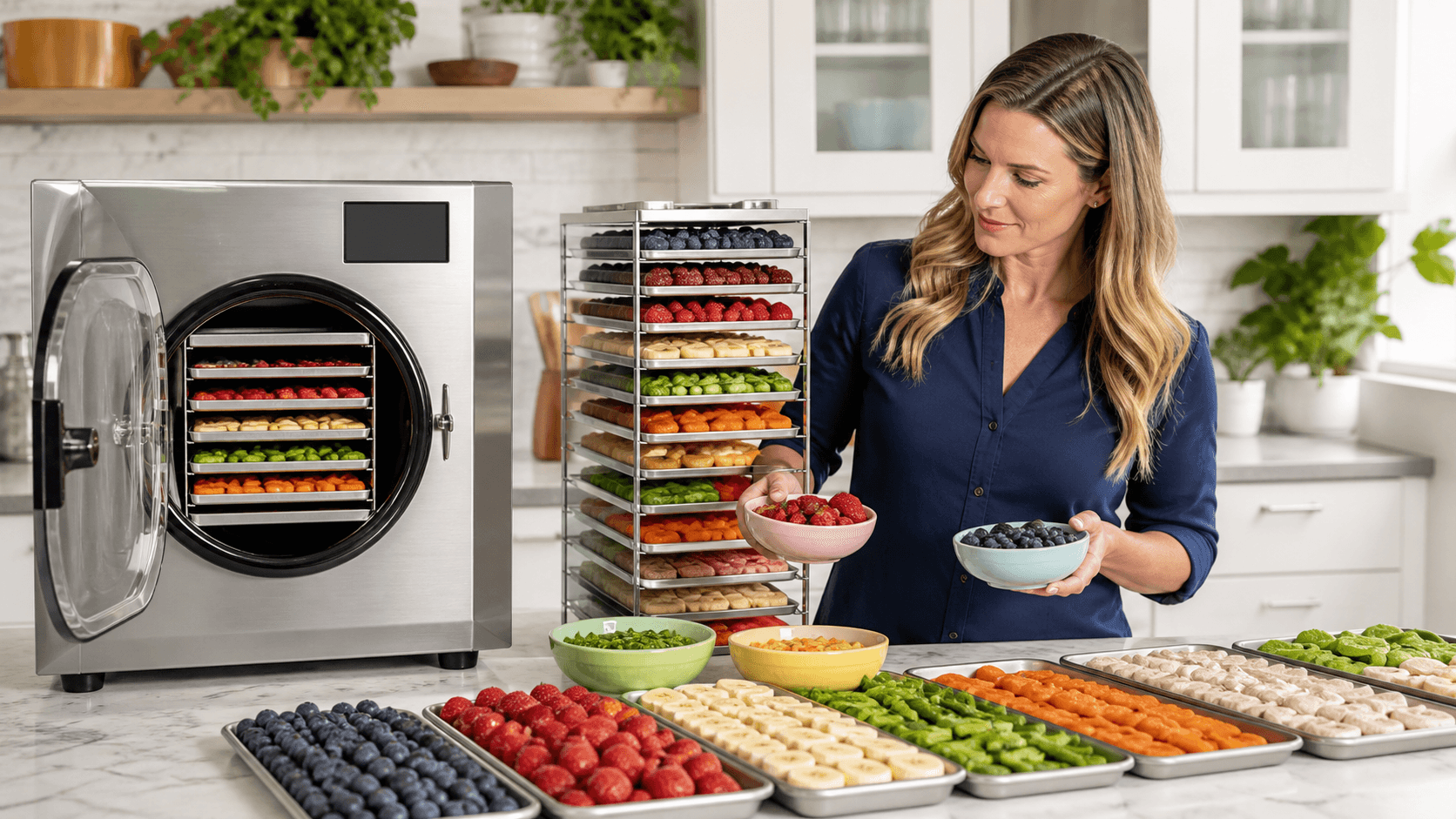
Good options for family meal planning include cooked soups, chili, pasta sauces, casseroles, scrambled eggs, fruits, vegetables, herbs, and individual snack portions. Meals that rehydrate into something recognizable can be especially useful for busy evenings, camping trips, cabin stays, or weather-related disruptions.
A simple first-round plan might include:
- Breakfast items your household already eats
- Quick lunch portions for busy weekdays
- A few camping or outdoor meal options
- Emergency-friendly dinners that need water
- Fruit, vegetables, and herbs from seasonal extras
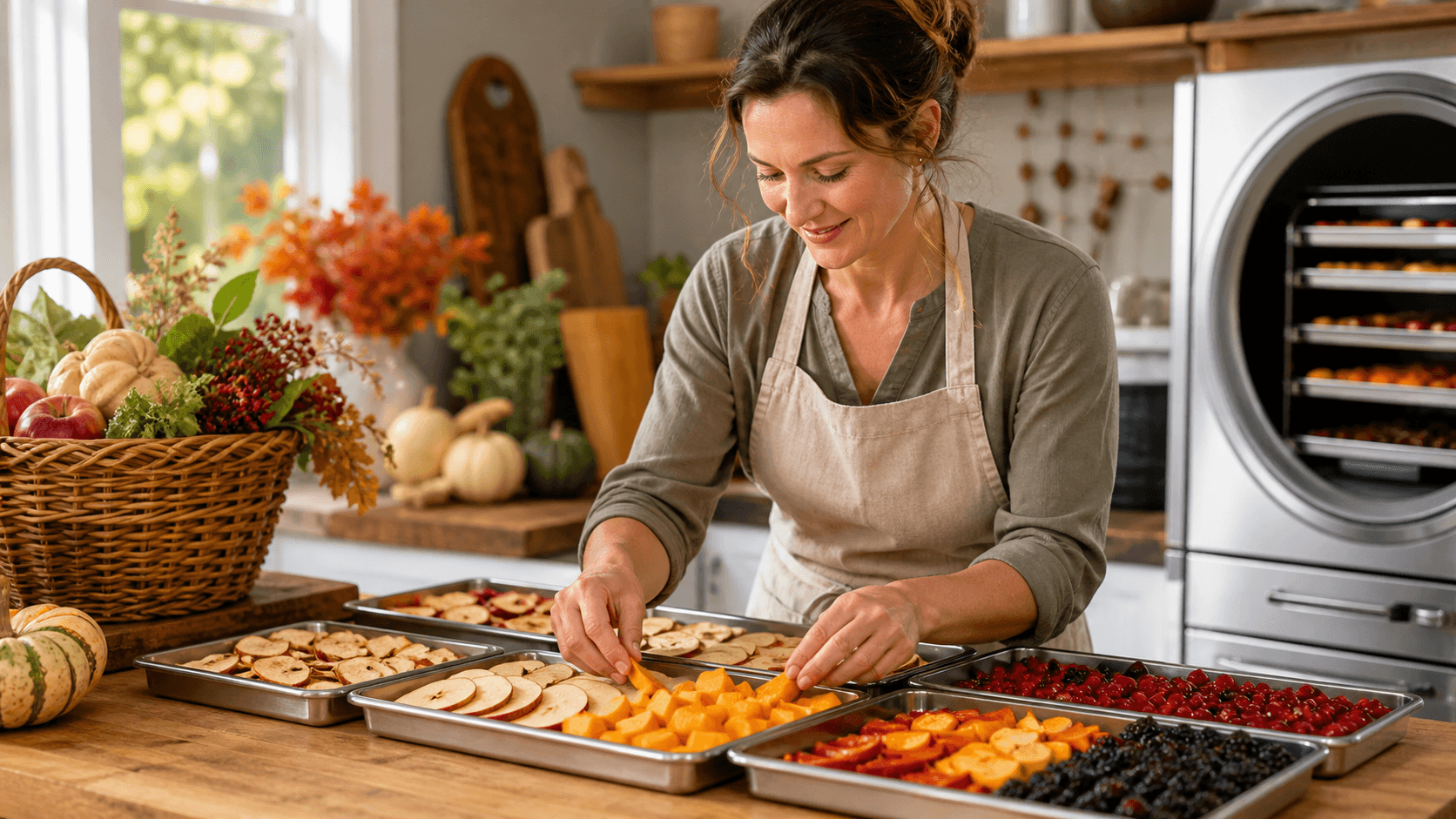
Fall gives you plenty of chances to build this kind of supply. Apples, squash, green beans, herbs, berries, and garden leftovers can all support a more useful pantry. You can also prepare extra meal components before holiday weeks get hectic. Having sauce, cooked vegetables, or a ready-to-rehydrate meal on hand can take some pressure off a crowded kitchen.
Start small enough that you can learn what works. We often recommend choosing a few dependable recipes, trying them more than once, and taking notes on portion sizes and rehydration. That practice helps you create food your family will actually reach for.
Prepare a Harvest Right Freeze Dryer for Daily Use
A smooth batch starts before food goes onto a tray. Your Harvest Right freeze dryer should be placed in a clean, well-ventilated area with enough room to load trays, open the door fully, handle food safely, and complete routine care. Since models have different requirements, we recommend checking the specifications and manufacturer guidance before deciding on a permanent spot.
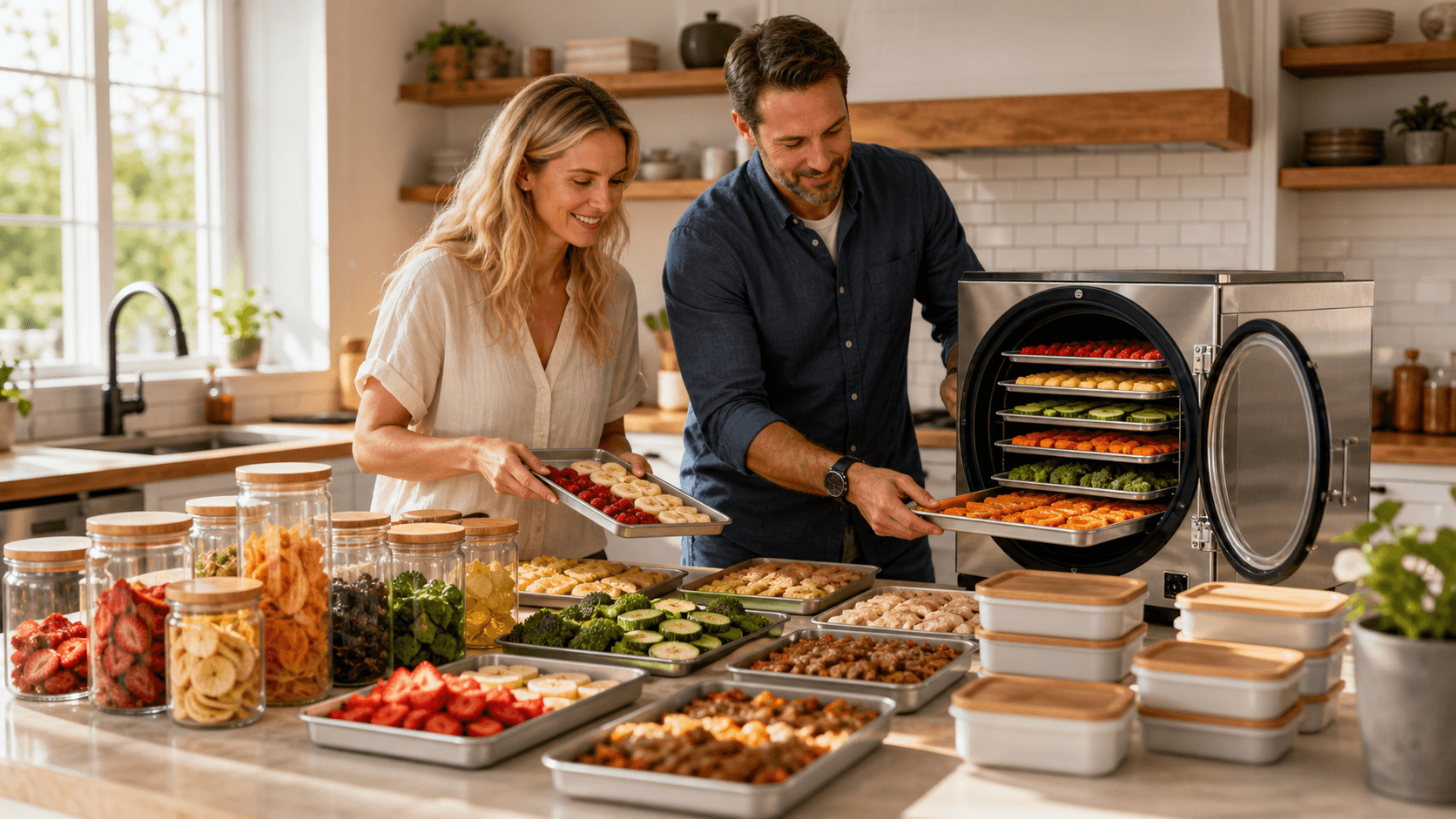
Food preparation also makes a difference in how easy the process feels. Portion meals in practical serving sizes. Cut fruits and vegetables into smaller, even pieces when appropriate. Arrange food evenly on trays, and keep everything clean from the start. Pre-freezing may be helpful for certain foods and can make batch preparation easier.
Uniform portions can help later, too. When food pieces are similar in size, it is simpler to rehydrate and serve them without guessing. A bag of evenly prepared green beans is much easier to work into dinner than a mix of oversized pieces and tiny fragments.
Maintenance is part of ownership, not an occasional chore. We suggest building it into your routine so it does not get skipped between busy weeks. Monitor the vacuum pump, inspect seals, clean the chamber and trays, defrost between batches, and follow Harvest Right guidance for your specific model. A little regular care helps keep your system ready for the next load.
Build a Routine That Balances Time, Budget, and Space
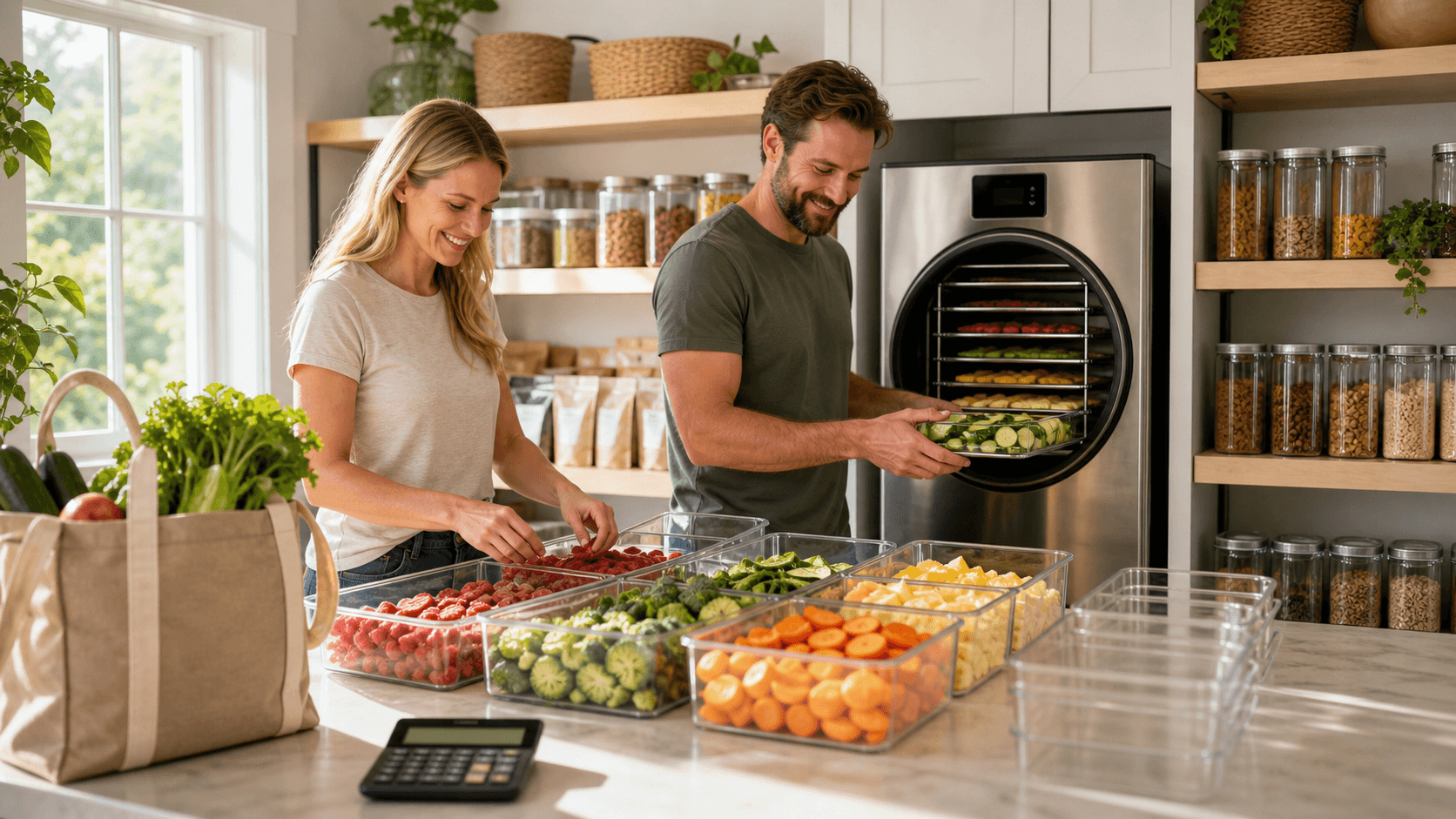
Freeze drying tends to make the most sense when it supports food you would otherwise lose. Homegrown produce, sale-priced groceries, bulk ingredients, leftovers, and extra homemade meals can all give you a reason to run a batch. Instead of trying to preserve everything in sight, focus on the foods that fit your household's normal eating habits.
Packaging and storage determine whether all that work pays off later. Freeze-dried food needs protection from moisture, air, heat, light, and pests. We recommend labeling every package before it goes on the shelf. Include the food name, the date, the serving size, and a short note about how to rehydrate or prepare it.
A manageable system might look like this:
- Choose one or two batch days each month
- Keep a simple inventory of stored food
- Rotate older packages into regular meals
- Save shelf space for foods your family likes
- Review supplies before the next harvest or sale
This approach keeps storage from becoming forgotten clutter. It also gives you a clearer view of what you have, what you use, and what you do not need to make again. Over time, your batch schedule can change with the seasons, your garden, and your family's calendar.
Put Your First Freeze Drying Plan Into Action This Fall
Buying a Harvest Right freeze dryer can support family meal planning, seasonal food preservation, outdoor readiness, and greater self-sufficiency when you approach it with realistic expectations. The strongest results usually come from a repeatable routine, not from trying to preserve every ingredient at once.
Begin with a short list of favorite meals, a dedicated storage area, and a plan to use what you store. As fall harvests, holiday cooking, and winter meal planning pick up, those simple habits can help turn extra food into practical meals your family recognizes and enjoys.
Make Family Meals Easier To Plan
When you are ready to buy a freeze dryer, our team can help you compare Harvest Right options for your household's meal-planning goals. Green Vista Living offers practical guidance to help you choose a size and setup that fits your kitchen routine. Have questions before deciding? Contact us for personalized assistance.