Design the Heart of Your Off-Grid System First
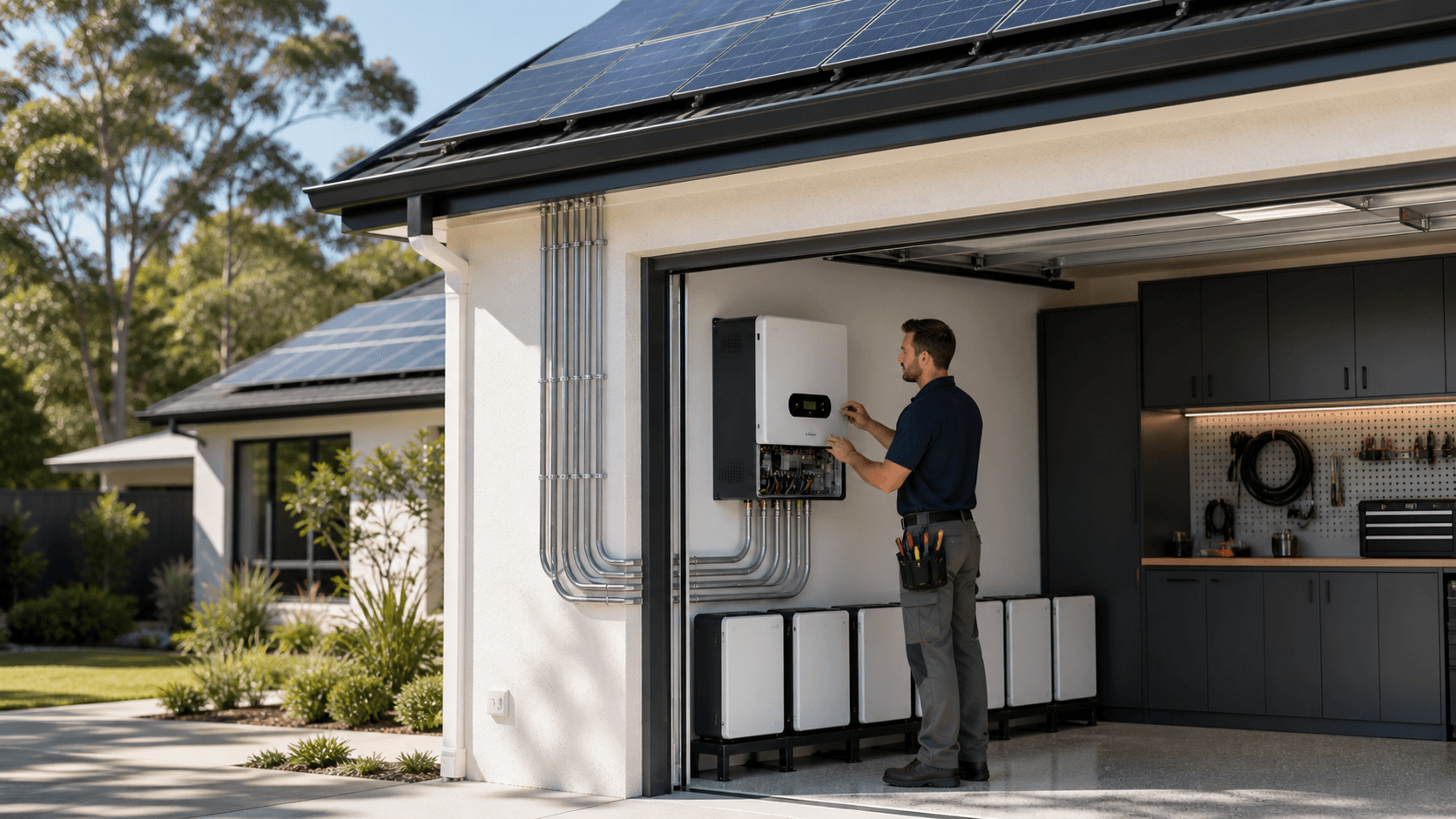
The battery bank is the heart of any off-grid solar setup. Panels only make power when the sun cooperates. Your batteries decide if the lights stay on at night, if the well pump runs, and if food stays cold when the weather gets weird.
That is why we plan the battery first. Storage drives reliability, safety, maintenance needs, and what kind of backup you will need. Once the battery bank is right, it becomes much easier to size the inverter, the solar array, and even a generator so that everything works together instead of fighting you.
For off-grid and backup systems, most people end up choosing between three main battery chemistries: LiFePO4 lithium, NMC lithium, and lead-acid. Each one changes how big the bank needs to be, how much care it takes, and how long it is likely to last. In this guide, we will walk through how to choose the right chemistry, handle hot summers and cold winters, and think about long-term cost so your system can keep working for 10 to 20 years.
Choosing the Right Chemistry for Your Off-Grid Lifestyle
Let us keep the chemistry simple and talk about what life is like with each battery type.
LiFePO4 (lithium iron phosphate) is all about long life, safety, and deep cycling. You can usually use a large chunk of its rated capacity every day without beating it up. It has a stable chemistry that resists overheating compared to many other lithium types, which is a big plus for homes and cabins.
NMC (nickel manganese cobalt) lithium stores more energy in less space and at lower weight. That is good when you are tight on room or when everything must fit in a small mechanical space. It is powerful, but it likes more careful temperature control and safety planning.
Lead-acid is the old standby. It comes in several styles, like flooded and sealed. It takes more space for the same energy and does not like deep discharge day after day. It does win for lower upfront cost and simple tech, which is why some people still prefer it for backup or occasional-use cabins.
Here is how they tend to fit real-world use:
- LiFePO4: Great for full-time off-grid homes, homesteads, and cabins that see daily use
- NMC: Good when space and weight are tight, and there is room in the budget for a compact setup
- Lead-acid: Works for weekend places, backup-only systems, and people who do not cycle the bank every day
Safety and resilience matter a lot in off-grid setups:
- LiFePO4 has good thermal stability, which helps reduce fire risk when installed and protected correctly
- NMC has higher energy density, so it needs more careful enclosure design, wiring, and monitoring
- Lead-acid can off-gas, so it needs venting, space from sparks and flames, and hardware that handles fumes
Your battery room or enclosure should match the chemistry. LiFePO4 and NMC packs need clear airflow and a smart battery management system (BMS), often built in. Lead-acid banks need strong ventilation and hardware located so that any gas does not collect around electronics or open flames.
Sizing a Battery-First System for Year-Round Reliability
Once you pick a chemistry, it is time to size the bank. We always start with your loads, not with a random panel count.
A simple design path looks like this:
- Write down your daily energy use in watt-hours or kilowatt-hours
- Note your peak loads, like a well pump or AC unit starting up
- Choose how many days you want to ride through cloudy weather without running a generator
- Size the battery bank to cover that energy at a safe depth of discharge
- Then match the inverter to your peak loads and size the solar array to refill the bank in a reasonable time
Chemistry affects how much of the rated capacity you can really use:
- LiFePO4 and NMC: Often sized for deeper regular discharge, so you need fewer total kWh for the same usable energy
- Lead-acid: Usually kept at a shallower discharge for good life, so the bank must be larger in kWh and physical space
This battery-first approach directly shapes the rest of the system. A well-sized bank means less generator run time, smoother performance in spring and fall, and fewer headaches as loads grow slowly over time. When you know your storage is solid, you can add a bit of extra solar later without worrying that your battery is the weak link.
Mastering Temperature Management for Batteries in Any Season
Temperature has a big effect on every chemistry, especially when you get real summer heat and deep winter cold.
In cold weather, lithium batteries do not like to charge below freezing. Many LiFePO4 and NMC packs have built-in controls that block charging when too cold. They may still discharge, but usable capacity drops until they warm back up. Lead-acid batteries can charge at lower temperatures but also lose capacity in the cold.
In hot weather, all chemistries age faster. High heat can shorten battery life and may trigger protection limits in lithium batteries. Lead-acid banks in very hot rooms lose life and may need more checks and care.
Some practical installation moves:
- Put batteries in an indoor or semi-conditioned space when possible
- Use insulated enclosures in very cold areas, with safe, thermostatically controlled heaters when needed
- Give lead-acid banks clear ventilation paths for any gas
- Keep batteries away from direct sun, metal sheds that turn into ovens, and tight spaces with no airflow
Smart controls help a lot. A good battery management system can:
- Watch temperature and shut off charging when it is too cold or too hot
- Track state of charge so you do not unknowingly drain the bank too far
- Work with chargers and inverters to slow down or stop charging when needed
Planning shading, airflow, and placement up front keeps your batteries working through summer heat waves and winter snaps without surprises.
Lifecycle Cost Modeling That Beats Sticker Shock
When people compare battery options, the first look is usually at the price tag. That can be misleading. A better way is to think about cost per kilowatt-hour delivered over the full life of the system.
You can do a simple model like this:
- Estimate usable kWh per cycle for each chemistry, based on your planned depth of discharge
- Multiply by how many cycles you expect with that usage pattern
- Factor in how many times you will likely replace the bank in your planning window
- Adjust for maintenance needs and typical efficiency losses in charging and discharging
LiFePO4 often looks more expensive at first, but it can run for many cycles when treated well and often keeps good capacity through years of daily use. That can make its long-term cost per delivered kWh very attractive for off-grid homes that live on their system every day.
Lead-acid can still make sense for backup-only setups or simple cabins that see light weekend use, since the cycle count is low. NMC can be a strong choice when space or weight are strict limits, even if the lifecycle math is a bit different, as long as the enclosure and protections are designed with care.
Turning Your Battery Plan Into a Complete Off-Grid System
Once your battery plan is clear, the rest of the system falls into place. You have chosen a chemistry that fits your lifestyle, you know your target usable capacity, and you have thought about temperature and long-term value instead of only the first invoice.
From there, it helps to write down:
- Your load profile, both daily use and peak draws
- Your days of autonomy goal
- Your climate realities, like hot summers, cold winters, and storm patterns
That list becomes the anchor for choosing your inverters, solar array size, generator support, and other hardware. At Green Vista Living, we build off-grid and backup systems around that battery-first mindset so people can enjoy quiet, reliable power for the long haul, whether they are running a full-time homestead or a simple weekend retreat.
Power Your Off-Grid Lifestyle With Confidence
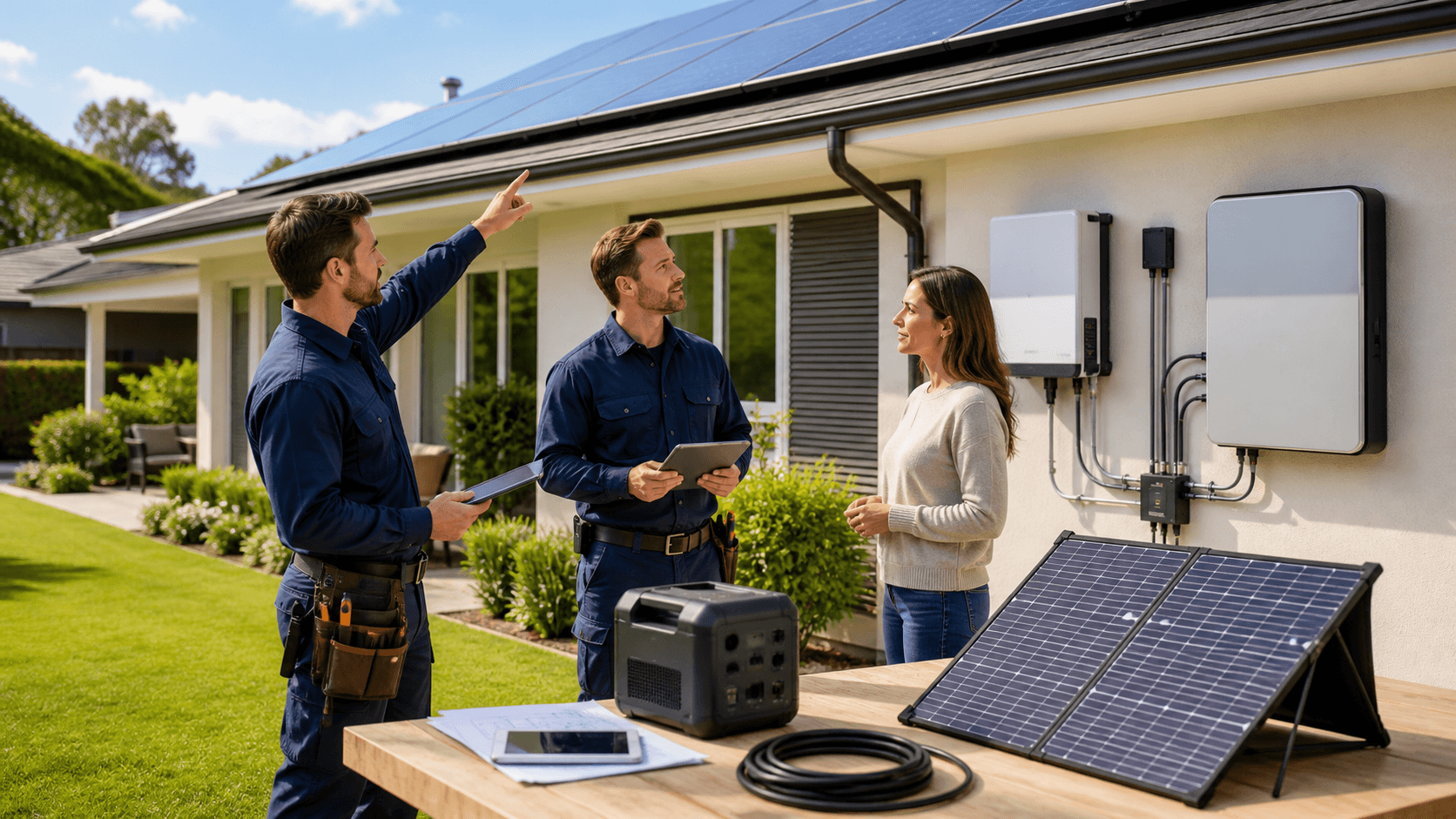
If you are ready to build a reliable, independent energy setup, we can help you choose the best off-grid solar system for your property and budget. At Green Vista Living, we design complete solutions so you are not left guessing about components, sizing, or performance. Tell us about your goals, and we will walk you through options that match your energy needs and long-term plans. Have questions before you decide? Just contact us and our team will guide you step by step.