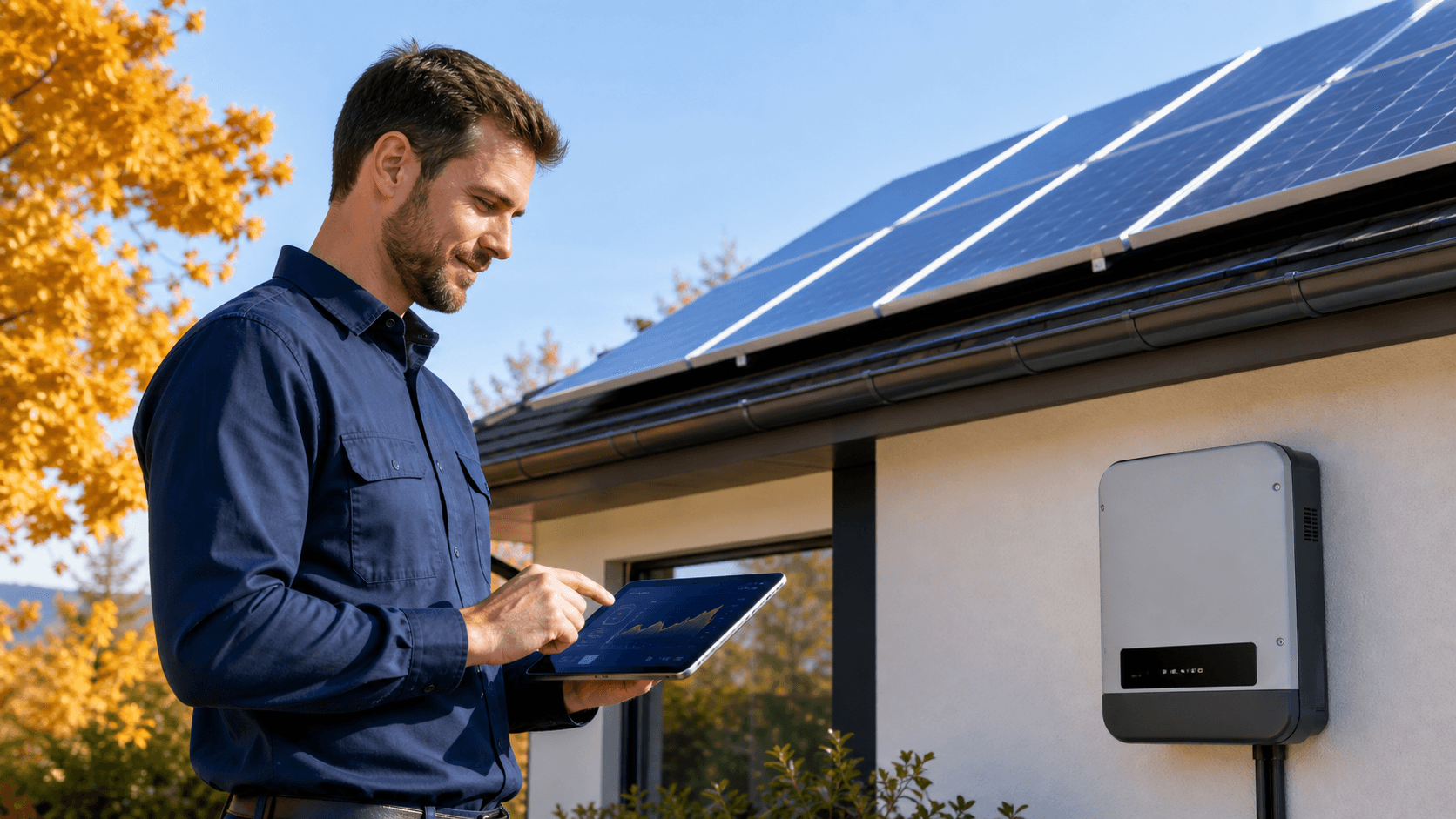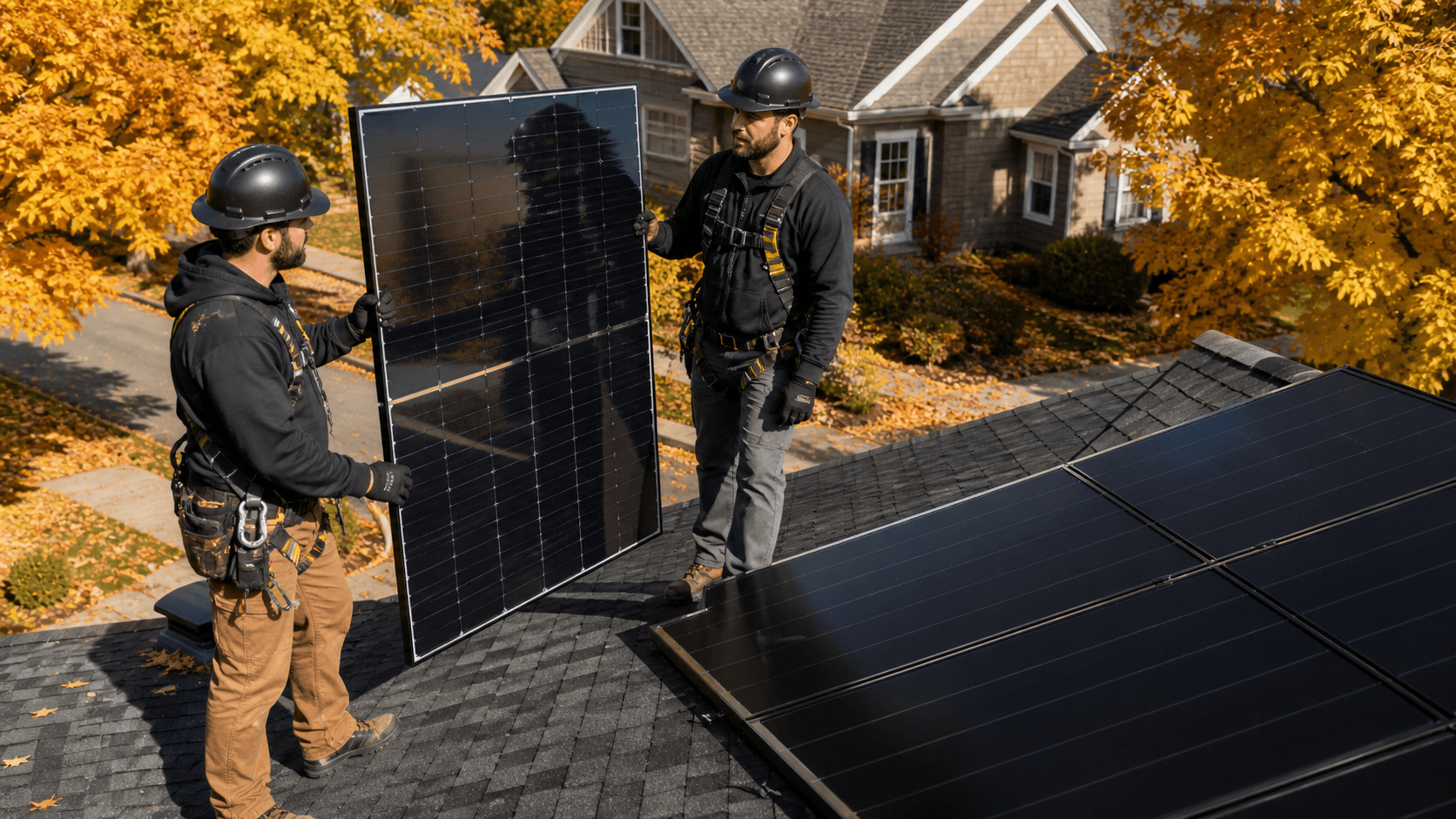
Canadian Solar panels can help you make better use of autumn sunlight, but the best module style depends on your roof. As the sun sits lower, shadows stretch farther, leaves collect around roof features, and cloudy days become more common. We recommend looking beyond panel wattage and considering how your whole roof array will perform before winter arrives.
For homes, cabins, and remote properties, the main choice often comes down to bifacial versus monofacial Canadian Solar panels. Bifacial panels can collect light on both sides, while monofacial panels collect light only from the front. Neither option wins in every setting, so we look at your roof surface, mounting plan, shade, available space, weather, and energy goals together.
Canadian Solar Panels Collect Autumn Light Differently
Monofacial Canadian Solar panels make electricity from sunlight that reaches their front surface. That includes direct sun and softer diffuse light that filters through cloud cover. Because their rear side does not produce power, their performance is usually easier to plan around roof direction, panel tilt, front-side shade, and module capacity.
This can make monofacial modules a practical fit for standard dark asphalt roofs and closely mounted residential arrays. If little light can reach behind the panels, there is less reason to focus on rear-side production potential.
Bifacial Canadian Solar panels have solar cells on both sides of the module. Their front side works much like a monofacial panel, while the rear side can collect reflected light from the roof, nearby ground, or other bright surfaces around the array.
Autumn can make this difference more noticeable. Lower sun angles make the following factors more important:
- Roof orientation and tilt
- Trees, chimneys, dormers, and vents
- Morning and late-afternoon shadows
- Cloud cover and diffuse light
Even with a bifacial module, rear production depends on light actually reaching the back of the panel. We always recommend reviewing current Canadian Solar specifications and having a qualified system designer estimate production for your exact layout and location.
When Bifacial Modules Add Meaningful Fall Output
Bifacial modules often make the most sense when there is open space behind the panel and a bright surface below it. A light-colored metal roof, white roof membrane, pale gravel, or bright ground around a roof-mounted system may reflect more light toward the rear side of the module. Snow can also create a brighter surrounding surface once winter arrives.
Mounting height matters just as much as roof color. A bifacial panel sitting very close to a roof may have limited rear exposure. Elevating the array can allow more reflected light to reach the back, but that design choice may also affect wind loading, roof attachments, permitting, and the overall installation plan.
Fall roof conditions deserve a close look before choosing this technology. Leaves, dirt, standing water, and debris can darken a surface that might otherwise reflect light. Long shadows from nearby trees can also fall across the array and the space beneath it.
We tend to see bifacial Canadian Solar panels fit best where the roof environment is bright, open, and lightly shaded. They can add useful production in the right setting, but we would not assume a dramatic gain simply because a panel is bifacial.
Monofacial Modules Keep Complex Roofs Simpler
Many roofs are not ideal for rear-side light collection, and that is where monofacial Canadian Solar panels remain a strong choice. Their output mostly depends on what reaches the front of the panel, which gives you a more direct way to plan around shade, orientation, tilt, and usable roof space.
Monofacial modules can be especially practical for:
- Dark asphalt shingle roofs
- Tightly spaced arrays with limited airflow gaps
- Roofs with low mounting clearance
- Complicated rooflines with dormers or chimneys
- Properties where trees or structures block rear-side light
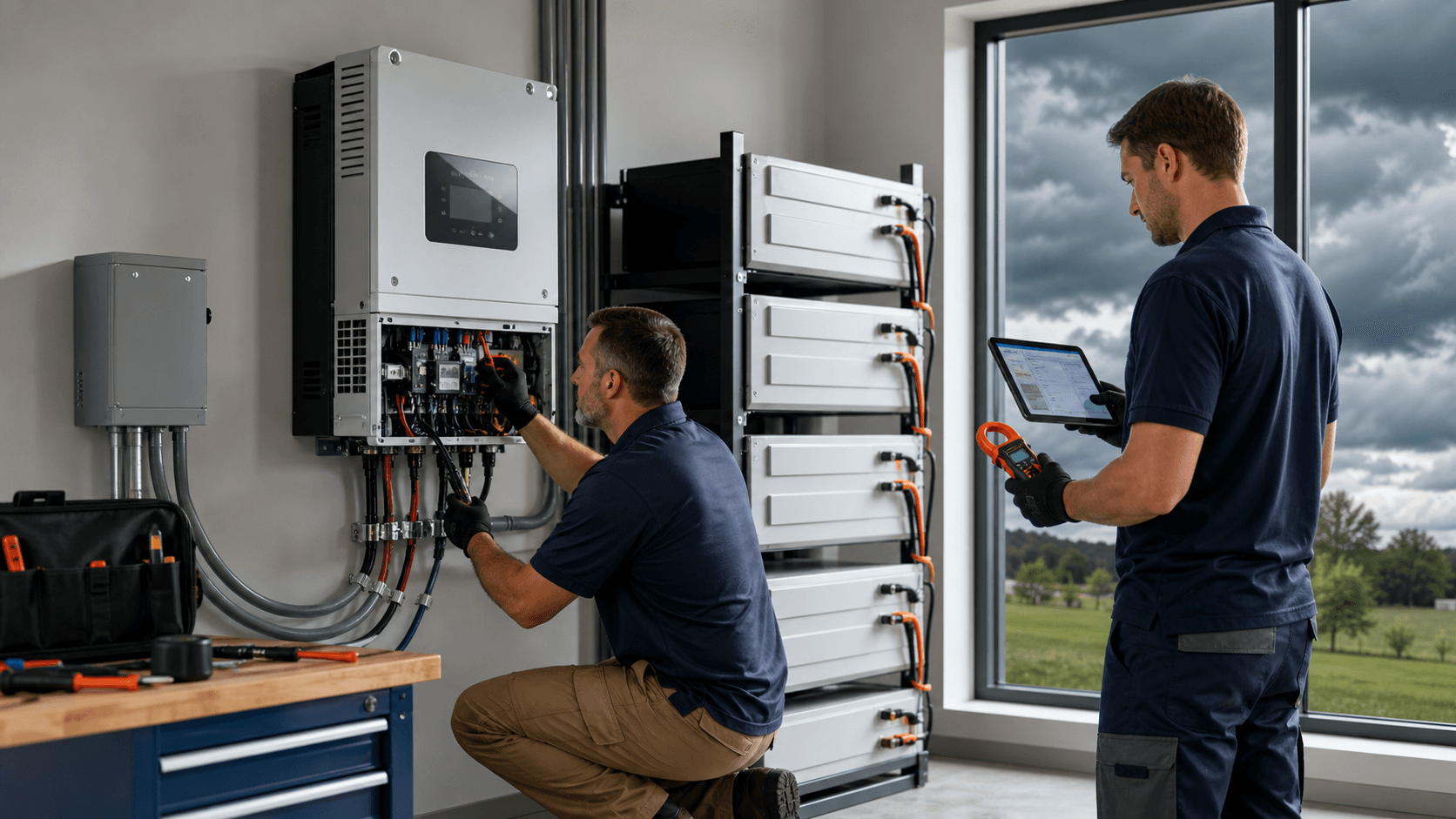
A straightforward monofacial design may also leave more room in your spending plan for the parts that support dependable system performance, such as proper racking, electrical protection, or battery storage. For an off-grid cabin or backup power system, matching the full system to your energy needs matters more than chasing a panel feature your roof cannot fully use.
Autumn installation timing can add another reason to keep the design practical. If you are preparing before winter weather makes roof work harder, a clear monofacial layout can reduce design questions and help keep the project focused. A well-planned monofacial array can still produce dependable solar energy through fall and winter.
Compare Your Roof Before Choosing a Panel Style
Before selecting Canadian Solar panels, we suggest treating your roof as part of the solar equipment. Start with its color and condition. Light gray, white, and reflective surfaces can be more favorable for bifacial modules, while dark roofing usually makes monofacial output more predictable.
Next, consider mounting clearance and panel spacing. Ask how high the modules will sit above the roof and whether rails, nearby panels, or roof features may block light from reaching the rear. A bifacial array needs a clear path for reflected light, not just a sunny front surface.
Shading deserves extra attention in autumn. Observe the property during the morning, around midday, and later in the afternoon. Trees that look manageable during summer may cast much longer shadows when the sun is lower. After leaves drop, bare branches can create a different pattern of partial shade across the roof.
We also encourage you to compare total system value instead of focusing only on panel type. Think through roof condition, available square footage, racking needs, energy use, utility rules where applicable, battery plans, and future expansion. The right Canadian Solar module is the one that fits the roof and supports the way you want to use power.
Plan a Roof Array That Performs Through Winter
An autumn roof assessment can make the bifacial versus monofacial decision far less confusing. Document your roof direction, usable space, roof color, nearby shade sources, mounting limitations, and likely winter weather before equipment is selected. Those details tell us far more than a panel label alone.
Bifacial modules can bring added value when rear-side light is available, while monofacial modules offer a simple and effective answer for many residential, cabin, and off-grid roof layouts. A thoughtful system design, including structural and electrical planning, gives you the best foundation for reliable seasonal production.
Choose Panels That Fit Your Energy Goals
Browse our selection of Canadian solar panels to compare options for your roof, budget, and seasonal energy needs. At Green Vista Living, we can help you narrow down the equipment that supports your planned system. Have questions before choosing? Contact us for personalized guidance.