Keep Well Water Flowing During Winter Outages
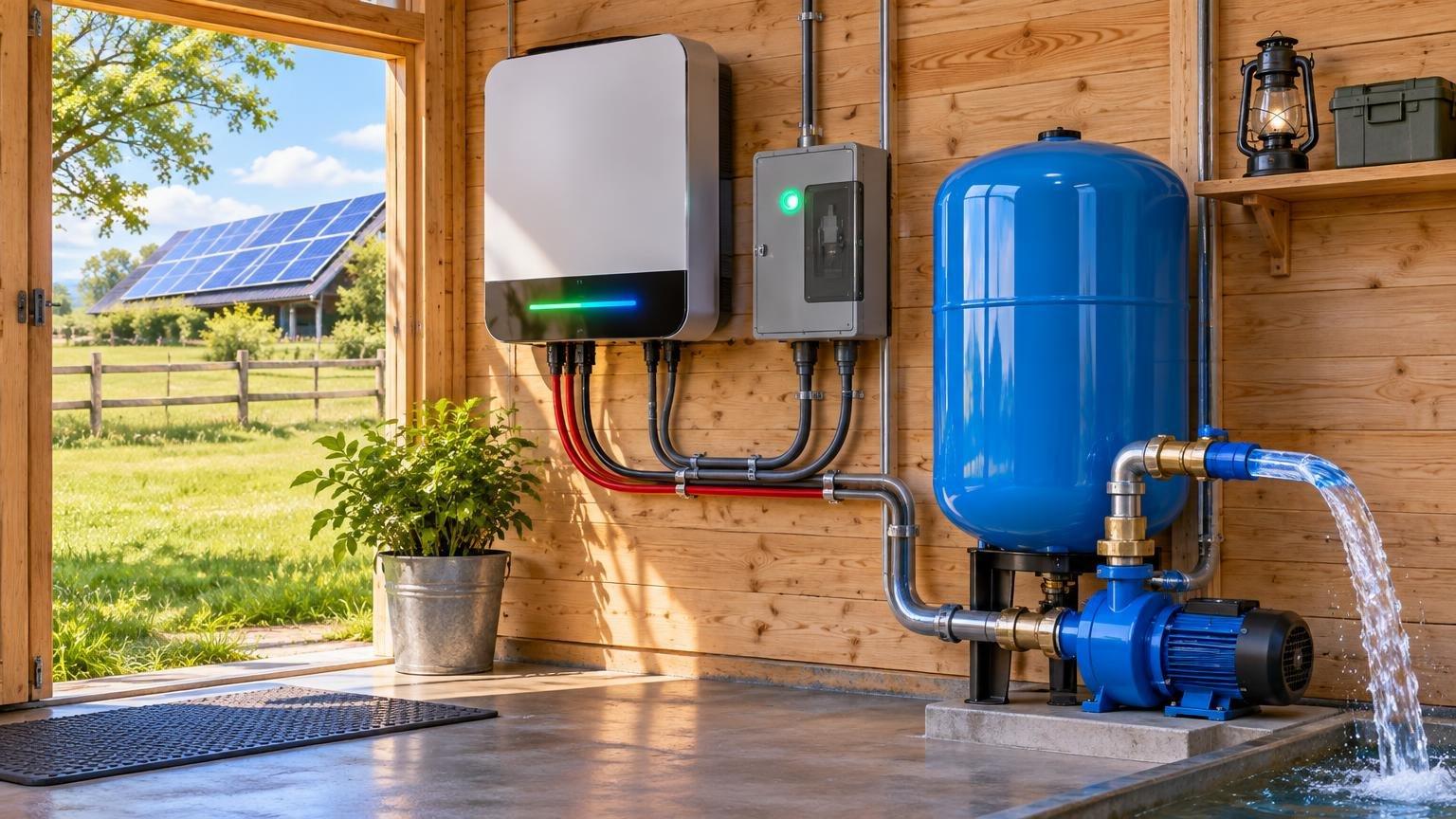
An EG4 power inverter can play a big part in keeping a well pump running when winter storms knock out grid power. For homes, cabins, workshops, and remote properties that rely on a private well, losing electricity can also mean losing water for drinking, toilets, animals, and basic cleanup.
Cold weather raises the stakes. Water is often needed to help prevent frozen pipes, keep livestock supplied, and manage daily life while roads and utility crews are dealing with storm conditions. We recommend planning before the first hard freeze, not while the lights are already out.
One detail gets missed more often than it should: a pump may run on a certain amount of power but need much more power for a few seconds when it starts. Below, we'll help you think through pump startup needs, battery support, wiring, and EG4 inverter ratings as one complete backup system.
Why Well Pumps Need More Power at Startup
A well pump motor does not use the same amount of electricity every moment it operates. Running watts describe the power needed after the motor is already moving water. Startup watts describe the brief, heavier demand when the motor first turns on, overcomes resistance, and builds speed.
That first push can be much larger than the pump's normal operating load. If the backup system cannot supply it, the inverter may shut down, show a fault, or experience a voltage drop before the pump gets going. A system that appears large enough on paper can still struggle at the exact moment you need water.
Several details can change a pump's startup demand:
- Pump horsepower and motor voltage
- Pressure switch settings and how often the pump cycles
- Well depth, wire length, and condition of electrical connections
- Motor design, including soft starters or variable-speed equipment
- Other loads that happen to turn on at the same time
Rather than estimating only from horsepower, we suggest starting with the pump nameplate and installation manual. Locked rotor amperage, often called LRA, can offer a clearer view of the motor's starting demand. When the label is hard to read or the pump details are uncertain, a qualified installer can help identify the right numbers. This step is worth taking seriously because guessing can leave a backup system unable to start an otherwise healthy pump.
Match EG4 Power Inverter Surge Capacity to Your Pump
Surge capacity is the short-term extra output an inverter can provide when a motor starts. With an EG4 power inverter, this rating matters because the inverter must supply enough power long enough for the well pump to get up to speed without faulting or pulling system voltage too low.
Continuous output and surge output work together, but they are not the same thing. Continuous output tells you what the inverter can support during normal operation. Surge output tells you what it may handle for a limited time. A high surge number is helpful only if the listed duration matches the pump's real startup behavior.
When we help customers compare equipment, we encourage a simple sizing approach:
- Identify the pump's documented startup requirement
- Add loads that may be running when the pump starts
- Include room for normal system losses and changing conditions
- Compare the total with both the inverter's continuous and surge ratings
- Review how long the inverter can provide its listed surge output
There is no one inverter size that fits every well. A smaller pump with few competing loads has very different demands than a deeper well serving a full household, a shop, or livestock equipment. The goal is not simply choosing the biggest wattage number. It is selecting an inverter whose documented performance matches your pump's startup needs and your expected outage loads.
Account for Batteries, Wiring, and Other Loads
The inverter is only one part of the backup-power picture. Even a properly selected EG4 power inverter depends on batteries that can deliver enough current during a pump start. If the battery bank cannot provide that burst of power, its battery management system may protect the batteries by limiting output or shutting down.
Battery voltage matters, too. A pump starting under load can pull voltage down quickly, especially when batteries are low or the system has a small battery bank. We recommend reviewing the inverter and battery documentation together rather than treating their ratings as separate decisions.
Cables and connections deserve the same attention. Undersized battery cables, loose terminals, incorrect overcurrent protection, and long wire runs can create voltage drop. That lost voltage can make a motor harder to start, even when the equipment ratings initially looked adequate. A qualified installer can verify that the wiring and protection devices match the system design.
It also helps to decide what truly needs power during an outage. Common competing loads include:
- Refrigerators and freezers
- Sump pumps
- Electric space heaters
- Workshop tools and compressors
- Electric water-heating equipment
By prioritizing supported circuits, we can preserve available battery power and surge capacity for the well pump. Heating with electric resistance equipment, for example, can consume a large share of available power when the pump needs to cycle.
Test Your Backup System Before the First Freeze
A backup plan is far more reassuring after it has been tested under controlled conditions. Before severe weather arrives, we recommend following safe system procedures to simulate a grid outage and confirm that the inverter starts the well pump reliably.
Watch more than whether water comes out of the faucet. Pay attention to battery voltage, inverter load percentage, warning lights, fault messages, and how the pump cycles. One successful pump start is encouraging, but repeated starts can expose a weak battery connection, an overloaded circuit, or a surge limitation that did not appear the first time.
A seasonal review can include a few practical checks:
- Confirm batteries are charged and monitoring alerts are understood
- Inspect visible cables and connections for damage or looseness
- Review which circuits receive backup power
- Keep exposed equipment protected from weather as directed by its manufacturer
- Make sure household members know how the backup system operates
If a test reveals a problem, it is much easier to address it before icy weather and an outage arrive together. Professional guidance is especially helpful when the system reports faults, the pump starts inconsistently, or battery protection activates during startup.
Build a More Reliable Well Pump Backup Plan
Reliable well-pump backup power is about more than a large inverter rating. We recommend looking at the motor's startup demand, the EG4 power inverter's surge duration, battery output, cable sizing, and other household loads as parts of the same system.
Gather your pump nameplate details, installation information, and a clear list of the circuits you plan to support. With those details in hand, you can make a better-informed backup-power decision before a winter outage turns water access into an urgent problem.
Choose Equipment That Fits Your Backup Plan
Browse our EG4 power inverter options to compare equipment suited to your well-pump backup goals. At Green Vista Living, we help homeowners evaluate practical power solutions for essential household loads. If you have questions about selecting compatible equipment, contact us for guidance.