Cut Energy Expenses with Commercial Solar Panels
Commercial solar panels for sale can help you offset the electricity your business uses during the day. That matters when utility rates change and when you want more control over a large, ongoing operating expense. A well-planned solar system can also support sustainability goals while giving your facility more energy independence.
At Green Vista Living, we see interest from farms, warehouses, retail spaces, remote businesses, cabin operations, and other properties with steady power needs. Solar may be a good fit when you want to lower overhead, plan energy spending more clearly, and put unused roof or land space to work.
Still, panels are only one piece of the project. Before ordering equipment, we recommend reviewing your site, energy use, system size, inverters, racking, permitting, interconnection rules, installation needs, and available incentives. The best panel on paper is not always the best panel for your building.
When Canadian Solar Is a Strong Business Fit
Canadian Solar is a well-known panel manufacturer with module options for projects that need dependable performance, clear product documentation, and availability through qualified sales channels. For a commercial installation, that documentation can make it easier for your installer and electrical team to plan the system correctly.
Properties that often suit solar well include those with:
- Large roof areas with little shade
- Open ground space for a ground-mount array
- Consistent daytime electricity use
- Plans to own or operate the property for years
- Electrical equipment that can support a properly designed system
Panel wattage is important, but it should not make the decision by itself. A higher-wattage module may reduce the total panel count, yet its size and electrical characteristics still need to fit the site. We encourage you to compare module efficiency, dimensions, voltage, current, temperature performance, warranty terms, and compatibility with the planned inverter and racking equipment.
Canadian Solar may be a practical option when your project calls for a proven commercial module, but the system design must lead the purchase, not the other way around.
How to Evaluate Commercial Solar Panels for Sale
When comparing commercial solar panels for sale, start with the data sheet. It gives you the details that matter for system design, equipment matching, shipping, and installation planning. A panel can look similar to another model while having meaningful differences in size, electrical output, or warranty coverage.
We suggest reviewing these points with your qualified solar professional:
- Power rating and module efficiency
- Voltage and current specifications
- Physical dimensions, weight, and frame design
- Temperature performance and expected local production
- Product warranty and performance warranty terms
Your selected Canadian Solar modules also need to work with the proposed inverter, racking, combiner equipment, monitoring platform, and local electrical requirements. This is where careful planning can prevent frustrating changes later. A module that does not match the inverter's design range or available roof layout may create avoidable delays.
The lowest upfront panel price does not always equal the best long-term value. A less suitable module can limit the layout, require more installation work, produce less energy over time, or come with support terms that do not match your business plans. We recommend looking at the complete system, not just a single line item.
Size a Canadian Solar System for Your Site
Good sizing begins with real site information. Gather at least 12 months of utility bills so your design team can see how much electricity you use and when you use it. Daytime loads, seasonal changes, future equipment plans, and your desired level of utility offset all shape the final design.
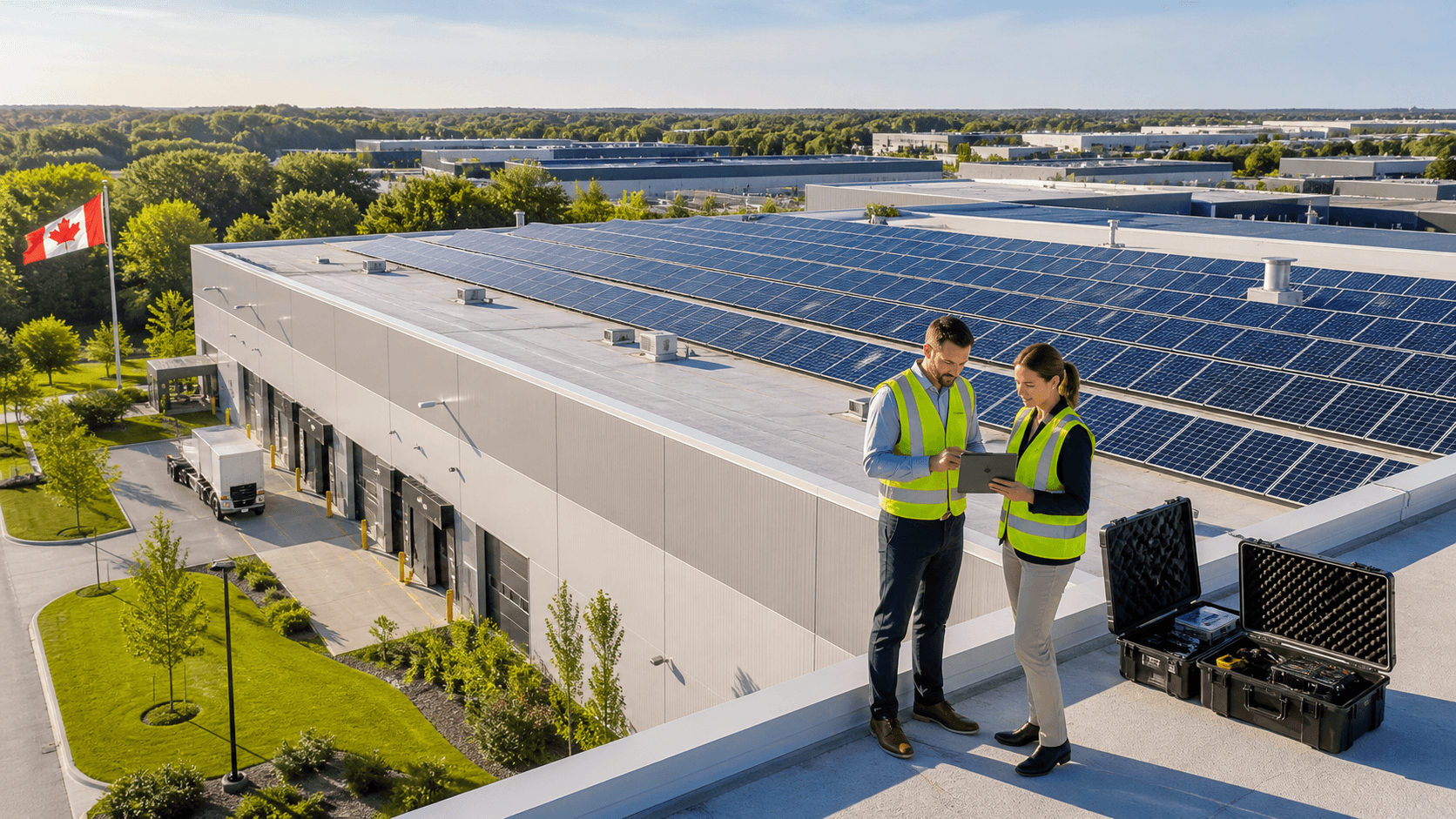
You will also want to document roof or land area, shading, roof age, structural capacity, and major obstructions. Canadian Solar panel dimensions and wattage affect how many modules fit, but the final layout must leave room for setbacks, walkways, fire-code access, racking, and roof features such as vents or mechanical equipment.
Fall is a smart time to organize this information. Before winter weather and year-end planning narrow installation schedules, you can inspect the roof, request professional proposals, review utility records, and prepare permitting or procurement plans. Getting these details in order early helps your team make decisions without rushing equipment selection.
Buy with Confidence Before Winter
For a residential-scale business, agricultural operation, remote site, cabin business, or energy-independent property, equipment guidance can be especially helpful. We can help you narrow down specifications, but commercial projects still call for coordination among qualified solar installers, electricians, structural professionals, and local permitting authorities.
Before finalizing a large module order, confirm:
- Current stock status and expected lead times
- Shipping requirements and pallet delivery details
- Damage-inspection steps at delivery
- Return policy requirements
- A documented equipment list and completed system design
Canadian Solar can be a sensible choice for commercial projects that need reliable modules, but site conditions and electrical needs should always guide the final selection. Bring together your utility bills, measurements, roof details, equipment plan, and preferred timeline before purchasing. Those practical details can reduce changes after ordering and keep the project focused on lasting value.
Compare Options With Confidence
Browse our commercial solar panels for sale to compare Canadian Solar modules with your project's performance and budget priorities in mind. At Green Vista Living, we help commercial buyers identify equipment that aligns with real-world system goals. If you would like help narrowing the options, contact us to discuss your project.