Storm-Proof Your Home Power Before the First Outage
Early October is a smart time to inspect your backup-power system before fall and winter weather puts more pressure on the grid. A properly configured Sol-Ark hybrid inverter can keep your priority circuits running when utility power drops, but only if the system is ready before the storm arrives.
We often see the same frustrating situation: the lights go out, then someone discovers the batteries are not charging, the refrigerator is not on the backed-up panel, or the inverter is not behaving the way they expected. These problems are often setup issues, not failed equipment. A pre-storm review can improve safety, protect battery performance, and help you feel more prepared when the forecast turns rough.
Any change involving panels, breakers, wiring, or electrical settings should be reviewed by a qualified installer or electrician. Backup power is too important to leave to guesswork.
Match Your System Design to Your Backup Goals
A common mistake is expecting a backup system to run every appliance in the house without first deciding what truly needs power during an outage. Your Sol-Ark hybrid inverter can only support the loads included in the system design and within the limits of the inverter, battery bank, and backup panel.
Start by thinking about what keeps your household safe, comfortable, and connected. For many homes, those priorities include:
- Refrigerators and freezers
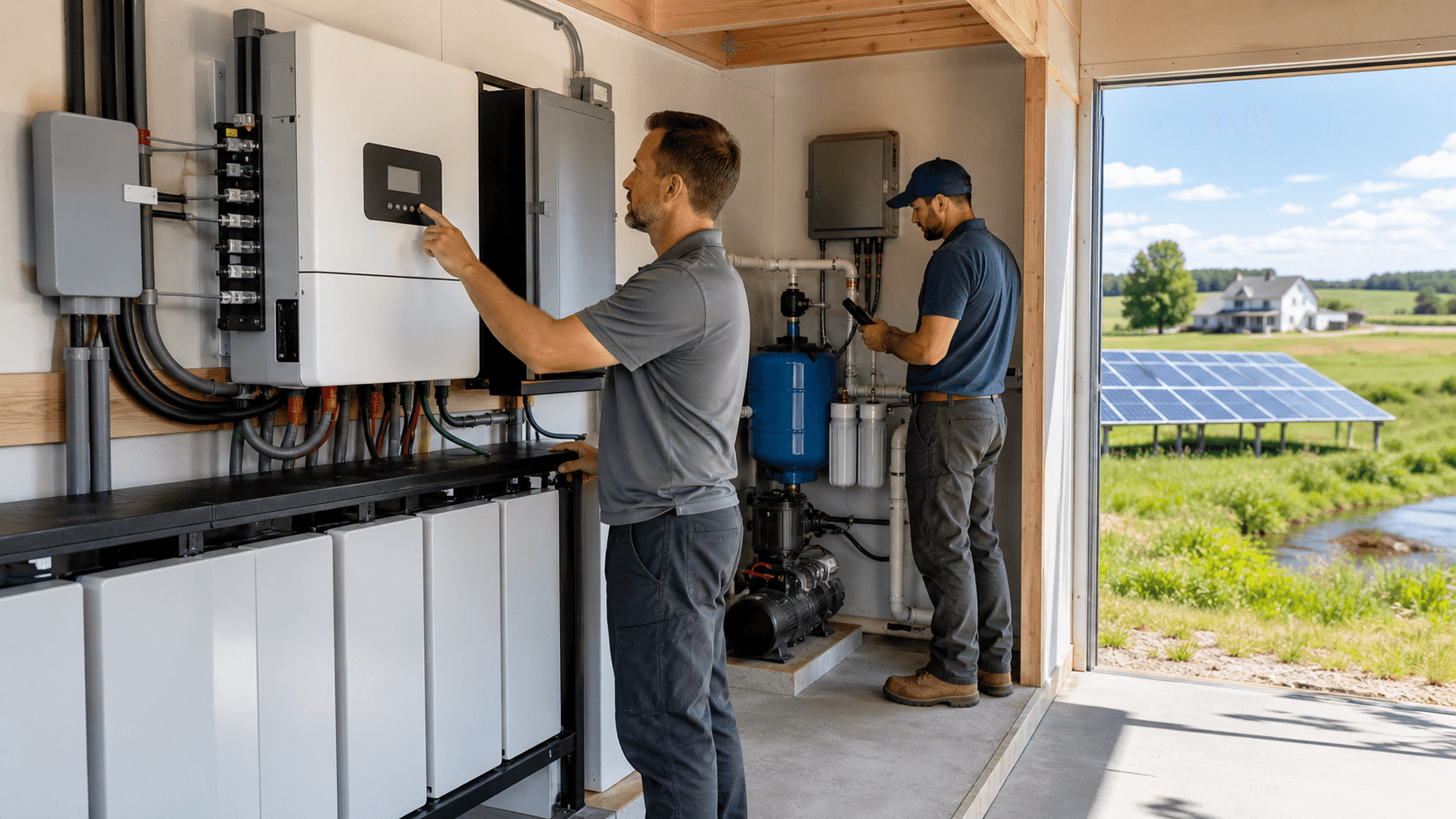
- Well pumps or sump pumps
- Medical equipment
- Internet equipment and phone charging
- Lights and selected outlets
High-demand equipment can change the picture quickly. Electric heat, central AC, electric water heaters, dryers, ovens, and similar appliances can drain stored battery power much faster than many people expect. A battery bank that handles a brief outage well may not provide the same experience during several cloudy days of stormy weather.
Separating priority circuits from nonpriority circuits is one of the clearest ways to protect your stored energy. We recommend reviewing the backup-load panel before storm season and confirming that the circuits you truly need are included. If a freezer, pump, garage door opener, or communications equipment is missing from the plan, finding out during an outage is never ideal.
Review Sol-Ark Hybrid Inverter Battery Settings
Battery settings deserve more attention than they usually get. If the wrong battery type is selected, communication settings are incorrect, or the battery-management system is not communicating properly with the inverter, you may see confusing state-of-charge readings or reduced battery performance.
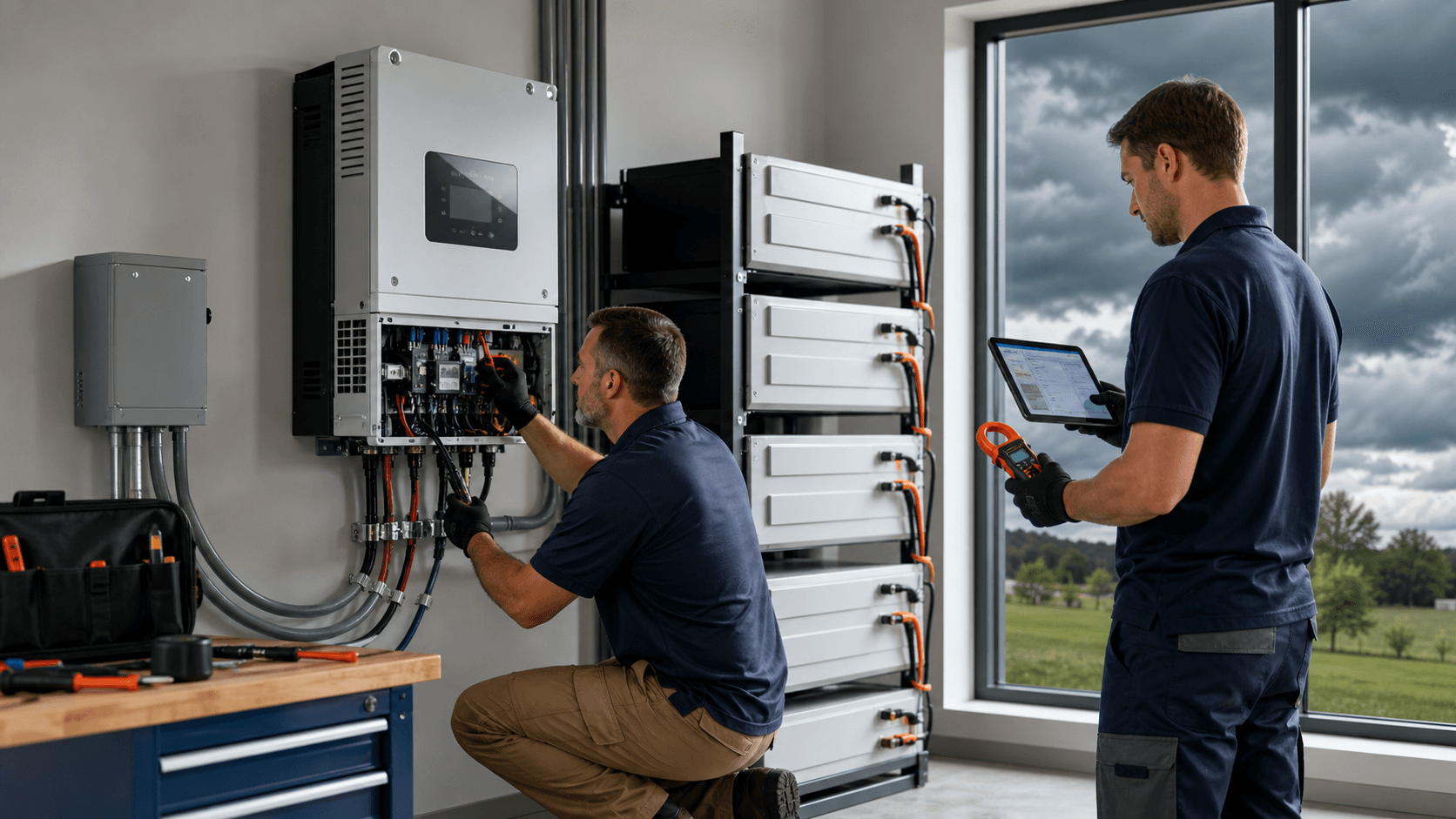
Your installer should confirm that the Sol-Ark hybrid inverter and battery bank are sharing the information they need. That includes checking for system notices, communication faults, and settings that do not match the battery manufacturer's requirements. A battery may appear charged when it is not, or the inverter may limit charging and discharging when it cannot read the battery correctly.
Charge and discharge limits also matter before a storm. Some systems are set up to support normal daily solar use, where the battery cycles regularly as solar production changes. That approach may not match your goal when severe weather is on the way. During a storm forecast, you may want to preserve more stored energy so the battery bank begins an outage with a stronger reserve.
Before the weather shifts, have a qualified professional review:
- Battery type and communication selection
- Battery state-of-charge reporting
- Charge and discharge limits
- Backup reserve level
- Active alerts or fault messages
A healthy reserve gives you more room for overnight use, cloudy conditions, and an outage that lasts longer than expected.
Eliminate Wiring and Breaker Configuration Errors
Sometimes the trouble is not in the inverter menu at all. Improperly sized breakers, incorrect conductor sizing, loose connections, and mislabeled circuits can lead to nuisance tripping, overheating, shutdowns, or weak backup performance. Those issues need professional attention, especially because service-panel work must meet local electrical requirements.
Clear labels are more helpful than they sound. When power is out and conditions are stressful, you should be able to tell which circuits are backed up and which are not. Confusing labels can lead someone to assume a circuit is protected when it is actually connected to normal grid power only.
Homes that pair a generator with solar and battery storage have another area to review. Generator input settings, generator capacity, fuel supply, and charging behavior all affect the overall backup plan. A generator that has not been tested recently may not start, may not supply enough power, or may not charge the batteries as expected during an extended outage.
Solar production also deserves a quick look. Problems with array strings, rapid-shutdown equipment, or connections may stay hidden during bright weather, then become obvious when clouds limit solar energy. We suggest reviewing your monitoring platform for unusual production patterns before storm season rather than waiting for low-output days to reveal a problem.
Test Your Sol-Ark Hybrid Inverter Before Severe Weather
A controlled outage test is one of the best ways to confirm that your backup plan works in real life. With a qualified professional's guidance, test whether the system transitions from grid power to battery backup correctly and whether the priority circuits stay energized.
Do not stop after confirming that a few lights turn on. Real readiness means checking the equipment your household may depend on during a storm. Test realistic loads, while staying within the system's design limits, such as:
- Refrigerator and freezer operation
- Sump pump or well pump performance
- Internet equipment and device charging
- Garage door operation
- Selected lighting and outlet circuits
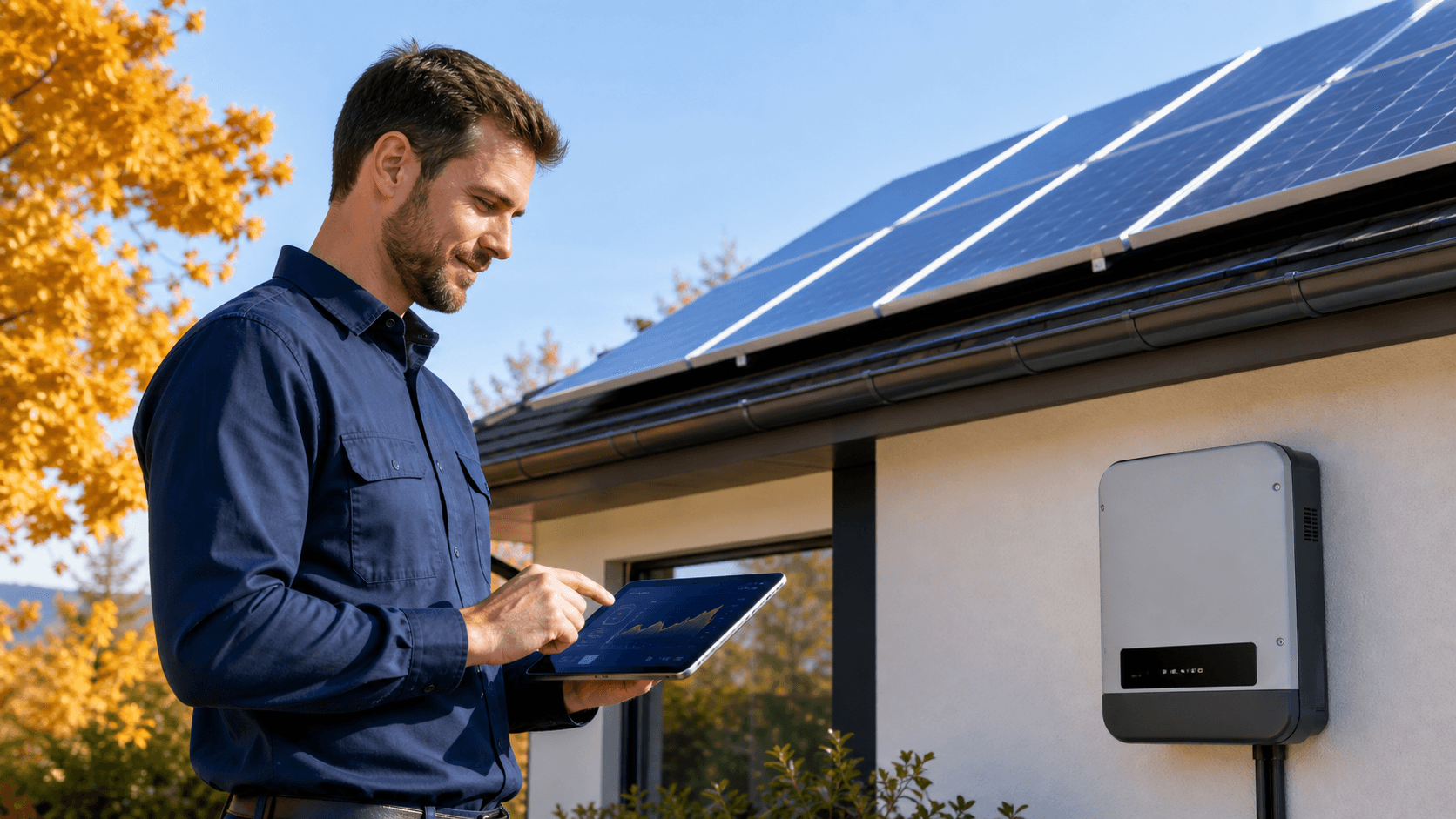
Monitoring is part of storm readiness, too. Make sure you can view battery state of charge, solar production, grid status, and fault notifications. This is especially helpful for a cabin, workshop, or remote property that may not be occupied when the utility power fails.
Prepare Your Seasonal Backup-Power Checklist
Storm-season confidence comes from preparation, not assumptions. A simple seasonal checklist can help you track your battery level, backup reserve, current settings, priority circuits, solar output, generator readiness, and any alerts that need attention. Keep a record of what the system looked like when it was working normally, since that can make later troubleshooting less stressful.
Use that checklist before each major weather event, and update it whenever household loads or equipment change. Knowing your priorities, reserve level, and system limits makes outage decisions clearer when grid power is unavailable.
Get Confident With Your Backup Power Setup
At Green Vista Living, we can help you choose a Sol-Ark hybrid inverter that fits your household's backup power goals. Our team can also help you compare compatible components and understand the features that matter for your system. If you have questions before making an upgrade, contact us for personalized guidance.