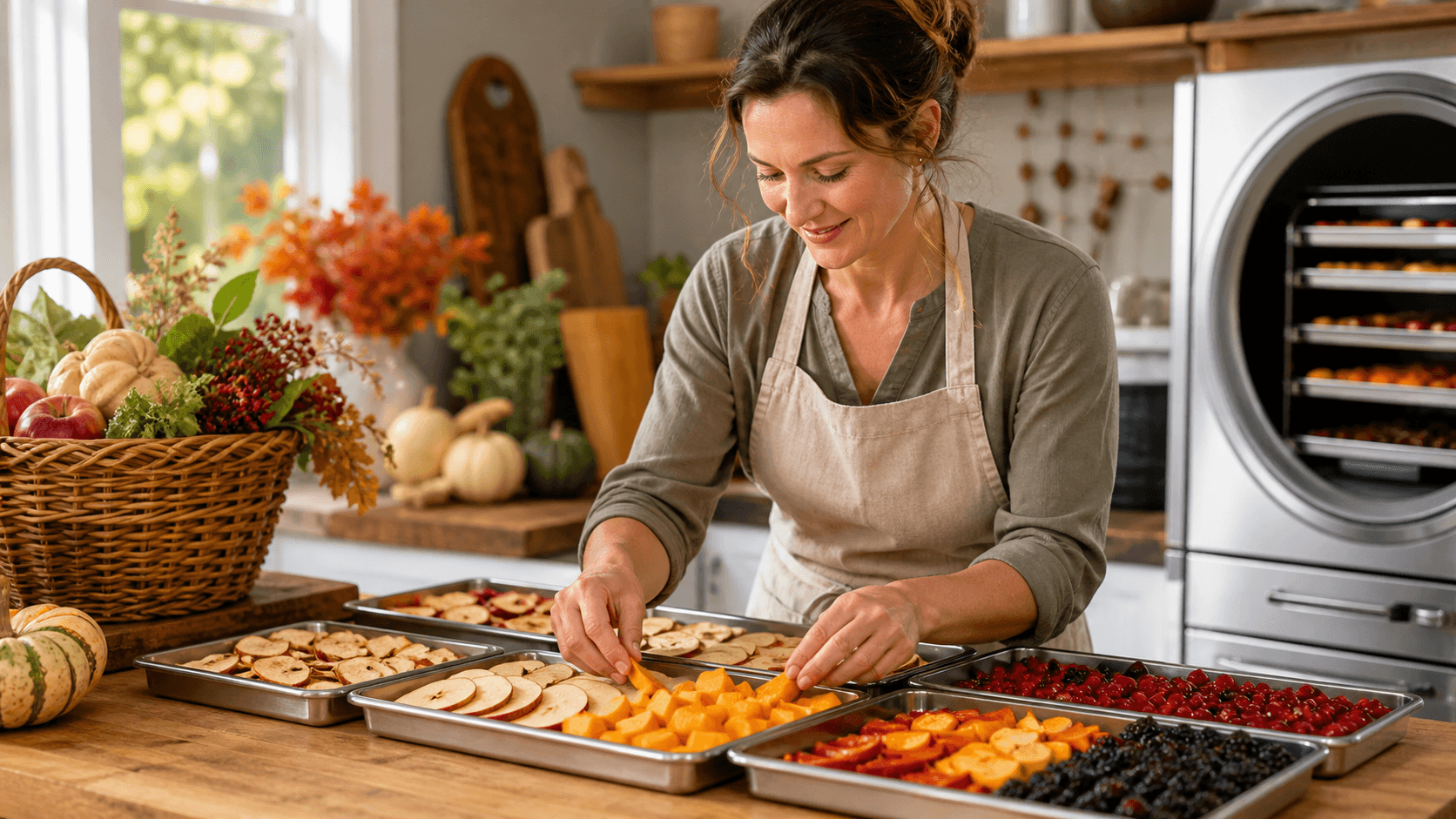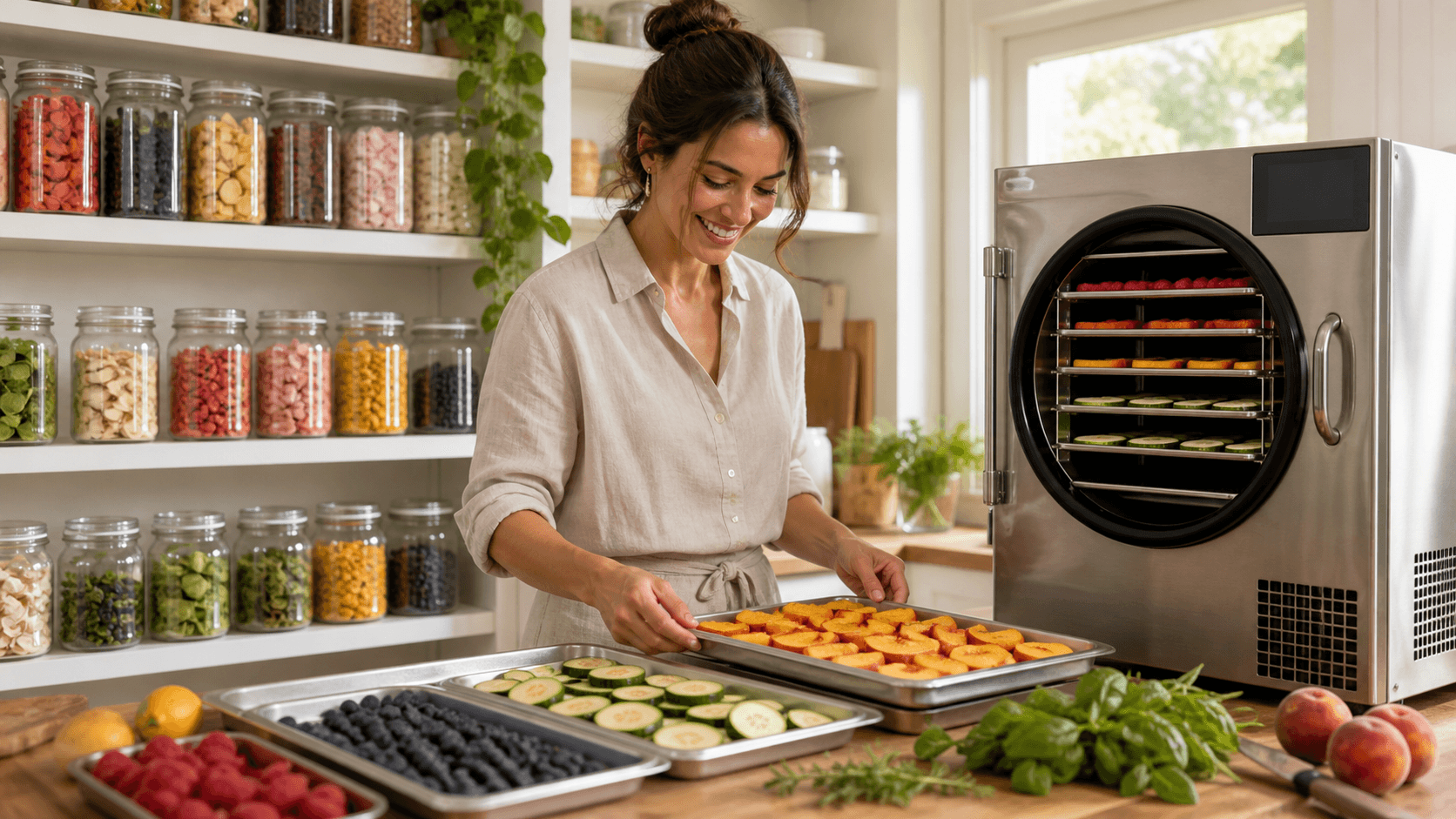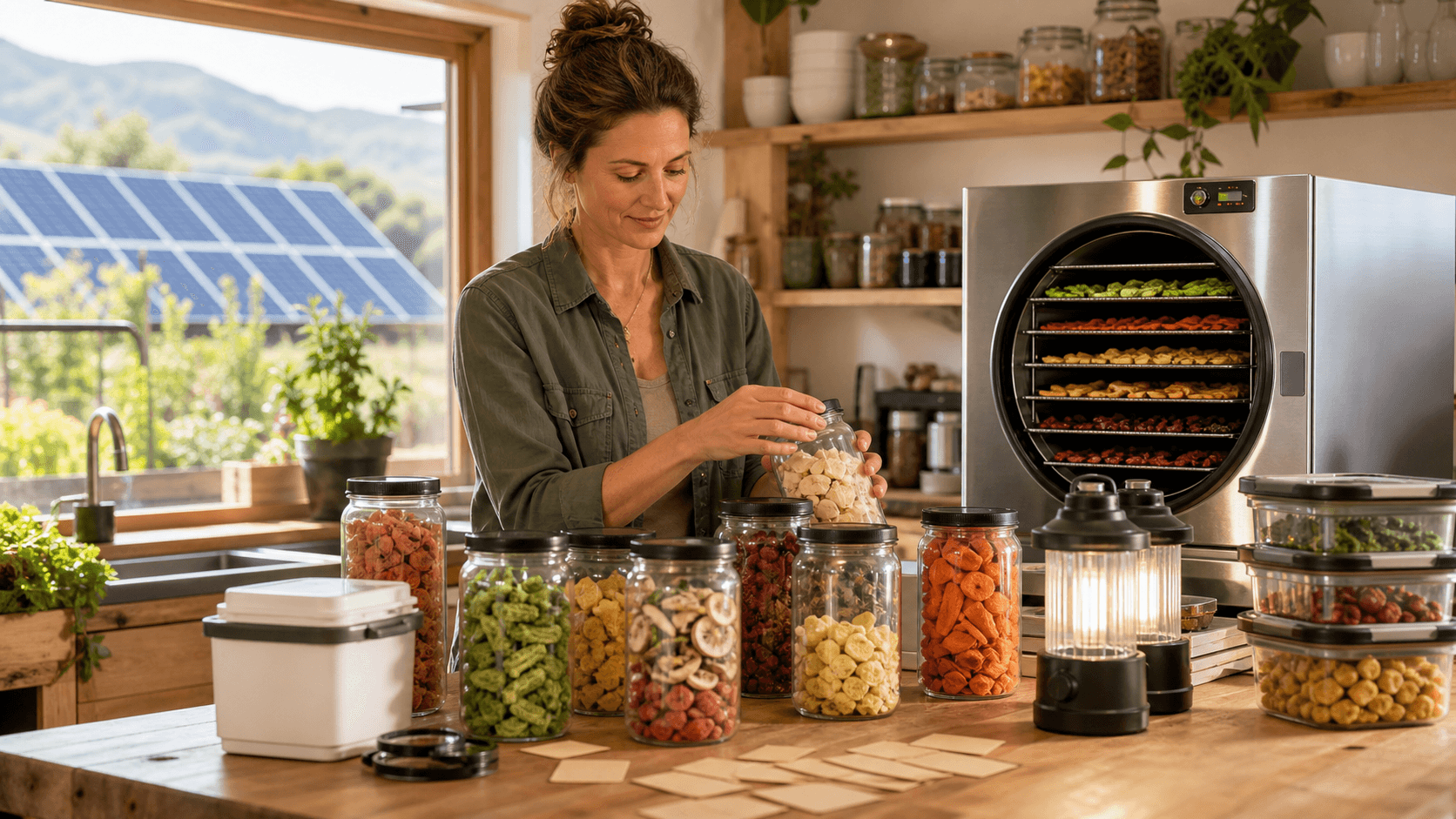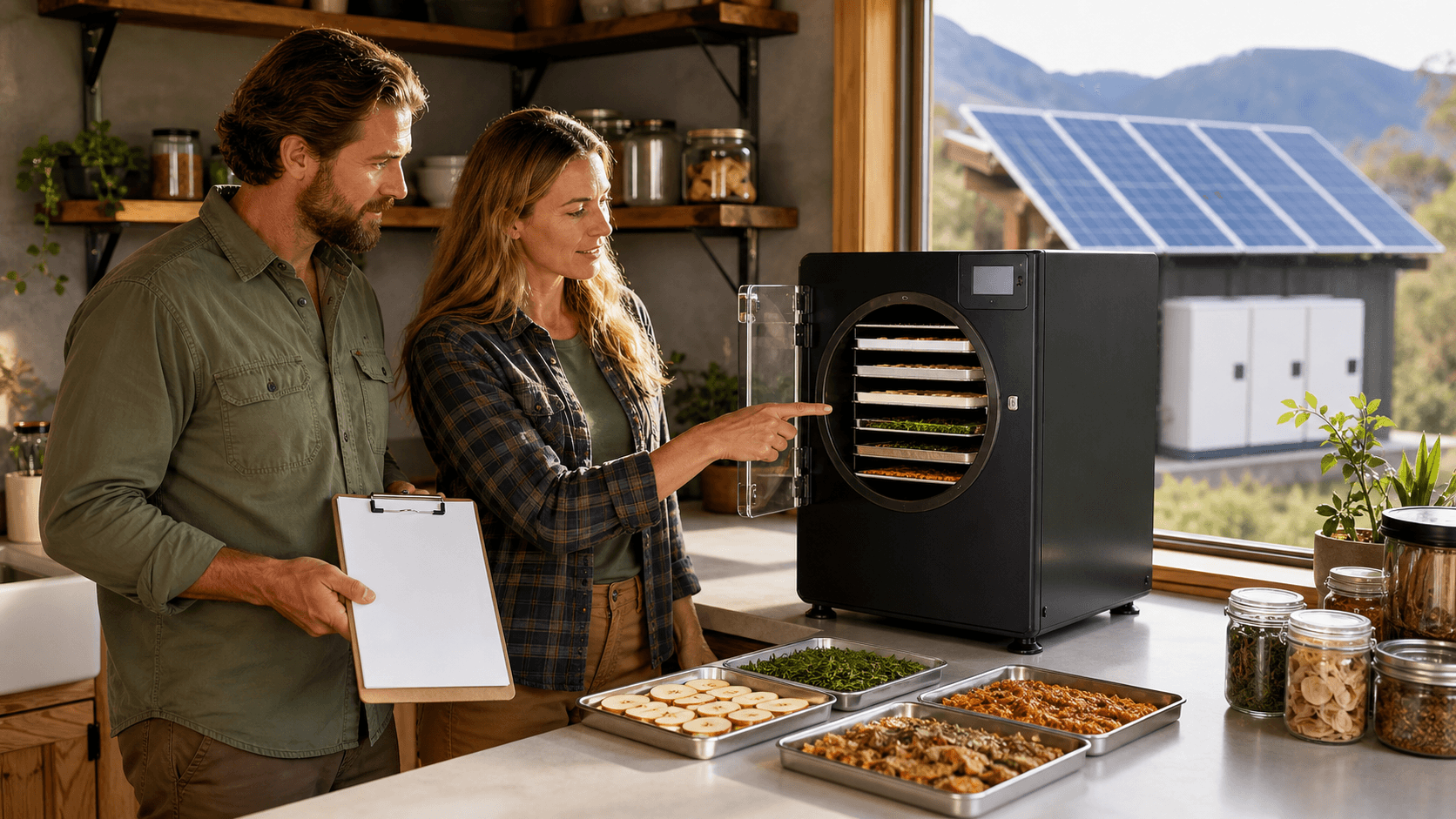
A home freeze dryer can be a powerful tool for an off-grid life. It lets us lock in the taste and nutrition of our food for years without needing a freezer. The big question is not if freeze dryers work, but if they fit our power system, schedule, and goals for food security.
Right now, in the heat of July, gardens are exploding, farmers' markets are packed, and hunting season is right around the corner. This is when many of us start to worry about food going to waste or freezers getting too full. We will walk through how freeze dryers work off grid, what they need for power, what they can preserve, and how to tell if one truly fits your homestead or cabin.
Storing Summer Harvests for Winter Peace of Mind
July is when the tomatoes, berries, and beans start coming on hard. Prices at markets are usually lower, and bulk buys are easier. It is also the perfect time to decide if a freeze dryer belongs in your off-grid setup, before fall hits and food starts backing up in fridges and freezers.
A home freeze dryer is different from a dehydrator or canning. In simple terms, it:
- Freezes the food solid
- Pulls a vacuum so water turns from ice to vapor
- Gently warms it so the ice leaves without cooking it
That process tends to produce food with a light, crispy texture that is often close to fresh when rehydrated. It can also retain more nutrients compared to many high-heat methods, and it offers a very long shelf life when packed and stored correctly.
For those living off grid or semi off grid, the real question is whether a freeze dryer makes sense for our power use, our budget, and the way we like to eat. At Green Vista Living, we focus on off-grid power systems, storage, and indoor environment gear that can help keep a freeze dryer running steady, even in remote locations.
How Home Freeze Dryers Actually Work Off Grid
Freeze drying happens in stages. The machine:
- Freezes the food on trays.
- Uses a vacuum pump to lower pressure.
- Gently warms the food so the ice leaves as vapor.
Because the water is pulled out at low temperatures, flavors stay bright, and textures can bounce back when you add water. When the food is properly packed in sealed containers with oxygen protection and stored in a cool spot, it can last for many years.
Off grid, the process looks a bit different in practice. Power draw can be steady for long stretches, from freezing through drying, and a single cycle can run for a day or more (sometimes much longer for dense or fatty foods). That means your solar, batteries, and backup power all need to be ready for long runs rather than short bursts.
You also need to think about the surrounding setup. You will need a plan for water management because the machine creates condensate that needs to drain into a container or line. Room conditions matter too: units tend to like moderate rooms rather than blazing hot sheds, and too much humidity in the room can slow drying times. Finally, there is the practical side of noise and placement, these machines hum like a small appliance, so many people place them in utility rooms, outbuildings, or corners of a garage or cabin.
Powering a Freeze Dryer on Solar and Batteries
For off-grid homes, the biggest factor is energy. Every freeze dryer has a certain energy use per batch, so to plan your system you want to translate that into solar and storage needs. Start by thinking through:
- How many batches per week you want to run in peak season
- How long each batch tends to run for the foods you like
- How much extra solar you have on long summer days
A simple way to look at it is this: if your system easily covers your normal home loads on sunny days, plus has extra power sitting unused by midday, a freeze dryer might be a smart way to soak up that surplus and turn it into food security. In winter, when days are short and power is tighter, you might slow your freeze-drying schedule or lean on a generator for backup.
System design tips many off-grid families consider include:
- Using an inverter that can handle the freeze dryer's starting surge
- Pairing the unit with lithium batteries that like frequent cycling
- Keeping a backup generator ready for long or critical batches
At Green Vista Living, we focus on solar, batteries, and related off-grid components that can support steady, predictable loads like freeze dryers, even when the weather is not perfect.
Cost, Savings, and Realistic Payback
A home freeze dryer is not a small purchase. On top of the unit itself, you might want:
- Extra trays and racks
- Pre-filters and oil filters for certain pumps
- Oil-free pumps, depending on your setup
- Power system upgrades like more panels or larger batteries
There are ongoing costs too. Off grid, that includes wear on your solar and batteries, any fuel used for generator backup, and occasional maintenance items.
On the savings side, people often look at:
- Preventing garden produce from going bad
- Preserving meat from hunting and bulk buys
- Avoiding loss from freezer failures or outages
- Replacing store-bought freeze-dried meals with home versions
Payback is not the same for everyone, and it depends heavily on how much you preserve and how you eat. It usually makes more sense when you grow or buy large amounts of fresh food, cook from scratch often, and value long-term storage, and live far from town and want a deep pantry of ready meals. For very light users who only store a few items each year, the payback might feel slow.
What You Can Preserve and How You Will Use It
One reason people love freeze dryers is the range of foods they can handle. Many households use them for:
- Garden fruits and vegetables
- Dairy and eggs
- Meats and broths
- Full meals and leftovers
- Backpacking and hunting meals
- Dog treats, baby food, and special diets
Off grid, this opens up a lot of options. Freeze-dried food can become lightweight meals for bug-out bags or emergency kits, simple heat-and-eat food at a remote cabin with limited refrigeration, and reliable trail food for hunting trips and long hikes. It can also serve as a long-term backup for when stores are hard to reach.
For storage, many people choose:
- Mylar bags with oxygen absorbers
- Glass jars with good lids
- Cool, dark storage spaces like pantries or indoor closets
Different foods have different realistic shelf lives, but with low oxygen and low light, many will stay tasty far longer than frozen or canned versions.
When a Freeze Dryer Is Worth It Off Grid
A freeze dryer tends to fit best when:
- You grow or buy food in bulk year-round
- You are serious about prepping and deep storage
- You have a full-time off-grid or semi off-grid home
- You hunt or fish and bring home a lot of meat
- You live far from grocery stores or have unreliable power
It may not be the best fit if your household is very small and eats mostly fresh or simple shelf items, your power system is very limited with no plans to expand, or you rarely cook whole foods and do not enjoy preserving.
Freeze dryers also are not a replacement for everything else. Many off-grid families treat them as one part of a layered food plan that also includes:
- Canning
- Dehydrating
- Root cellars
- Chest freezers with backup power
Used together, these tools give you more flexibility and resilience.
Building Your Off Grid Freeze Drying Game Plan
If you are thinking about adding a freeze dryer, it helps to slow down and make a simple plan. Start with:
- Assessing your current solar, batteries, and backup power
- Deciding how much food you truly want to preserve each year
- Estimating how many batches per week you will run during harvest and hunting seasons
- Choosing a unit size that fits your lifestyle and space
Once you have that outline, use the rest of summer to tune your power system, clear a spot with good ventilation, and set up storage for finished food. That way, when produce and meat are at their peak, you are ready to start building a pantry that works for the long term. At Green Vista Living, we live and work in off-grid-focused communities, and we care deeply about helping people match freeze dryers, solar systems, and storage tools to real-world off-grid life.
Preserve More, Waste Less, and Take Control of Your Food Storage
Ready to turn seasonal harvests and bulk buys into long-lasting, shelf-stable food? Explore our range of freeze dryers to find the right fit for your home and lifestyle. At Green Vista Living, we help you make food storage simpler, safer, and more sustainable. If you have questions or want personalized guidance, just contact us.