Why Dome Design Details Matter Off-Grid
Living off grid in a dome in fall sounds cozy, but comfort does not happen by accident. Cool nights, shorter days, and wet weather will quickly expose weak design choices. If the dome leaks heat, sweats with condensation, or flexes in strong wind, you feel it fast. A pretty structure is not enough when the temperature drops and the sun hides for days.
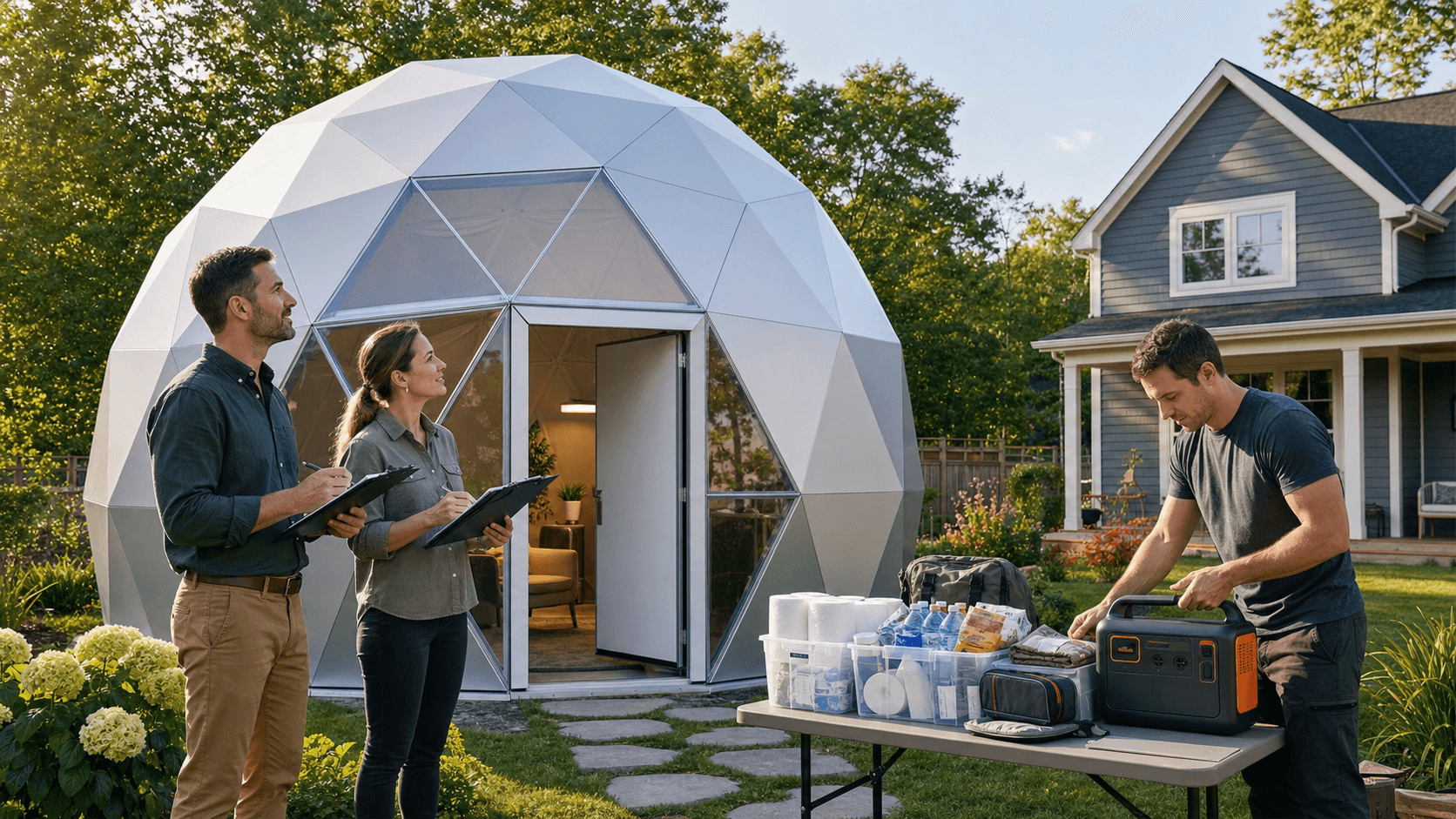
Geodesic domes are popular with cabin owners, homesteaders, and backyard retreat builders because they are strong, light for their size, and have a fun, organic look. The geometry spreads loads across many members, so you get a stable shell from relatively little material. But not all geodesic domes for sale are built with off-grid living in mind. Small details in framing, insulation, and how you plan power and water will decide if your dome is a three-season hangout or a true shoulder-season shelter.
At Green Vista Living, we focus on the real-world details. We care about how the dome feels on a cold, wet night; how well it stands up to snow and wind; and how simply it ties into solar, water, and air systems. Let us walk through the main design choices that matter before you invest.
Structural Choices That Boost Strength and Safety
The geodesic shape naturally spreads stress, but the actual frame is what stands between you and the weather. Tubing material, wall thickness, and connection style all affect how your dome handles strong gusts, ice, and heavy, wet snow.
Key structure details to think about for off-grid sites are:
- Frame material and size, like steel or aluminum and the diameter and gauge
- Hub and fastener design and how tightly they lock the triangles together
- Protective coatings that resist rust, especially in wet or coastal areas
- Anchor systems that tie the dome into the ground or foundation
For fall and winter, snow and wind loads become more serious. A dome meant for backyard summer parties might not have the same ratings as one designed for mountain cabins. You want clear guidance on:
- Snow load ratings for your expected climate
- Wind speed ratings and bracing patterns
- Approved foundations like piers, posts, screw piles, or raised decks
- Ground anchors or brackets that work with your soil type
Layout choices also add to strength. Door and large window openings should have extra framing so they do not become weak points. A small vestibule or mudroom near the main entry helps keep heat in and gives you a buffer zone for wet coats and boots. If you plan solar panels or a rain catchment roof on a nearby structure, think about how loads transfer so you are not stressing one side of the site more than the other.
When comparing geodesic domes for sale, look for real engineering details, not just pretty renderings. Rated loads, basic drawings, corrosion protection info, and climate notes will tell you a lot about long-term safety.
Insulation, Glazing, and Thermal Comfort Off Grid
Shoulder season is when bad dome shells show their limits. Warm days and cold nights create big swings. Low sun angles mean you get less free heat. You spend longer hours inside, often without grid power to make up for weak insulation.
Common shell types each have pros and cons:
- Single-layer PVC or fabric covers, fast to set up, light, but little insulation
- Multi-layer insulated covers, better R-value and reduced drafts
- Rigid panels, higher insulation potential and more solid feel, but more complex to install
R-value, air tightness, and thermal bridging all affect comfort. Anywhere the frame touches inside air without a thermal break can pull heat out. Gaps in the cover or around doors and windows let cold wind sneak in and moisture sneak out in the wrong places.
Glazing strategy matters more than most people think. Clear panels are great for daylight and solar gain, but too many can cool the dome at night and overheat it in summer. Smart choices include:
- Place most glazing on the south side for passive solar gain
- Keep large clear sections away from where you sleep, to avoid cold drafts
- Use smaller, well-placed windows on the north side mainly for light and views
Ventilation is a big piece of thermal comfort. Without a plan, domes can collect condensation on the inner shell. We like to see:
- A high roof vent to let warm, moist air escape
- Low operable windows to pull in fresh air when needed
- Controlled air inlets that you can close on very cold nights
- Mechanical fans or even a small heat recovery ventilator for tight, insulated domes
The goal is to move air enough to stay dry and healthy without dumping all your hard-earned heat.
Power, Water, and Air Systems Built Into the Dome
A dome that looks great but has no clean way to route pipes, wires, and vents can be a headache. Off-grid buyers are wise to think about systems before they choose a model.
For power, consider where solar wiring will run and where the main equipment will live. Common design points include:
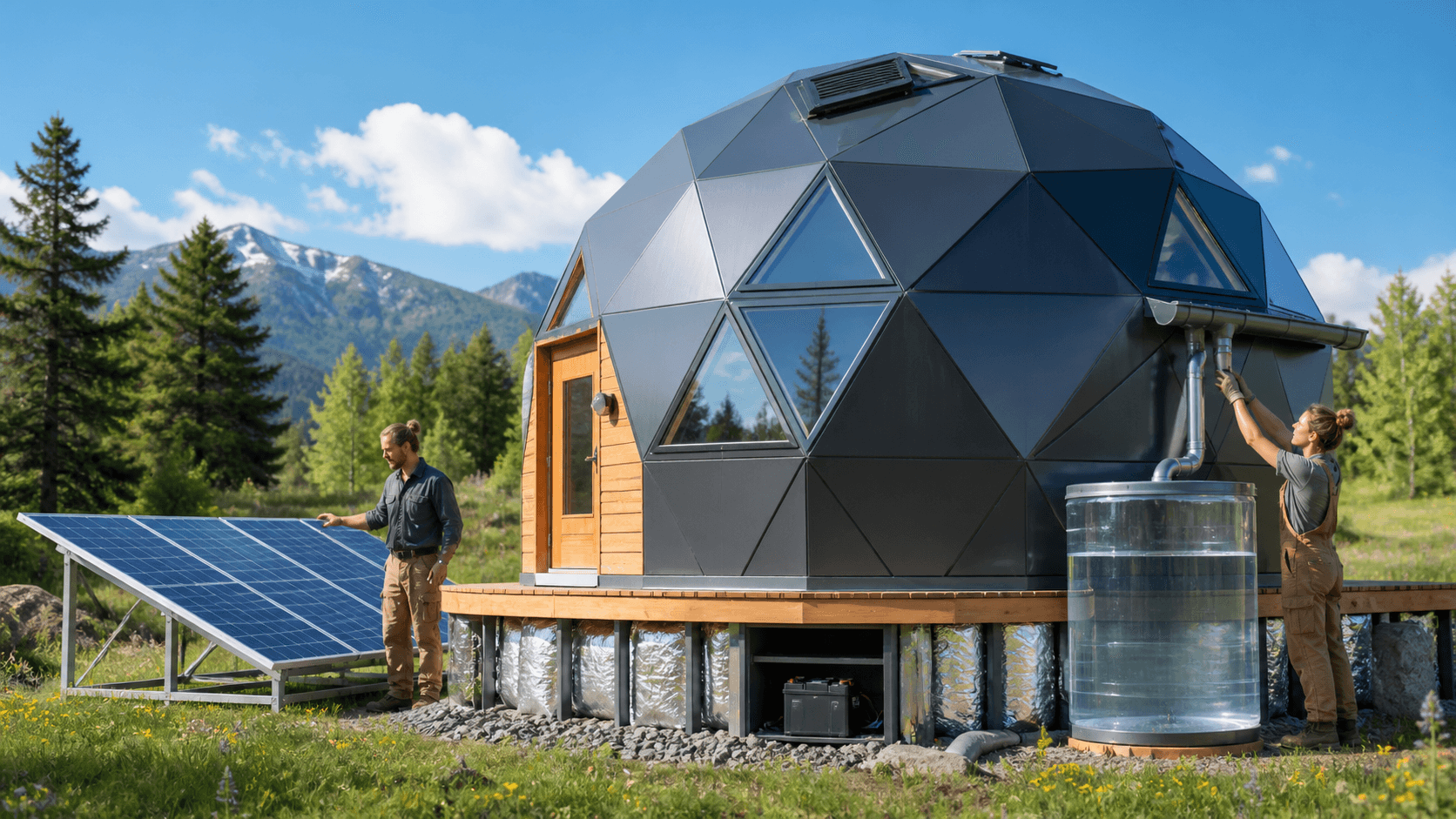
- Separate ground-mounted solar arrays for best tilt and access
- A small equipment nook inside the dome for batteries, inverter, and charge controller
- Short, well-protected wire runs between the array, equipment, and loads
- Thoughtful, sealed wall or floor penetrations for cables
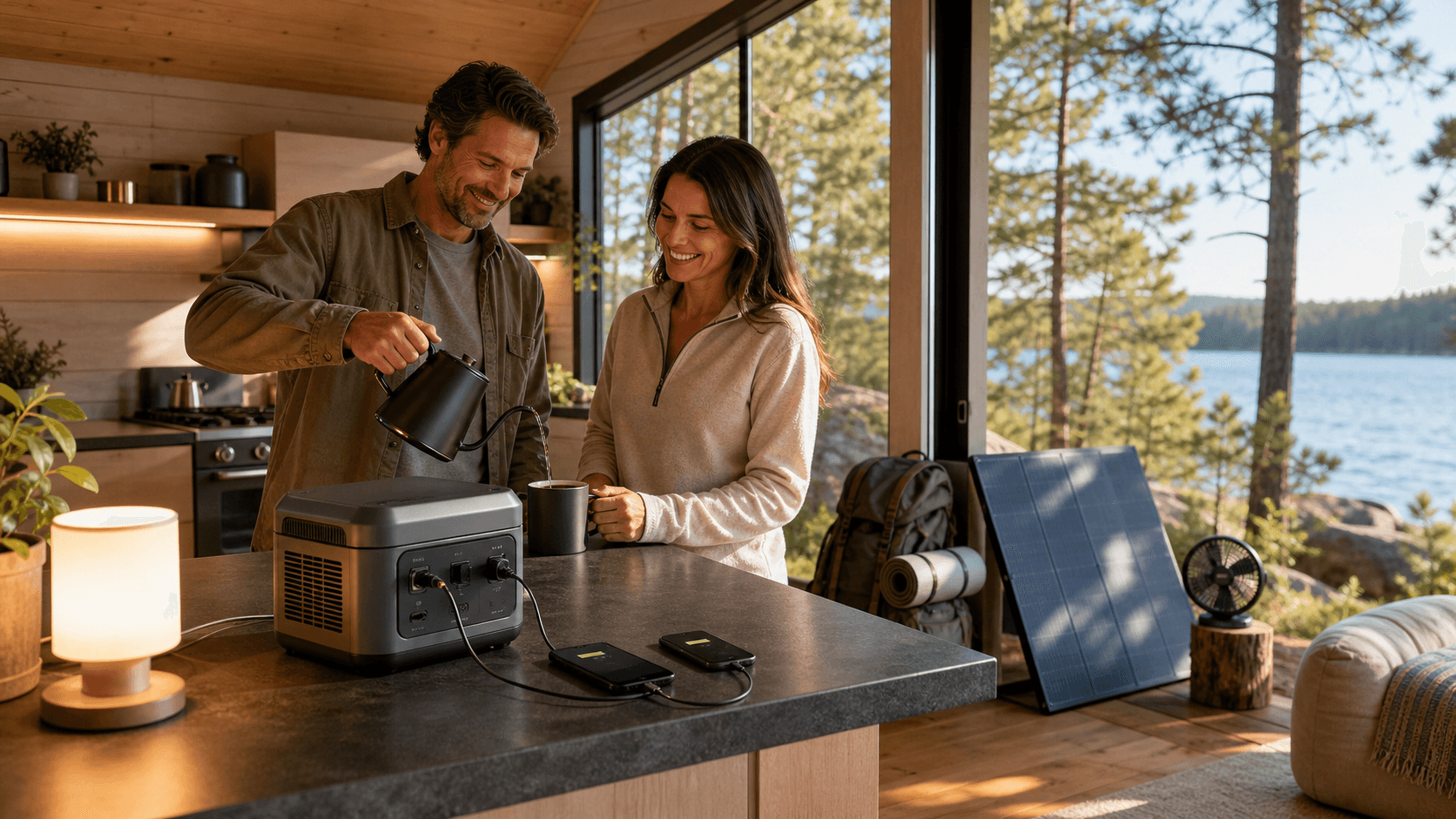
Sizing solar and batteries for fall and winter often means planning for more storage and some cloudy days. Dome living can be efficient, but heat, lights, and small appliances still draw power.
On the water side, plan how you will:
- Collect rain from nearby roofs or small sheds
- Route supply lines where they will not freeze, such as within the insulated envelope
- Place graywater outlets downhill and away from sleeping areas
- Protect storage tanks from extreme heat and cold with shade or partial burial
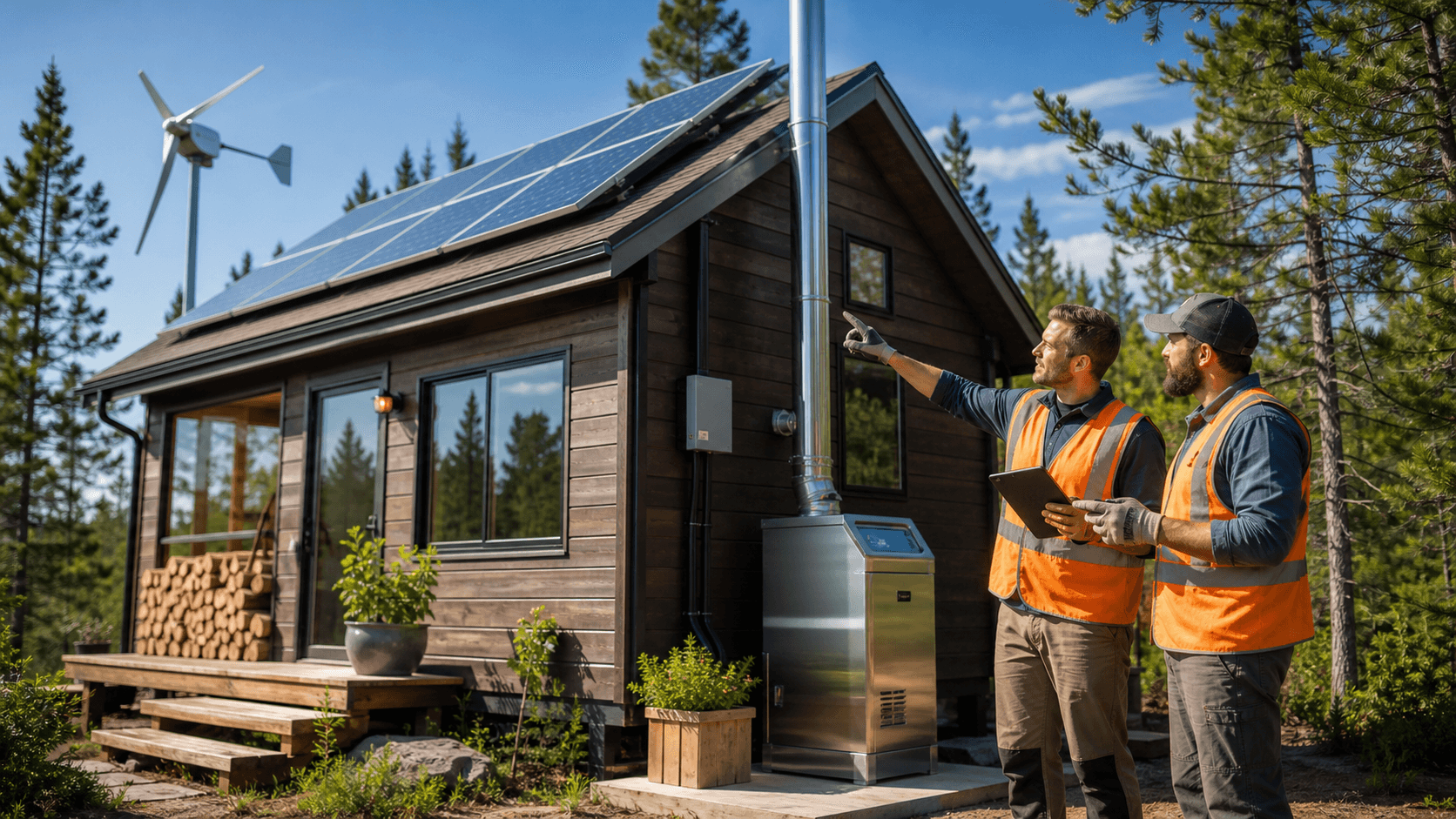
Air quality and heating wrap it all together. Many off-grid domes use wood stoves, small direct-vent heaters, or efficient electric or infrared units powered by solar and battery. Each option needs safe routing for chimneys or flues through the dome shell, with proper clearances from fabric or panel materials. In a tight dome with good insulation, simple air filtration also helps keep smoke, dust, and pollen in check.
Layout, Zoning, and Daily Life Usability
A dome is not a box, and that changes how daily life feels. The curved walls and triangular structure can be freeing or frustrating, depending on how you plan the space.
A few layout ideas we often share are:
- Keep sleeping areas away from doors and main traffic paths
- Cluster kitchen and bath near each other to shorten plumbing runs
- Use partial walls, curtains, or lofts to create warmer inner zones
- Reserve the best headroom for active areas like cooking and working
Zoning the interior also helps with comfort. You can think in terms of thermal zones. Warmer, inner spaces for sleeping and relaxing, cooler edge spaces for storage, gear, and entry. If you add a loft, remember that warm air rises, so it can be the coziest or stuffiest spot depending on your venting and heating mix.
Flooring choices matter too. Good subfloor insulation keeps toes warm and limits heat loss into the ground or deck. Durable, easy-to-clean top flooring is a gift when you track in mud, snow, and leaves. Built-in benches and cabinets that follow the dome curve can give you storage without wasting precious floor space. Thoughtful lighting with a mix of overhead, task, and soft accent lights keeps the round room feeling balanced and calm.
All these choices add up to lower heating needs, simpler plumbing, and a space that feels organized instead of cramped.
How to Evaluate Geodesic Domes for Sale with Confidence
When you compare geodesic domes for sale, it helps to have a simple checklist. Focus on:
- Structural specs, including tubing size, material, and load ratings
- Cover and insulation options that match your climate and season goals
- Climate notes for wind, snow, and temperature ranges
- Warranty, support, and clear setup guidance
- Compatibility with solar, water, and air systems you plan to use
Think seasonally and long term. Ask yourself not just if the dome will feel nice on a mild fall weekend, but if it will still feel solid, dry, and efficient after many cold, wet seasons. At Green Vista Living, we curate domes and off-grid systems with this long view in mind, pairing structures with power, water, and air solutions that work together instead of fighting each other.
Taking time upfront to match your site, climate, and comfort level with the right design details will pay you back every chilly night the dome stays warm, quiet, and welcoming.
Start Building Your Sustainable Dome Lifestyle Today
Explore our curated selection of geodesic domes for sale and take the next step toward a more resilient, eco-friendly way of living. At Green Vista Living, we help you match the right dome system to your climate, space, and long-term goals so your project starts strong. If you have questions or need guidance on sizing, setup, or customization, just contact us and we will walk you through every detail.