A home geodesic dome in your backyard is not just a fun project. It can be a real backup living space when the grid is shaky, storms roll through, or housing feels tight and expensive. Many homeowners want a flexible Plan B that is close to home, not a distant cabin they may not reach when roads are closed.
In this guide, we walk through what a home geodesic dome actually is, how to think about your goals, what your property and climate demand, and how to make the inside safe, comfortable, and powered. By the end, you will have a clear sense of whether a dome fits your life or if another backup option makes more sense.
Why a Backyard Geodesic Dome Can Be a Lifeline
A home geodesic dome is different from a party tent or a simple greenhouse. These domes are usually larger, semi-permanent structures you can furnish and use like a small room or cabin. Common uses include:
- Guest bedroom or mini bunkhouse
- Home office or creative studio
- Short-term emergency shelter
- Quiet retreat for reading or work
Most home domes range from small sleep pods to roomy spaces big enough for a small family to camp in for a stretch of time. They are not just decor pieces; they can be real living space if you plan them with care.
Our goal here is to help you decide if a backyard dome can serve as backup living space, not just a novelty. That means thinking about power, weather, comfort, and safety, not only how pretty it looks on social media.
Clarifying Your Goals for a Home Geodesic Dome
Before you look at dome sizes or covers, it helps to be honest about what you want it to do. Most people fall into one of three main use cases:
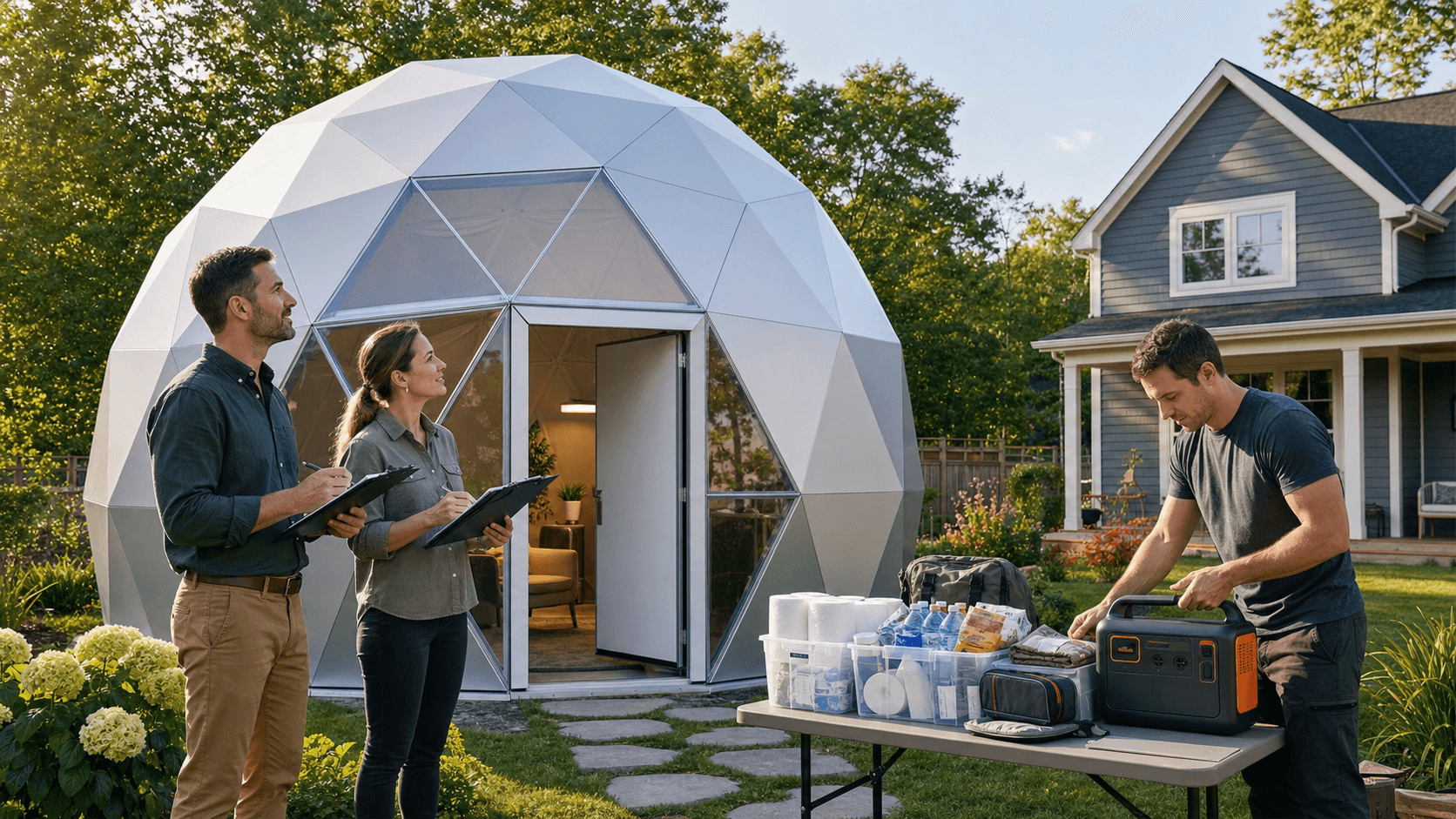
- Emergency shelter during outages, smoke, or short-term events
- Seasonal dwelling, like a summer or shoulder season cabin
- Year-round support space, almost like a small ADU
Write down your non-negotiables. A few helpful questions:
- How many people need to sleep here comfortably?
- How much privacy do you need from the main house and neighbors?
- Where will you use the bathroom?
- Will you cook inside the dome, outside, or not at all?
- How long should the dome work on its own if the house is not usable?
Your answers drive key design choices. Higher use and longer stays usually call for better insulation, a larger frame, more structured interior layout, and solid off-grid systems like solar kits, battery backup, and thoughtful water options. As an off-grid and outdoor living store, we see that clear goals up front make every later decision easier.
Space, Site, and Climate Considerations Before You Buy
Not every yard is ready for a dome right away. You will need a clear, level space and enough room to move around the dome for setup and maintenance. Think about:
- Access for delivery and assembly
- A level or easily leveled platform spot
- Safe distance from trees and large limbs
- Space from property lines and other structures
Orientation matters too. Many people like to face the largest dome windows toward the best view and good sun, then add shading where needed. In warm early summer weather, you want plenty of airflow. At the same time, it pays to plan ahead for fall and winter with insulation, covers rated for your local snow or rain, and proper anchoring.
Make a simple local checklist: how strong are winds on your property, does heavy rain pool in certain areas, what is your soil like for anchors, and how visible will the dome be from the street or nearby homes? A good site balances safety, privacy, solar gain, and daily convenience.
Comfort, Safety, and Power Inside a Backup Dome
Comfort is not just a luxury when you are stressed from a power outage or extreme weather. In a fabric or composite dome, temperature control and airflow matter a lot. Options often include:
- Insulation liners or double-layer covers
- Roof vents and low vents for passive airflow
- Small fans for air movement
- Safe portable heaters or cooling units suited to the structure
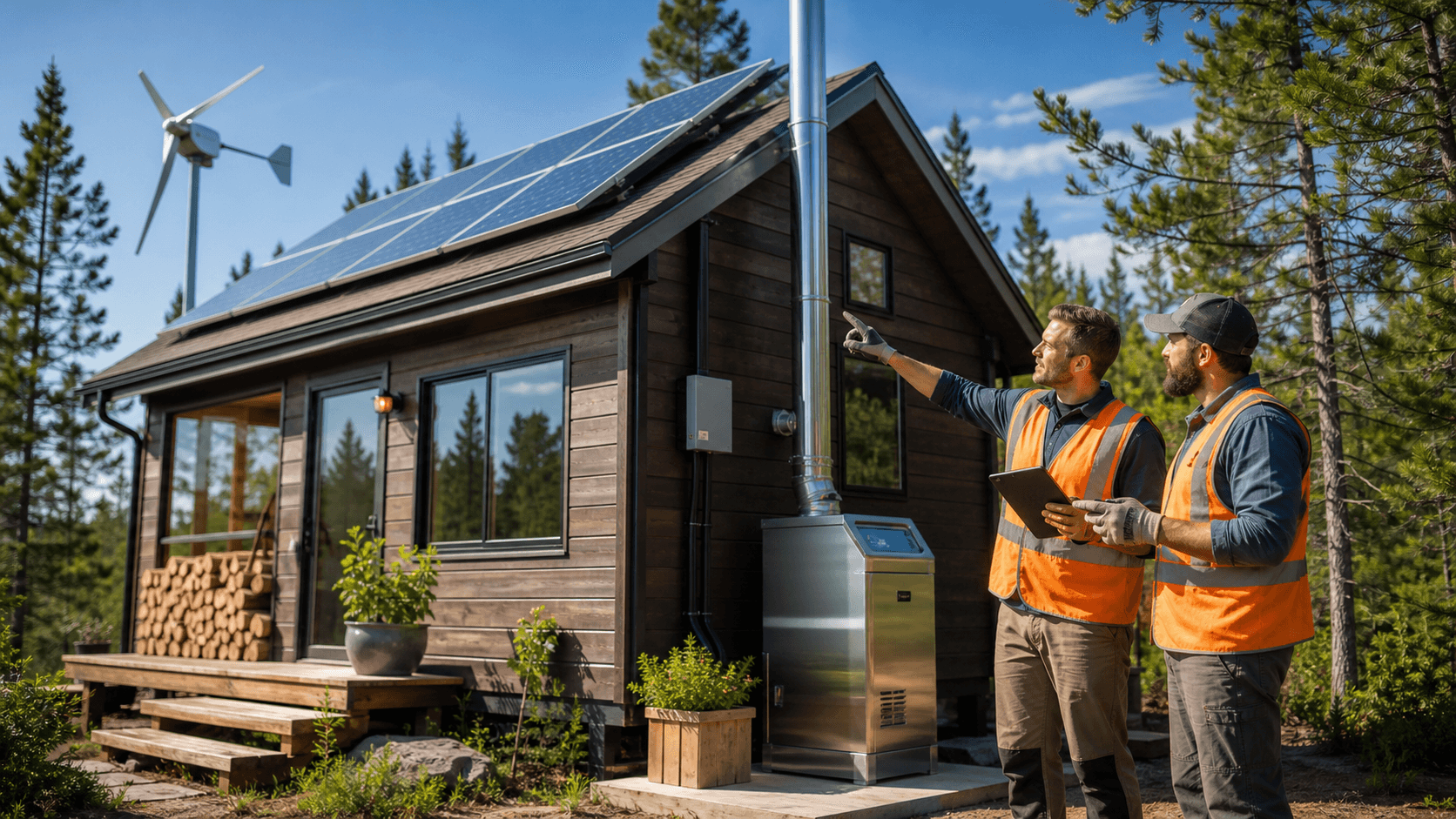
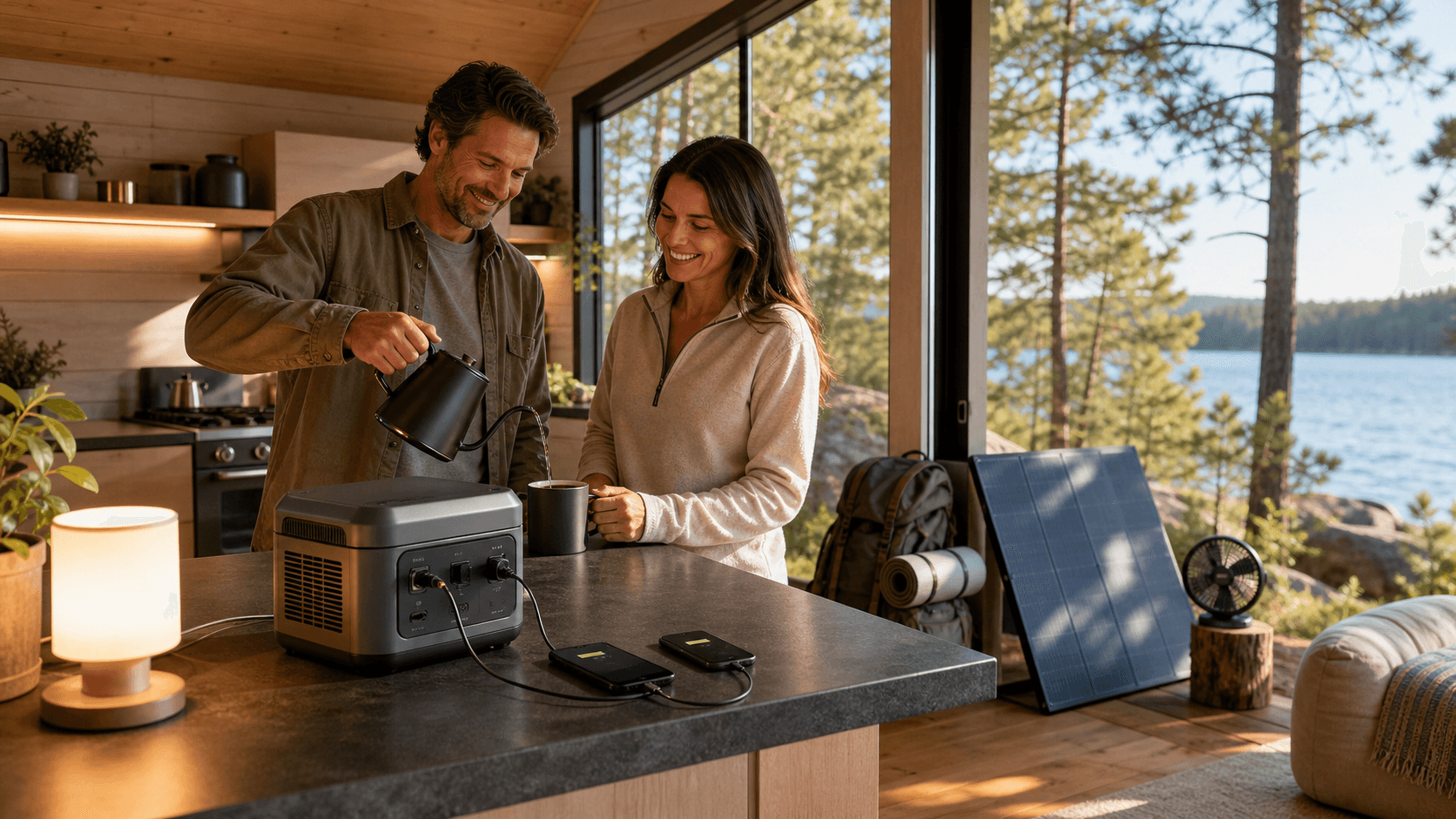
For power, many people pair their dome with a solar kit and battery bank. This can keep lights on, charge phones and laptops, run a compact fridge, and support critical devices during a blackout. When your main house loses power, the dome becomes your reliable, powered room.
Safety and basic code-awareness also matter. You will want clear exits, safe use of heat sources, and sensible placement of any electrical gear. For bigger setups, it is smart to speak with local building officials or a professional installer so your plan lines up with local rules.
Costs, Lifespan, and Maintenance You Should Expect
A home geodesic dome includes more than the frame and cover. Even though we are not talking numbers here, it helps to think in layers:
- Dome kit, including frame and shell
- Platform or simple foundation to keep it dry and level
- Insulation and interior liner
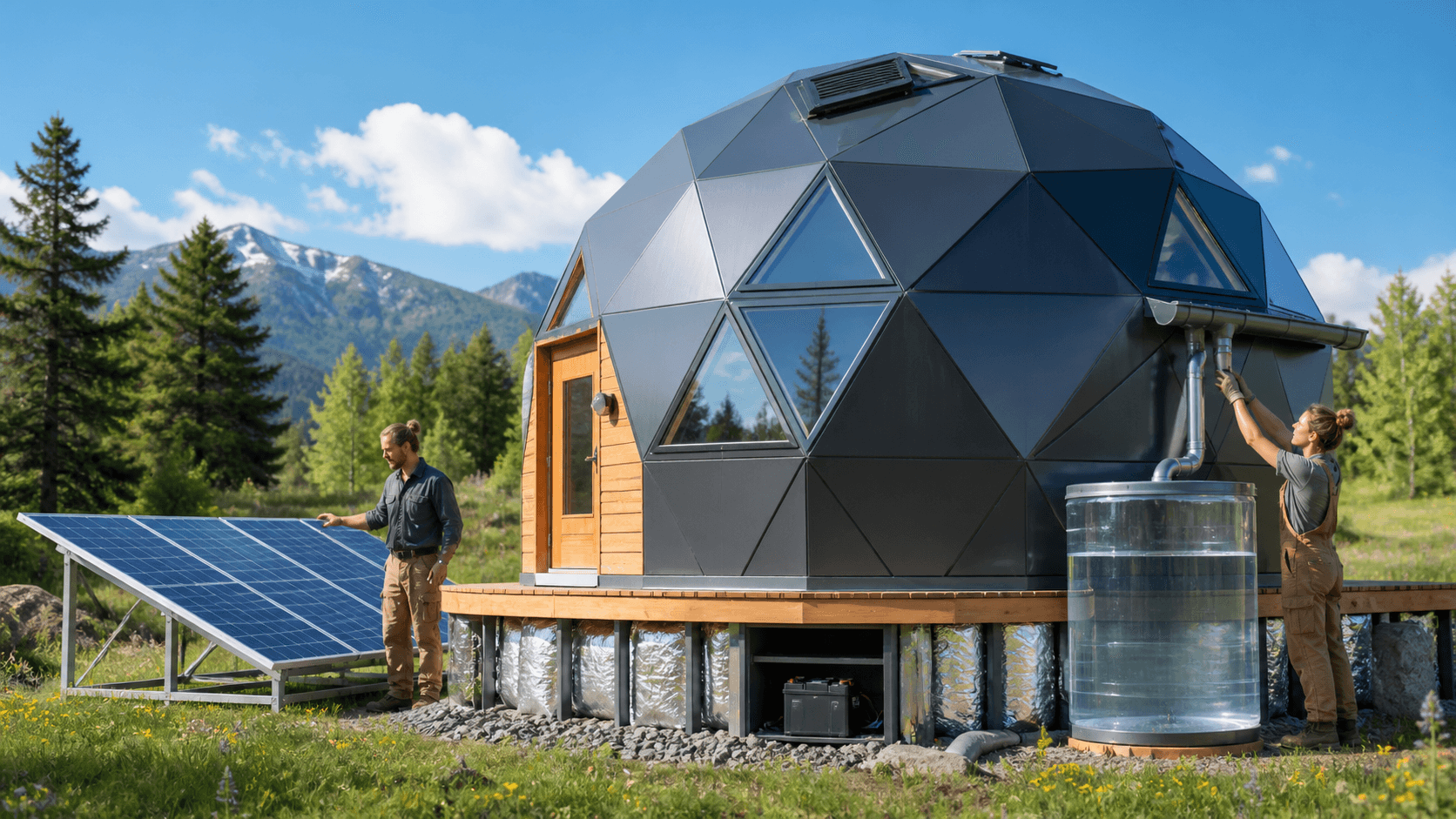
- Off-grid power such as solar and batteries
- Bathroom and water solutions
- Basic furnishings and storage
To keep your dome working for years, plan for regular checks. Seasonal inspections of fabric, seams, and zippers are important. Clearing snow loads, removing leaves and branches, and dealing with condensation will keep the inside clean and dry and help avoid mildew.
When people compare a dome to a camper, shed, or tiny stick-built cabin, they often care about durability, flexibility, and how easy it is to move if life changes. A dome is usually a relocatable asset and can shift roles over time, from emergency shelter to guest room to workspace. That flexibility can be a real win for long-term resilience.
Building Your Dome Into a Complete Resilient Setup
A stand-alone shell is a start, but a truly useful backup space needs water and basic sanitation. Many homeowners look at:
- Simple rainwater collection and storage
- Gravity or pump-based water filtration
- Composting or portable toilet setups
- Safe graywater handling that follows local rules
It also helps to think in terms of multi-use. When there is no outage, your dome can be a guest bedroom, home office, yoga space, kids' hangout, or art studio. In an emergency, it quickly shifts into living space. Smart layouts with flexible furniture, fold-up beds, and clear storage keep it ready for both everyday use and backup shelter.
At Green Vista Living, we spend a lot of time helping people pair domes with solar kits, battery backup, and water systems that match their real goals. Our focus is on practical, resilient setups that fit your yard, climate, and comfort needs, so your home geodesic dome feels like a steady Plan B instead of a fragile experiment.
Get Started With Your Project Today
Transform your property into a unique, energy-efficient retreat with a home geodesic dome tailored to your needs. At Green Vista Living, we work with you to match your vision, budget, and timeline so your project feels achievable from day one. If you have questions or want help choosing the right option, simply contact us and we will guide you through the next steps.