Rethinking Waste Off-Grid for Cleaner, Easier Living
Off-grid life can feel peaceful and simple, right up until the bathroom becomes a problem. Limited water, touchy soil, and stricter rules around septic systems can turn a dream cabin or dome into a headache, especially in summer when guests show up and everyone is using the toilet all day.
Traditional septic tanks need a lot of water and a lot of land. Composting toilets and outhouses cut water use, but they can smell, take more daily care, and make some guests uncomfortable. An incinerator septic system works differently, and for many off-grid spots, it can be the cleaner and easier choice. In this guide, we will walk through when that setup makes more sense for cabins, homesteads, RV pads, and seasonal retreats.
Why Traditional Septic Struggles Off Grid
A standard septic system is built for a typical house with a steady flow of water. Off-grid, that setup often fights your reality instead of serving it.
Water use and space needs clash with off-grid goals. Conventional systems need:
- High water flow from toilets, showers, and sinks
- Enough open ground for a drain or leach field
- Fairly friendly soil that drains well
If you haul water, rely on a small well, or collect rain, flushing gallons every day feels wasteful. On rocky slopes, shallow bedrock, or tiny lots near a lake or stream, there might not even be room to build a legal drain field. Summer makes it worse. A small cabin that is quiet most of the year can suddenly hold several people using one small system, day and night.
There are also environmental and rule-based headaches. Septic tanks and leach fields can fail, leak, or flood, especially in wet spring and early summer. That can mean:
- Risk of wastewater reaching groundwater or surface water
- Muddy, soggy areas in the yard that never quite dry out
- Extra attention from local inspectors
Many rural counties are tightening rules. Seasonal cabins, tiny homes, and movable domes may not fit neatly into old septic codes, so permits can be slow or hard to get. It is easy to spend a lot of time and energy trying to fit into a system that was not built for small or flexible off-grid setups.
Long-term, traditional septic is not a simple "set and forget" option. Owners deal with:
- Regular pumping and inspections
- Digging to repair or replace leach lines
- Heavy equipment tearing up roads and yards
For a small household, a part-time cabin, or a dome used mainly in summer, that level of work and money may not match real use.
How an Incinerator Septic System Works Day to Day
When people say "incinerator septic system," they usually mean a toilet that burns waste instead of flushing it away. There is no buried tank and no leach field spreading wastewater into the soil.
Daily use is pretty simple. In most designs, you:
- Place a small liner or paper in the bowl if required
- Use the toilet like normal
- Press a button or pedal to start the burn cycle
Inside, high heat reduces waste to a small amount of sterile ash. Once the cycle is done, you are left with a bit of gray ash in a tray. That ash is dry, light, and usually easy to bag and place with regular trash, following local rules.
Incinerating toilets can be powered by electricity or gas, often propane for off-grid homes. For electric models, it is important to plan for:
- Enough solar and battery capacity to handle burn cycles
- Short bursts of higher power draw
- Possible backup power for busy weekends
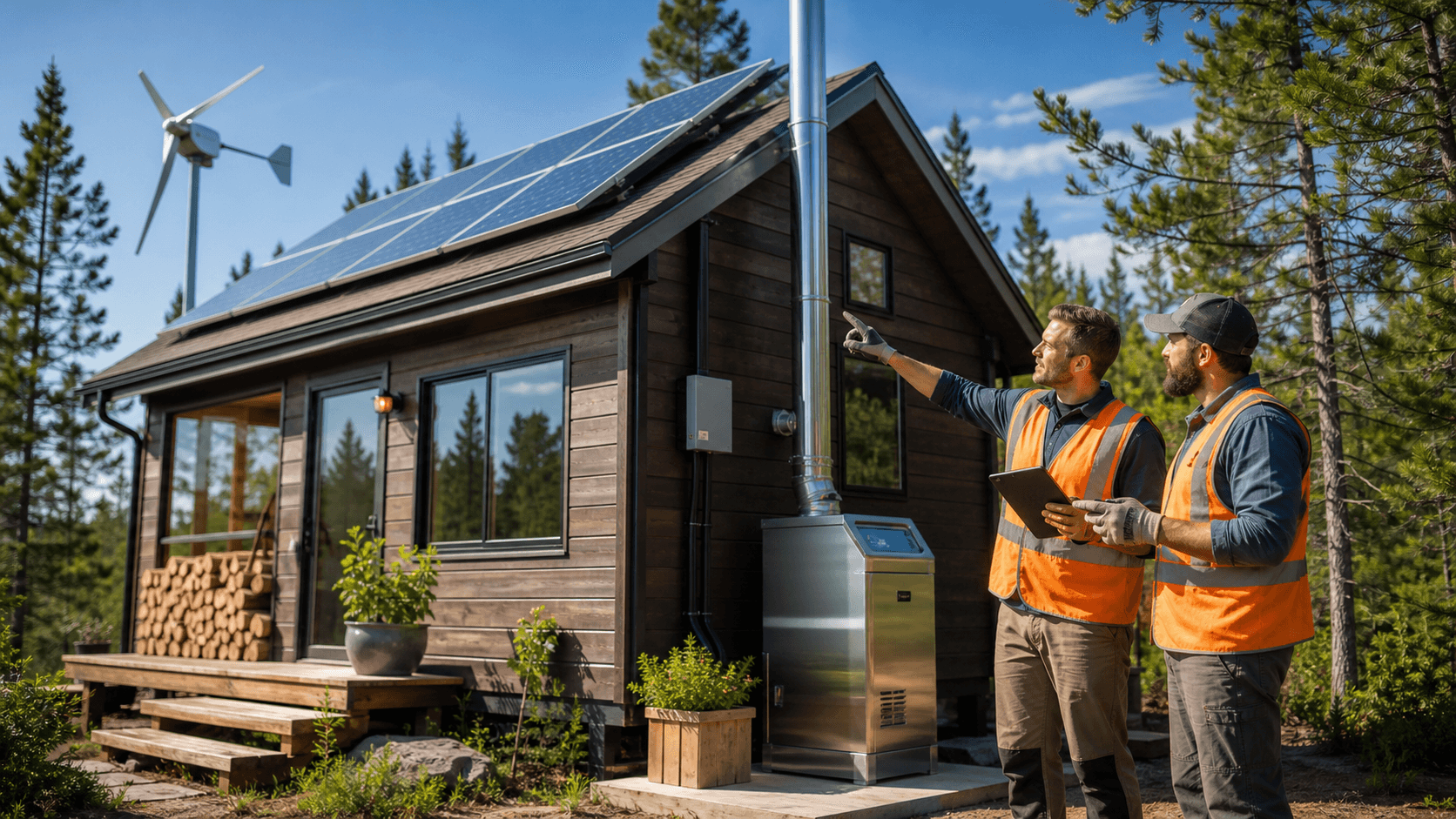
Gas models change the power balance and rely more on a steady propane supply instead of large electrical loads. All types need proper venting, usually a vertical pipe up through the roof. Good vent design keeps smoke and smells outside and protects indoor air.
Cycle times and noise vary by model, but most users notice a short period of fan noise and heat during a burn, then it is quiet again.
On the hygiene side, high temperatures kill pathogens, so the leftover ash is clean compared to raw waste. Odors are usually lower than in pit toilets or stressed septic tanks, especially in hot weather. Emptying the ash tray is not most people's favorite chore, but because the material is dry and neutral, many find it far less unpleasant than dealing with wet waste or a backed-up drain field.
When an Incinerator Septic System Makes More Sense
This type of system really shines on tricky sites. Some locations are nearly perfect for it:
- Rocky land or shallow bedrock where you cannot dig deep
- High water tables or marshy areas where leach fields are risky
- Small lakefront or forest lots with strict setback rules
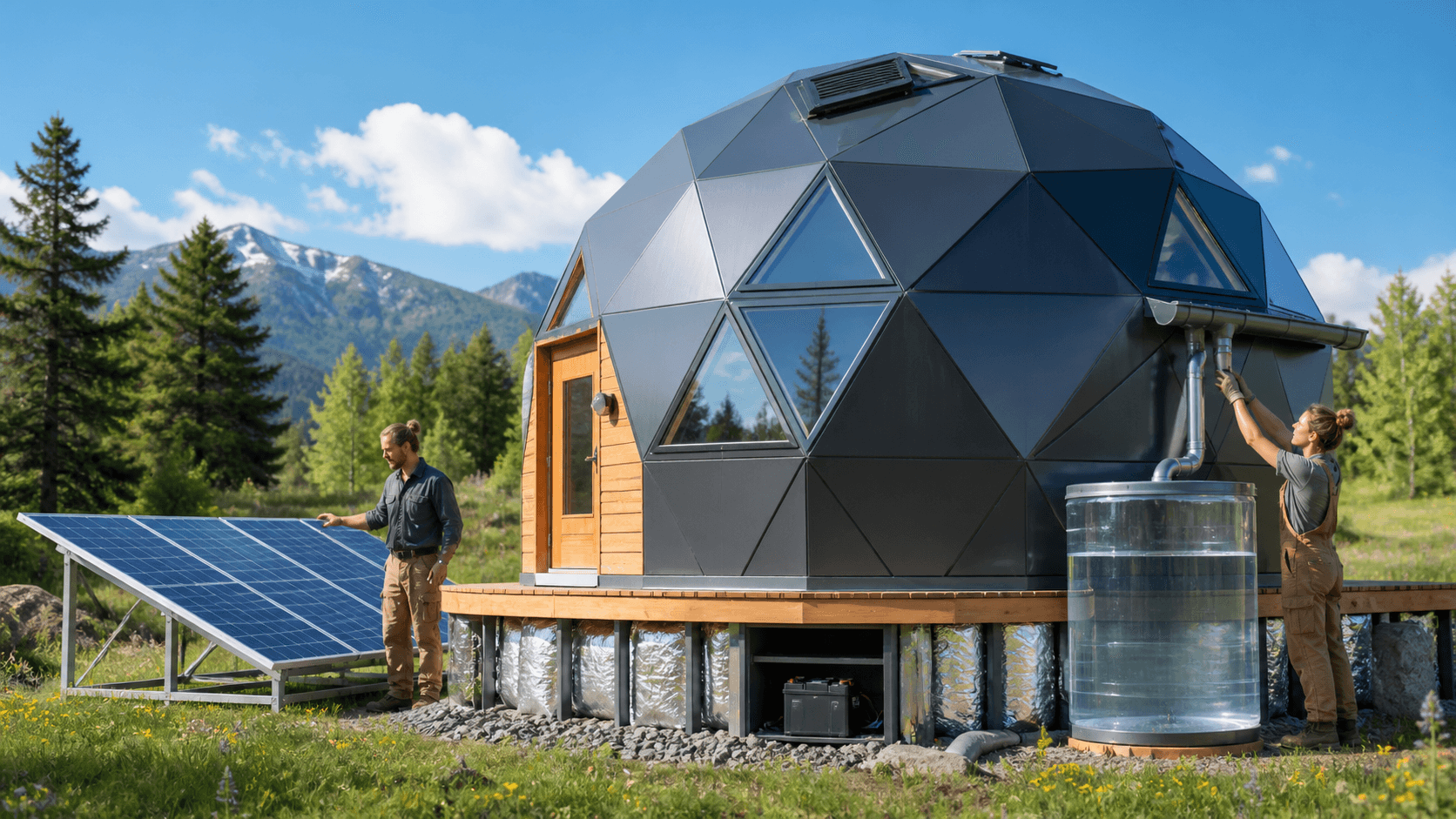
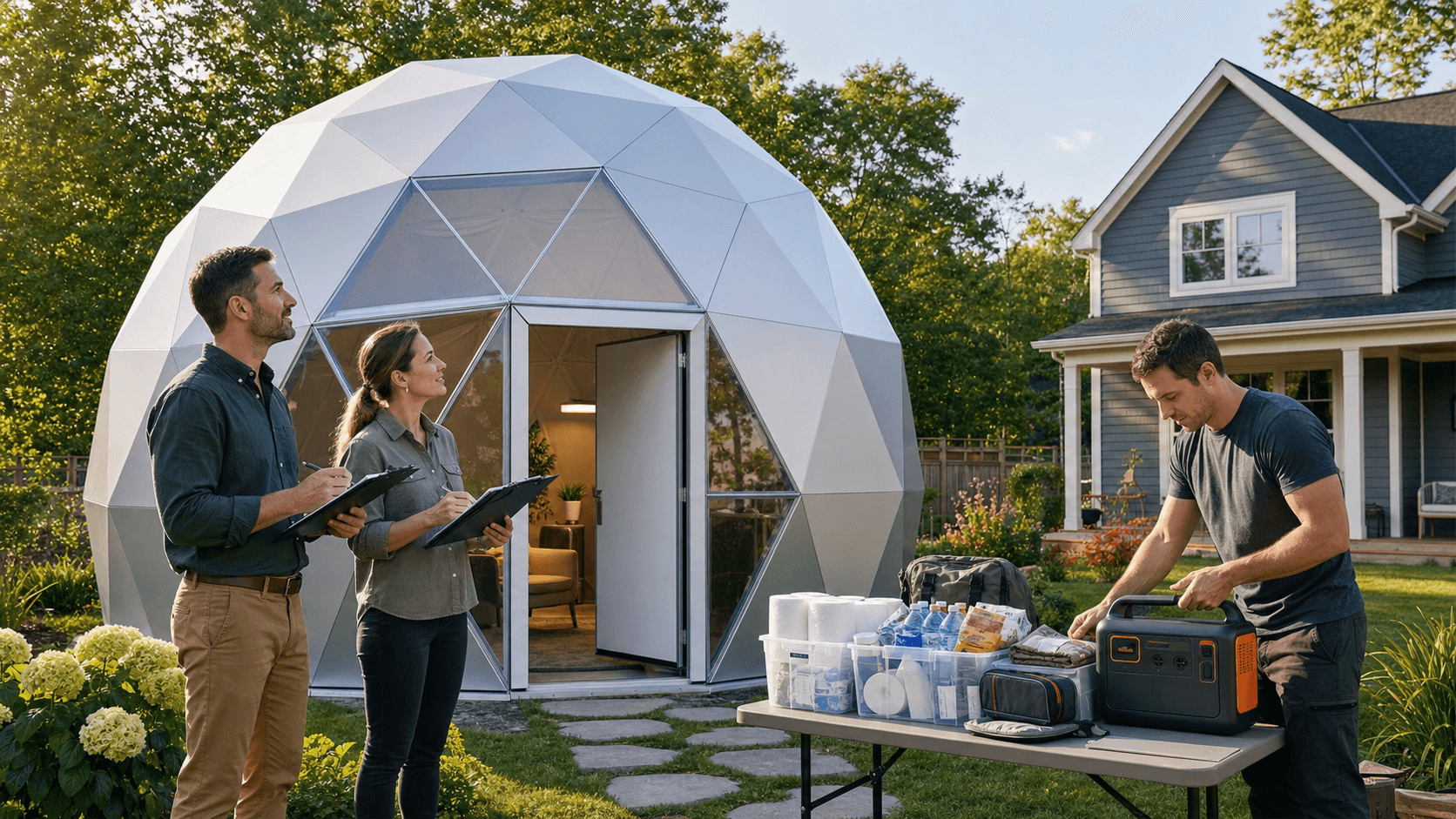
If you are setting up a tiny home, a geodesic dome, or an RV pad, there may simply not be enough space for a full septic tank and leach field. Seasonal or remote camps in the mountains or woods also face big costs if heavy equipment has to be trucked in just to dig holes.
Seasonal cabins and rentals have another challenge: changing use. A place that sits quiet for long stretches can suddenly be packed with family, friends, or paying guests in June, July, and August. Traditional septic systems do not love that pattern. They work best with steady everyday use, not weeks of silence followed by a flood of flushes.
An incinerator setup does not hold wastewater, so there is no risk of it going septic or turning foul during off-seasons. When guests arrive, you simply run more burn cycles. For short-term rentals and glamping domes, owners often want something:
- Easy to explain with simple rules
- Low odor even in hot weather
- Clean looking for guests who are new to off-grid life
Here, an incinerating toilet can feel closer to a normal bathroom than some composting systems, which often need more daily care and explanation.
There is also a strong case for sustainability and water independence. Incinerator systems use little or no water, so they align well with:
- Rainwater catchment setups
- Shallow or low-yield wells
- Drought-prone areas where every gallon matters
They remove the risk of a leach field affecting soil or groundwater. The tradeoff is energy or fuel use, which can be planned for and supported with good solar kits and backup batteries. In dry, fire-prone regions, saving water in summer can be just as important as producing your own power.
Costs, Tradeoffs, and Choosing the Right System
Every waste system comes with tradeoffs, so it helps to look at the full picture over several years instead of focusing only on the first purchase.
With an incinerator septic system, ongoing costs usually center around:
- Electricity use or propane refills
- Occasional part replacements like fans or igniters
- Basic vent and flue upkeep
Traditional septic systems have their own list, including pumping, inspections, and possible repair or replacement of tanks and leach fields. Composting systems often cost less to run but need more hands-on daily management, watching moisture and adding cover material.
Some clear pros of incinerator setups are:
- Very low or zero water use
- Small footprint and flexible placement
- No buried tank or drain field to fail
- Cleaner feel and less smell than pits or basic outhouses
Common cons include:
- Dependence on power or fuel
- A small learning curve for new guests
- Noise during burn cycles
- Limits for very large households with heavy nonstop use
Compared to composting toilets, incinerators often need less daily attention and are less sensitive to temperature swings, which can matter in colder climates. The tradeoff is that they draw more power or use more fuel.
To match a system to your off-grid life, think through:
- How many people will use it on a normal day?
- Is the place full-time, seasonal, or for weekends only?
- How steady is your water supply?
- What are your soil and lot limits?
- What does local code allow on small or unusual structures?
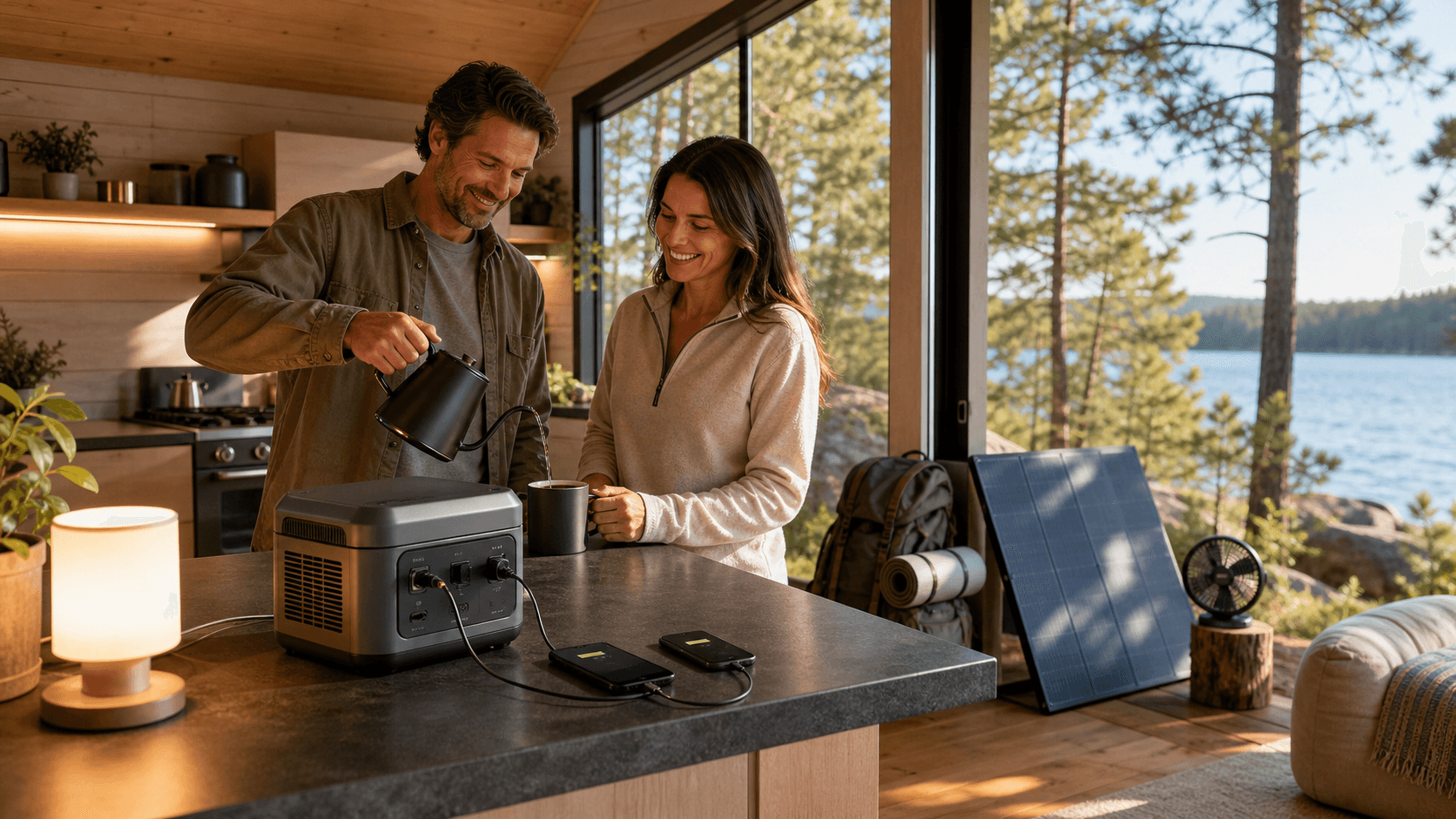
Off-grid power planning is part of this choice. A good solar kit and battery setup can support an incinerating toilet reliably, even during busy summer weeks, and pair well with other loads like lights, fans, and small appliances.
Plan a Smarter Off-Grid Waste Setup This Season
Before summer crowds arrive, it helps to pause and take stock of your site. Walk the land, think about soil, slopes, and water sources, and picture where a drain field could go, if it can go anywhere at all. Then compare that picture with the much smaller footprint of an incinerator septic system.
Simple next steps might include sketching a rough site plan, listing your power sources, and checking basic rules in your county. From there, you can compare a traditional septic quote with the full setup needed to run an incinerating toilet, including solar and backup power.
At Green Vista Living, we care about off-grid systems that actually fit how people use their cabins, domes, and retreats in real life. Pairing an incinerator septic system with smart solar and battery support can turn the bathroom from a stress point into something you hardly think about, so you can focus on enjoying your land, your people, and the quiet.
Get Started With Your Project Today
If you are ready to upgrade to a low-maintenance, off-grid waste solution, explore our incinerator septic system options to find the best fit for your property. At Green Vista Living, we work with you to match reliable, eco-conscious technology to your real-world needs. Have questions about sizing, installation, or local conditions? contact us so we can help you plan the right setup from day one.