A solar-powered toilet for a remote cabin is really about freedom and comfort. With the right setup, you can have a clean, odor-free bathroom without running water, septic lines, or grid power. In this guide, we walk through what a solar-powered toilet system is, how it fits into an off-grid cabin, and what to think about when you are planning your own setup.
We focus on real world details: how much power you need, what kind of toilet works best, and how to keep smells away in hot summers and cold winters. If you are tired of the long walk to the outhouse or worried about protecting your land and water, you are in the right place.
Powering Privacy and Comfort Far From the Grid
Remote cabins give us quiet, starry nights and the sound of wind in the trees, but the bathroom situation can be another story. Many cabins still rely on old pit toilets, chemical toilets, or shared facilities down the road. Those options work in a pinch, but they are not exactly comfortable or welcoming for family and guests.
A well-designed solar-powered toilet system changes that. It can give you:
- A clean, private bathroom right at the cabin
- Low odors, even in hot weather
- A setup that runs without water lines or grid power
This kind of system also helps protect your land. Waste is handled in a controlled way, instead of soaking into the ground in random spots. At Green Vista Living, we focus on off-grid and backup power solutions, so we think a lot about how composting toilets, small solar kits, and home batteries fit together for remote cabins.
Why Remote Cabins Need Smarter Sanitation
Traditional cabin bathrooms come with a few common headaches. Pit toilets can smell strong in summer heat. Flush toilets with regular septic can be tricky in places with shallow soil or rock. In cold climates, pipes can freeze, crack, and turn into a big repair project.
There are also land and water concerns. Old pits and overloaded septic fields can:
- Leak into groundwater
- Add too many nutrients near lakes and streams
- Strain already fragile soil around the cabin
A solar-powered toilet system separates waste from your water supply and from the power grid. The toilet can work during outages, during seasonal shutdowns, and even if you do not have a well or pressure pump. That makes the whole cabin more resilient.
Core Parts of a Solar-Powered Toilet System
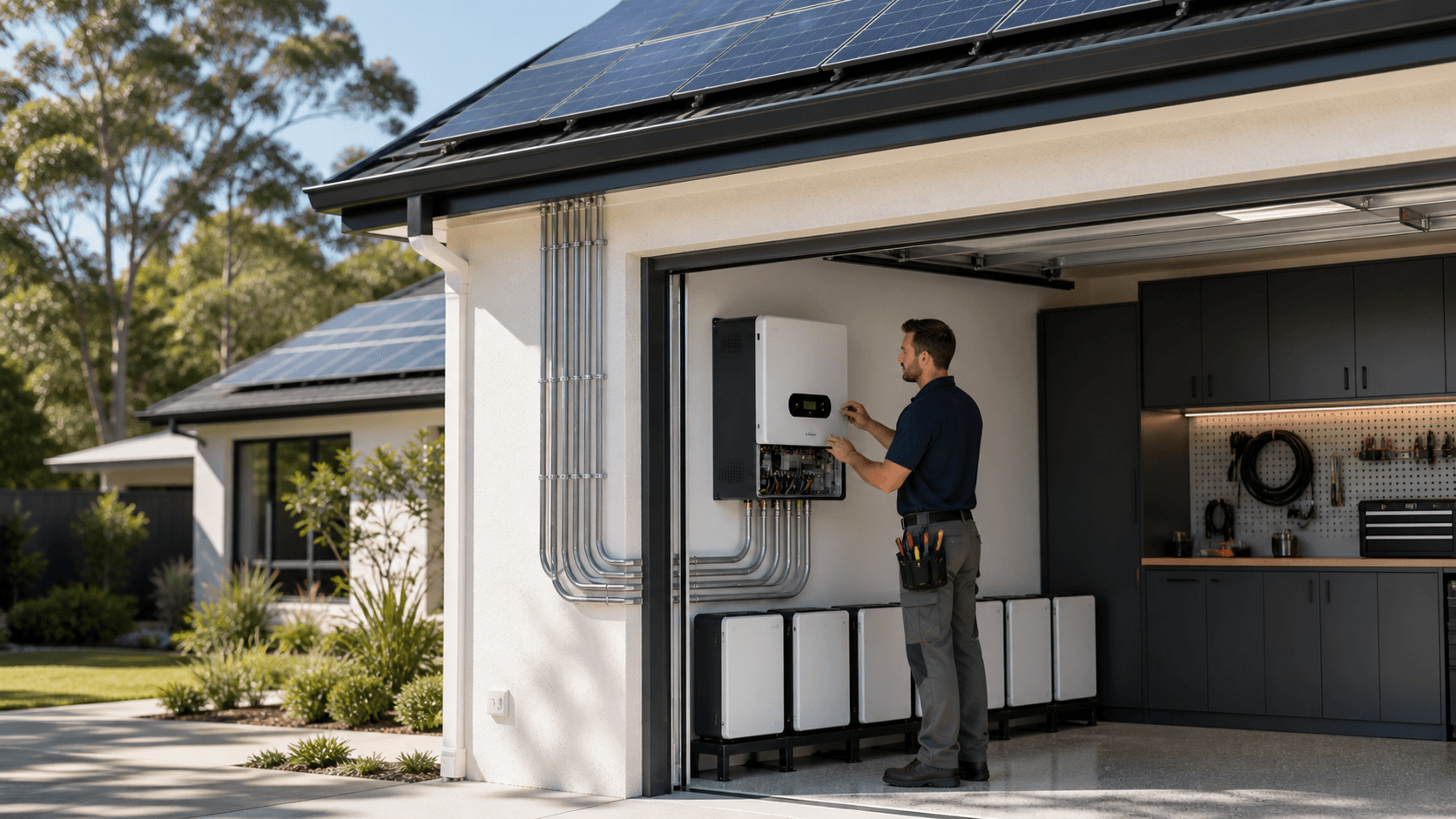
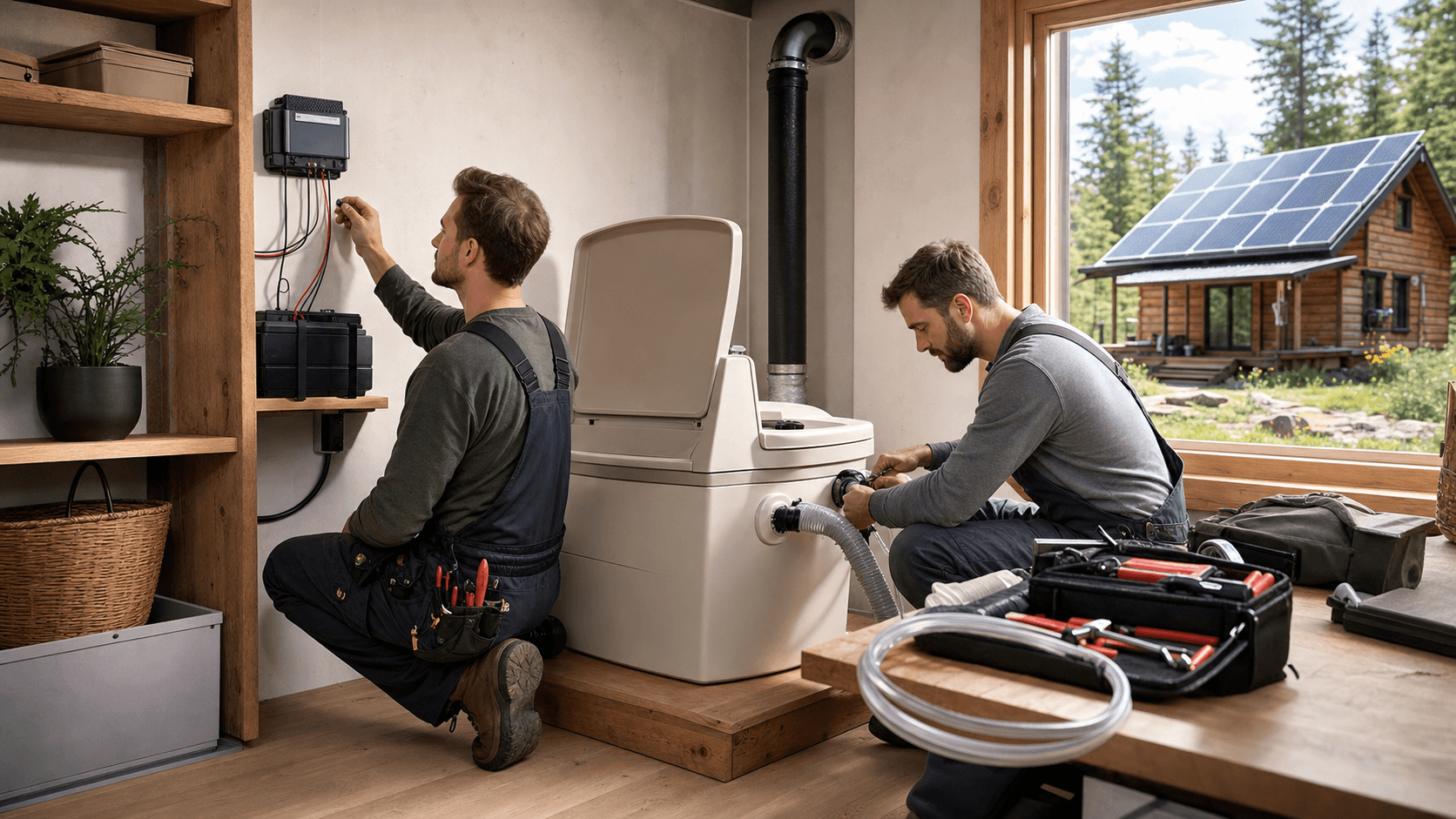
A solar-powered toilet setup is really a small, focused off-grid power system built around your bathroom needs. The basic parts include:
- The toilet itself, usually composting or another dry system
- Solar panels sized for the toilet and a few extras
- A charge controller to safely feed power to the batteries
- A battery bank for night use and cloudy days
- Small DC fans and sometimes pumps or mixers
Solar power mainly runs the support pieces that keep things clean and comfortable. Fans pull air through the toilet, keep odors moving out, and help the composting process. Some models may also use a small heater or agitator to keep things working well in tough climates. While you are at it, the same solar and battery setup can power LED lights, a small water pump, or a few low-voltage cabin devices.
Choosing the Right Toilet Technology for Your Cabin
Not every toilet works well in every cabin. When we look at solar-powered options, we usually think about three main types:
- Self-contained composting toilets that hold and process waste in the main unit
- Central composting systems with a toilet upstairs and a tank below or nearby
- Electric-assist models that need power for fans and other functions
Picking the right one depends on:
- Cabin size and number of people using it
- Length of visits, like weekend-only or long stays
- Climate, including hot, humid summers or long, cold winters
- How easy it is to reach the unit for maintenance
- Local rules about waste handling and finished compost
Power needs matter too. Some toilets use only a tiny fan that sips power. Others run small heaters or mixers that draw more. Matching the toilet's power draw to a realistic solar and battery setup keeps the system reliable instead of stressed.
Sizing Solar and Batteries for Reliable Operation
To size the solar part, start by thinking about daily use. Add up:
- Fan wattage and likely run time
- Any built-in heaters or mixers
- Interior lights you want in the bathroom space
- Seasonal patterns, like heavy summer use and lighter spring or fall use
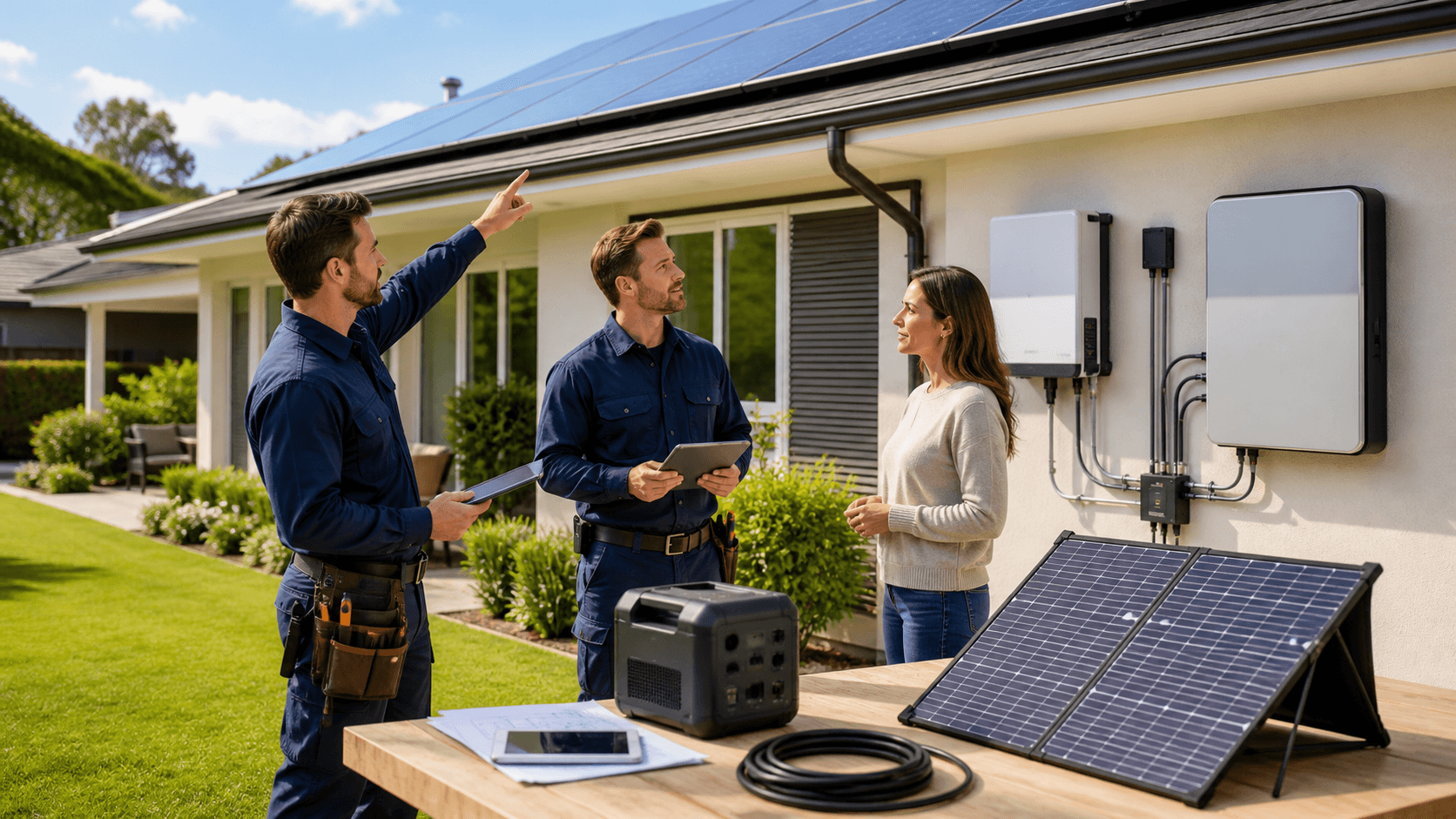
Then look at your site. Remote cabins are often surrounded by tall trees, so panel placement and tilt really matter. Roof space, shading during parts of the day, and your typical sun hours in each season all affect how many panels you need.
Battery storage should cover at least a couple of days of normal use. Many cabin owners like 1 to 3 days of backup for cloudy weather. Both lithium and AGM batteries can work, as long as they are stored where they are protected from extreme heat, deep cold, and rodents.
Ventilation, Odor Control, and Moisture Management
Good airflow is the secret to a pleasant solar-powered toilet. Ventilation clears out odors, moves moisture away from the compost, and brings in oxygen so the process can work.
Key design points include:
- A clear exhaust path that exits above the roofline
- An intake path that feeds fresh air to the unit
- Efficient DC fans sized correctly for the vent pipe
- Smooth bends and well-sealed joints in vent runs
Inside the cabin, proper airflow keeps humidity down. That helps protect wood finishes, framing, and flooring from slow moisture damage over time. Even in a tiny bathroom, the right fan setup can keep the space smelling and feeling fresh.
Installation Tips for Remote Off-Grid Locations
Remote sites bring their own twists. When planning location, think about:
- Distance from wells, streams, and shorelines
- Sun exposure for panels through the day
- A path that stays safe and easy to reach in bad weather
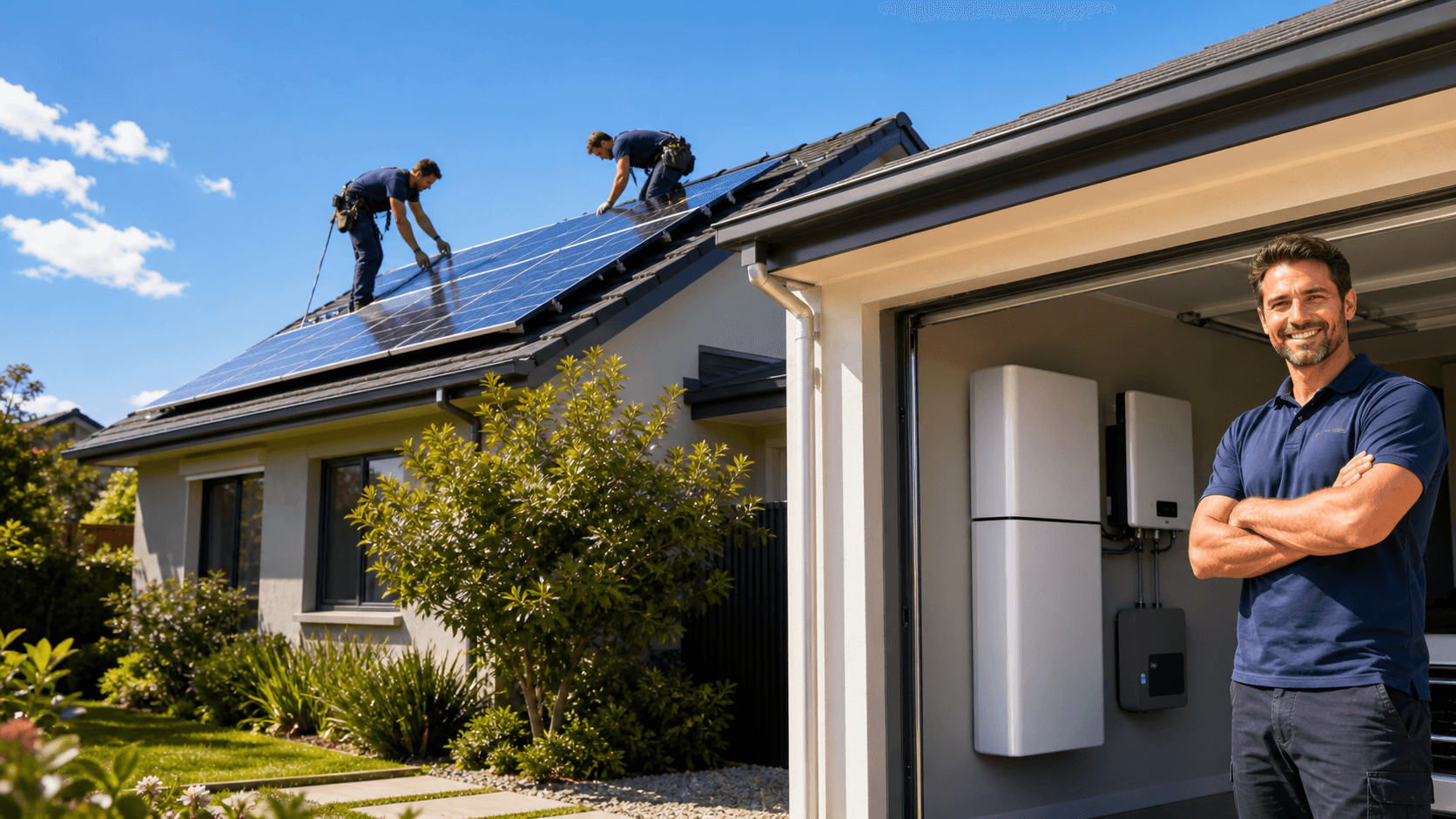
Solar panels need solid mounts that can handle wind and snow. Wiring should be protected from animals and physical damage. The toilet itself has to sit level and secure, even on old cabin floors that may not be perfectly flat. It also helps to make sure you can easily reach any compost chambers or service panels without crawling through tight spaces.
Seasonal use matters. Plan for how you will shut things down for winter, protect vents from ice and snow, and keep pests from moving into warm, sheltered spaces.
Maintenance Routines and Protecting Your Land
Most composting-style solar-powered toilets work best with simple, regular care. Basic tasks often include:
- Adding bulking material as recommended for your model
- Checking moisture level and adjusting if things look too wet or dry
- Emptying or rotating finished compost as needed
- Inspecting seals, gaskets, and moving parts
The power side also needs quick checks. After storms, it is smart to look at panels, clean off debris, and make sure mounts are secure. Batteries should be checked on a simple seasonal schedule. Vents need to stay clear of leaves, snow buildup, or nests.
All of this supports a bigger goal: protecting your land and water. A good solar-powered toilet limits waste leaching into the soil and reduces strain on any existing septic field. That helps keep nearby lakes, rivers, and wells cleaner for swimming, fishing, and drinking. It also tends to keep peace with neighbors and local officials, since you are showing clear care for responsible waste management.
At Green Vista Living, we focus on off-grid and backup power systems that fit real cabin life, from solar kits to composting toilets and home batteries. When your sanitation is clean, quiet, and powered by the sun, your remote cabin starts to feel less like a rough camp and more like a truly comfortable, solar-smart retreat.
Upgrade Your Off-Grid Comfort With Reliable Sanitation
Ready to make your property more sustainable and self-sufficient with a modern solar-powered toilet? At Green Vista Living, we help you choose a system that fits your space, power setup, and long-term goals. If you have questions or need help planning your installation, simply contact us and we will walk you through the next steps.