Power Your Home Through Any Outage
Reliable power is not a luxury anymore. It is basic comfort and safety. With hotter summers, stronger storms, and higher electric bills, more homeowners are looking for a way to keep the lights and AC on even when the grid gives up.
Complete solar power kits for homes with batteries offer a clear path. These are bundled systems that include solar panels, an inverter, charge controller, batteries, racking, and wiring that are designed to work together. Instead of guessing which parts match, you get a package built as a system from the start.
Our goal here is simple. We want to help you compare these kits, understand how they work, and avoid mistakes that leave your food melting in the freezer or your well pump offline. With the right setup, your home can keep running through an outage while still cutting your grid use the rest of the year.
How Complete Solar Kits with Batteries Actually Work
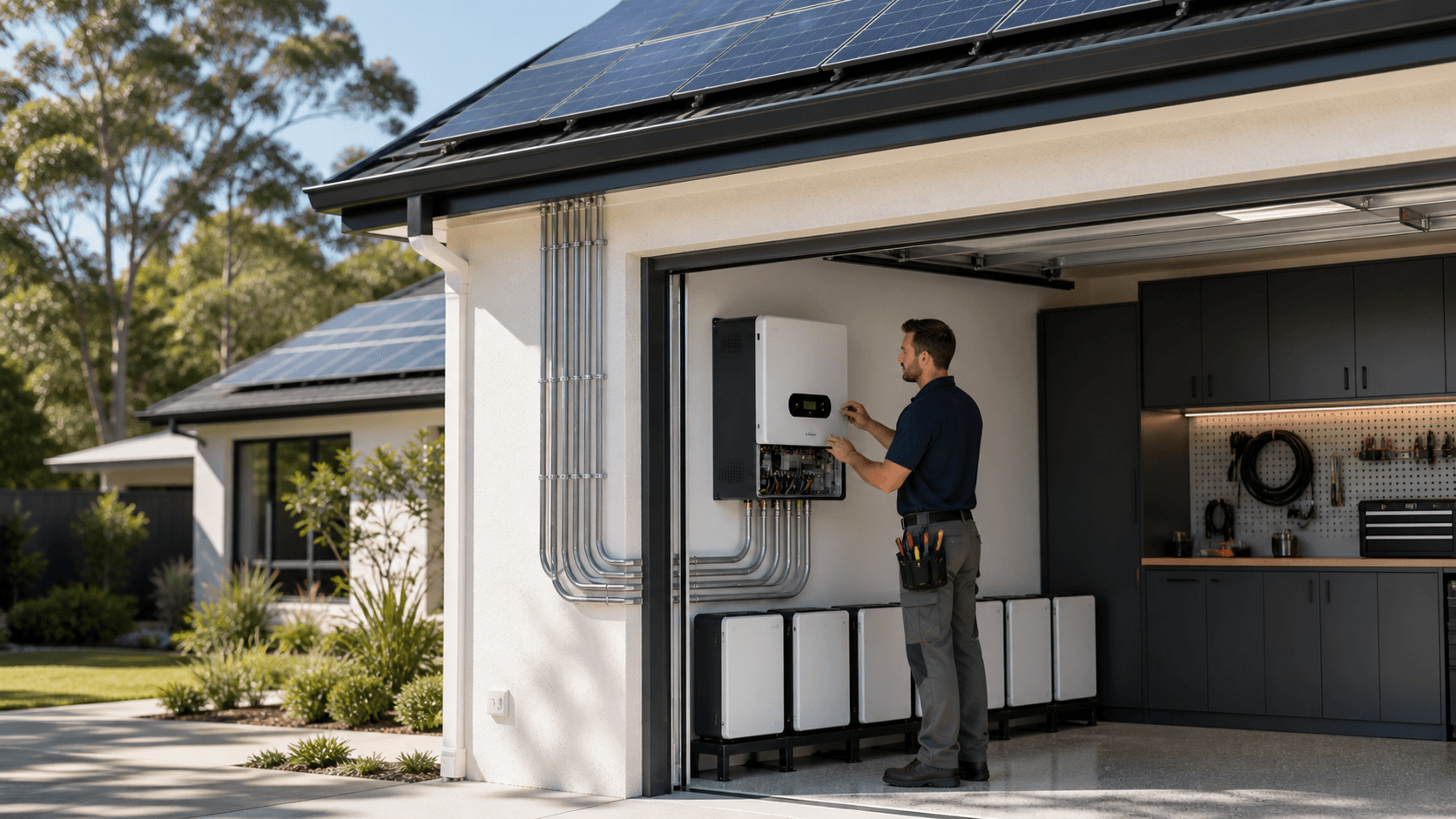
A complete solar and battery kit works like a quiet, steady power plant sitting on your roof and in your garage. Sunlight hits the solar panels, which create DC power. That DC power flows into a charge controller and hybrid inverter, which manage charging the batteries and sending power into your home.
Here is the simple flow:
- Sun hits solar panels
- Panels send DC power to the charge controller and inverter
- Batteries store extra energy for later
- Inverter sends AC power to your home's critical circuits, day or night
A true complete kit is more than just panels and a battery. It is typically a coordinated set of components designed to fit together electrically and mechanically, so you are not improvising compatibility during installation.
Key parts in a true complete kit usually include:
- Solar panels and roof or ground racking
- Battery bank
- Hybrid inverter and charge controller
- Monitoring system or app
- Breakers, disconnects, wiring, and mounting hardware
Not all systems work the same way, though. In practice, most home kits fall into one of three main styles, and the differences matter for both performance and how the system is permitted and used.
- Grid-tied with backup: Uses the grid most of the time, but the batteries keep key loads running during outages.
- Off-grid: Your home runs on solar and batteries all the time, sometimes with a backup generator.
- Hybrid: Can feed power to the grid, power your home, and offer backup, giving you a lot of flexibility.
Which one fits best depends on your local rules, your budget, and how independent you want to be from the grid.
Matching Kit Size to Your Home's Real Power Needs
Before looking at panel counts or fancy apps, you need to know what you actually want to run when the grid goes down. Not every outlet needs backup. During a summer storm, most people focus on comfort and safety, so it helps to start with a clear "must-run" list and rank items by priority.
Start by listing and ranking your loads:
- Refrigerator and freezer
- Well pump or sump pump
- Wi-Fi, phone chargers, laptops
- Lights in key rooms and outside entrances
- Medical devices
- Mini-split or other small A/C units, at least in a few rooms
Once you have your list, the next step is to translate it into the numbers that determine system size. That means thinking about how much energy you need over a day, how high the power draw gets at once, and how long you want the system to carry you without grid help.
- Daily energy use, in kilowatt-hours, for those must-have loads
- Peak load, the highest power draw when several things start at once
- Continuous load, what runs for long stretches
- How many hours or days of backup you want
Summer adds a twist. A/C units pull more power, but days are longer so panels can produce more energy. In many places, including warmer regions like ours, this often means you may need enough battery capacity to ride through hot nights when solar is not producing, and you may need higher inverter power so A/C units can start reliably. At the same time, long sunny days may allow you to size panels so they refill the batteries consistently.
- You might need more battery capacity to ride through hot nights when solar is not producing.
- You might need higher inverter power for A/C startup.
- You may be able to size panels so they refill the batteries during long sunny days.
A good rule of thumb is to plan for the worst few days you can picture, like a sticky heat wave with clouds and rolling blackouts, not just a short afternoon outage.
Key Features to Compare in Solar Power Kits With Batteries
Once you know what you want to power, you can start comparing kit features. Battery type is one of the biggest choices, because it affects cost, maintenance, usable capacity, and how the system fits into your home.
Lithium iron phosphate batteries usually offer:
- Long cycle life
- Deeper safe depth of discharge
- Low maintenance
- Compact size and indoor-friendly designs when used with proper ventilation and codes
Lead-acid batteries usually:
- Cost less upfront
- Need more space and ventilation
- Prefer shallower discharge and regular checks
- May be better suited for certain off-grid setups where lower cost is a priority
Next is the inverter and charger. This is the "heart" of many systems, because it determines what your home can actually run and how well the kit handles motor starts and changing loads.
Pay close attention to:
- Power rating in kW, both continuous and surge
- Surge capability for starting motors like pumps and compressors
- 120/240V output if you want to power well pumps, dryers, or a larger portion of the house
- Built-in transfer switch or inputs that work smoothly with a backup generator
Safety and compatibility matter for both peace of mind and code approval. It also helps to think through how you will monitor the system day to day, and how the kit connects into your existing wiring so outages are seamless rather than stressful.
- Components that follow common electrical and fire safety standards
- Hardware that is friendly to local code requirements
- Monitoring tools that let you see battery level, solar production, and loads at a glance
- Clear ways to connect to your existing electrical panel, usually through a critical loads subpanel
Evaluating Brand Quality, Warranties, and Real-World Support
Not all kits are created equal. Piecing together parts from random sources might look cheaper at first, but when something does not talk to something else, no one wants to own the problem. A kit that is designed and supported as a package can reduce troubleshooting time and help avoid expensive delays.
When you look at brands and suppliers, pay attention to:
- How long they have focused on solar, batteries, and off-grid style systems
- Whether the kit is designed as a tested package, not just a list of parts
- How clearly they explain what is included and how it all connects
Warranties are also bigger than just a number of years on a brochure. To compare fairly, look at each major component and what the warranty actually promises in real terms.
Compare:
- Panel warranties for product and power output
- Inverter warranties for parts and service
- Battery warranties for cycle life and capacity retention over time
- What is actually covered and what might be considered wear and tear
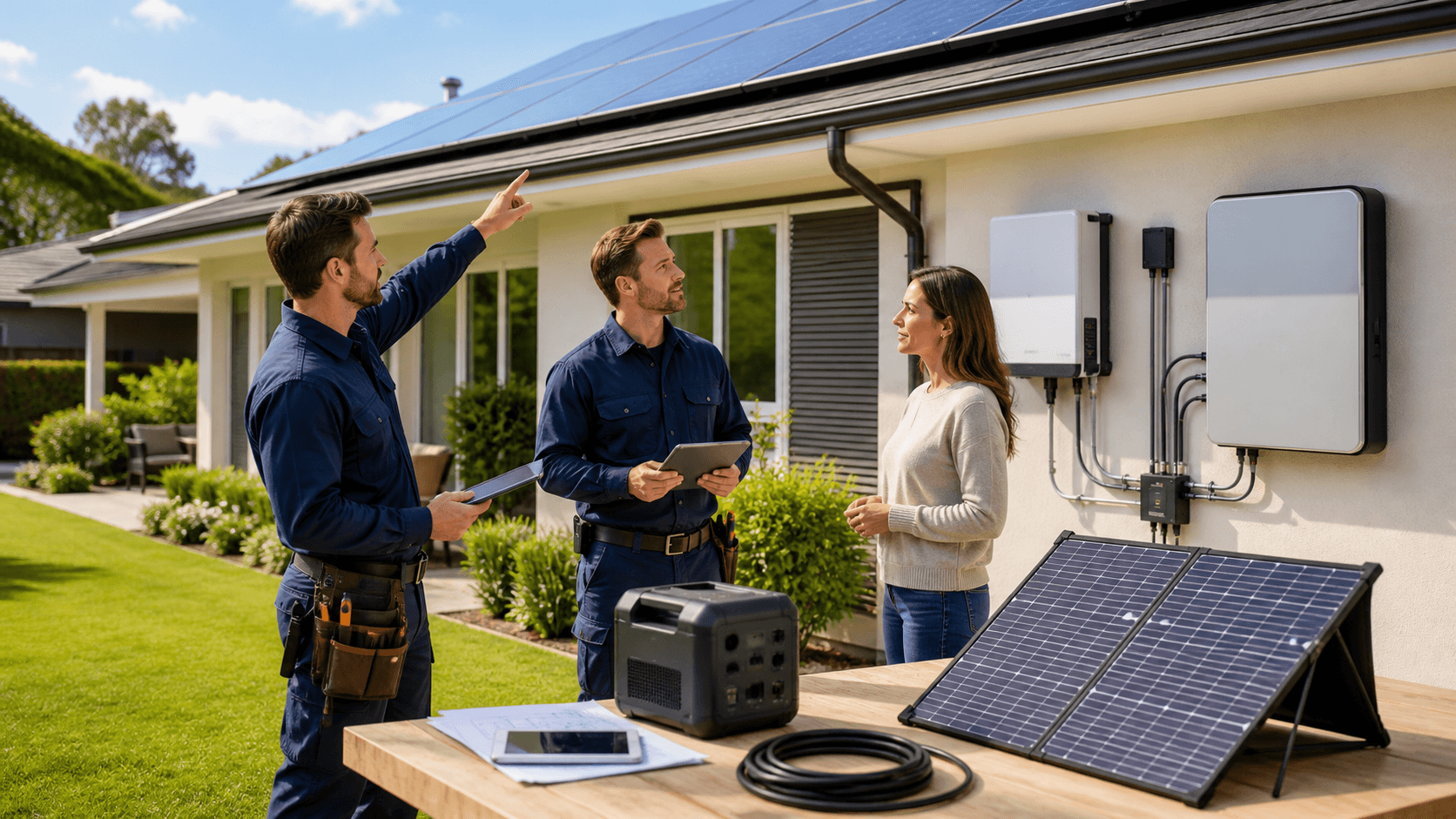
Support is where many homeowners feel the difference. Pre-sale design guidance, wiring diagrams, and real tech help during install and startup can keep your project on track. For many people new to off-grid or hybrid systems, that support is just as important as the hardware itself.
Budgeting, Installation Options, and Incentives to Know
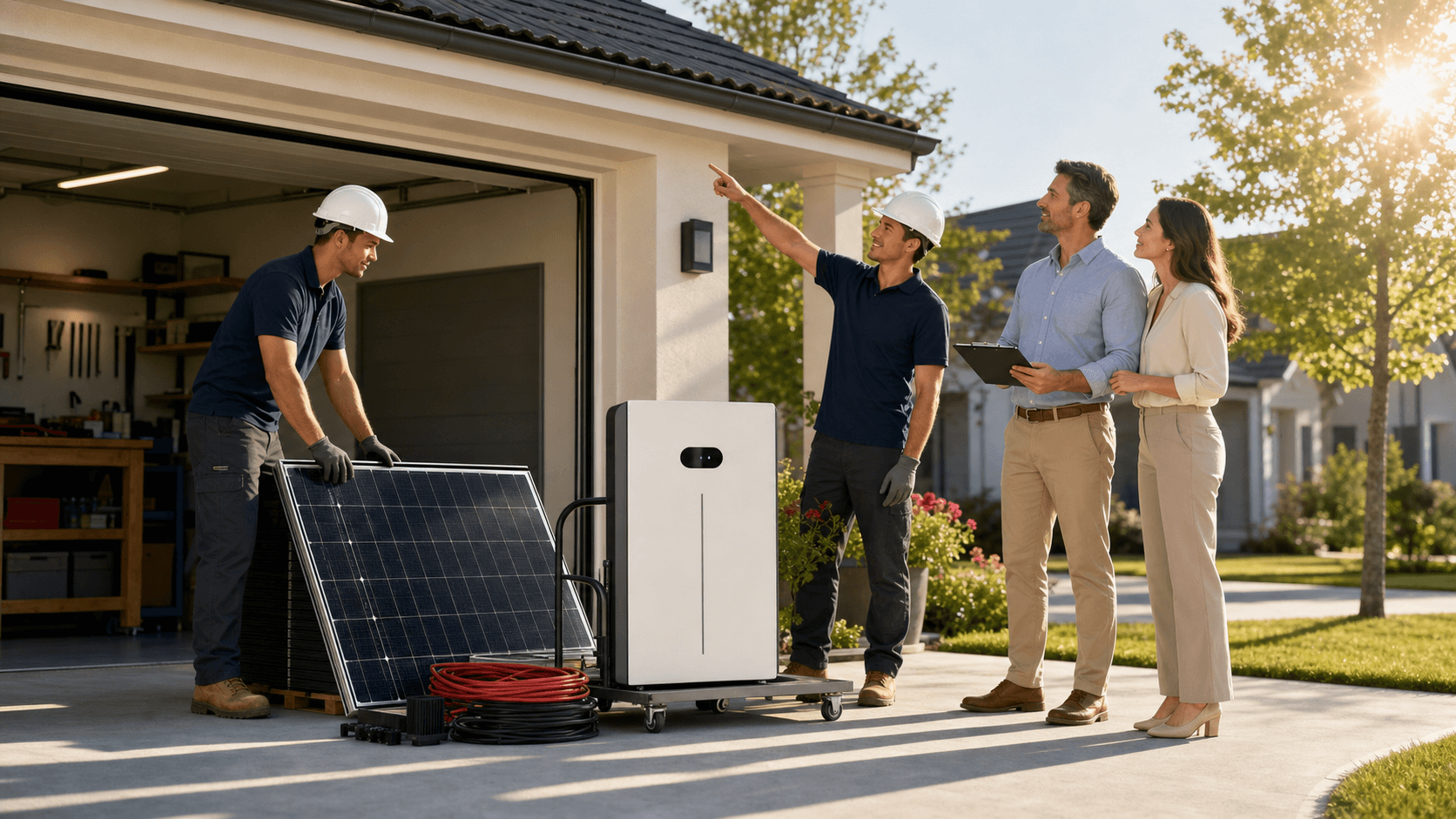
Total project cost is more than just the kit sitting in your driveway. It usually includes:
- The main equipment kit
- Shipping and freight, especially for panels and batteries
- Extra electrical parts, conduit, and mounting hardware that may be specific to your site
- Professional labor from an electrician or solar installer
- Permits and inspections
- Optional integration with a backup generator
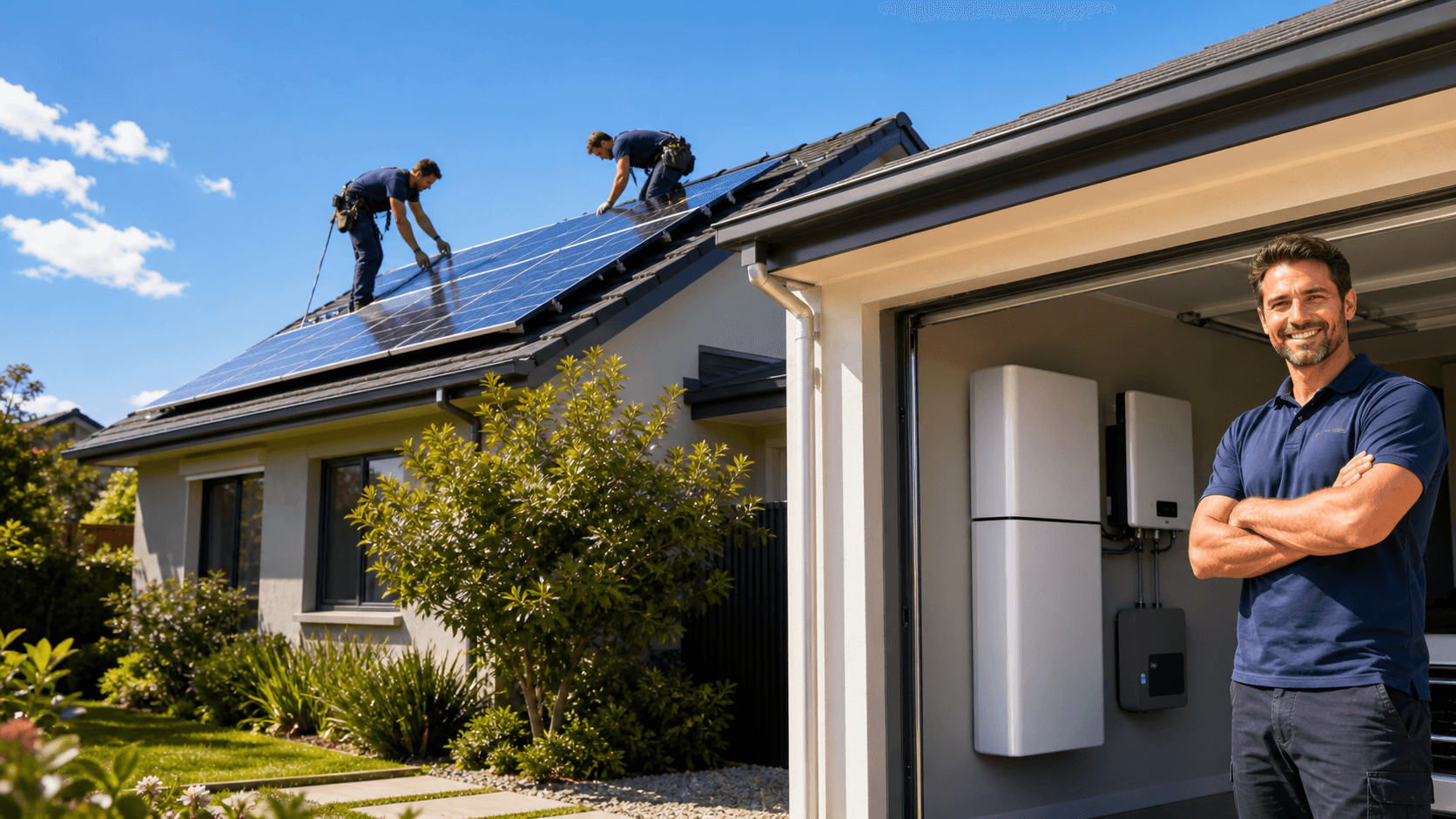
Some kits are designed to be friendly for handy homeowners, but even then, most people benefit from bringing in a licensed electrician, at least for final connections and code work. In other cases, a full professional install makes the most sense, especially for larger whole-home systems.
Financial help can soften the upfront hit. Many areas offer:
- Federal tax credits for solar and battery systems
- Possible state or local incentives
- Utility programs that reward clean energy or backup power
- Ongoing bill savings when your solar covers part of your daily use
Because of permit timelines, shipping, and scheduling, it is smart to start planning before late-summer storms and heat peaks. That way, your system is in and running when you need it most.
Choose the Right Kit and Get Ready for the Next Outage
Choosing complete solar power kits for homes with batteries does not have to feel overwhelming. The process can be clear and simple when you break it into steps:
- Decide which loads matter most
- Pick your system type
- Size your panels and batteries around real-world use
- Compare kits based on battery tech, inverter strength, safety features, warranties, and support
At Green Vista Living, we focus on off-grid and backup power solutions for homeowners and homesteaders who want steady, clean energy and comfort. Our team works with trusted brands and curated kits so you are not left guessing what fits together. With thoughtful planning now, your home can be ready for the next outage, instead of waiting in the dark for the grid to catch up.
Get Started With Your Project Today
If you are ready to cut energy costs and gain more independence from the grid, we can help you choose the right complete solar power kits for homes with batteries for your space and budget. At Green Vista Living, we guide you through sizing, components, and installation considerations so your system works the way you expect. If you have specific questions or need one-on-one guidance, simply contact us and we will help you move from planning to a fully powered home.