Freeze Drying Food When Your Power Is Limited
Freeze dryers for sale look very tempting when you care about long-term food storage and self-reliance. You can turn garden harvests, bulk buys, and wild game into light, shelf-stable meals that sit ready for years. But if your power is limited, especially off-grid, a freeze dryer can be either your best friend or a constant headache.
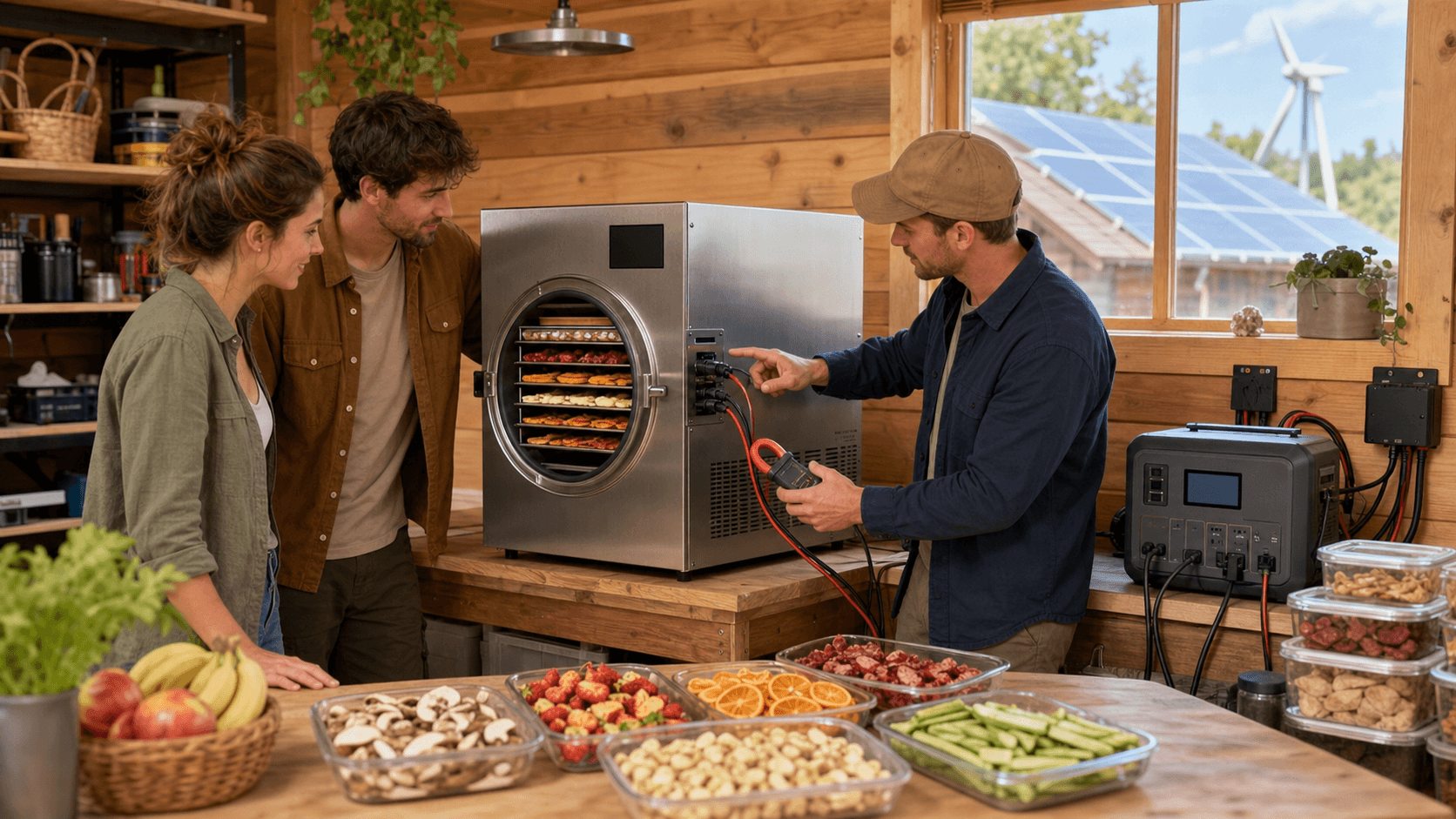
Most home freeze dryers are built with grid power in mind. Off-grid systems have to deal with high start-up loads, long run times, and batteries that do not like being drained hard night after night. The good news is that with smart planning, the right size unit, and a power setup that actually matches it, you can still make freeze drying work. At Green Vista Living, we care about both sides of that equation, not just the appliance box.
How Freeze Dryers Really Use Power Off Grid
A home freeze dryer runs in three main stages. First, it freezes the food hard. Next, it pulls a deep vacuum so the ice can turn straight into vapor. Finally, it gently warms the trays while the water leaves the food. One batch can run for a day or two, sometimes longer, depending on what you load.
The power draw is not flat like a light bulb. It comes in bursts from the compressor and the vacuum pump, then eases off during parts of the cycle. That matters a lot when you are off-grid.
Here is how power use usually looks in broad terms:
- Small units: lower running watts, but still long cycles
- Medium units: heavier loads on the inverter, more food per batch
- Large units: serious power demand, better suited to strong off-grid systems
When you translate this into your power system, you have to think in kilowatt-hours, not just watts. A full batch might use multiple kWh, which means:
- A battery bank must be big enough that one cycle does not drag it down too low
- Solar has to replace what you used before your next batch
- Your inverter must handle compressor start-up without tripping
Off-grid systems struggle when:
- Cycles stretch across cloudy days
- Compressors try to start while other big loads are on
- Overnight draws drain aging batteries past healthy levels
Season matters too. In summer, you have more solar hours, but higher outside temperatures make the compressor and vacuum pump work harder. In shoulder seasons, cooler air helps the machine, but shorter days give you less solar to refill your batteries. That is why planning when you run your freeze dryer is just as important as which model you pick.
Matching Freeze Dryers for Sale to Your Power System
Before looking at freeze dryers for sale, it helps to be honest about your power situation. A simple audit goes a long way. Write down:
- Inverter size in watts and surge rating
- Usable battery capacity in kWh, not just amp-hours
- Average daily solar production in your best months
Now think about small, medium, and large units in real-life terms. On a modest off-grid setup, a small unit might only be able to run on sunny days and only when other big loads are quiet. A medium unit may work well if you are willing to plan carefully and maybe use a backup generator now and then. Large units usually need strong inverters and healthy battery banks or they turn into a constant power struggle.
Helpful specs to look for include:
- Voltage: 120V vs 240V and what your inverter supports
- True running watts and peak draw during compressor start
- Whether the unit plays well with a generator as backup
- Any energy-related settings like delayed start or custom cycles
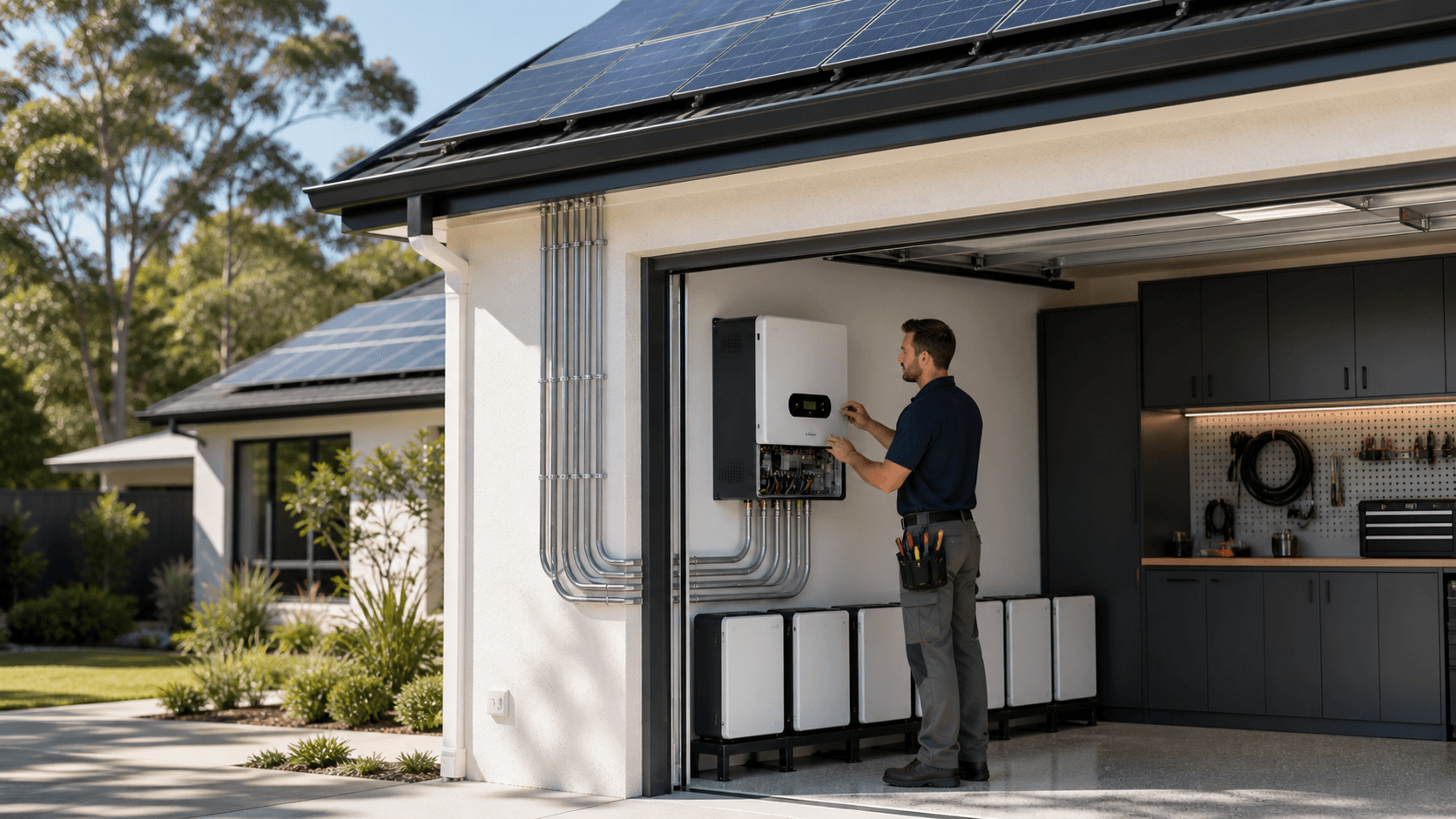
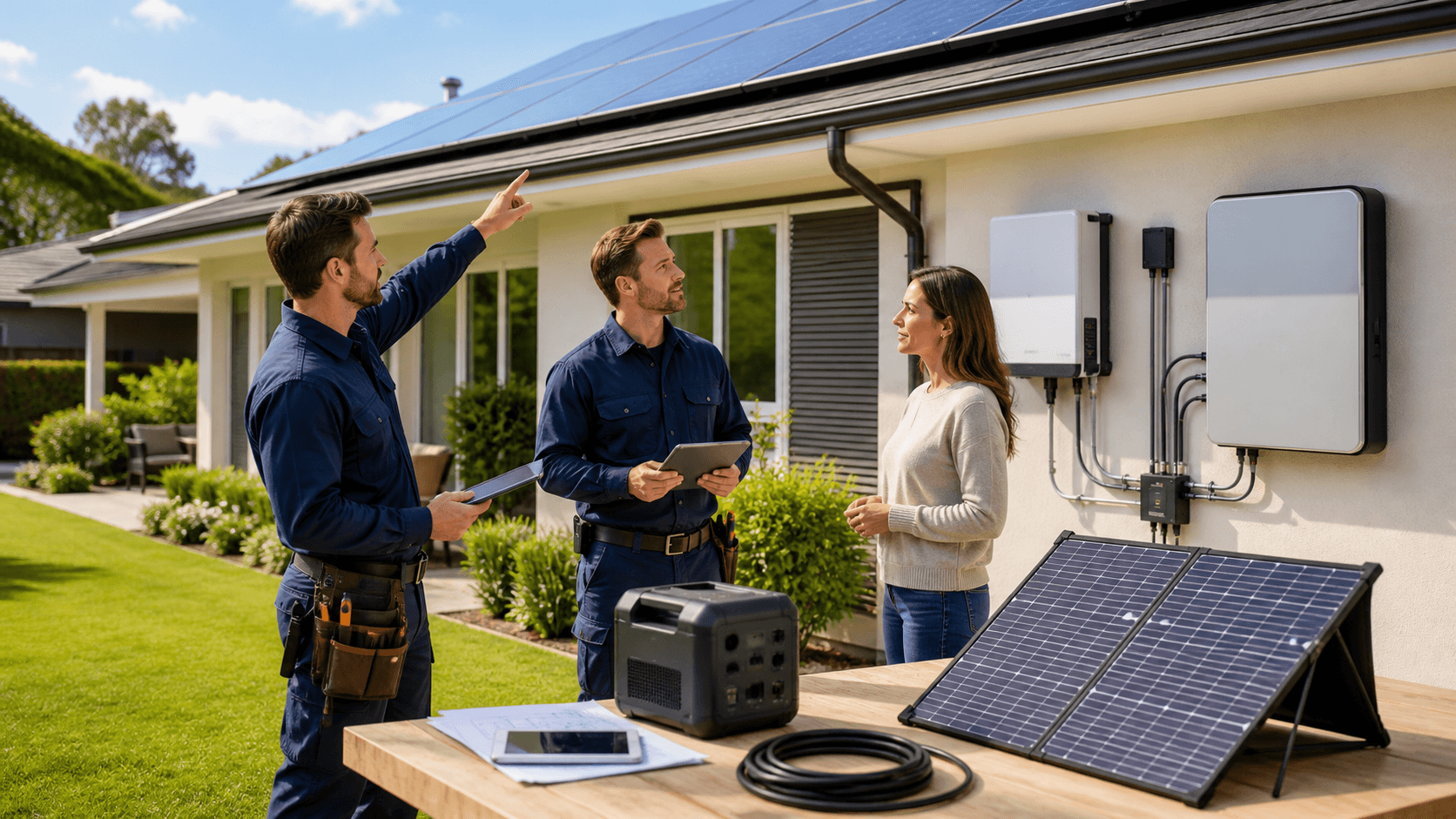
Sometimes it makes sense to strengthen your power system before buying the appliance. Adding solar, more battery storage, or a higher-capacity inverter can protect your critical loads like fridges, freezers, and well pumps. That way, the freeze dryer becomes part of a stable system instead of the thing that keeps shutting everything down.
Smart Strategies to Run a Freeze Dryer on Limited Power
Once you have a unit that matches your system, daily habits matter. Scheduling is one of the biggest tools you have. Many off-grid homeowners find that starting a batch mid-morning works well. That way, the power-hungry freeze stage and early vacuum time overlap with peak sun.
Other smart tactics include:
- Avoiding new cycles late in the day, so heavy loads do not run deep into the night
- Watching your weather forecast and lining up batches for clear stretches
- Planning big batches when you know your batteries are at full charge
You can also plan your food batches to save power:
- Pre-freeze trays in a chest freezer before running the cycle
- Group foods with similar moisture so the cycle length stays predictable
- Run fewer, fuller loads instead of many small ones
At the system level, it can help to:
- Switch off nonessential loads during the first hours of a cycle
- Use a generator only for the hard freeze stage during hot spells
- Favor late summer and early fall, when nights are cooler but harvests are strong
Food safety still comes first. It can be tempting to cut cycles short to save power, but under-dried food will not store well. We suggest checking dryness in a few thick pieces from the center of trays, letting them cool, and snapping them open. Simple logs that track what you ran, how long it took, and what your batteries looked like can teach you a lot over a season.
Comparing Freeze Dryers to Other Off-Grid Preservation Options
Freeze dryers for sale are not the only way to build a pantry. Off-grid, it often works best to mix methods instead of trying to run everything through one power-hungry machine.
Here is a simple way to think about it:
- Canning: great for sauces, jams, and some meats, but uses heat and time
- Dehydrating: can often use sun or low power, good for fruits and some veggies
- Fermenting: very low power, relies on cool, stable temps
- Root cellaring: uses the ground for cooling, great for hardy roots
Freeze drying shines when you care about:
- Whole meals you can reheat with just hot water
- Dairy, eggs, and broths that do not can well
- Backpacking or travel meals, light and quick to rehydrate
- High-value produce you do not want to risk losing
Many foods keep just fine with low-tech methods. Grains, beans, some fruits, and sturdy roots may not need freeze drying at all. That means you can save your limited power for meats, full meals, and items that really benefit from the process.
A layered strategy might look like this:
- Use solar dehydrators for herbs and many fruits in high summer
- Can tomatoes and sauces when outside temps help kitchens stay cooler
- Ferment veggies when your home naturally sits in a good temperature range
- Reserve freeze drying for meat, broth, eggs, and favorite meals as hunting season or winter approaches
This way, you do not have to build an oversized solar and battery system just to run one appliance at full tilt all year.
Build a Power-Ready Freeze Drying Setup with Confidence
Before you commit to any of the freeze dryers for sale, it helps to be clear about your goals. How many servings do you really want to put away each month? Which foods matter most to your family? What does your power situation actually look like in the sunny stretch of late summer and early fall where you live?
Treat the freeze dryer and your power system as one project. The right mix of unit size, inverter capacity, battery storage, and solar input will feel smooth and predictable, not stressful. At Green Vista Living, we spend a lot of time helping people match appliances to off-grid systems so they can preserve food without sacrificing cold storage or water pumps. When those pieces work together, freeze drying becomes a steady part of a resilient, year-round food plan instead of a constant fight with your batteries.
Preserve More Of What You Grow With Reliable Home Freeze Drying
If you are ready to store garden harvests, bulk buys, and homemade meals for the long term, explore our carefully selected freeze dryers for sale that fit real home kitchens. At Green Vista Living, we focus on practical, easy-to-use equipment so you can preserve nutritious food without complicated routines. If you have questions about sizing, installation, or power requirements, just contact us and we will help you choose the right setup for your home.