Make Your Power Storm-Proof Before Summer Hits
Summer storms are getting stronger in many parts of the country, with heavy rain, hail, and long heat waves putting real pressure on home power. If you live off the grid or you count on solar for backup, those storms are not just noisy, they are a serious test of your system. Long sunny days are great for charging, but one ugly storm line can flip everything.
We want your off-grid solar system to stay safe and steady when the sky turns dark. In this guide, we will walk through how to tell if your current setup, or the one you are planning, can keep critical power running during intense summer weather. We will look at storm risks, panel strength, battery backup, and simple prep steps you can take before the first big storm rolls across the horizon. At Green Vista Living, we focus on complete off-grid and backup solutions that still work when the grid gives up, and this is exactly where that matters most.
Know the Summer Storm Threats to Solar Reliability
Summer storms hit fast and hard. An off-grid solar system has to stand up to more than just rain on the roof. Common threats include:
- Lightning and power surges
- High winds and flying debris
- Hail striking panels and roofs
- Heavy rain, flash flooding, and standing water
- Rapid heat and humidity changes before and after storms
A grid-tied system can lean on the utility when clouds sit over your house for days. Off-grid power does not have that safety net. Your batteries, charge controller, and inverter have to carry every load, from the fridge to medical devices, without help. That is why charge control and smart load management matter so much more when you are off grid.
It helps to think about risks in three buckets:
- Physical damage to panels, racking, roof, and wiring paths
- Electrical risks like surges, shorts, and ground faults
- Operational risks from days of low sun and slow charging
Often the storm itself is short, but the clouds and sticky air that hang around after can be the real problem. If your array is a bit small or your batteries are older, two or three gray days can pull your state of charge down faster than you expect. Take time to look at local patterns where you live, like hail-prone plains, hurricane coasts, or mountain storms, and keep those in mind when you plan upgrades or new systems.
Test the Strength of Your Solar Panels and Mounting
Your panels and racking are the first line of defense against summer weather. Most panels use tempered glass and strong frames, and they come with wind and hail ratings that should match or beat local building rules. If you are not sure what your panels are rated for, a solar professional can help check the specs and compare them to what storms look like in your area.
Before storm season, it is smart to give your array a careful once-over:
- Look for cracks, hazy spots, or other marks in the glass
- Check for loose clamps, missing bolts, or crooked rails
- Watch for rusted hardware or staining around roof mounts
- Note any sagging racking or panels that seem to flex in the wind
Storm-ready mounting usually means lower profile racking that hugs the roof, a tilt angle that sheds rain and light debris, and tight rail-to-roof connections. Stainless or other corrosion-resistant fasteners help keep things from weakening over time. If your panels are on a roof, the structure under them needs to be solid enough to handle both weight and wind uplift.
For ground mounts, pay attention to:
- Concrete footing depth and condition
- Signs of soil movement or erosion around posts
- Areas where water pools after heavy rain
- Nearby trees that could fall or drop branches
If anything looks shaky, this is the time to upgrade. That could mean switching to panels with stronger hail ratings, replacing weak or rusty hardware, tightening to proper torque, or even moving panels away from tree lines, metal sheds, or known wind tunnels between buildings. Small changes now can keep one bad gust from turning your array into a sail.
Build Battery Backup That Can Ride Out Days of Clouds
During a summer storm, your panels might be fine, but production can drop way down for hours or even days. In those moments, your batteries become the heart of your off-grid solar system. They keep your fridge cold, water flowing, and phones online while the sky sorts itself out.
Two common battery types for off-grid homes are:
- Lithium iron phosphate, often lighter, with deeper discharge options and good cycle life
- AGM or gel lead-acid, sealed designs that are steady but usually prefer shallower discharge
Each chemistry handles heat, depth of discharge, and repeated cloudy days differently. A professional can help you match your battery type and size to your climate and your habits.
To size backup for storms, first list your critical loads. Common items include:
- Fridge or freezer
- Well pump or pressure system
- Medical devices and communication gear
- Fans, a few lights, and maybe a small window AC in very hot areas
Estimate how many hours a day each one has to run and how many days of low sun you want to cover. That gives you a target for usable battery capacity. Your charge controller and inverter must also be sized with storms in mind, with enough surge power for motors like pumps and smart low-voltage cutoffs that protect your batteries from being pulled too low when you are riding out long gray periods.
Good habits matter too. Keeping batteries within their recommended temperature range, checking cable connections, and watching system monitors before and after storms all help catch problems early and stretch your backup time.
Smart Protection and Backup Plans for Extreme Weather
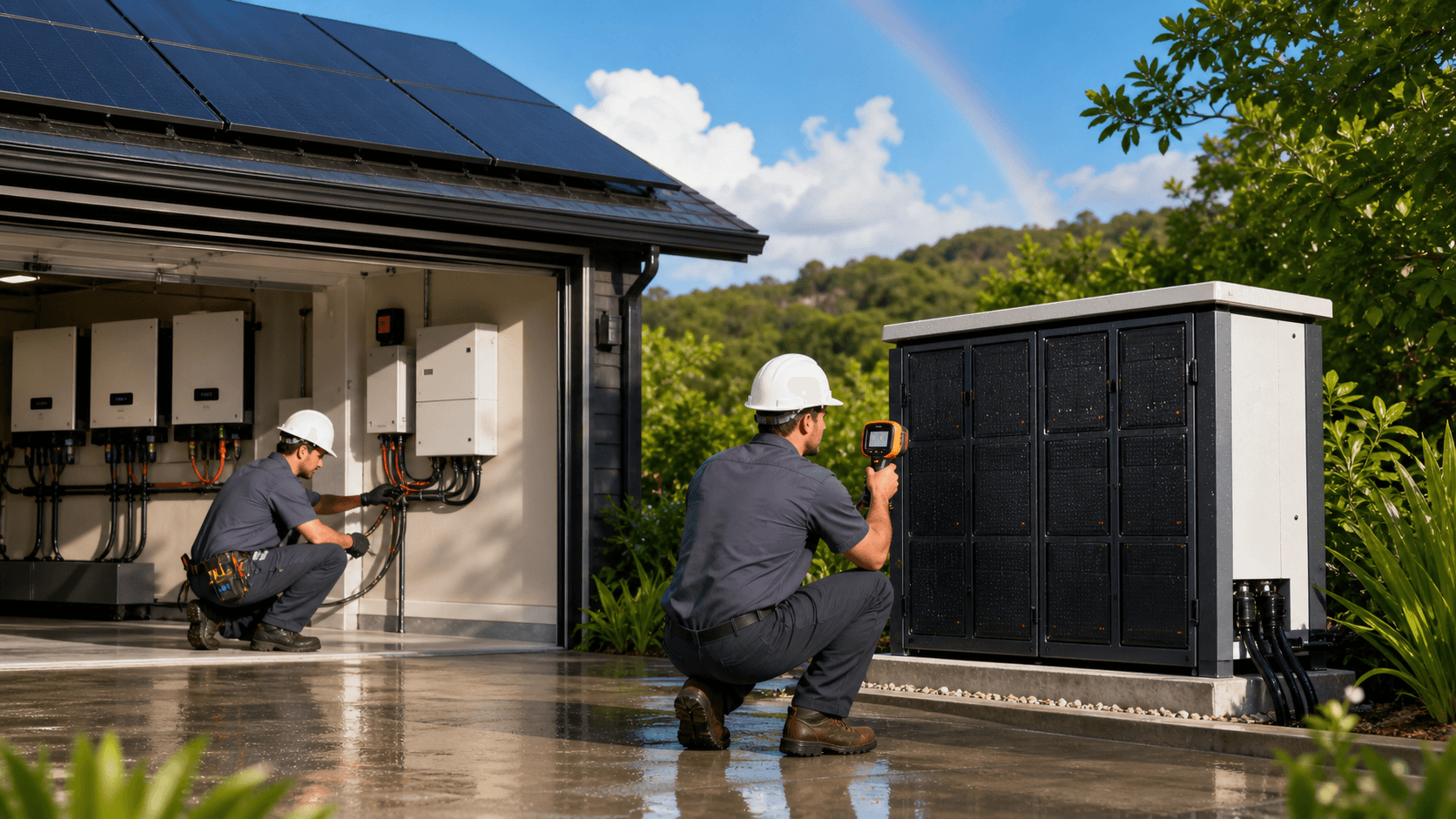
Strong off-grid systems do not rely on luck. They have layers of electrical protection and simple backup plans that everyone in the home understands. At a minimum, most storm-ready setups include surge protection devices, solid grounding, and, where appropriate, lightning arrestors to help give high-energy spikes a safer path to ground. Correct breaker and fuse sizes help lower fire and shock risks if something short circuits during a storm.
Before a forecasted storm, it helps to:
- Top off your batteries as much as possible
- Turn off or unplug non-essential appliances
- Put key devices in low-power or eco modes if they have them
- Delay big loads like heavy power tools or large pumps until after the storm
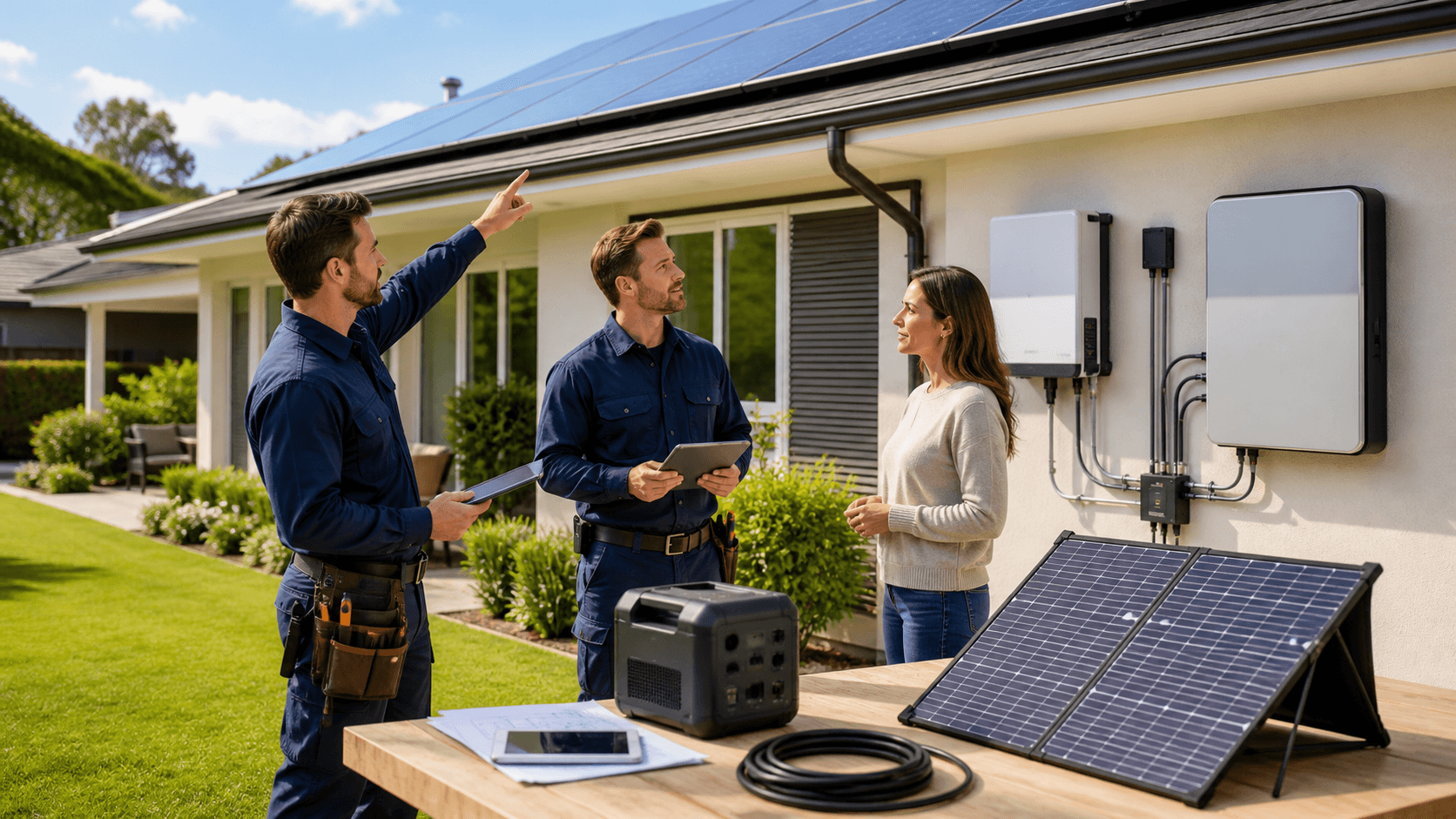
We also like to think in terms of two backup layers. The primary layer is your off-grid solar system with its batteries. A second layer can be a small generator, a portable power station, or extra stored water in case the well pump needs to rest while batteries recharge. This does not have to run your entire home, just the things you truly need to stay safe and comfortable.
During and after storms, load prioritization becomes a daily habit. That might mean shutting down non-critical circuits for a while, not starting several high-draw items at the same time, and watching inverter load levels. A simple storm checklist for the household helps: who unplugs what, where breakers are, what battery levels mean, and when to shift into "critical loads only" mode.
Get Your Off-Grid Solar System Storm-Ready Now
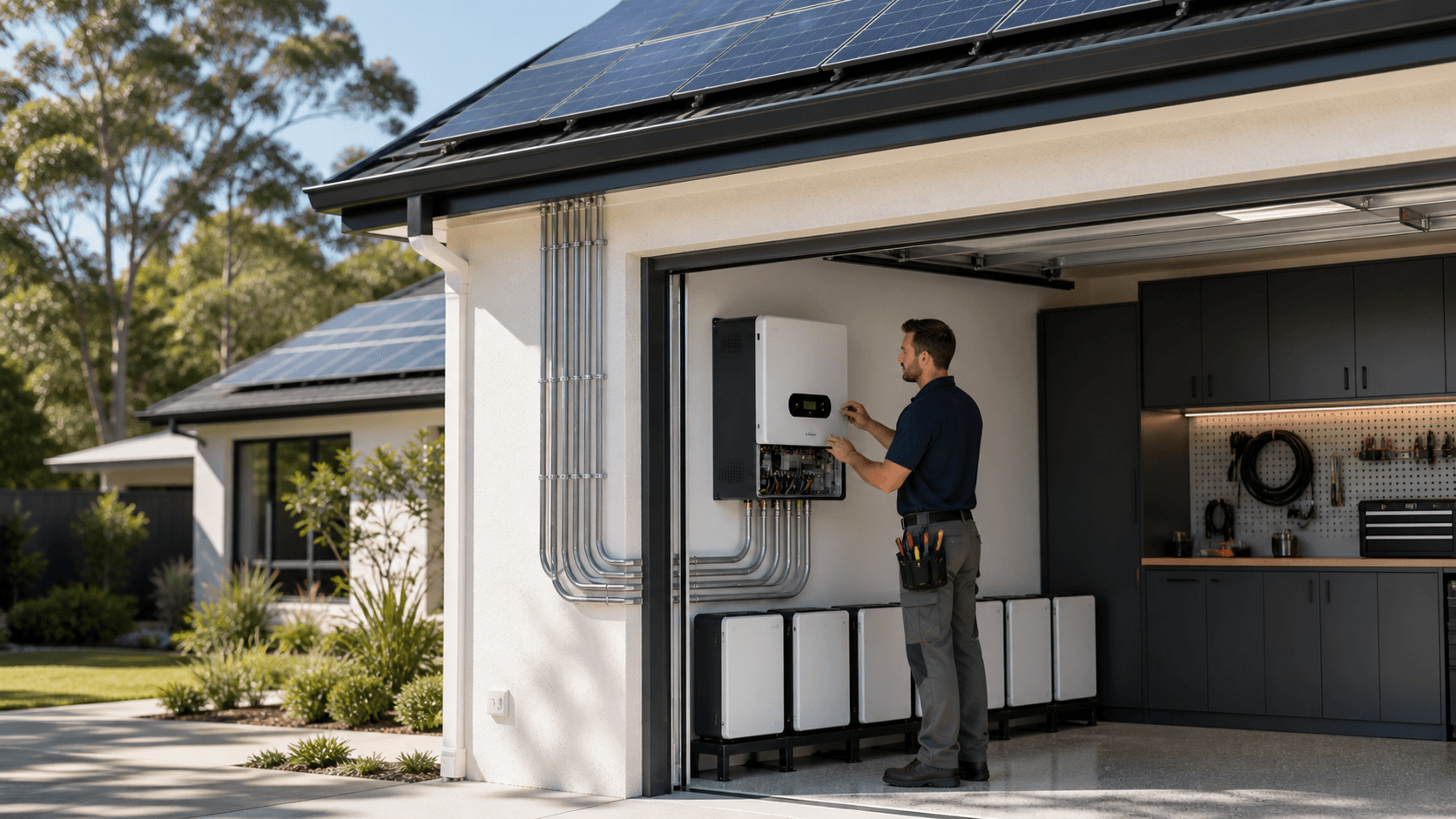
As summer gets closer, it pays to do a quick storm audit of your off-grid solar system. Walk your panels and racking, look over all visible wiring, and note anything that looks worn or loose. Have a professional review battery health, inverter and charge controller settings, and surge protection. Test your critical loads on backup power so you know what runs, for how long, before a storm actually hits.
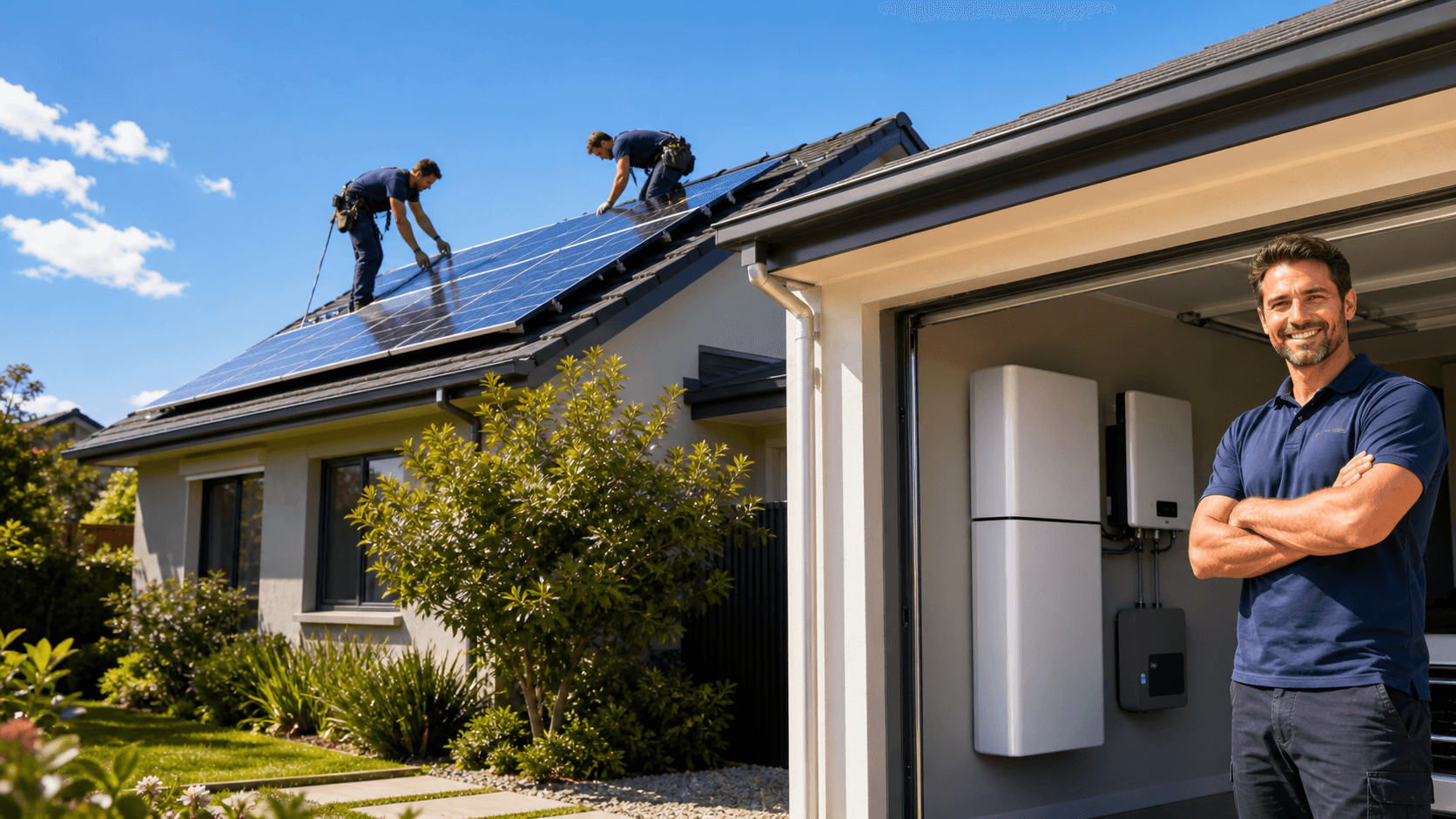
At Green Vista Living, we build and support complete off-grid and backup setups, including solar kits, energy storage, water systems, and air quality products that are meant to work when the grid does not. Getting storm-ready is not about chasing every worst-case story; it is about steady peace of mind. When your panels, batteries, and protection are all working together, summer storms turn into simple system tests, not emergencies that leave your home in the dark.
Get Started With Your Project Today
If you are ready to take control of your energy use and build more resilience, we are here to help you plan the right off-grid solar system for your home or cabin. At Green Vista Living, we carefully match your goals, budget, and power needs so your setup works reliably from day one. If you have questions or want one-on-one guidance, just contact us and we will walk you through your next steps.