Make September's Harvest Last Through Winter
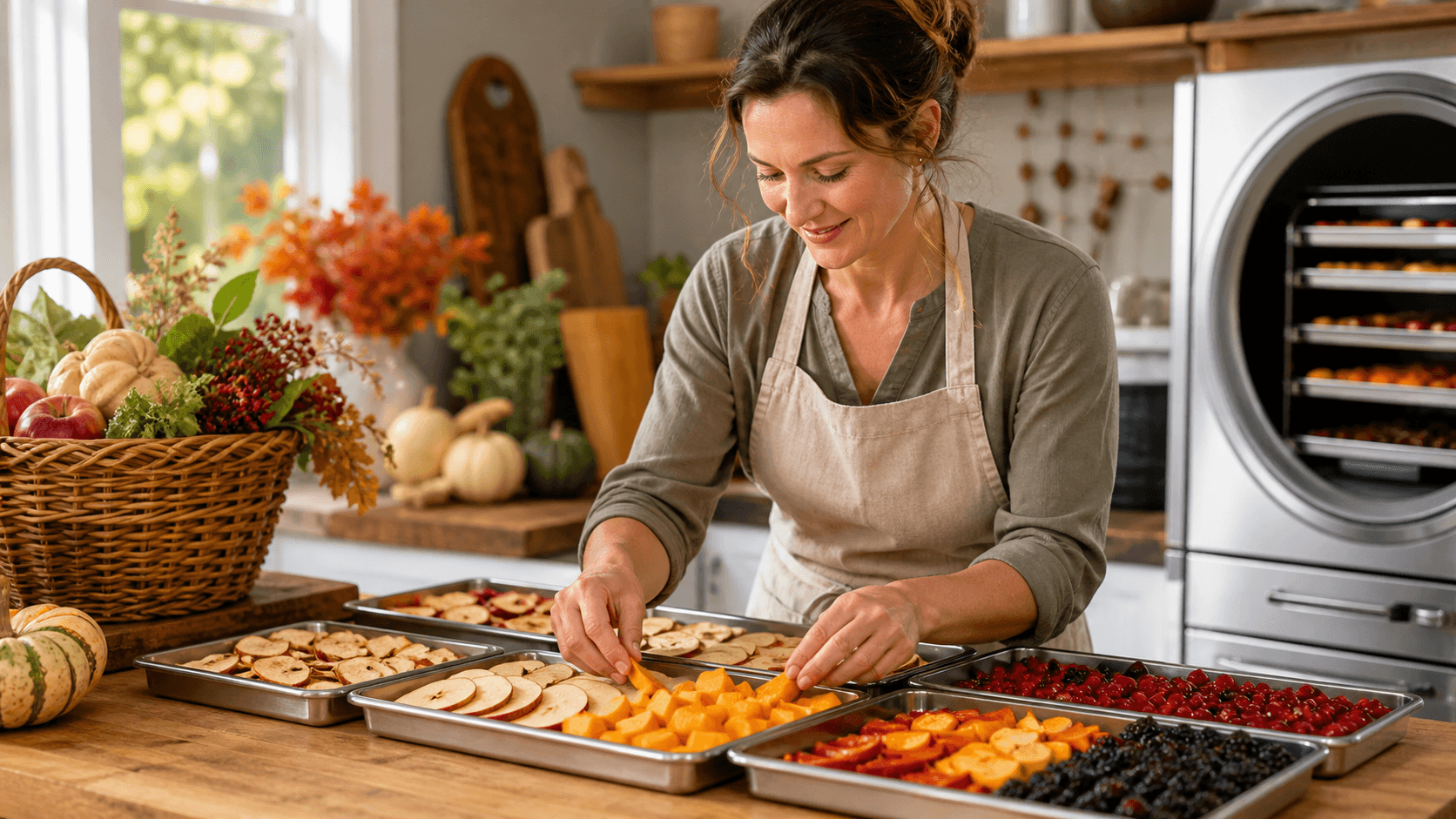
A clean, well-handled freeze dryer tray helps you preserve fall produce with less waste and fewer surprises. Mid-September is a smart time to put away peak-season apples, pears, tomatoes, squash, herbs, and late-summer berries before colder weather settles in.
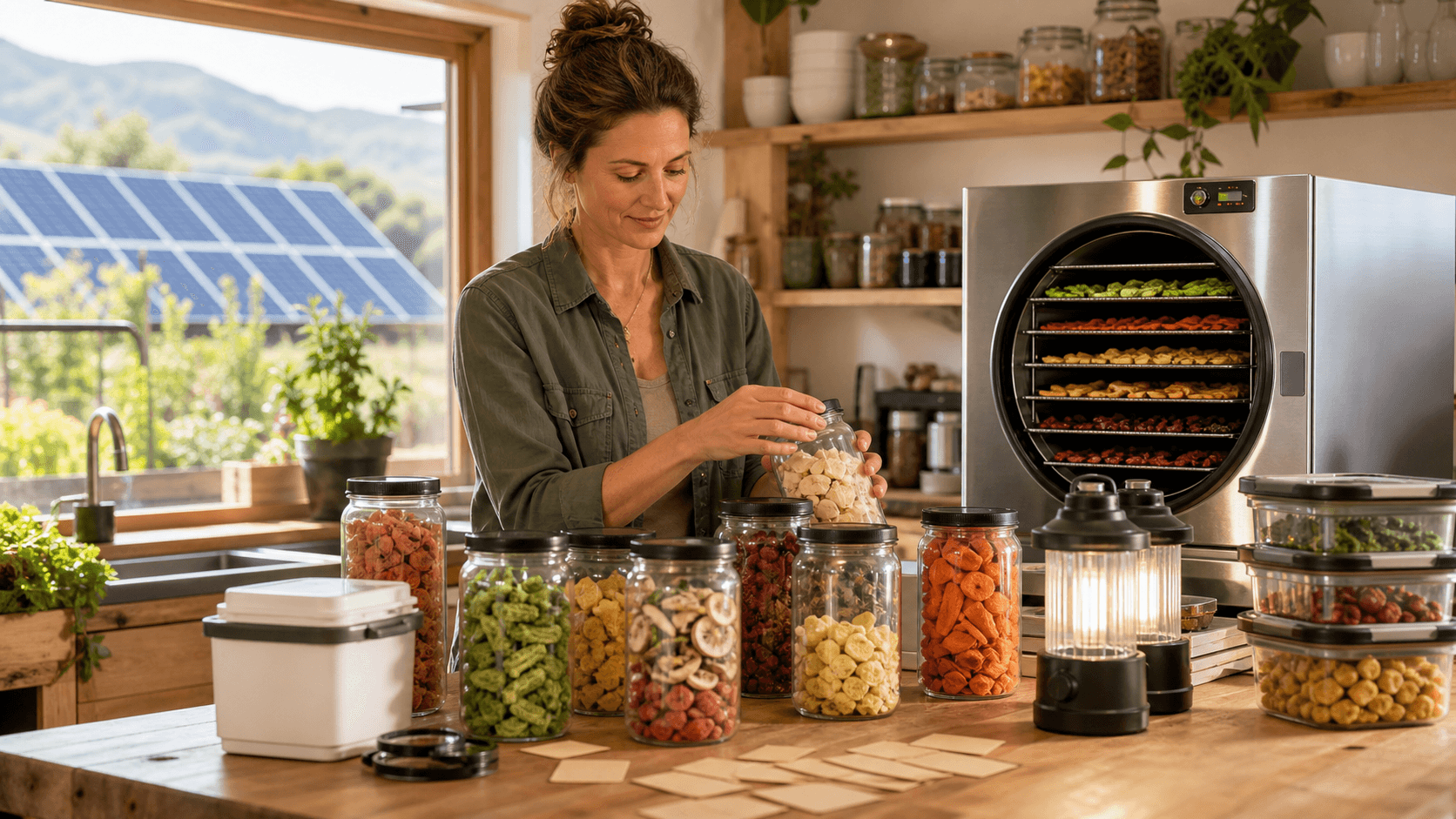
At Green Vista Living, we know a Harvest Right freeze dryer can be a practical part of an off-grid pantry, emergency food supply, remote-cabin kitchen, or self-sufficient household. Freeze-dried foods are convenient to store and easy to keep on hand for seasonal meals. Still, good results begin before the machine starts. Clean trays, thoughtful loading, and dry storage all help keep harvest projects running smoothly.
Start with Clean, Dry Harvest Right Trays
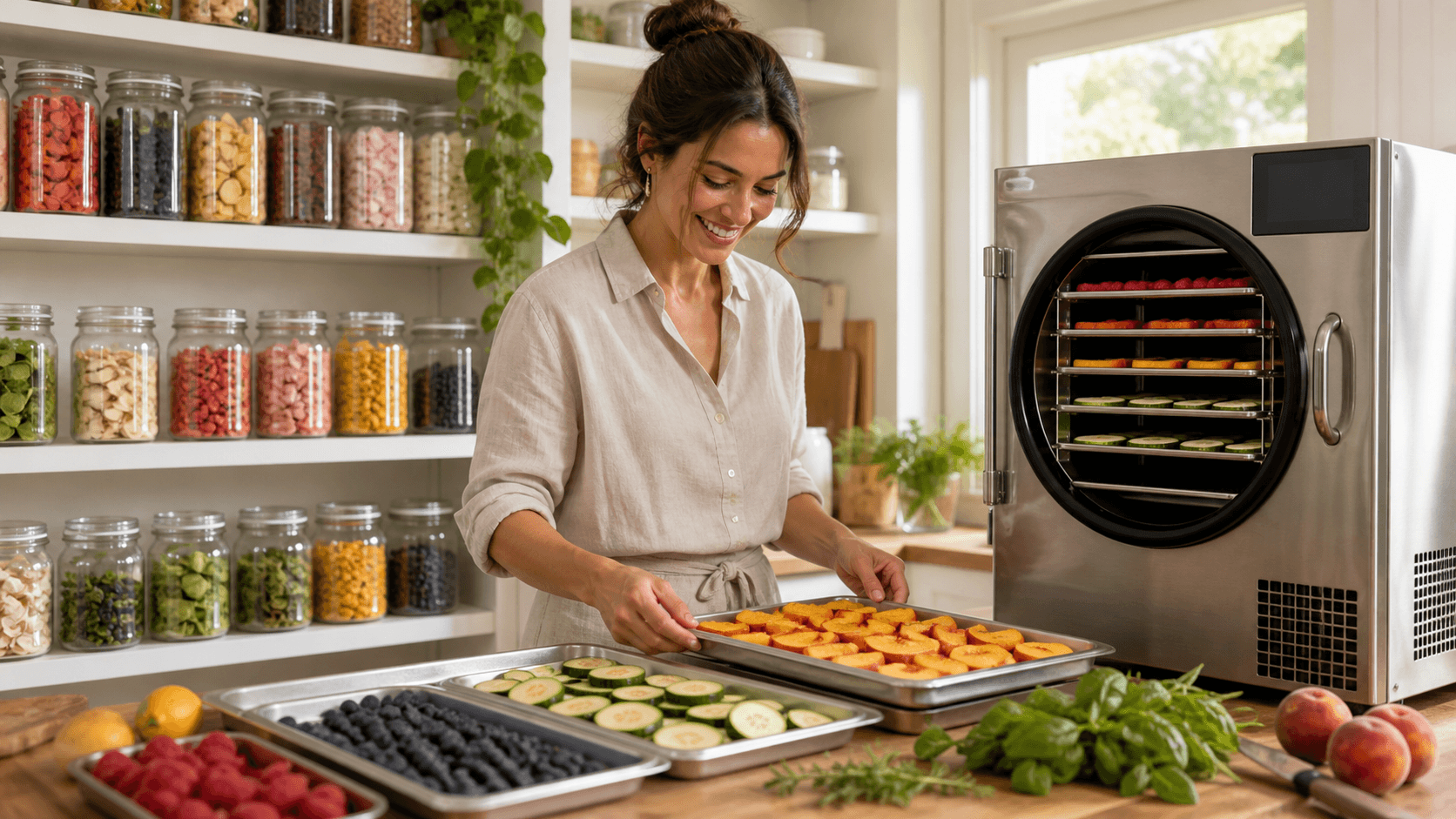
Before loading a single apple slice or handful of herbs, we recommend washing each freeze dryer tray, rinsing it well, and letting it dry completely. Small bits of food, leftover oils, or trapped moisture can affect the next batch. They may also leave behind odors that do not belong with fresh pears, basil, or berries.
Gentle cleaning is usually the best approach. Warm water, mild dish soap, and a soft sponge or cloth can remove normal food residue without being rough on the tray surface. Skip harsh cleaners, steel wool, and abrasive scrubbers. Scratches can make trays harder to keep clean over time.
During the busy fall harvest, one batch often leads right into another. You might dry tomato slices in the morning, herbs later in the day, and applesauce after that. Cleaning between foods helps prevent unwanted flavor transfer, so each item keeps its own familiar taste.
Give trays enough time to air dry before putting them back into the unit. Dry corners and edges deserve extra attention, especially after washing several trays at once. A little patience here can make the rest of the process feel much more organized.
Load Every Freeze Dryer Tray for Even Drying
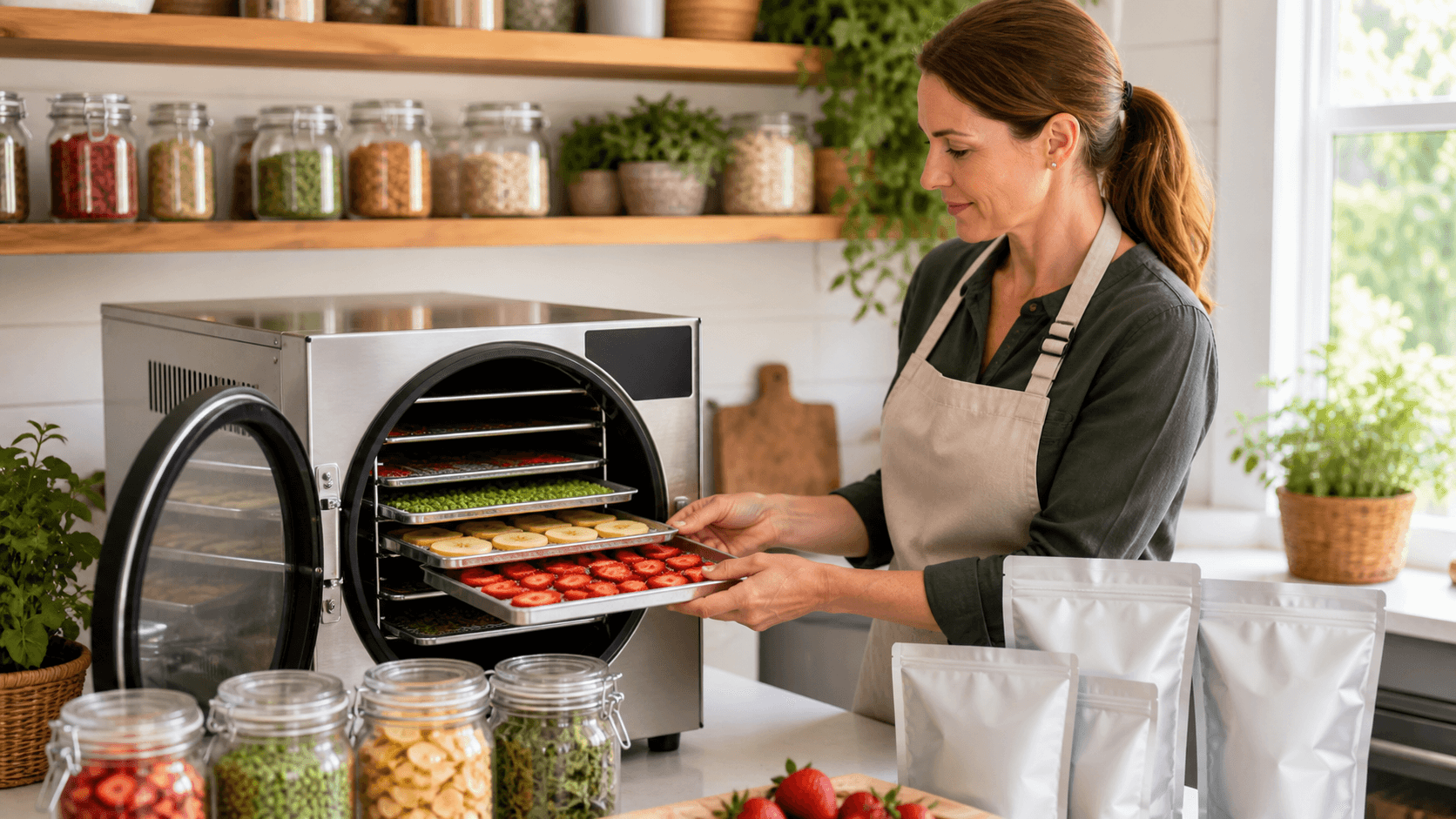
How you arrange food on a freeze dryer tray can affect how evenly it dries. Air needs room to move around the food, so a single layer is usually the best place to start. Avoid piling pieces on top of one another or crowding food against the tray edges.
Consistent cuts also help. When pieces are similar in thickness, they tend to finish at a more similar pace. A batch with very thin apple slices mixed with thick chunks may need extra attention before packaging.
For common September produce, we suggest keeping these loading habits in mind:
- Slice apples and pears into similar-sized pieces.
- Cut tomatoes into even rounds or wedges.
- Spread herbs loosely rather than packing them down.
- Cut or pierce berries when appropriate for the fruit and your preferred preparation.
- Leave small gaps between pieces whenever possible.
Overfilling may seem like a shortcut when your kitchen counter is covered with produce, but it can create uneven moisture removal and longer processing times. Rather than forcing everything into one load, we encourage smaller, more dependable batches or having extra trays ready for the next round.
A little space on the tray can save frustration later. It also makes dried food easier to remove and package without crushing delicate herbs or breaking fruit pieces into crumbs.
Handle Sticky Fall Foods Without Damaging Trays
Soft fall foods can be some of the most useful items to preserve, but they need a gentler touch. Applesauce, fruit purées, pumpkin purée, mashed sweet potatoes, and cooked squash can stick directly to a tray if they are not prepared carefully.
For these foods, we recommend using tray liners or parchment-style liners made for freeze-drying projects. A liner can make removal easier and help keep the tray surface cleaner after the batch is done. Keep the liner flat, with no large folds or raised edges that could catch during handling.
When spreading a purée or mash, aim for a thin, even layer. Thick spots can dry differently than thin ones, while product pushed too close to the edge can spill when you carry the tray to the Harvest Right unit.
A few simple habits can make sticky foods easier to manage:
- Use manageable portions instead of filling each tray to the brim.
- Spread mixtures evenly with room near the edges.
- Keep trays level while moving them.
- Let the tray sit securely before closing the unit.
Sticky foods may take more care than sliced fruit, but they can add welcome variety to a winter pantry. Pumpkin purée can be stored for later cooking, applesauce can become a handy snack, and dried squash can be kept as a flexible meal ingredient.
Clean and Store Your Freeze Dryer Tray Between Batches
Once dried food has been removed, give each tray a quick reset before the next batch. If the tray feels very cold, allow it to return to room temperature as needed. Brush away loose crumbs first, then wash off any remaining residue with warm water, mild dish soap, and a soft cloth.
Drying matters just as much after a batch as it does before one. Store trays only when they are fully dry, including the corners and undersides. Moisture left behind can lead to stale smells or create extra cleaning work when you are ready to preserve the next harvest item.
A protected storage spot keeps trays ready for use during a busy preservation season. We suggest choosing a dry area where trays will not collect dust, grease, or moisture from nearby kitchen and workshop supplies. Avoid stacking heavy items on top of them, since dents or warping can make loading more difficult.
Every so often, inspect your trays before a new project. Look for:
- Dents or warping
- Deep scratches
- Stains that do not wash away
- Lingering odors
- Food residue along edges or corners
Catching a problem early can help you maintain steadier results for winter pantry staples, emergency meals, trail snacks, and remote-cabin cooking supplies.
Build a Better Fall Pantry One Batch at a Time
Tray care may feel like a small part of freeze drying, but it supports every batch that follows. Clean loading habits, careful handling of sticky foods, and dry storage can help protect your equipment while keeping seasonal produce easier to manage.
Start with one useful fall project, such as apple slices, tomato powder, herb blends, or pumpkin purée. As your routine becomes familiar, each clean freeze dryer tray can help you preserve more of the harvest with confidence and keep your pantry ready for the colder months.
Make Every Harvest Tray Count
At Green Vista Living, we help home preservers choose equipment that supports dependable seasonal storage. Explore a freeze dryer tray setup designed to make batch preparation and cleanup easier. If you have questions about finding the right Harvest Right model for your goals, contact us for guidance from our team.