Freeze Dehydrator Myths Off-Grid Owners Should Rethink
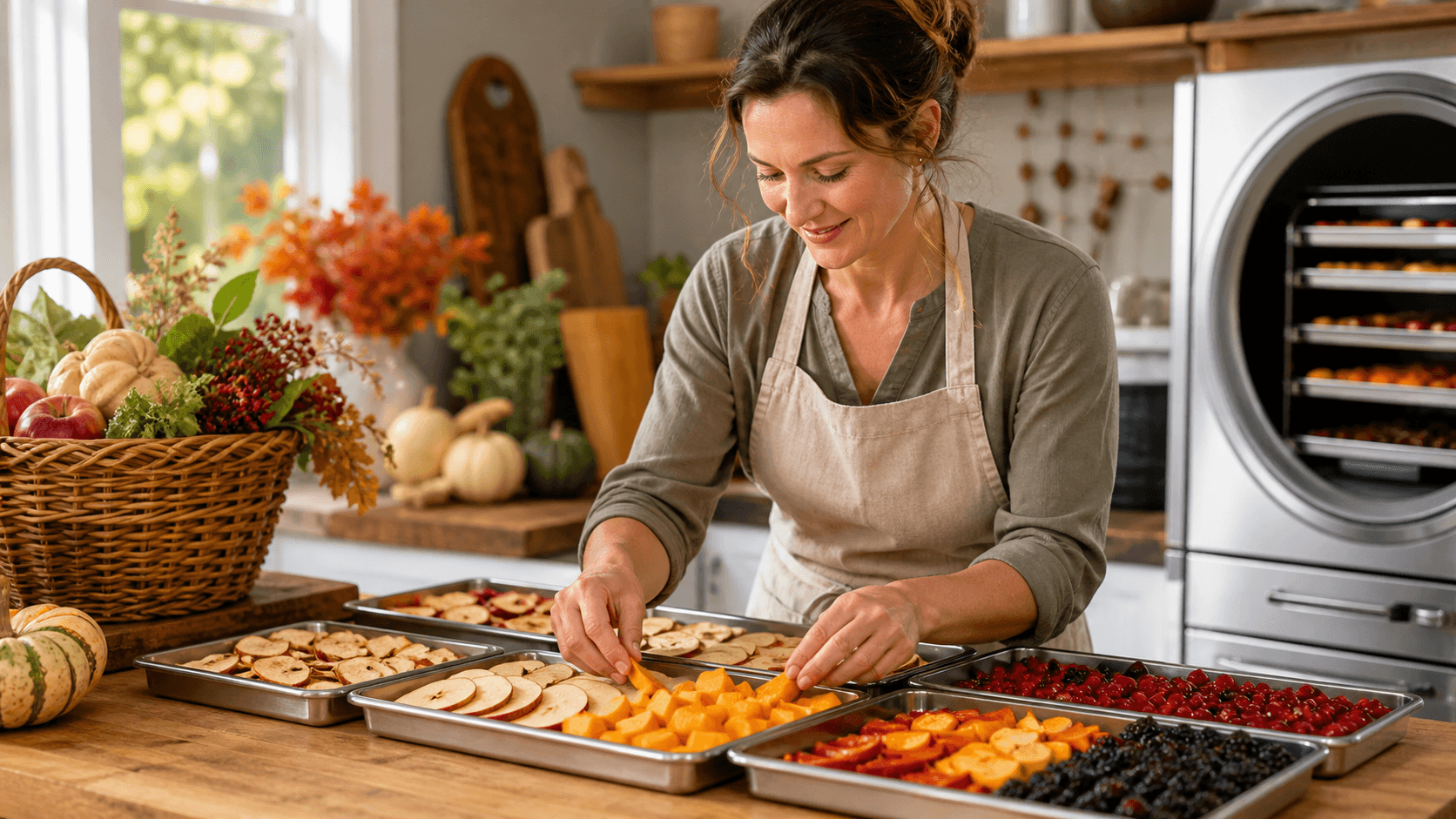
Right in the middle of summer, gardens and orchards can flip from calm to crazy in a week. One moment you are picking a handful of berries, the next you have buckets of tomatoes, beans, squash, and more than you can eat fresh or stack in jars. That is when a freeze dehydrator starts to look interesting, especially if you live off-grid or spend a lot of time at a cabin or in an RV.
Many off-grid families are now looking at freeze drying as a way to lock in nutrition and flavor for the long months of cold weather. But there are a lot of myths out there that make people hesitate. Today we want to clear those up so you can choose the right food preservation tools for your homestead, bug-out spot, or weekend place. When we know what is myth and what is real, we can build a stronger food system long before the first frost hits.
Freeze Dehydrator vs Dehydrator: Why They Are Not the Same
A common myth is that a freeze dehydrator is just a fancy dehydrator with a higher price tag. In reality, they work in very different ways.
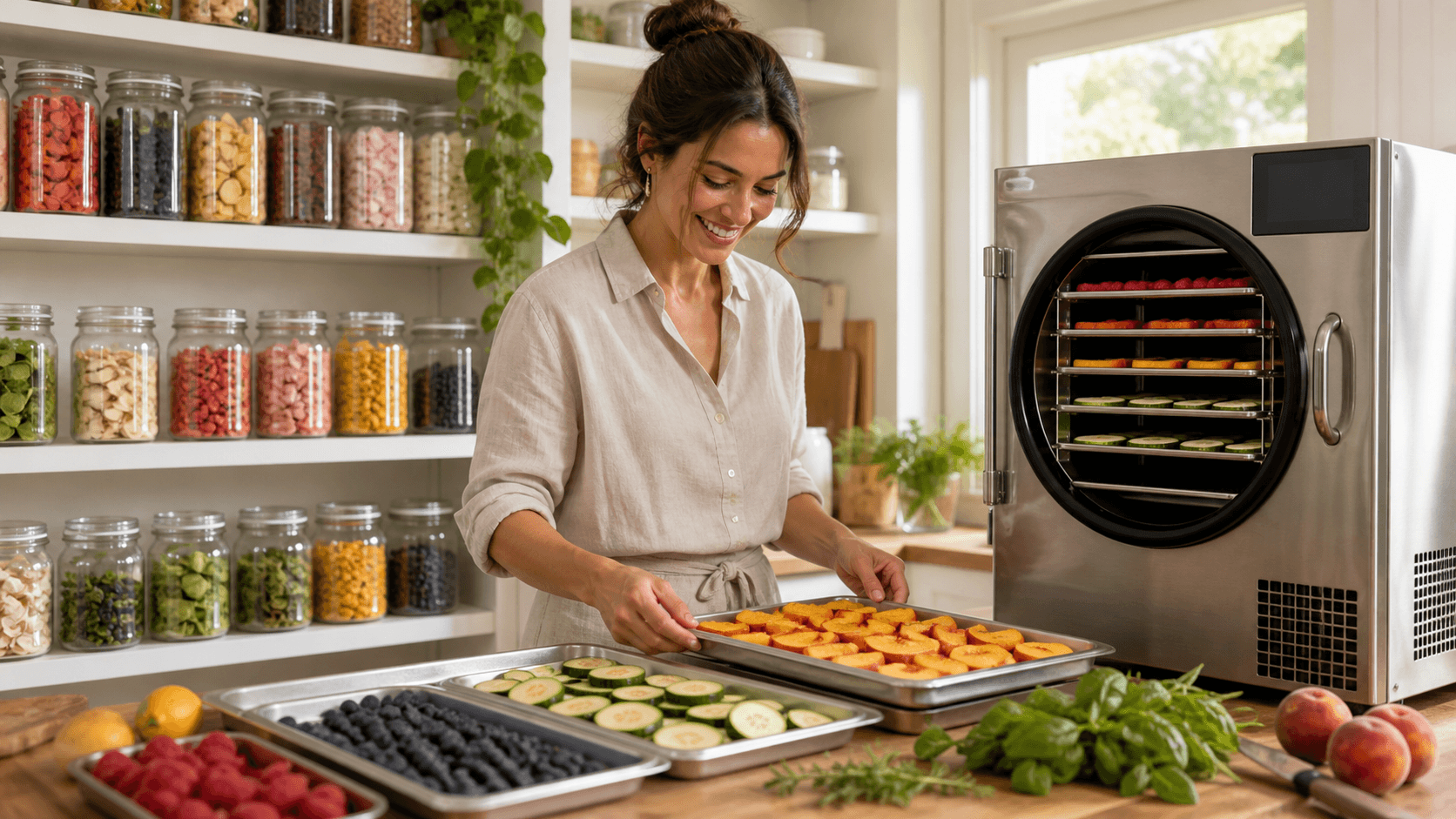
A traditional dehydrator dries food with warm air. It pulls moisture out slowly using heat and airflow. A freeze dryer, on the other hand, freezes the food solid, then pulls moisture out as vapor under vacuum. This process is called sublimation and it happens at low temperatures instead of high heat.
That difference changes the final food in a big way:
- Freeze-dried food can store much longer when it is packaged correctly
- It often keeps its original shape and color better
- It usually has a light, crisp bite and rehydrates closer to fresh
- Many nutrients handle low temperatures better than high heat
A standard dehydrator is still great for herbs, fruit leather, and quick snacks. That is why people get confused: both tools remove water, both can sit on a counter, and both work well for off-grid life. But they do not replace each other. They fill different jobs in your pantry.
For many off-grid owners, the right setup is a mix: dehydrator for quick-dry items and a freeze dehydrator for long-term storage and full meals. Choosing between them, or choosing both, depends on your lifestyle, power system, and how you like to eat when roads are icy and stores are far away. At Green Vista Living, we pay close attention to that whole picture so people can match their preservation tools to how they actually live, not just the latest trend.
Can You Run a Freeze Dehydrator Off-Grid?
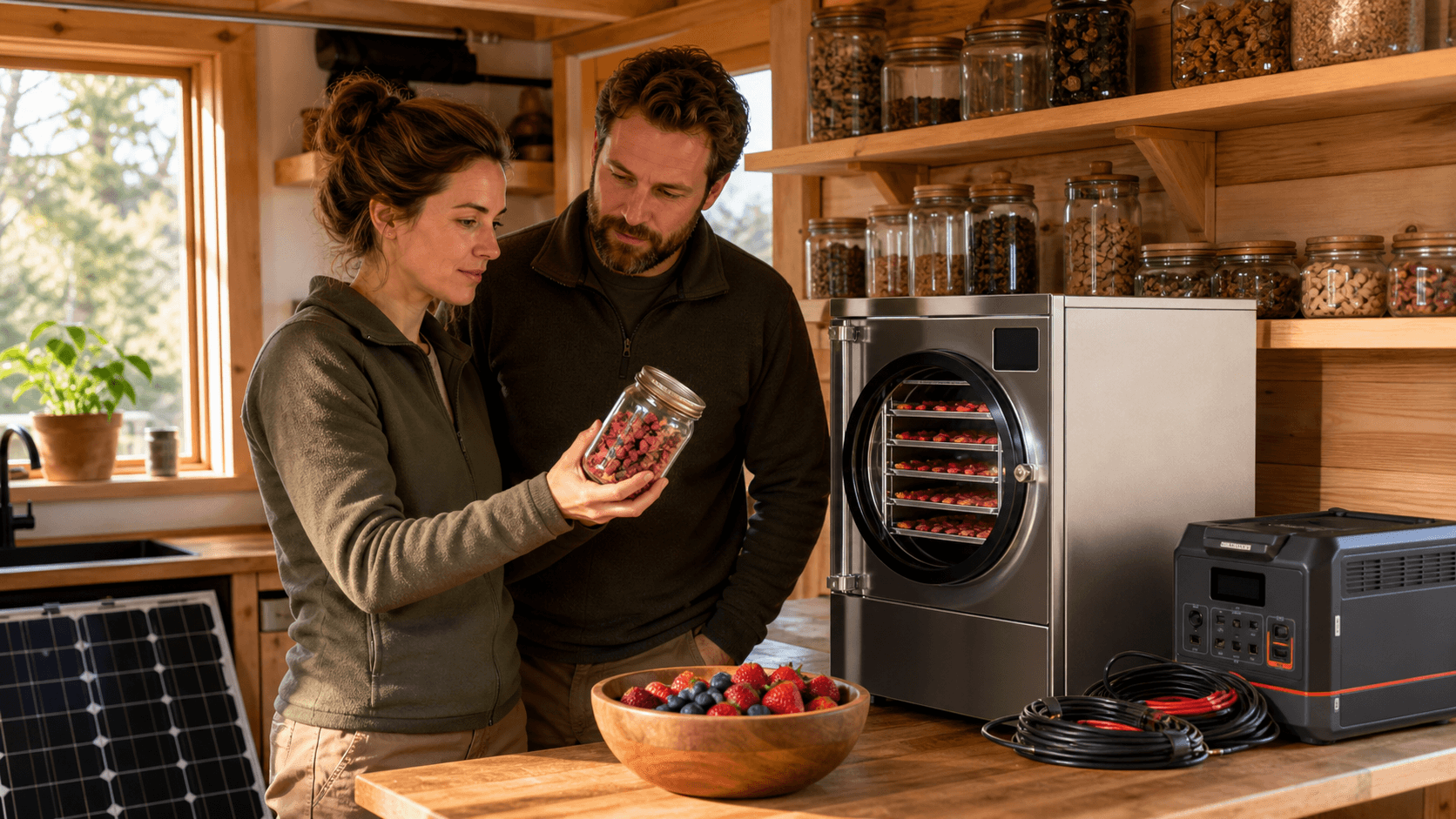
Another big myth says a freeze dehydrator is only for people tied to the power grid. That keeps many homesteaders from even looking at one. It is true that freeze dryers use more power than a simple dehydrator and that a full cycle can take many hours. But with the right off-grid setup, they can fit in cleanly.
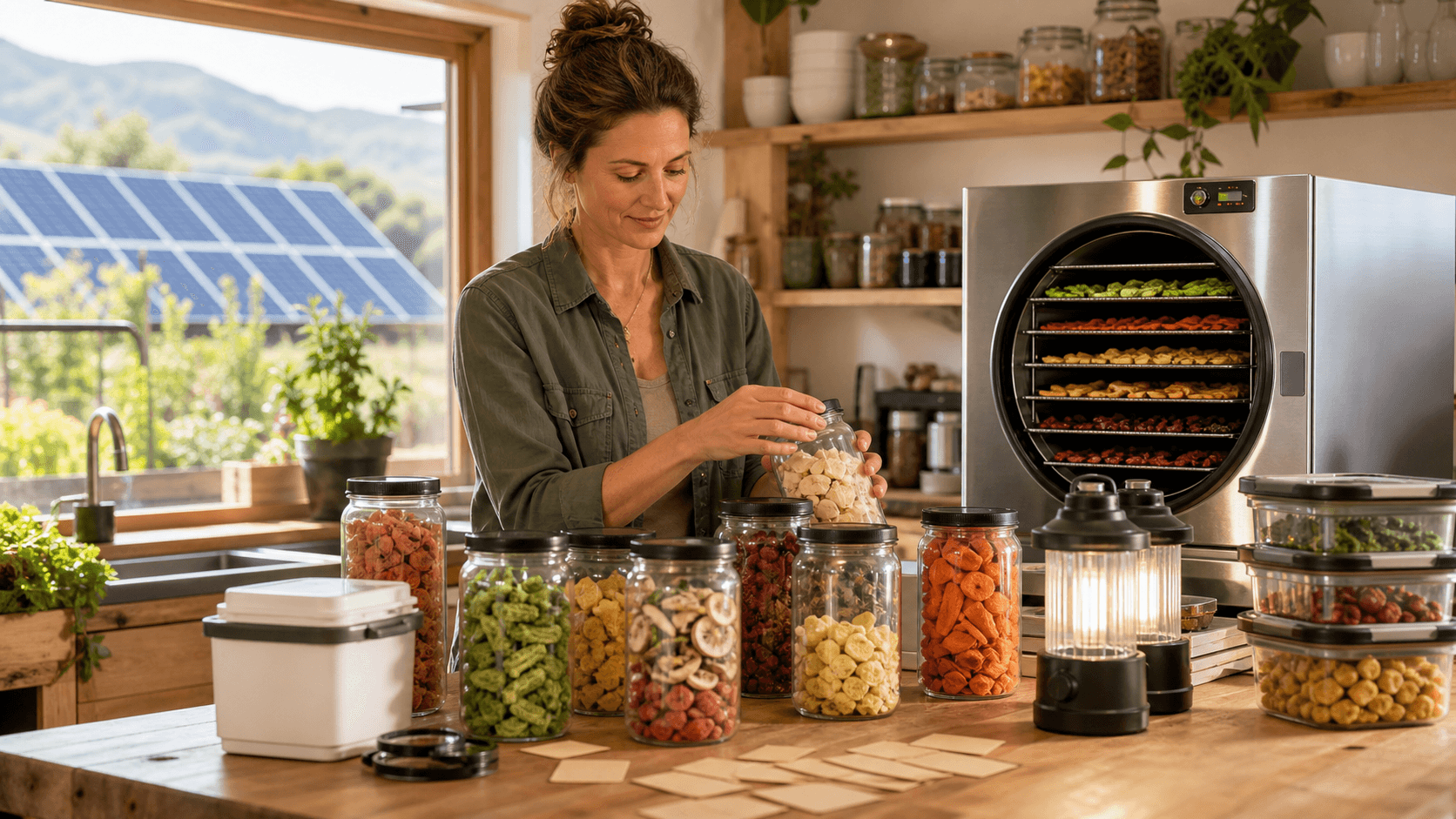
Modern solar power systems, inverters, and battery banks can support these loads when they are sized with that goal in mind. Some off-grid owners like to:
- Run freeze drying cycles during peak sun hours
- Let the system finish overnight on battery power
- Save the heaviest batches for bright, clear days
- Use monitoring tools to watch loads in real time
Good planning helps a lot. You can stagger batches around your harvest schedule so you are not running several big tools at once. You can also pick freeze dryers that are known to be friendly to solar setups, with smart controls and steady draw.
We spend a lot of time pairing freeze dehydrators with off-grid power kits, batteries, and monitoring solutions that are designed to carry that extra load. When power and preservation are planned together, off-grid living feels calmer and more secure.
Not Just for Preppers or Perfect Weather
A lot of people think freeze dehydrators are only for hardcore preppers who want to fill a bunker. That is another myth worth dropping.
Freeze-dried food fits normal, everyday life:
- Trail food for hikes and hunting trips
- Quick RV meals that do not need fridge space
- Easy snacks for kids that are just fruit and nothing else
- Simple "just add water" dinners for busy nights
If you are seasonal at your cabin, you can process local produce while you are there, then take the finished food home. If you are full-time off-grid, you can turn extra eggs, dairy, and meat into shelf-stable meals. Small-scale growers sometimes like turning surplus into gifts or extra side income.
Freeze drying also helps trim food waste. Those extra trays of tomatoes, that big pot of stew, or extra scrambled eggs can be saved instead of tossed. When you pair that with other off-grid systems like rainwater collection and independent power, you build a simple, modern, self-reliant rhythm that does not feel extreme at all. It just feels prepared.
Then there is the summer heat myth. Many people assume hot weather makes freeze drying impossible. High ambient temperatures can affect vacuum pump efficiency, stretch cycle times, and add wear if you are not careful. But heat does not make it a no-go; it just means you need a better setup.
Some helpful midsummer habits include:
- Placing the freeze dehydrator in a shaded or insulated shed
- Adding small fans for airflow around the unit
- Running the longest cycles at night when air is cooler
- Taking advantage of long, sunny days to refill batteries first
July is actually a smart time to start. Gardens are full, farmers' markets are loaded, and there is plenty of food to practice with before fall harvest peaks. By sizing power, airflow, and workspace together with other gear like air systems, power kits, or small structures, you can create a dedicated preservation zone that stays cooler and works more smoothly.
Why Freeze Drying Does Not Replace Everything Else
One last myth is that a freeze dehydrator replaces every other preservation method. It does not, and that is a good thing.
No single tool is perfect for every food. Freeze drying shines with:
- Berries and fruit pieces
- Complete cooked meals and soups
- Eggs, dairy, and many types of meat
- Lightweight meals that rehydrate well
Other methods are often better for:
- High oil foods like certain nuts and butters
- Some pickles and ferments that rely on live cultures
- Root crops that love cool, humid storage
- Large bulk grains that do fine in simple containers
A strong off-grid pantry usually blends methods: some canned items for ready-to-eat meals, some dried goods for daily cooking, some ferments for flavor, and some freeze-dried foods for very long shelf life or travel. At Green Vista Living, we think in terms of whole systems. That means not just food tools, but also water systems, geodesic domes and other structures, saunas, air systems, and off-grid power working together for easier, more independent living.
Turning Myths Into Real Off-Grid Security
When we sort myth from fact, a freeze dehydrator becomes less of a mystery and more of a clear, useful tool. It is not just an expensive dehydrator, not only for preppers, and not blocked by summer heat or off-grid power, as long as the rest of your setup is planned with it in mind.
This is a great time to look at your garden and your goals. How much food do you expect to harvest? How long do you want it to last? How strong is your power system and where will you put your preservation gear? At Green Vista Living, we care about helping people answer those questions so their cabins, homesteads, and RVs feel stocked, comfortable, and calm when winter settles in. The choices you make during summer harvest can shape how secure and independent your off-grid home feels for many months to come.
Preserve Your Harvest With Easy, At-Home Freeze Drying
If you are ready to keep your garden bounty and favorite meals fresh for years, our freeze dehydrator makes long-term food storage simple and reliable. At Green Vista Living, we help you choose the right setup so you can protect both flavor and nutrition. Have questions before you get started? Just contact us and we will walk you through your options.