Keep Critical Loads Running Through Fall Outages
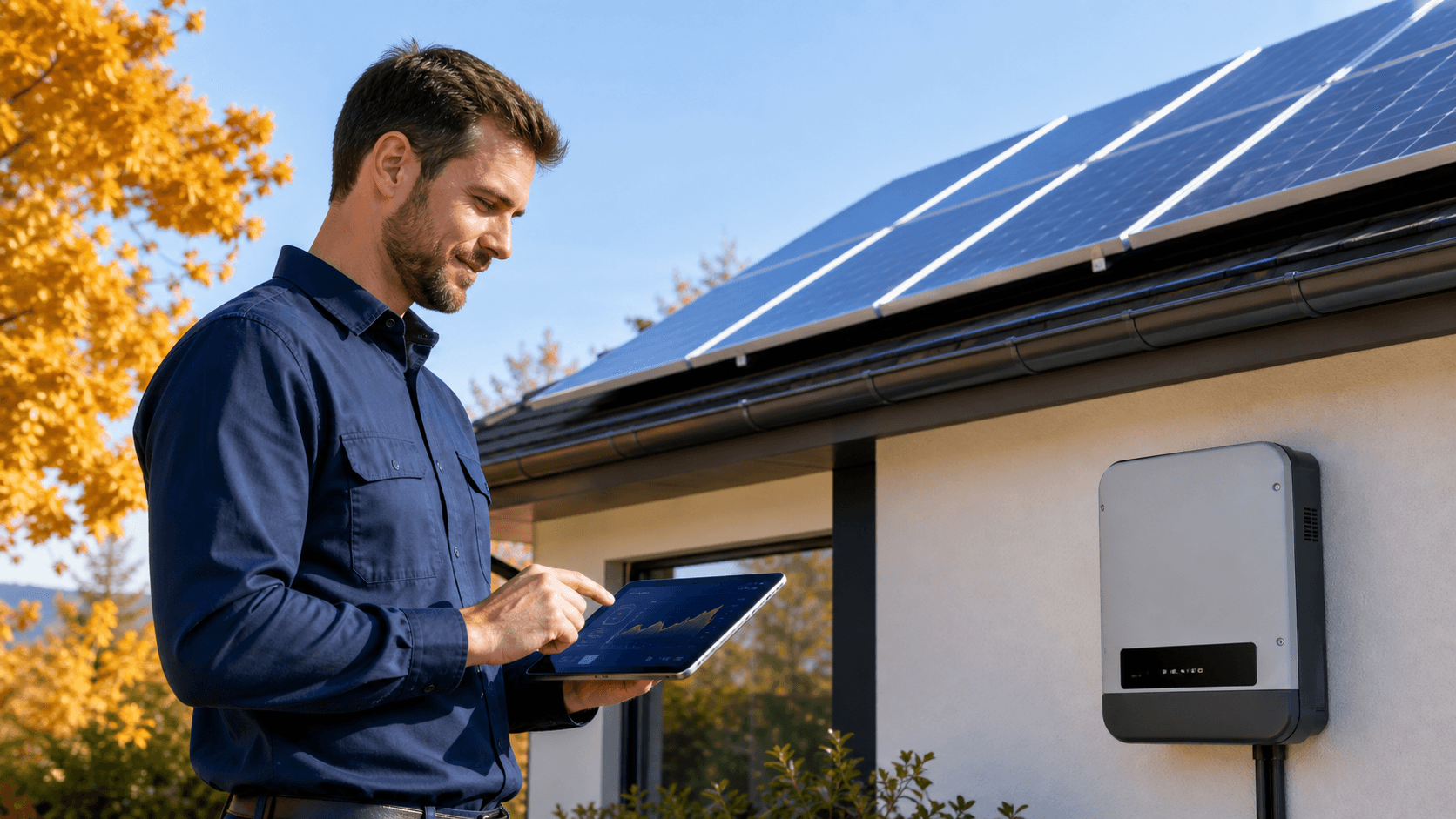
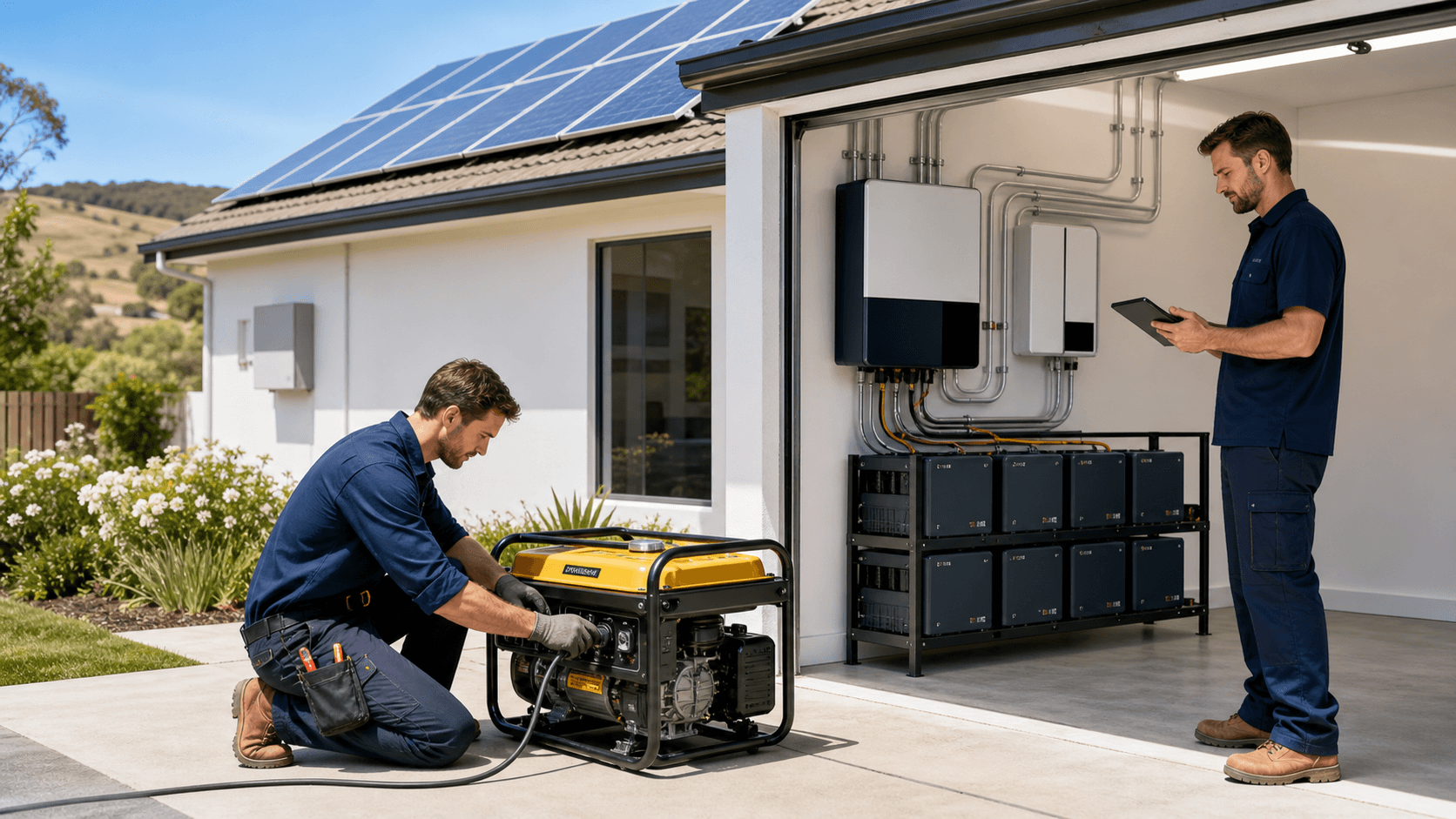
A generator paired with a Sungold Power hybrid inverter can give your backup plan another layer of support when fall storms roll in and winter weather is close behind. At Green Vista Living, we see this pairing as a practical way to recharge batteries and keep selected circuits available when cloudy days, shorter daylight hours, snow cover, or a long outage reduce solar production.
The goal is not to run every appliance in your home or cabin around the clock. Instead, the generator provides dependable charging power and backup support when your battery reserve or solar array cannot carry the loads on its own. Before severe weather arrives, we recommend making a plan for your critical loads, generator output, electrical compatibility, charging limits, and a safe system test. Your specific inverter manual and a qualified electrician should guide final installation decisions.
Size Generator Power Around Real Household Loads
Start by separating the circuits you truly need from the ones that can wait. A focused backup plan is usually easier to manage, uses less fuel, and places less strain on the generator and battery system.
Critical loads may include:
- Refrigerators and freezers
- Well pumps, sump pumps, and heating controls
- Internet equipment, lighting, and selected outlets
- Medical equipment that must remain powered
Convenience loads can include electric dryers, large electric ranges, central AC systems, hot tubs, and other high-demand appliances. Those items may need far more generator capacity than you want in a storm-focused backup setup.
Next, build a realistic load list. Look for running watts and starting watts on appliance labels and manuals, or use measured usage when available. Motors deserve special attention. A refrigerator compressor, pump, freezer, or power tool may need a short burst of extra power when it starts, even though its normal running demand is lower.
We recommend sizing around this real-world list rather than your home's full electrical service. Then compare your expected loads with the documented AC input limits, charging capacity, and battery bank requirements for your Sungold Power hybrid inverter. A generator that is too large may burn fuel inefficiently during light use. One that is too small can struggle when a motor starts or may recharge batteries slowly. Leave reasonable headroom so the generator can charge batteries while still supporting the critical circuits you need.
Match Generator Output to Your Inverter
Generator compatibility starts with voltage and phase. Before choosing equipment, confirm whether your Sungold Power hybrid inverter accepts 120-volt, 240-volt, or split-phase AC input. A portable generator is not automatically compatible with every inverter model, even if its outlet appears to match a plug you already have.
Output quality matters, too. The inverter needs generator power that stays within the voltage and frequency range listed by the manufacturer. Inverter generators are often worth considering for battery charging and electronics because they are designed for stable output. Conventional generators can also be appropriate, but we recommend evaluating their maintenance condition, output stability, and performance under changing loads.
Electrical details must be planned carefully with a licensed electrician, including:
- Neutral bonding and grounding arrangements
- A correctly rated generator inlet and breaker
- Transfer equipment and approved connection methods
- Wiring requirements in the Sungold Power installation documentation
Incorrect grounding or neutral arrangements can cause nuisance faults, safety concerns, or inverter errors. Never backfeed a generator through an outlet or connect it with improvised wiring. Generators also must stay outdoors, away from garages, windows, doors, and vents, where exhaust cannot enter occupied spaces.
Configure Generator Settings Carefully
Once the electrical connection is approved, the inverter settings determine how your system uses generator power. Depending on the Sungold Power hybrid inverter model, you may need to set the AC input type, maximum input current, battery charging current, charging priority, and low-battery thresholds.
Those settings should reflect the generator's actual capacity, not the full demand of your home. A generator may seem capable of powering a few household loads, yet aggressive battery charging can push it too hard when a pump or refrigerator starts at the same time.
We suggest beginning with conservative charging limits. After a supervised test confirms that the generator runs steadily with realistic loads, your electrician can help determine whether adjustments are appropriate. Slow, reliable charging is better than repeated overloads, fault codes, or a generator that stalls when you need it most.
Some systems may support automatic generator start. Where compatible equipment is installed, the start strategy may be tied to battery state of charge, battery voltage, scheduled charging periods, or extended low-solar conditions. Before relying on automatic operation, confirm two-wire start compatibility, ventilation, fuel supply, weather protection, and routine maintenance needs. Unattended operation during a winter storm requires careful planning, not assumptions.
Test Your Backup Plan Before Winter Weather
A calm fall day is the right time to see how the system behaves. Begin with a fueled generator, a known battery state of charge, and a manageable group of critical loads. During a supervised test, verify that the generator starts consistently, the inverter recognizes the AC input, and battery charging begins without warnings or fault codes.
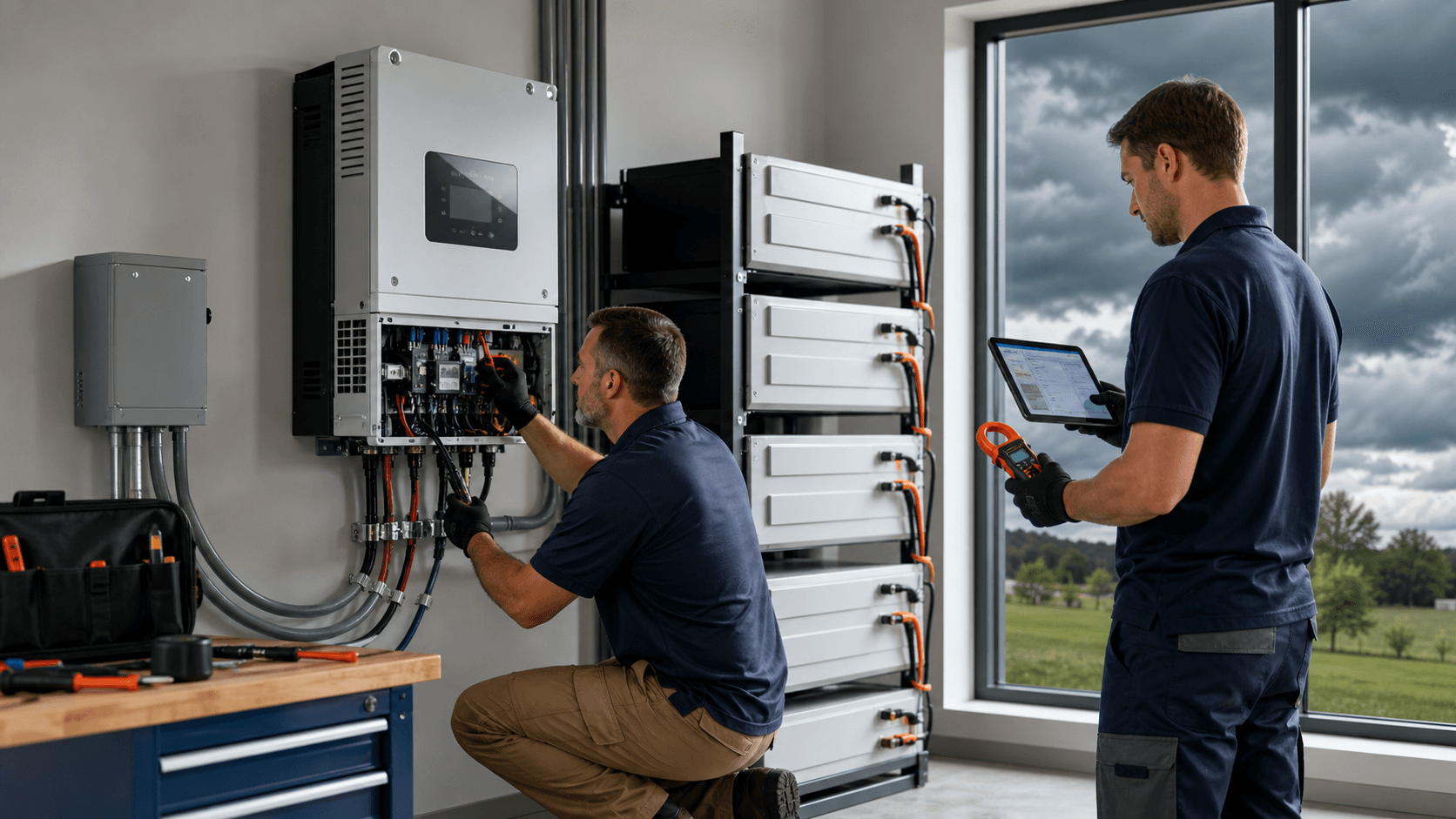
After that, observe realistic load combinations. Watch what happens as refrigerator compressors, well pumps, sump pumps, or heating equipment cycle on. This kind of test can reveal whether you need more generator surge capacity or lower battery charging settings. We recommend involving a qualified electrician whenever changes to wiring, breakers, transfer equipment, or inverter programming are needed.
Seasonal readiness also includes simple preparation. Check fuel freshness, oil level, air filters, and the generator starting battery. Keep approved cables available, confirm carbon monoxide detectors are working, and make sure snow or heavy rain will not block safe access to the generator. Document the final Sungold Power hybrid inverter settings and keep equipment manuals and emergency contact information near the electrical system.
A properly matched generator can help your battery system ride through low solar production and longer outages with less stress. Complete your load list, confirm inverter input requirements, and test the setup before winter weather turns a planning task into an urgent problem.
Build a More Reliable Backup Power Plan
At Green Vista Living, we can help you compare options for a Sungold Power hybrid inverter that fits your battery bank, loads, and generator strategy. Our team can help you sort through compatible equipment and key specifications before you make a final selection. If you have questions about your setup, contact us for practical guidance.