Summer heatwaves keep getting hotter, and the power grid struggles to keep up. When the AC load spikes and the grid shuts down, your home can heat up fast. A good home battery backup power system can keep your most important cooling and food loads running so your family stays safe and your equipment stays protected.
In this guide, we will walk through how heatwaves affect your power system, what "critical cooling loads" really are, and how to size and run a battery backup so it keeps you cool without overloading or overheating. We will also cover simple solar-plus-storage ideas and smart habits that make your backup work harder for you on the hottest days.
Keep Your Cool When the Grid Goes Down
When the power fails in a winter storm, you usually have a little time. The house cools slowly and you can layer up. In a heatwave, rooms can jump from uncomfortable to dangerous way faster, especially in places with strong sun and high humidity.
Heat-related outages are harder on everyone, especially:
- Older adults and young children
- People with health issues
- Pets that cannot cool themselves well
- Anyone living in upper floors or small spaces
Food safety is another big worry. A fridge or freezer sitting in a hot kitchen starts working harder, then shuts off when the power drops. That can mean spoiled food at the same time you are dealing with extreme heat.
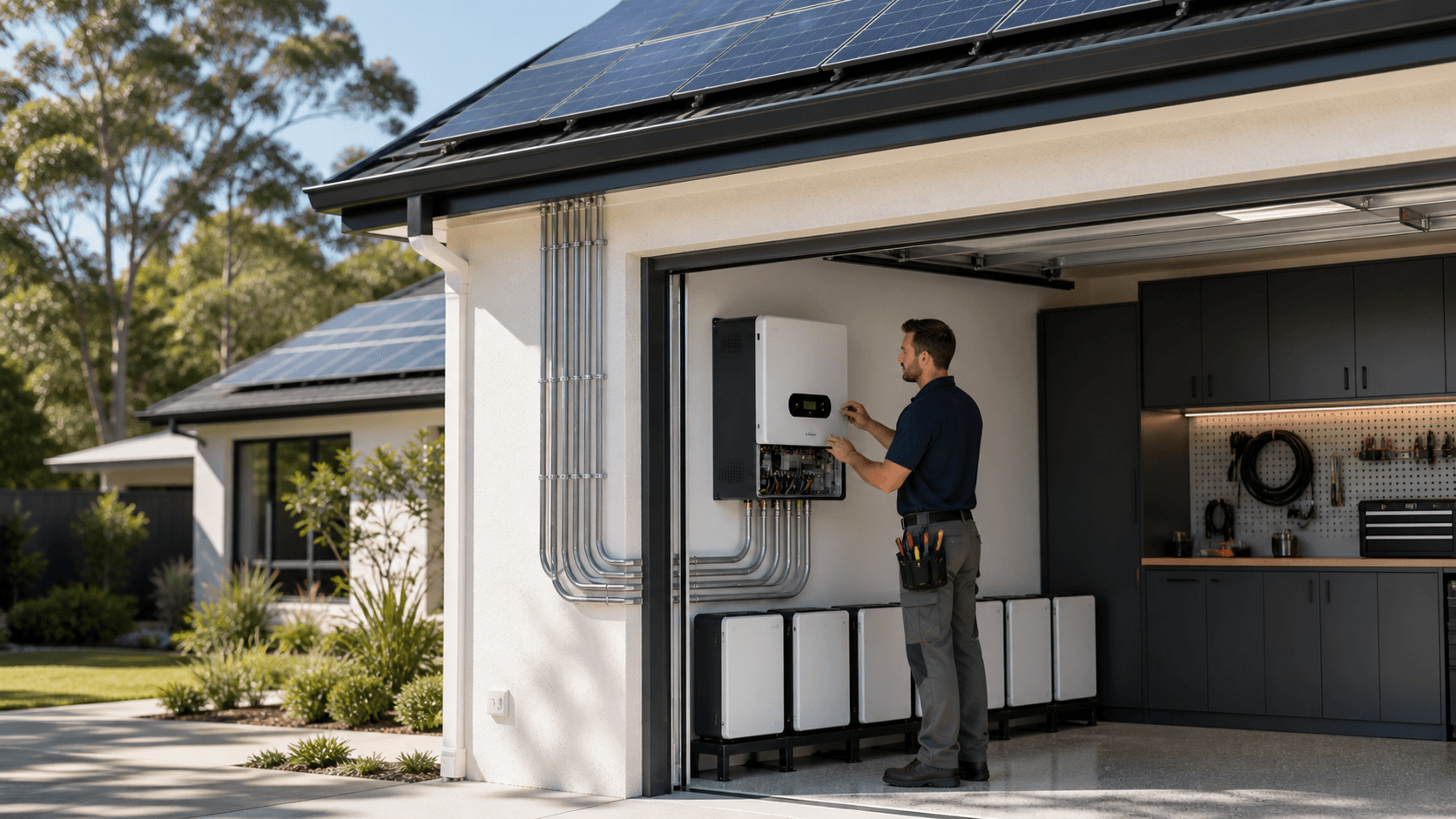
This is where a right-sized home battery backup power setup can make a real difference. Instead of trying to run everything like normal, you focus on the key cooling loads that keep your home livable, and you run them in a smart way so you do not overload your system.
Why Heatwaves Are Hard on Your Power System
Heatwaves are rough on the power grid and on your own backup gear. As temperatures climb, people run AC longer and harder. That load puts stress on aging lines and transformers, and in some regions fire risk can also lead to planned shutoffs.
Your own backup setup feels that strain too:
- High outdoor and indoor temps warm your batteries and electronics
- Cooling devices, like mini-splits and fans, run longer and draw more power
- Any weak spots in wiring, breakers, or small inverters show up fast
There is a hidden risk a lot of people do not think about: stacking big loads on a small backup source. For example, a small gas generator or undersized battery might handle a fridge alone, or a fan alone. But if the fridge compressor kicks on at the same time a mini-split ramps up and a TV and lights are already running, the total surge can trip breakers or shut down the inverter.
That kind of overload is not just annoying, it can be hard on both your backup system and your appliances. Careful planning helps avoid these sudden spikes.
Understanding Critical Cooling Loads in a Blackout
In a heatwave outage, your goal is not to keep the whole house at perfect comfort. Your goal is to stay safe, protect food, and keep at least one cool, breathable space.
Most people find their "critical cooling loads" look something like this:
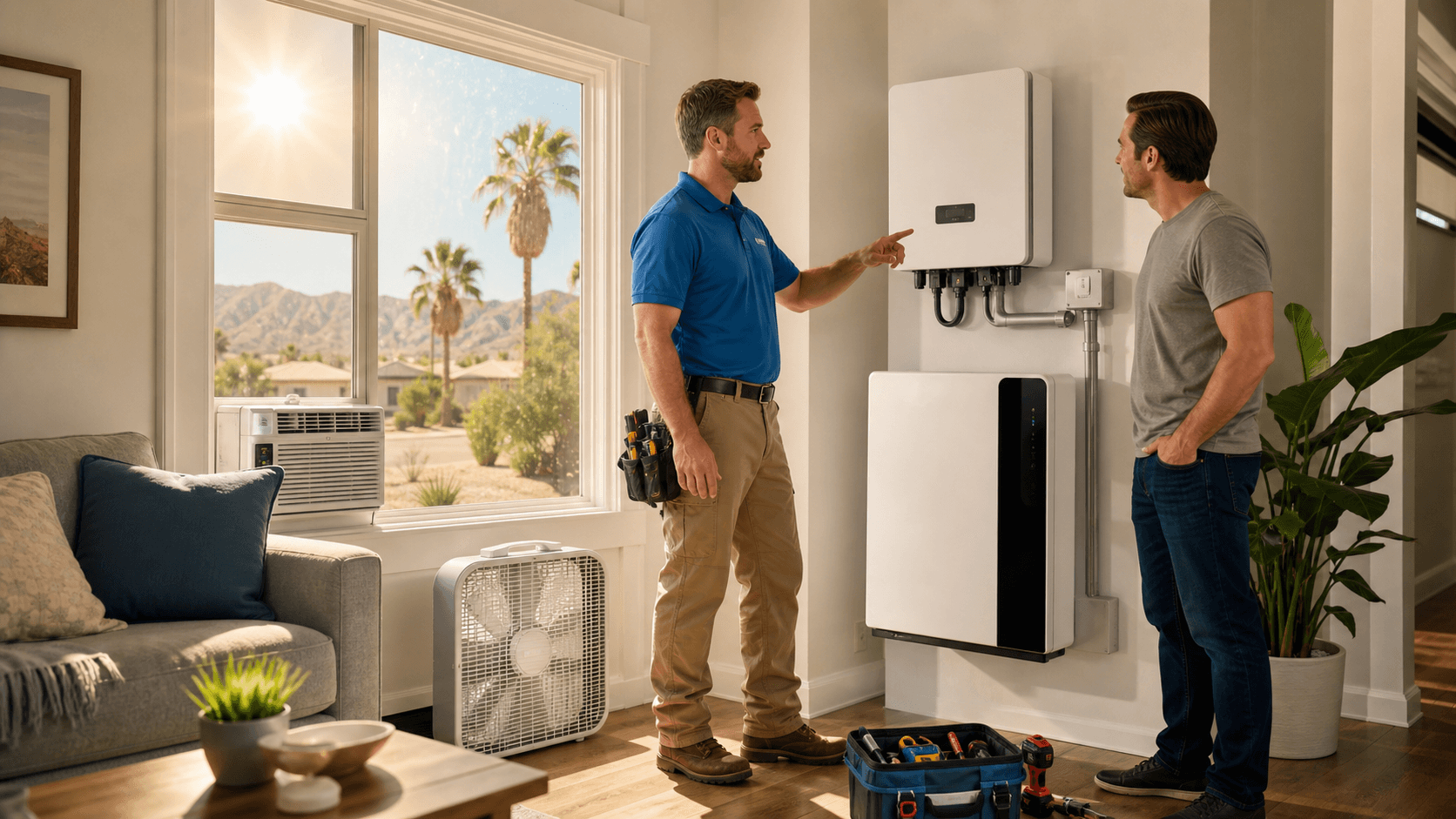
- One high-efficiency mini-split or small window unit in a main "safe room"
- A few key ceiling or box fans to move air
- Refrigerator and maybe a standalone freezer
- In humid regions, a small dehumidifier for mold and comfort
Mini-splits are often much more efficient than older central AC systems, especially if you cool just one or two rooms instead of the whole house. Fans use far less power than AC and are great at stretching your cooling. A modern refrigerator usually draws less than an older model, which really helps in a blackout plan.
There are two simple ideas to understand when planning:
- Duty cycle. Devices like fridges and mini-splits do not pull full power all the time. They cycle on and off. That means their average use across the day is lower than their max rating.
- Start-up surge: Compressors and some motors draw a short power spike when they start. Your inverter and battery must be able to handle that surge, not just the running watts.
If you skip these details, it is easy to pick a battery that looks fine on paper but shuts down every time the fridge and mini-split start at once.
How to Size a Home Battery Backup for Summer Cooling
Here is a simple way to size a home battery backup power system for heatwaves.
- List each critical load
Write down every device you want to run in an outage: mini-split, fans, fridge, dehumidifier, some lights, maybe a few electronics.
- Find watts or amps
Look at each label or manual. Note:
- Running watts
- Startup or surge watts if listed
If you only see amps, you can convert using voltage.
- Estimate daily run time
Think about a realistic blackout day in a heatwave:
- How many hours will the mini-split run?
- Will fans run almost all day and night?
- How often will the fridge cycle?
- Calculate watt-hours
Multiply watts by hours for each device, then add them up. This gives a rough daily energy need in watt-hours.
- Adjust for real battery behavior
Batteries have a usable capacity that is less than their total rating. Also, inverters are not perfectly efficient. You want to size so you have a buffer, especially for a 4 to 24 hour outage window.
To stretch your backup even further, you can:
- Cool a single "safe room" aggressively instead of the whole house
- Pre-cool the home before a planned outage or peak period
- Set mini-split temps a bit higher and use fans to keep air moving
These habits reduce the load on your battery and help it ride out longer heat events.
Prevent Overheating Your Battery and System
Heat is hard on batteries and electronics. High ambient temperature can lower performance and shorten lifespan, especially if your system sits in a closed, sunny space with no airflow.
Smart placement matters:
- Avoid direct sun exposure on battery cabinets and inverters
- Choose shaded areas like a utility room or part of a garage that stays cooler
- If using outdoor-rated enclosures, make sure they have airflow and are protected from extreme heat buildup
During a heatwave, it helps to:
- Watch system temperature and state of charge in the monitoring app
- Stagger heavy loads so large devices do not all start at once
- Use eco or low-power modes on mini-splits when possible
- Stay below the listed current and power limits of your inverter
Treat your backup system like you would your car on a hot day. You do not redline it for hours in extreme heat. You drive smoothly and keep an eye on the gauges.
Solar Plus Storage Strategies for Long Heatwaves
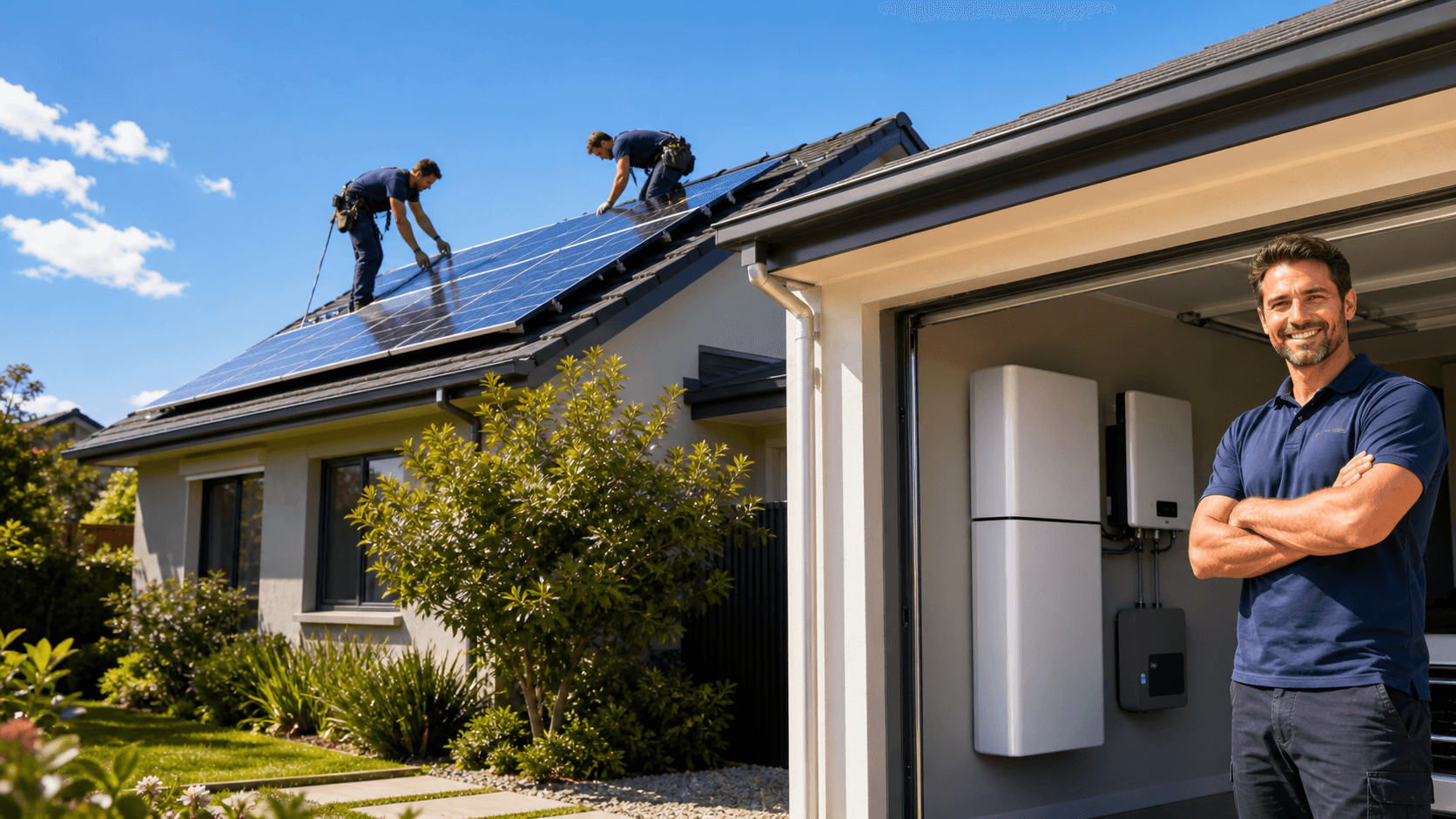
Pairing rooftop solar with home battery backup power is especially helpful in summer. Long, sunny days give your panels plenty of time to refill your battery, even if the grid is struggling.
A simple daily playbook might look like this:
- Charge your battery as early in the day as you can
- Run cooling loads more during strong solar hours, so panels do much of the work
- Save battery energy for late afternoon and evening, when grids often feel the most stress and the sun is low
It is important to be realistic. A modest solar plus storage system can usually handle:
- A fridge and small freezer
- Several fans
- One efficient mini-split or window unit in a main room
Running whole-home central AC for long outages takes a much larger setup and careful design. Many people start with a system sized for critical cooling and food safety, then grow over time as needs change.
Build Your Personalized Heatwave Backup Plan Now
The best time to think about heatwave backup is before the next big hot spell, not during it. A simple written plan helps a lot. Decide:
- Which room will be your main cool zone
- Which appliances are truly must-have during an outage
- How many hours of backup you want to be ready for
Look at your current gear. Maybe you spot an old power-hungry fridge, or you notice you have no dedicated circuits for backup loads. These small details matter when the grid goes down and the temperature is climbing.
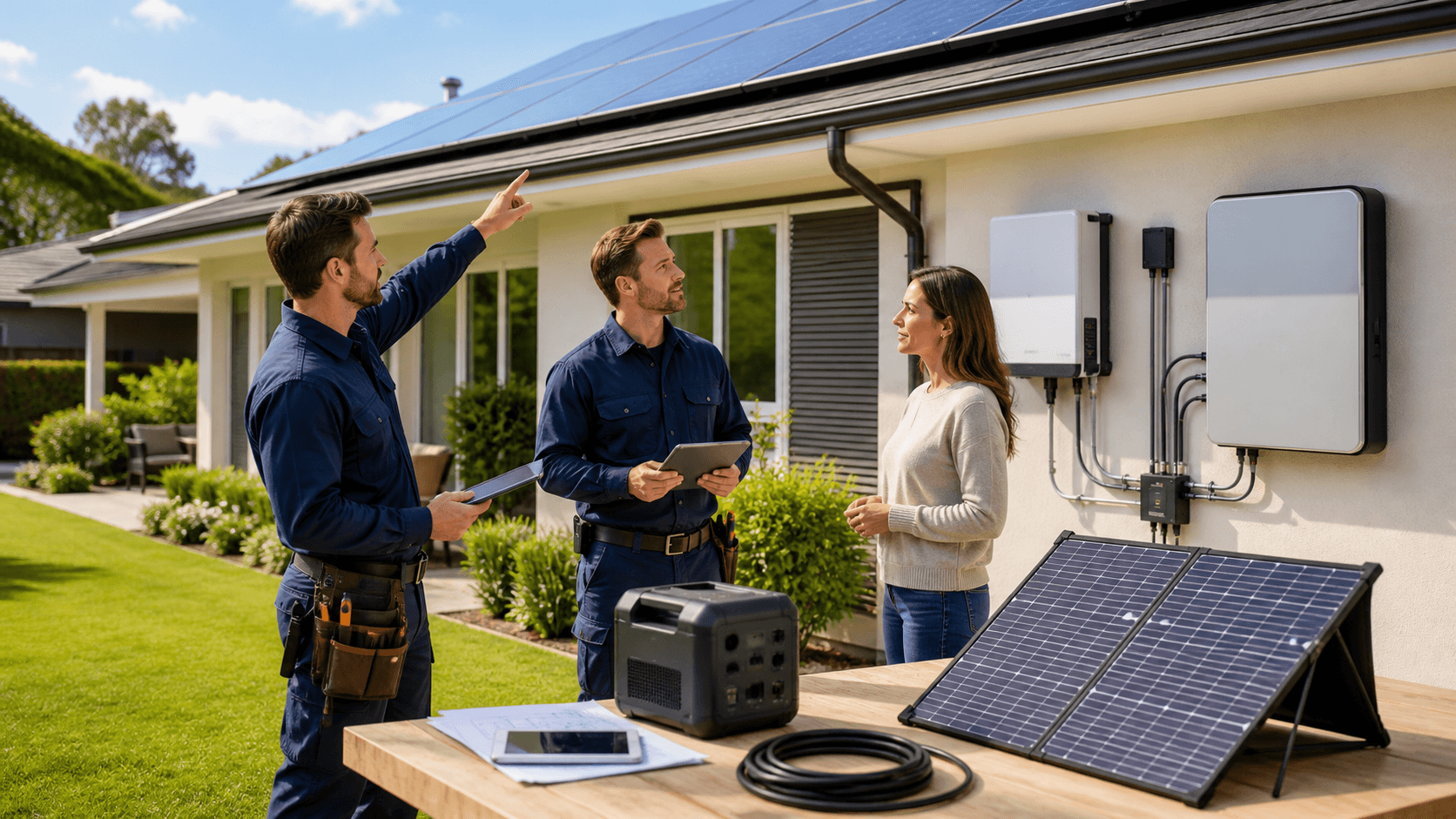
At Green Vista Living, we focus on off-grid and backup power, including solar kits, home battery systems, and other off-grid living gear that supports safer, calmer summers. With a clear heatwave plan and a right-sized home battery backup power system, you can face the next stretch of extreme heat with a lot more confidence and a lot less stress.
Protect Your Home With Reliable Backup Power Today
If you are ready to keep your lights on and essentials running during the next outage, explore our home battery backup power solutions tailored for real homes and real families. At Green Vista Living, we focus on systems that are safe, efficient, and easy to use. Take the next step by telling us about your home's needs and we will help you choose the right setup. If you have questions or want personalized guidance, just contact us.