The Real Price of Preserving Your Harvest
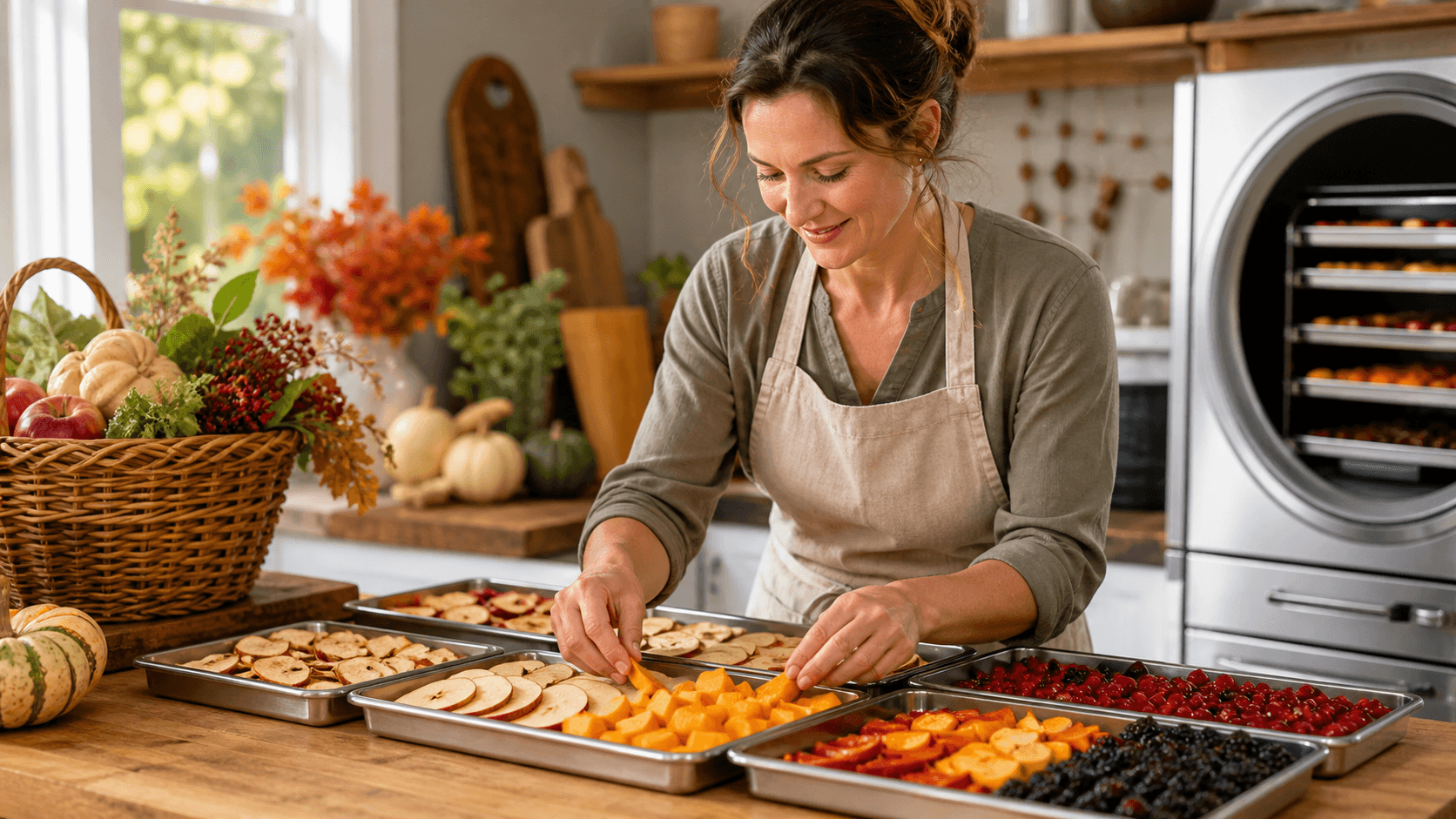
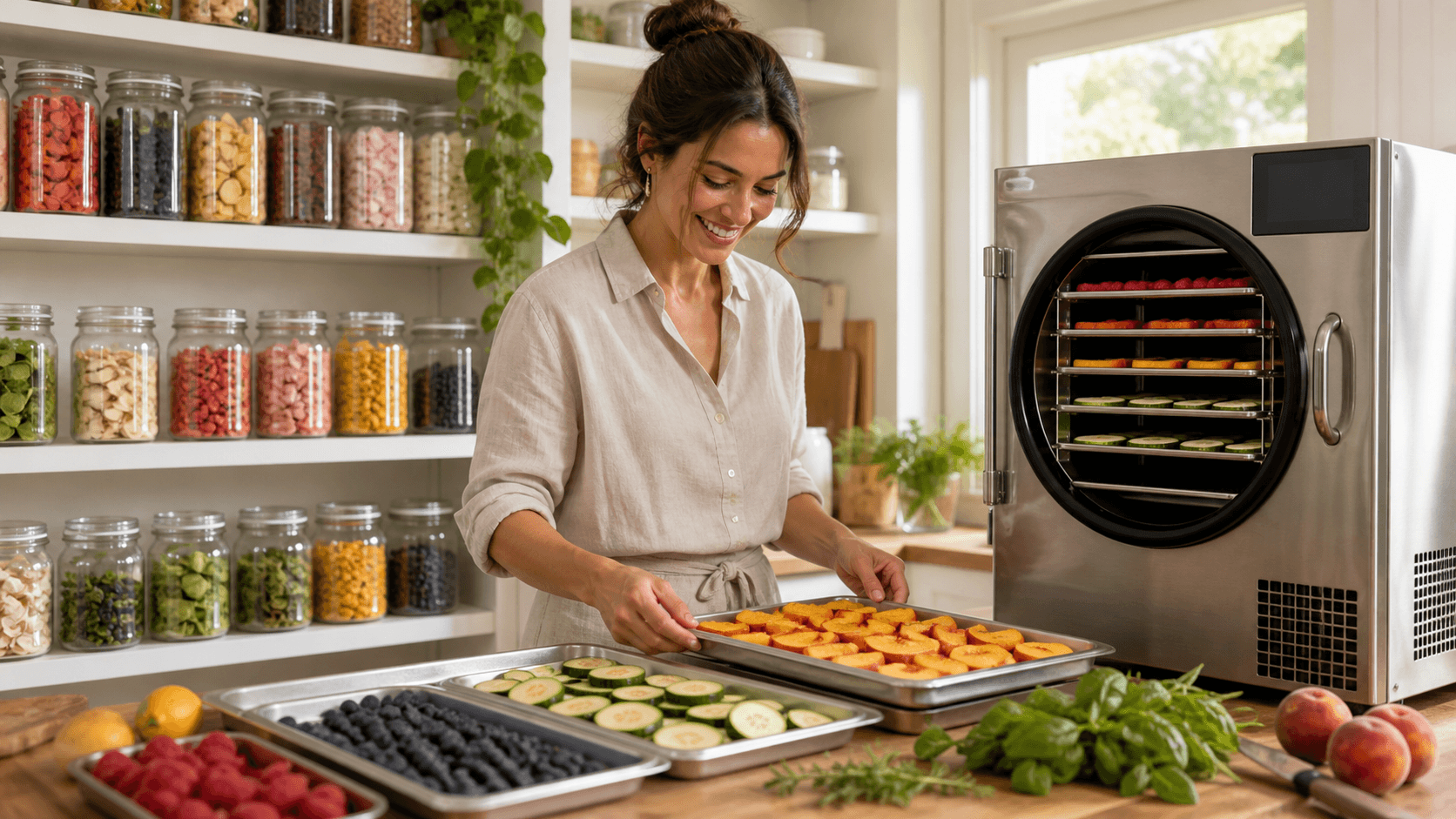
Freeze drying feels like the next logical step when your garden beds are bursting, food prices keep climbing, and you want shelf-stable food that actually tastes good. Many off-grid owners start searching for freeze dryers for sale as summer peaks, hoping to lock in as much food as possible before the first frost hits. The idea is smart: long-term food storage, less waste, more control over what your family eats.
But the honest truth is that the sticker price is only the starting point. Once you factor in power, space, supplies, and all the "little things," the total cost of ownership can surprise you, especially when you live off-grid. At Green Vista Living, we spend our days thinking about solar, batteries, and resilient cabins, so we see the hidden pieces people often miss. Our goal here is to help you see the full picture so your freeze dryer turns into a long-term asset instead of a money pit.
Power Demands Most Off-Grid Owners Underestimate
Freeze dryers pull more power than many people expect. They run in long cycles, often overnight or longer, with different stages that put different loads on your system. There is usually a startup surge, a heavy compressor load as the unit gets cold, and then a long, steady draw while it dries your food.
For an off-grid home, that means you are not just asking, "Can I plug this in?" You are asking:
- Does my inverter handle the surge and the steady draw?
- Do my batteries have enough capacity for a full run without getting too low?
- Will my solar panels keep up if I run this several days in a row?
- If I use a generator, how much more often will it run?
Summer helps because days are longer, but it also brings higher house loads like fans and maybe AC. Many owners find they need to:
- Upgrade to a larger inverter that can handle the compressor and vacuum pump
- Add more battery storage so a long cycle does not drain reserves overnight
- Add solar panels just to support food processing season
- Burn more fuel in a generator, which also adds wear and tear
Ignoring these power needs can lead to tripped inverters, unhappy batteries, and a lot of stress right when you are trying to save your harvest.
Heat, Noise, and Space Challenges in Summer
Freeze dryers do not just use power. They also put out a lot of heat. In a small cabin or tiny home, running one for 24 hours can make a room feel like a mechanical closet. In the middle of July, that extra heat can push you to run more fans or AC, or at least open windows and doors, which may not be ideal during storms or smoky days.
Space can also become a real issue. A freeze dryer needs:
- A sturdy surface that can handle the weight
- Enough room around it for airflow
- A spot that will not freeze in winter or overheat in summer
- Easy access so you can load trays and clean the unit
Many off-grid owners end up putting their unit in a shed, a mudroom, or a small utility building. That can work, but it can also mean extra building costs, insulation, or running new wiring.
Noise is the other surprise. The compressor, pump, and fans make a steady, low rumble. In a large house, you might barely notice it. In a tiny home, it can feel like a constant background hum, especially during the night. Some people end up building a small equipment room or shed just to move the sound away from sleeping areas, which adds even more indirect cost.
Supplies, Maintenance, and Food Prep Add Up
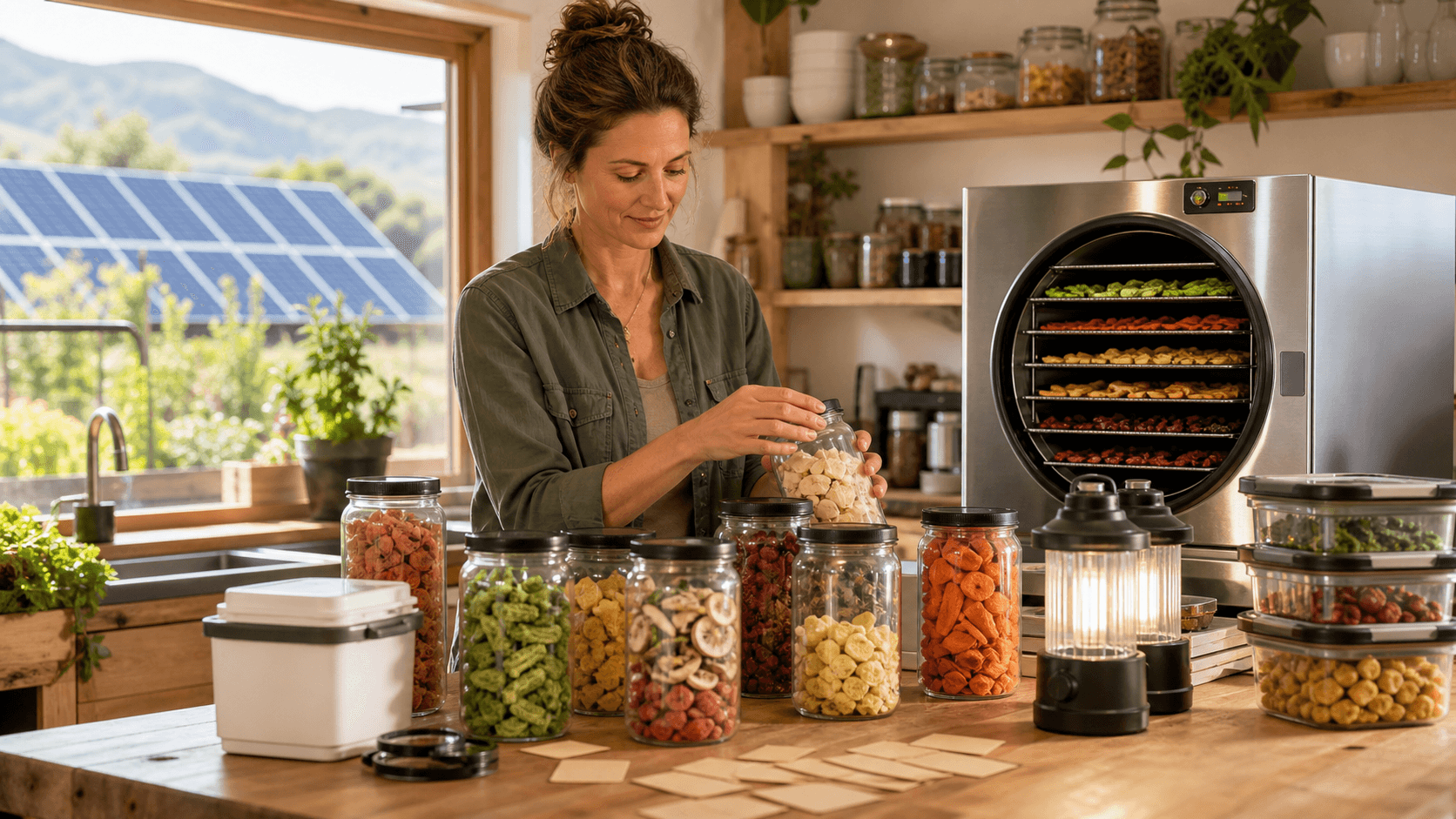
Freeze dryers do not run on power alone. To actually store the food, you need supplies. Over time, these "little extras" turn into a steady expense. Typical items include:
- Mylar bags or jars for storage
- Oxygen absorbers for long-term shelf life
- A vacuum sealer, if you want another option
- Labels so you know what is in each bag and when you dried it
- Oil for standard vacuum pumps and replacement filters or gaskets when they wear
Off-grid homes often have more dust, wider temperature swings, and sometimes higher humidity, especially if you are on the edge of a forest or lake. That can mean more frequent cleaning of trays, doors, and gaskets so they seal well. Oil changes on pumps that aren't oil free have to be done regularly, and waste oil needs to be stored and handled properly.
Then there is the time cost of food prep. To get good results, you usually want to:
- Wash, slice, and sometimes blanch veggies
- Pre-freeze food so cycles are shorter and more even
- Organize batches so you are not wasting tray space
- Pack, label, and store food as soon as each cycle is done
Serious users often add extras like spare trays, stackable racks for pre-freezing, and bins or shelves in a pantry. These things do not have to be fancy, but they do add to the total setup.
Sizing, Shipping, and Warranty Surprises
When you start shopping for freeze dryers for sale, you will see different sizes: small, medium, large. On-grid buyers often pick on price alone, but off-grid owners have a bit more to think through.
Smaller units pull less power per hour, but they hold less food. That can mean you have to run them more often to keep up with a big garden or hunting season. A larger unit may let you process big batches in fewer runs, but each cycle can draw a heavier load on your power system. The right size is the one that matches your typical harvest and your energy setup, not just your dream scenario.
Then there is the physical side. Freeze dryers are heavy and bulky. For rural and off-grid locations, that can mean:
- Higher freight costs or special delivery conditions
- Drivers who cannot reach your property with big trucks
- Moving the unit across uneven ground or up stairs
- Having an electrician add a dedicated circuit or outlet
Warranty and repairs are another hidden layer. If something goes wrong, you may need to ship the unit or a major part back, which can be costly from a remote area. You also want to know how easy it is to get support when you are using the unit with solar or generators, not just on city power. Brands and retailers that understand off-grid living can help you avoid setups that quietly stress your gear.
Build a Freeze Drying Plan That Actually Pays Off
The smartest move is to step back and plan your first full year of freeze drying before you buy anything. Instead of asking "How much does the unit cost?", ask:
- What will it take to power it with the system I have now?
- What upgrades will make it run smoothly without babysitting it?
- How many batches do I truly expect to run in a season?
- How much value is in the food I plan to preserve from my garden, bulk buys, or hunting?
A simple way to start is with a rough "total cost of ownership" list. Include the unit, any likely power upgrades, storage supplies, maintenance items, and some value for your time. Then compare that to the food you realistically plan to preserve in a year or two, not just on your most ambitious week.
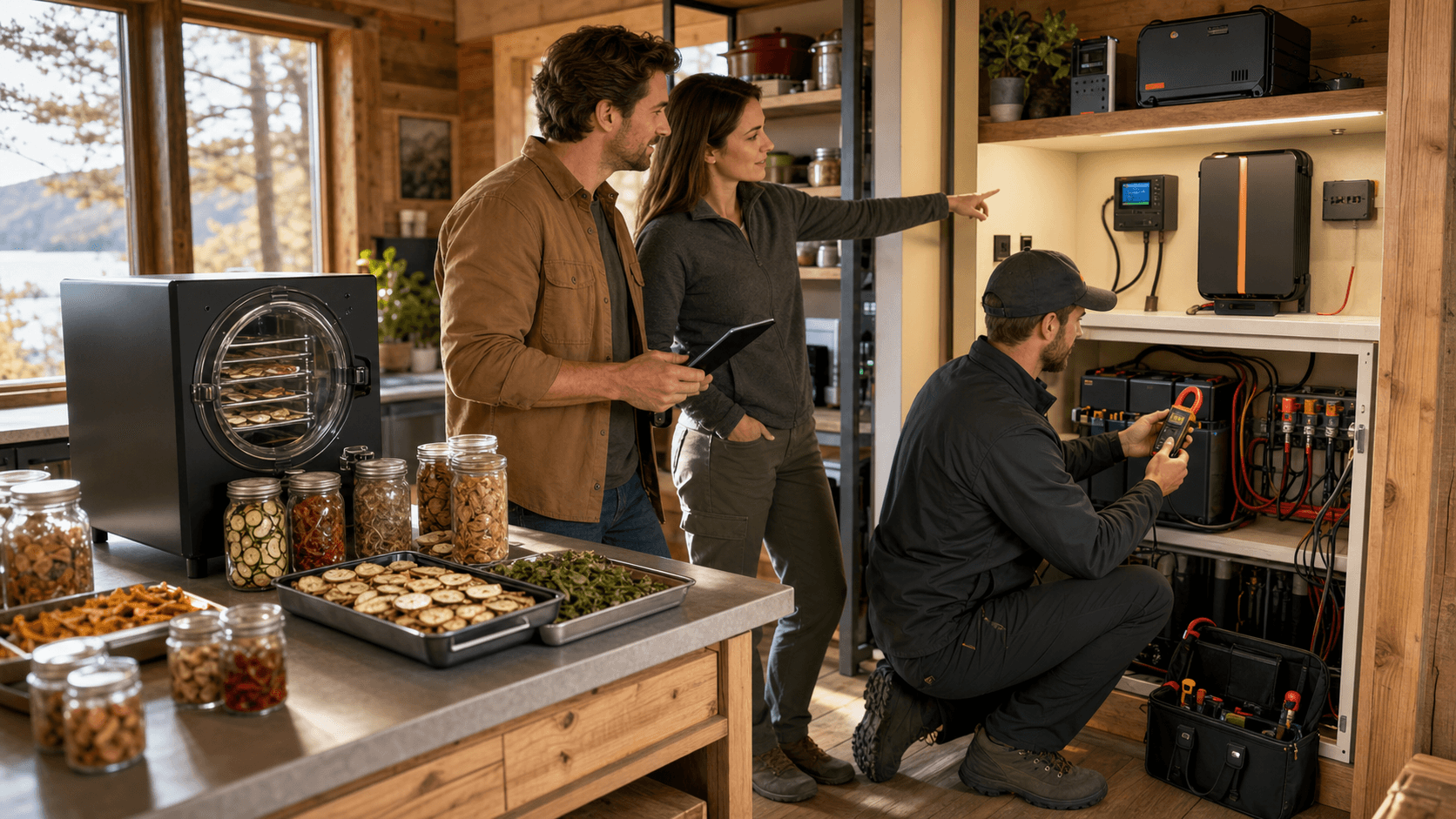
It also helps to talk with people who know both solar and freeze drying. You can size the unit to your actual harvest and match it with an inverter, battery bank, and panel array that will not flinch at long cycles. Many off-grid owners find that planning their drying runs around peak solar hours and maybe using a generator only to top off keeps both stress and wear on the system lower.
At Green Vista Living, we focus on off-grid and outdoor living gear because we live with the same questions our customers have. We understand how a freeze dryer plugs into the bigger picture of solar power, water systems, and resilient cabins. With a clear plan, the right size unit, and a power system that can handle the load, your freeze dryer can become one more solid step toward a steady, independent pantry instead of a surprise drain on your off-grid life.
Start Preserving More With Home Freeze Drying Today
If you are ready to cut food waste and build a long-lasting pantry, explore our selection of freeze dryers for sale and find the size that fits your home. At Green Vista Living, we help you choose the right model so you can preserve garden harvests, bulk buys, and homemade meals with confidence. If you have questions about capacity, power needs, or setup, just contact us and we will walk you through your options.