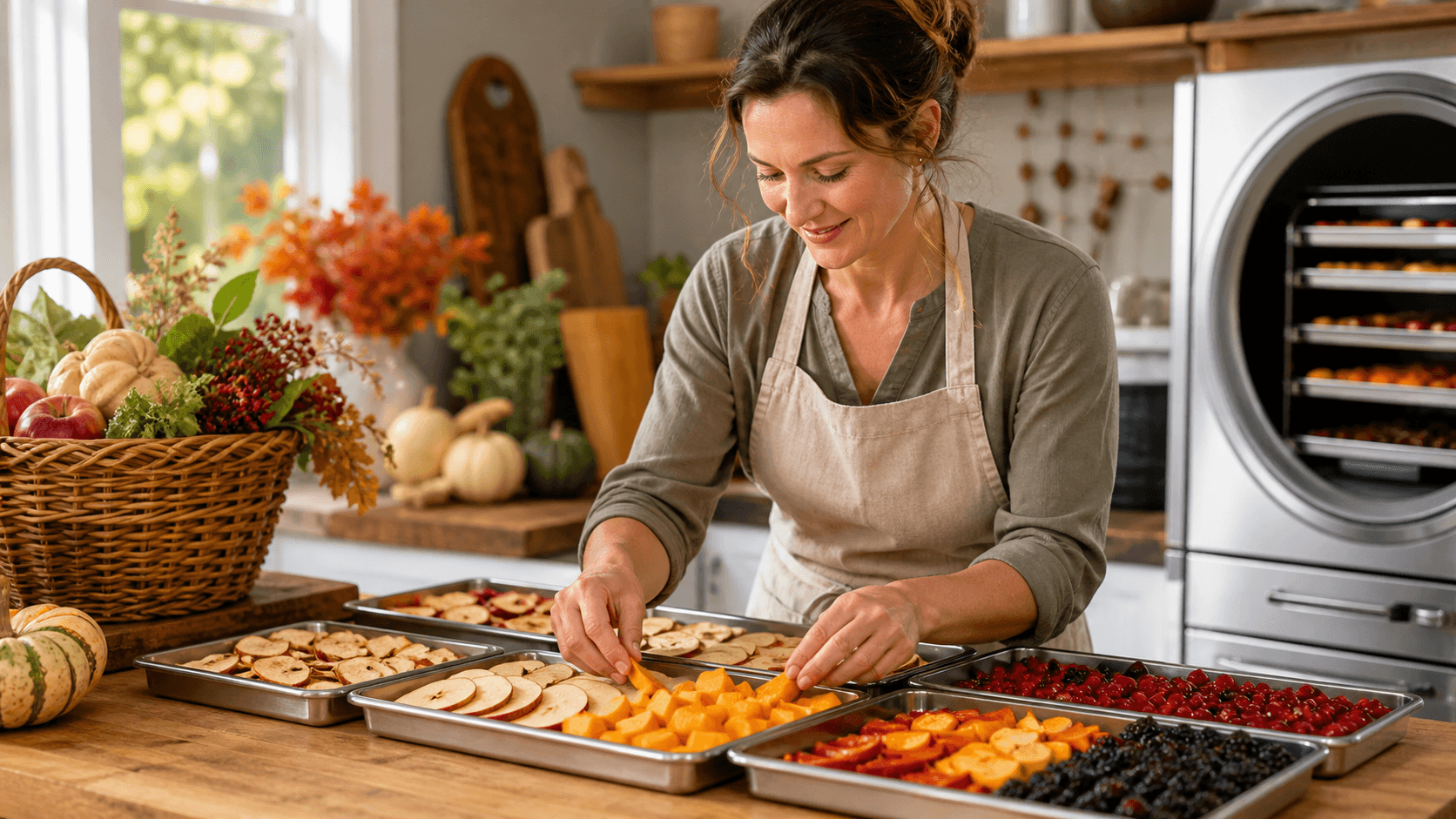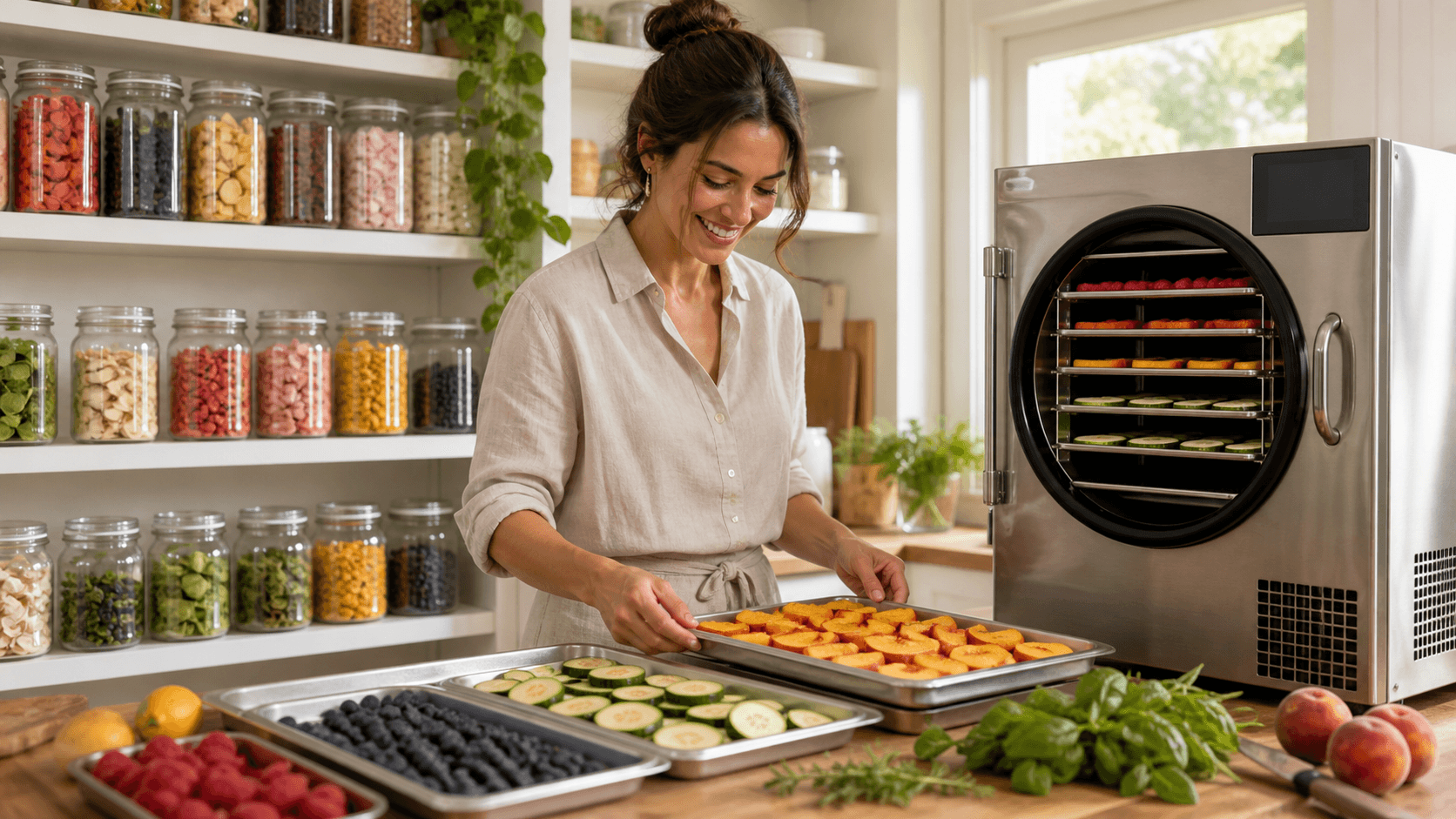
Summer harvest season is when small kitchens feel the tightest. Counters fill with tomatoes, berries, herbs, and bulk deals that were too good to skip. It is also the time many small-home owners start searching for freeze dryers for sale, trying to lock in all that seasonal abundance without stuffing the freezer or canning every weekend.
Freeze drying pulls water from food in a deep cold vacuum, so food keeps its shape, color, and much of its flavor. It is popular with off-grid, preparedness, and low-waste households because it can keep food shelf-stable for a long time. But in a tiny house, cabin, or compact suburban home, a freeze dryer is not just another kitchen gadget. It is a whole system, and it comes with tradeoffs that are easy to miss at first glance.
How Freeze Dryers Fit Into Small-Space Resilience
For many of us, food resilience means three things: saving money, wasting less, and being ready when the power goes out or the store shelves look thin. Freeze dryers touch all three, which is why interest keeps growing as gardens peak in late July and early August.
They are especially attractive for people focused on:
- Keeping harvests, bulk meat, and seasonal fruit long term
- Building emergency meals that are light and quick to cook
- Supporting an off-grid or partly off-grid lifestyle
In a small home, that promise is powerful. One machine that can turn trays of leftovers, garden extras, and sale items into shelf-stable meals sounds perfect. The key is to balance that promise with a clear look at space, power, noise, and your daily routine.
Space Reality Check Before You Buy
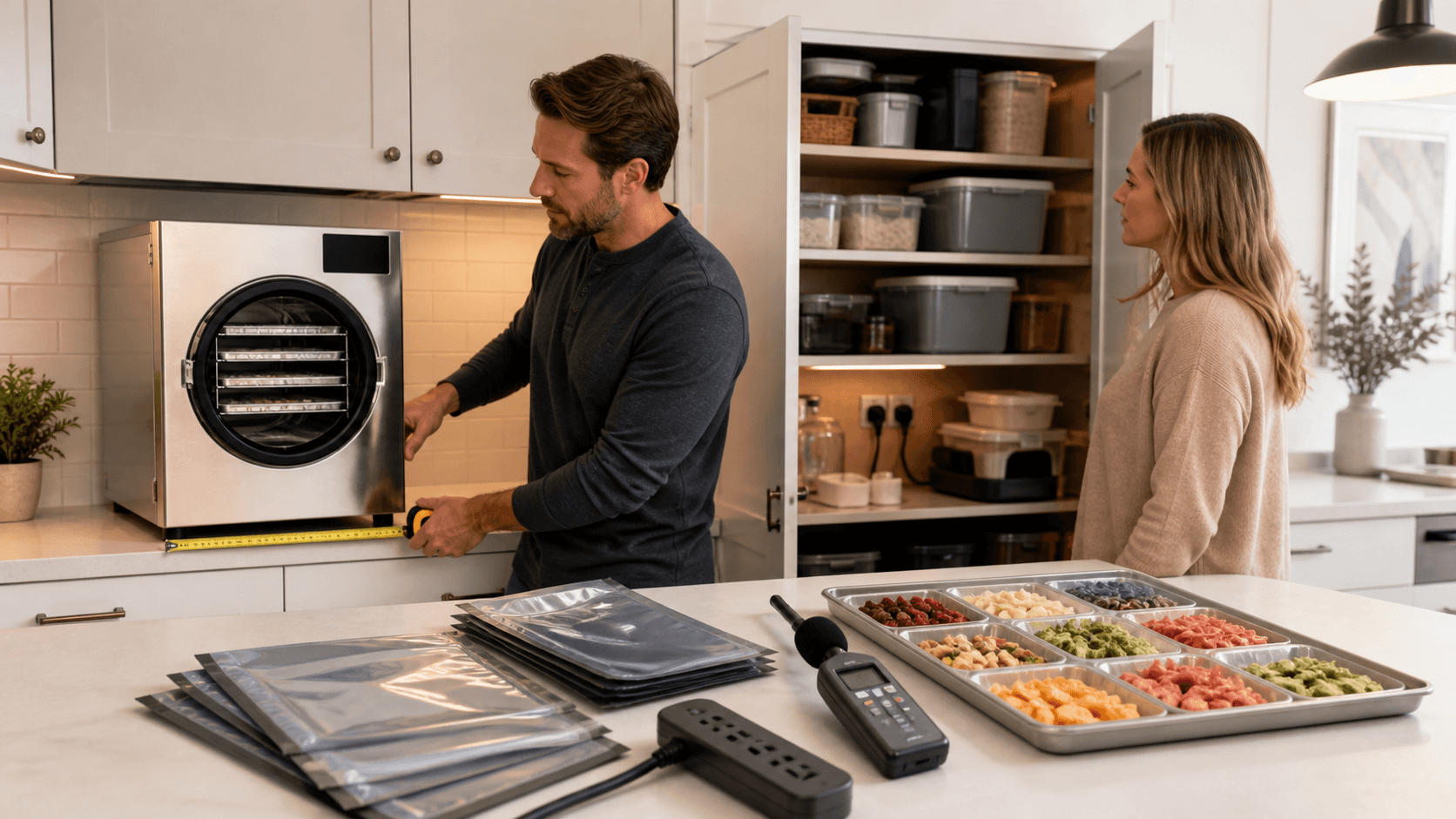
Many people hear that a home freeze dryer is "about the size of a small washer" and think it will slide into any corner. In real life, that can feel very different in a compact space.
A few quick space truths:
- You need room not just for the body of the unit but for airflow behind and around it
- Many units sit on a sturdy table or stand, which adds height and depth
- The built-in door swing and front access mean you need clear space in front too
Then there is what we call gear creep. Once a freeze dryer comes in, so does:
- A vacuum pump and oil, or a larger oil-free pump
- Extra trays and pre-freeze space in a regular freezer
- mylar bags, jars, oxygen absorbers, and a heat sealer
- Storage bins or shelves for finished food
In a small apartment, cabin, or tiny home, this can mean taking over part of a bedroom, hallway, or shared loft. The machine also gives off steady heat and a low but constant mechanical hum. Many small-home owners find it works best in:
- A mudroom or enclosed porch with a window
- A utility area near a back door
- A corner of a garage or outbuilding with good airflow
It needs to live somewhere you can handle extra warmth and noise without losing your only quiet space.
Hidden Costs Behind Freeze Dryers for Sale
When people first look at freeze dryers for sale, they usually notice the machine cost and maybe a starter kit. What is harder to see is the full system cost over time.
Beyond the basic unit, most setups also call for:
- Quality surge protection or power conditioning
- Extra pump oil, filters, and replacement parts
- Food-safe storage, labels, and dedicated shelving
Then there is the power and maintenance load. Freeze dryers pull more power than most countertop tools, and each cycle can run many hours. In summer, when indoor temps are higher, cycles can take longer, which means more energy and more heat released into your space. Oil-style pumps need regular oil changes, and even low-maintenance pumps may need attention over time.
There is also a time cost. Each batch involves:
- Cutting and pre-freezing food
- Loading trays and starting the cycle
- Checking dryness and adding extra time if needed
- Packing, sealing, labeling, and storing
In a small home, this means juggling limited counter space, sink space, and storage every time you run a batch. For people already managing gardening, off-grid power, or other homestead tasks, this can feel like a part-time job.
Power, Noise, and Heat in Compact Living Spaces
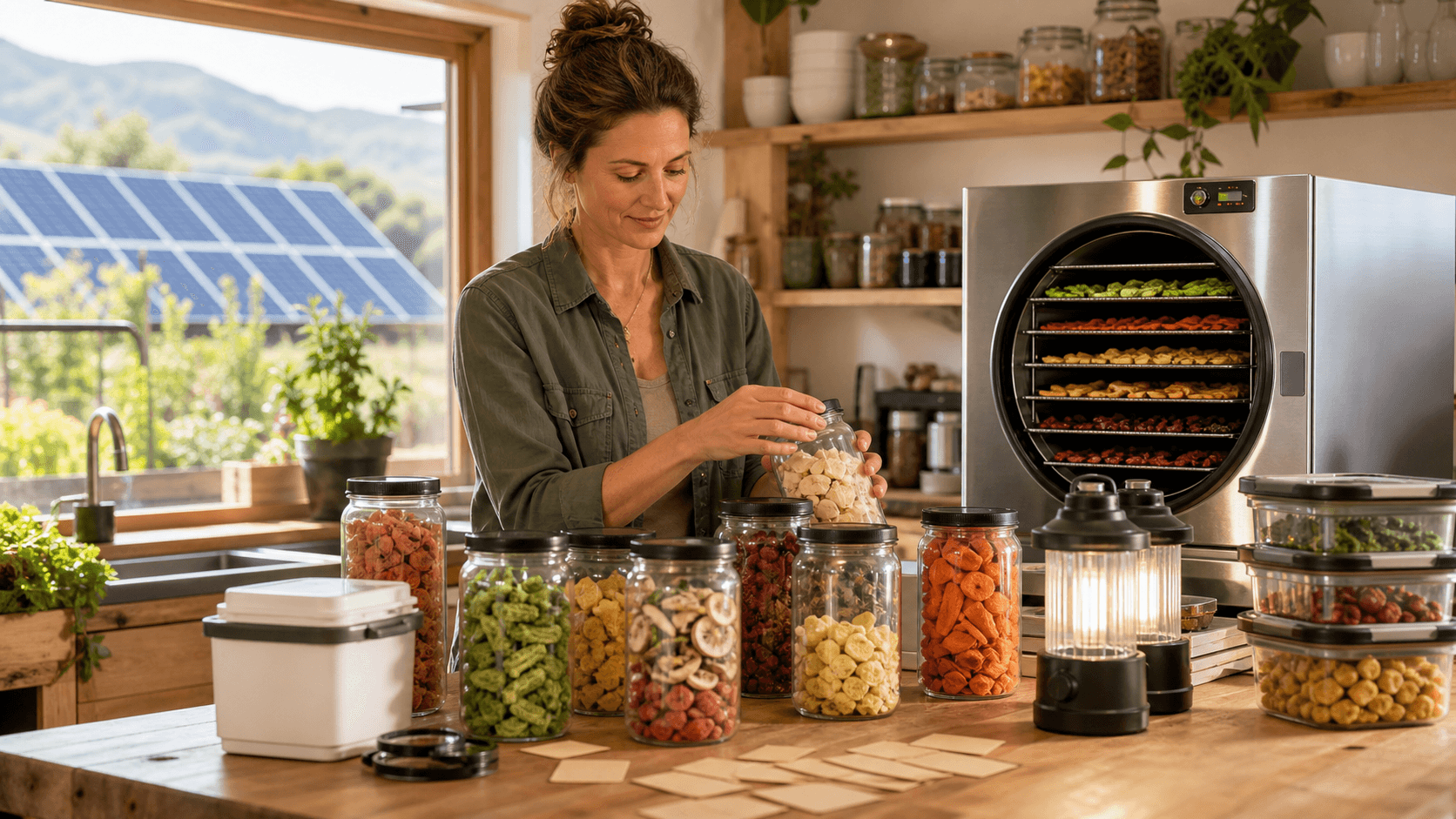
A freeze dryer is a serious appliance, so it needs a serious look at power. Many units want their own circuit. In older homes or small cabins with limited amperage, this can be a real limit. If you run solar with battery backup, the startup draw and long run times can eat a big chunk of your stored energy.
Some small-home owners find it helpful to:
- Run cycles during strong sun hours if they have solar
- Time batches for off-peak grid hours when possible
- Avoid running the freeze dryer with other large loads on the same circuit
Heat output is another surprise. In a compact home, a running freeze dryer can feel like a steady space heater. During hot July and August days, that can push indoor temps up and make AC work harder. In cooler seasons, the warmth can be welcome, but in summer it may mean opening windows or moving the unit to a less sensitive area.
Noise is also part of daily life with a freeze dryer. The sound is usually a blend of compressor hum, vacuum pump noise, and sometimes knocking or whooshing as the cycle changes. Since cycles often run overnight or across several days, this matters when:
- Bedrooms share a wall with the unit
- Living and sleeping spaces are basically the same room
- You are sensitive to background noise when resting
Placing the machine behind a solid door or in a corner away from your main living area can help, as long as you keep safe airflow and power access.
Storage Tradeoffs After the Food Is Dry
It is easy to forget that all that finished food still needs a home. Freeze-dried food is much lighter, but it does not always pack super tight, especially in jars.
Storage tradeoffs to expect:
- Jars look nice but take more space and add weight
- Mylar bags stack flatter but still need bins or tubs
- Larger batch sizes call for dedicated pantry zones
Small homes often lack basements or cool pantries. Temperature swings and higher humidity can slowly shorten how long food stays at top quality. Keeping your storage area as cool, dark, and dry as possible helps, even if that just means:
- Sliding flat bins under beds
- Using wall-mounted shelves in hallways
- Labeling and rotating food so older items get used first
With good organization, your small space can still support a meaningful food buffer; it just needs more planning than a big suburban pantry.
When Freeze Dryers for Sale Truly Make Sense
So when is a freeze dryer a smart fit in a small home, rather than a space hog?
It tends to make more sense if you:
- Grow a steady garden or buy in bulk often
- Cook from scratch most days and use pantry ingredients
- Want long-term storage for special diets or food allergies
- Are serious about emergency readiness, not just curious
In many small homes, a mix of tools works best. Dehydrators, canning, vacuum sealing, and fermentation can cover a lot of needs with less space and power. Some people only add a freeze dryer after they see clear gaps, such as wanting very long shelf life, ready-to-eat meals, or gentle preservation for certain foods.
Another path is sharing. A freeze dryer can be shared among neighbors, family, or a preparedness group, with:
- Shared space for the unit in one home or outbuilding
- A schedule for batches and pickup
- Split costs for supplies and parts
At Green Vista Living, we see freeze dryers as one powerful option inside a bigger resilience plan, especially for off-grid or partly off-grid setups. Designing a right-sized preservation system for your small home starts with honest answers about space, power, time, and what you actually like to eat, then fitting the tools to your real life, not the other way around.
Preserve More Food At Home With Reliable Freeze Drying
If you are ready to make your harvests, meals, and emergency supplies last longer, explore our carefully selected freeze dryers for sale. At Green Vista Living, we focus on equipment that is straightforward to use and sized right for real homes, not factories. We are happy to help you choose the right model for your space and goals, and you can always contact us with questions before you buy.