Keep Water Flowing When Grid Power Fails
A power outage can shut off more than lights and internet when your home uses a private well. Without electricity, the well pump cannot move water into the pressure tank, which can leave you without running water for drinking, cooking, cleaning, sanitation, livestock, and everyday comfort.
This concern often comes up for rural homes, cabins, farms, and remote properties. Storm outages, late-summer grid trouble, and approaching winter weather can all make dependable water backup feel less like a convenience and more like a practical part of property planning. A properly designed solar and battery setup can help keep water available when utility service is down.
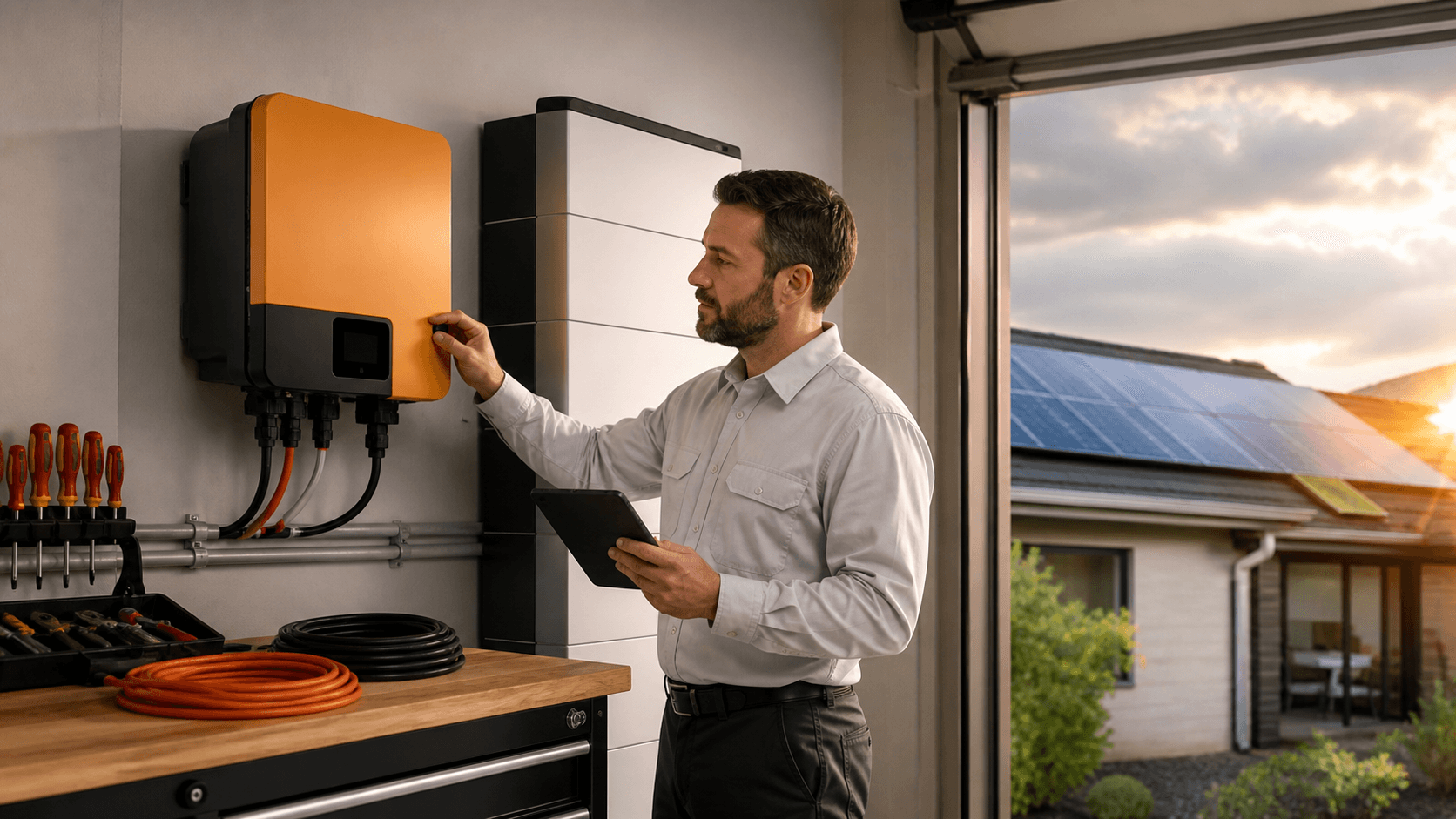
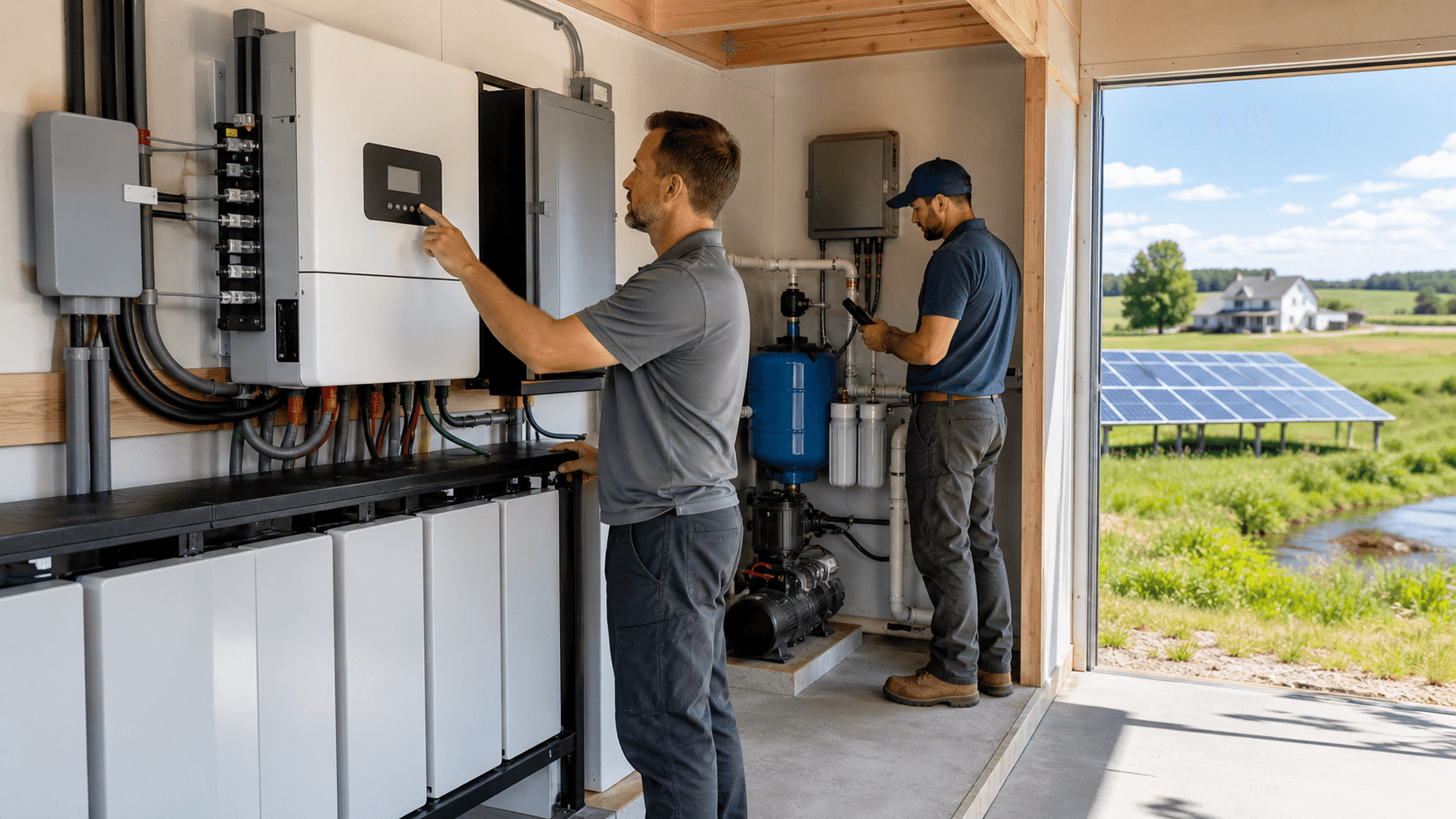
A Sol-Ark inverter system can coordinate solar production, battery storage, grid power, and generator power. When it is sized and installed for your property, it can keep priority loads, including a well pump, operating through an outage.
How a Sol-Ark Inverter System Powers a Well Pump
The inverter is the traffic director of the backup system. Solar panels and batteries produce direct current, or DC power, while most residential well pumps need alternating current, or AC power. A Sol-Ark inverter system converts available DC power into the AC electricity your pump requires.
During normal conditions, the system may draw from solar energy, batteries, or the grid based on its setup. If the grid fails, it can isolate the backed-up loads and continue supplying power from batteries, solar production, or an appropriately connected generator.
Pump startup is the big detail people should not overlook. A pump may use a manageable amount of power while running but require a much larger burst of power to start. Older pumps and conventional 240-volt motors can be especially demanding.
Before selecting equipment, have a qualified installer review:
- Pump running watts and startup watts
- Pump horsepower, voltage, and amperage
- Motor type and wiring configuration
- Battery capacity and expected outage needs
- Other loads sharing backup power
Matching the system to the pump's electrical needs helps avoid startup problems when water matters most.
Match Your Well Pump to the Right Sol-Ark Inverter System
A well pump should not be sized by itself. Your inverter may also need to support refrigeration, lighting, internet equipment, medical devices, septic equipment, or heating controls. Every added load affects available battery runtime, especially during a long outage or cloudy stretch.
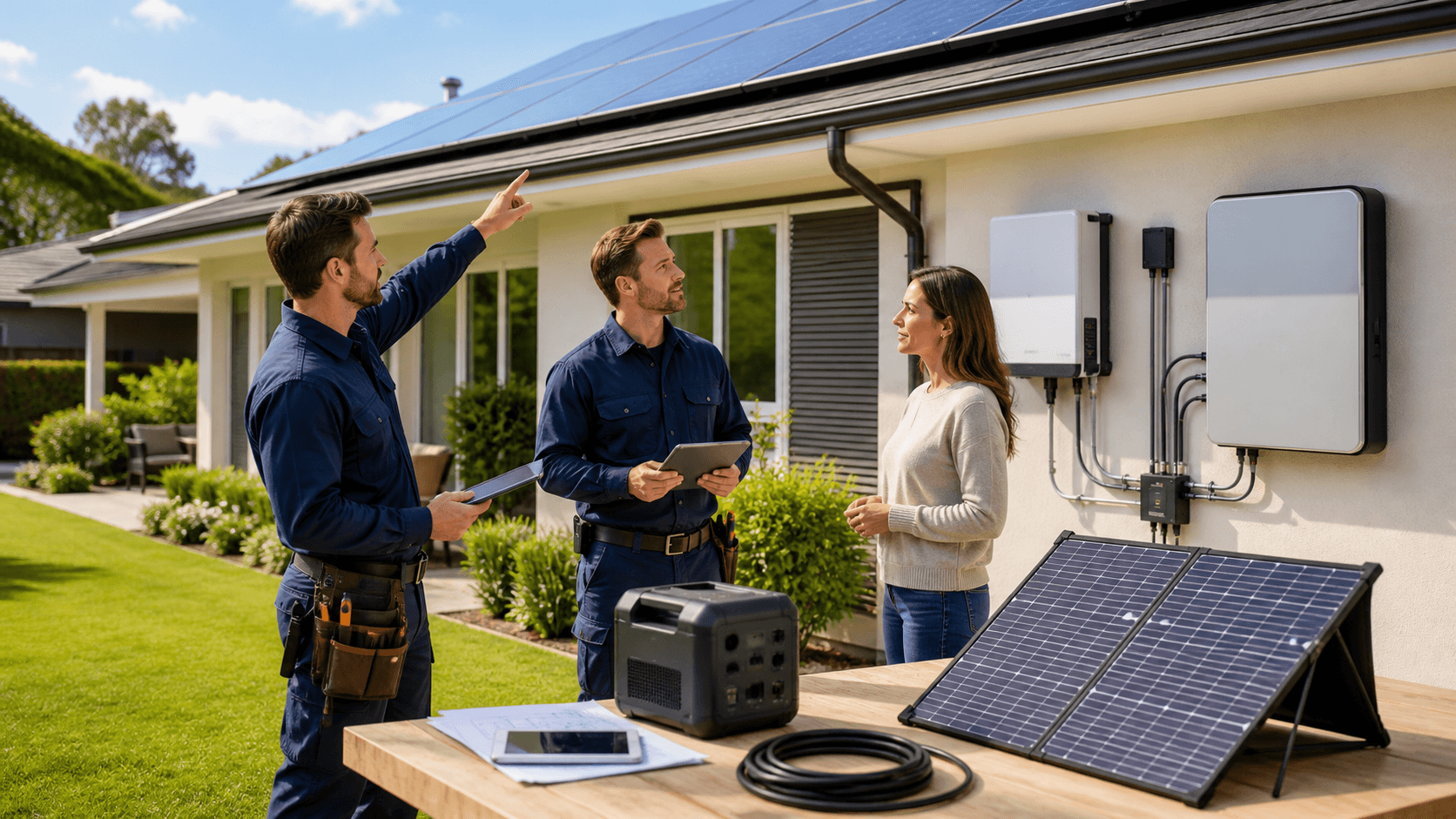
Start by gathering clear details about your well and household needs. The more accurate the information, the easier it is for an installer to design a system that fits your property instead of guessing at its demands.
Helpful details include:
- Pump horsepower, voltage, and amperage
- Pump depth, motor type, and pressure-switch settings
- Estimated daily water use
- Pressure tank size and condition
- A list of the household loads you want backed up
Prioritizing loads protects your stored energy. Water needs should come first, followed by comfort loads as battery and solar capacity allow. That way, you are less likely to drain the batteries on less important items while your pump still needs to run.
Your pressure tank also plays a meaningful role. A working tank stores water under pressure, reducing how often the pump must cycle. Before relying on backup power, have a professional inspect the tank, pressure switch, pump controls, and related components.
Build Reliable Solar and Battery Backup for Every Season
Late September is a smart time to think ahead. Fall brings shorter days, and winter can bring storms, cloud cover, and outages that last longer than expected. Solar and battery capacity should reflect those seasonal changes, not just bright summer conditions.
A dependable setup typically includes solar panels to recharge batteries, battery storage for nighttime use and outages, and a Sol-Ark inverter system to manage the flow of power. Generator support can also provide another power source during extended low-sun periods.
Battery runtime depends on far more than pump wattage. Water use, pump run time, battery size, solar production, weather, household demand, and pump cycling all shape how long your backup power can last.
For backup planning, the order is simple: protect water needs first, then add the loads that make an outage more comfortable. A carefully planned system can grow with your needs while keeping the original goal clear: maintain access to water when the grid cannot.
Protect Well Pump Performance Through Outages
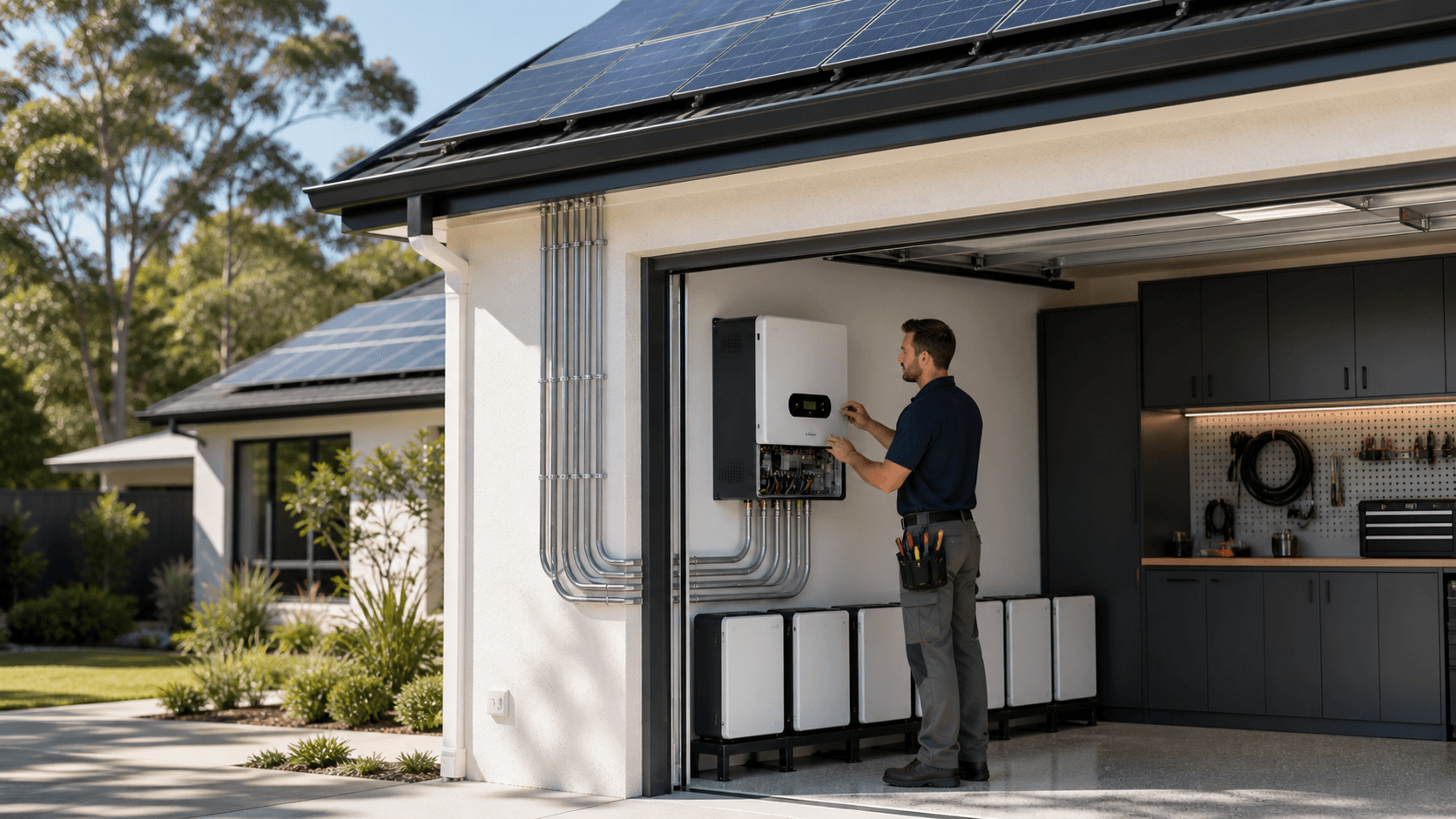
Reliable backup power starts with safe installation. Correct breaker sizing, transfer equipment, grounding, disconnects, and load-panel configuration all matter when a well pump is part of the system. Licensed electricians and qualified solar professionals who understand well-pump loads and backup power design can help ensure the system is installed safely.
Testing before severe weather arrives can uncover problems while there is still time to correct them. A planned outage test can confirm that the pump starts on backup power, the battery state of charge is where it should be, and water fixtures maintain usable pressure.
Regular care helps keep the system ready:
- Clear debris from solar panels when needed
- Monitor battery condition and system alerts
- Service the generator if one is included
- Keep the pump, pressure tank, and controls maintained
- Test backup operation before storm season
A backup system is most useful when every part of it is ready to work together.
Take Control of Your Water Security Today
A thoughtfully sized Sol-Ark inverter system can help protect access to well water by bringing solar power, battery storage, grid service, and optional generator support into one coordinated setup. The best place to begin is with a clear well-pump assessment and a realistic list of the loads you need to keep running.
Careful planning around water needs, pump requirements, and seasonal energy conditions helps create more reliable backup power. With properly matched equipment and qualified installation, a well pump can remain a dependable source of water through summer storms, winter cold snaps, and other grid outages.
Build a More Capable Backup Power System
At Green Vista Living, we can help you select a Sol-Ark inverter system that supports your well pump and broader household energy goals. Our team can help you compare compatible inverter options and plan a system around your power requirements. For personalized guidance, contact us to discuss your project.