Maximize Shelf Life with Smart Freeze Dryer Trays
Freeze drying is one of the easiest ways to turn late-summer food into long-term security. When gardens, farmers' markets, and bulk stores are overflowing, a good freeze dryer tray setup helps you grab that peak flavor and hold it for years instead of months. With food prices climbing and supply chains feeling shaky, those trays become more than simple pans; they are a quiet form of insurance.
As we move through August and into harvest time, many households start thinking about winter storage. A smart freeze dryer tray system lets you put away fruits, vegetables, meats, and even full meals while they are fresh and affordable. The right trays keep things efficient, consistent, and safe, which matters even more if you are off-grid or planning for emergencies. Our goal is to help you choose trays and habits that let your freeze dryer work at its best instead of wasting power and food.
Why Freeze Dryer Trays Matter More Than You Think
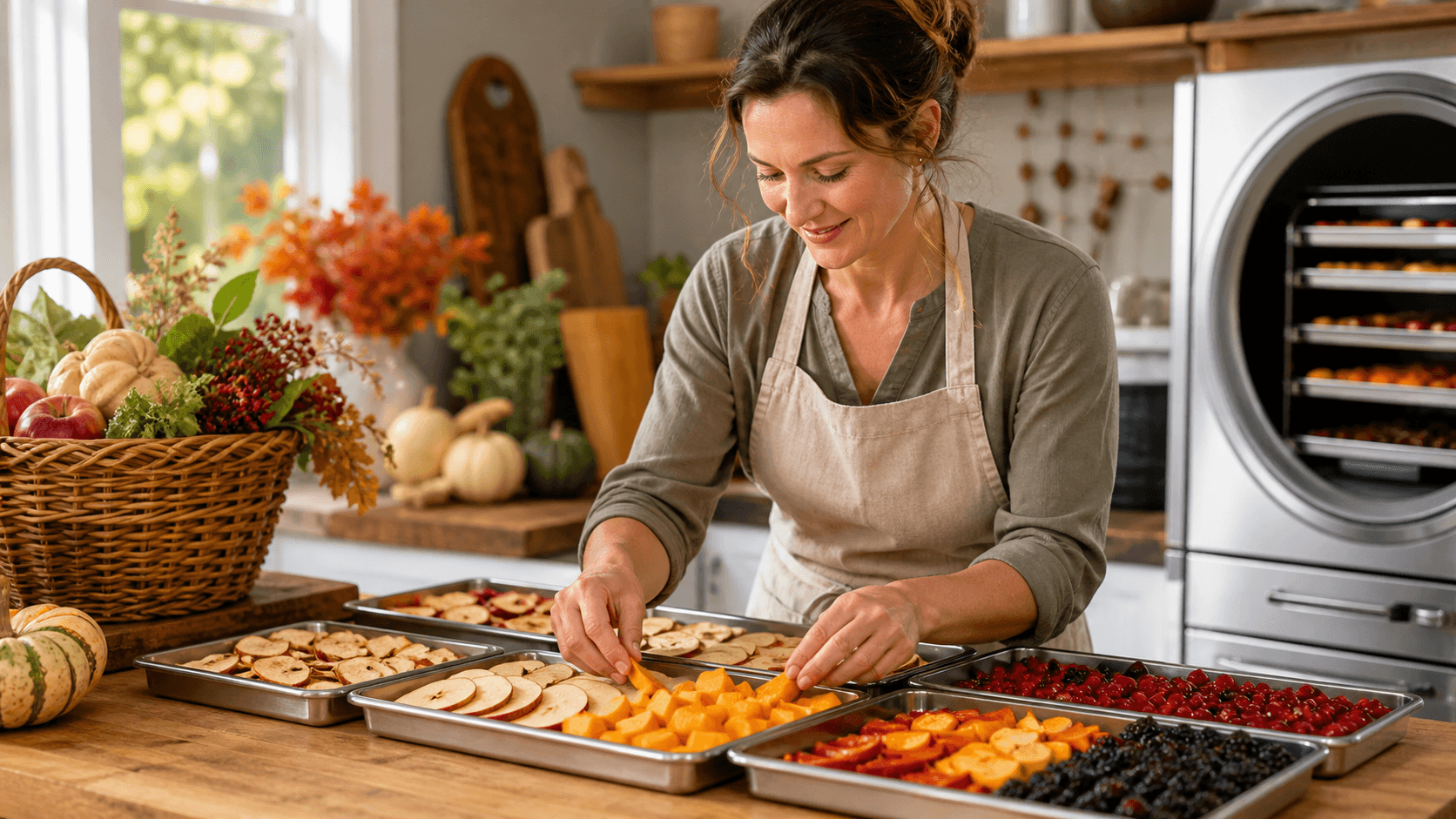
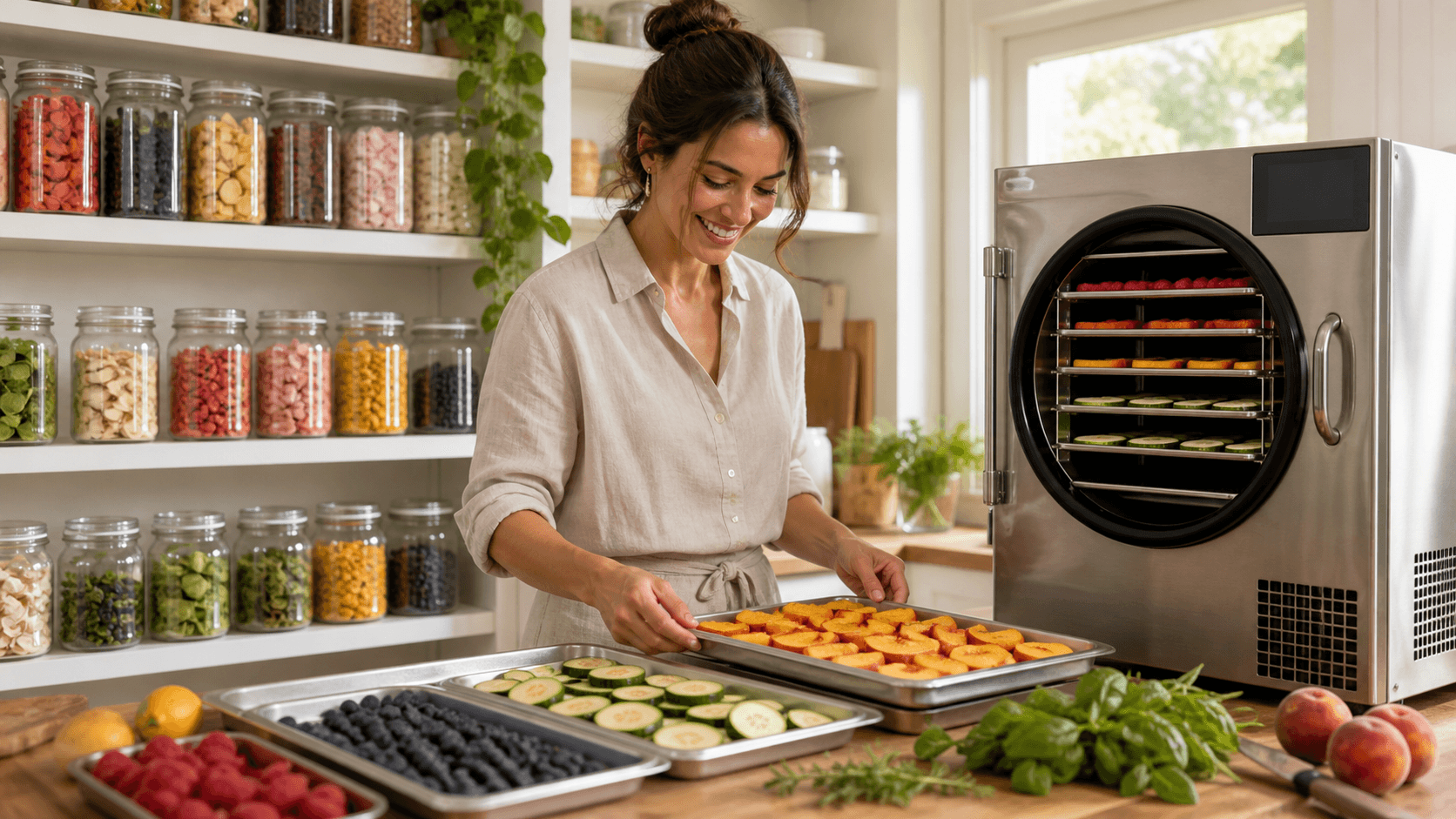
A freeze dryer tray is the work surface of your machine. It is where your food sits as it freezes and dries, so the tray controls how evenly the cold and vacuum can reach every piece. When that process is even, food keeps better color, texture, and taste, and it stores longer on the shelf.
Good tray design is easy to feel in your hands. A tray that is too thin can warp, pool liquids, and lead to hot or cold spots. That can cause:
- Longer drying times
- Higher power use
- Pockets of food that stay a little wet inside
- Shorter storage life and possible spoilage
A well-built tray spreads cold evenly and holds its shape. Food dries more consistently, which means fewer surprises when you open a jar months later. Trays also help with safety and organization. Food-grade materials cut down on strange flavors and contamination. Keeping dedicated trays for meats, dairy, and produce can reduce cross contact and keep your system cleaner.
Small habits make a big difference here:
- Label trays for different food types
- Use separate trays for pet food if you make it
- Keep a simple log of what went on each tray and when
Those little steps support a safer, less wasteful pantry.
Choosing the Best Freeze Dryer Tray for Your Setup
When people ask where to start, we usually begin with material and build. Many serious home preppers like stainless steel trays because they are strong, rust-resistant, and easy to scrub clean. Cheaper, lighter options may feel fine at first, but they can bend over time, especially with heavy or high-moisture foods like stews and meats. A heavier, rigid tray is less likely to flex and spill, and it helps keep air contact more consistent.
Size and capacity matter just as much. Each freeze dryer model has tray dimensions that fit its shelves, and matching those exactly is important. If a tray is too small, you lose space and waste energy on empty air. If it is too large or the rims are too tall, airflow can get blocked and drying slows down.
When you think through size, keep three things in mind:
- Fill the tray, but leave space around each piece of food
- Keep food below the rim, not piled up past the edge
- Leave room for air to move between trays inside the dryer
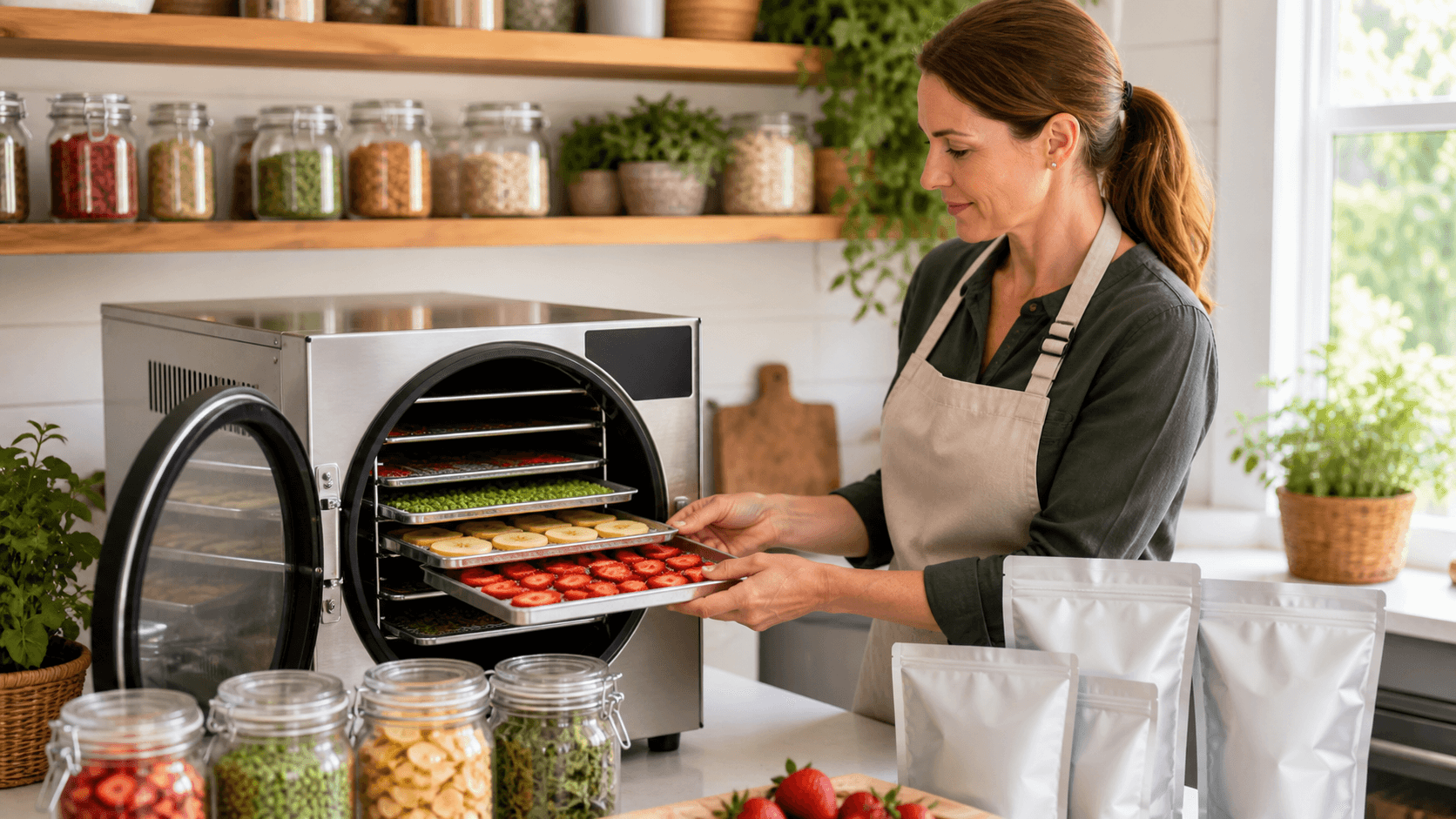
Design features can also make late summer processing smoother. A low to medium rim is often best so you can slide frozen food off easily. Stackable trays and trays that work well with dividers or tray stackers let you pre freeze several batches in a regular freezer, then move them into the freeze dryer as slots open. This helps you handle heavy harvest weeks without overloading the machine.
Smart Prep, Loading, and Cleaning for Better Results
Even the best freeze dryer tray cannot fix poor prep. The way you cut and lay out food has a big effect on drying time and texture. A few simple habits help a lot:
- Slice food in uniform thickness
- Blanch certain vegetables if needed, then cool and dry before loading
- Pre freeze food on the same tray you will use in the dryer
- Keep pieces from touching so moisture can escape
When loading, avoid mixing very wet foods with dry foods in the same run. For example, putting watermelon next to cooked rice can give you an odd, uneven batch. Try grouping:
- High-moisture fruits together
- Cooked meals and casseroles together
- Proteins like meats and eggs on their own trays
Liners or silicone mats can keep sticky foods from welding to the tray, which makes cleanup easier and protects the tray surface. Just be sure the liner is thin enough that it does not block cold transfer.
After a cycle, test dryness by breaking a few sample pieces in half. They should snap cleanly, with no cool, gummy center. Let trays cool to room temperature before moving food into jars or Mylar bags, so condensation does not sneak in. Then wash trays with warm water and a mild soap, rinse well, and dry completely. This cuts down on residue, off odors, and bacteria that could move into the next batch.
Seasonal Game Plan for Fall and Winter Food Security
August and early fall are prime time for building your freeze-dried pantry. With a good set of trays, you can plan a simple rotation that uses what is coming out of the garden or local markets each week.
A sample late summer plan could look like this:
- One weekend focused on berries and stone fruits
- Next week for tomatoes, peppers, and herbs
- Then a run of apples, pears, and mixed fruit snacks
- Followed by squash, potatoes, and root vegetables
As days cool, you can shift to more proteins and prepared meals. Things like cooked beans, shredded meats, stews, and breakfast scrambles are great to have on hand. Stored properly, these freeze-dried foods can become the base of many winter meals, especially in off-grid homes where power can be limited or weather can get rough.
Space and labeling systems are also worth planning while trays are empty. Many people like to color code or label trays and storage containers for:
- Breakfast items
- Full ready-to-eat meals
- Baking ingredients like eggs and dairy
- Pet food and special diet foods
- Long-term emergency rations
A simple system now keeps your future self from guessing which mystery bag on the shelf is soup and which is dog treats.
Build a Reliable Prepper Pantry with the Right Gear
As you look toward fall and winter, it helps to pause and study your current freeze dryer tray setup. Do you have enough trays to keep up with harvest weeks? Are any of them warped, stained, or hard to clean? Would dividers, stackers, or more durable materials give you smoother batches and less wasted food?
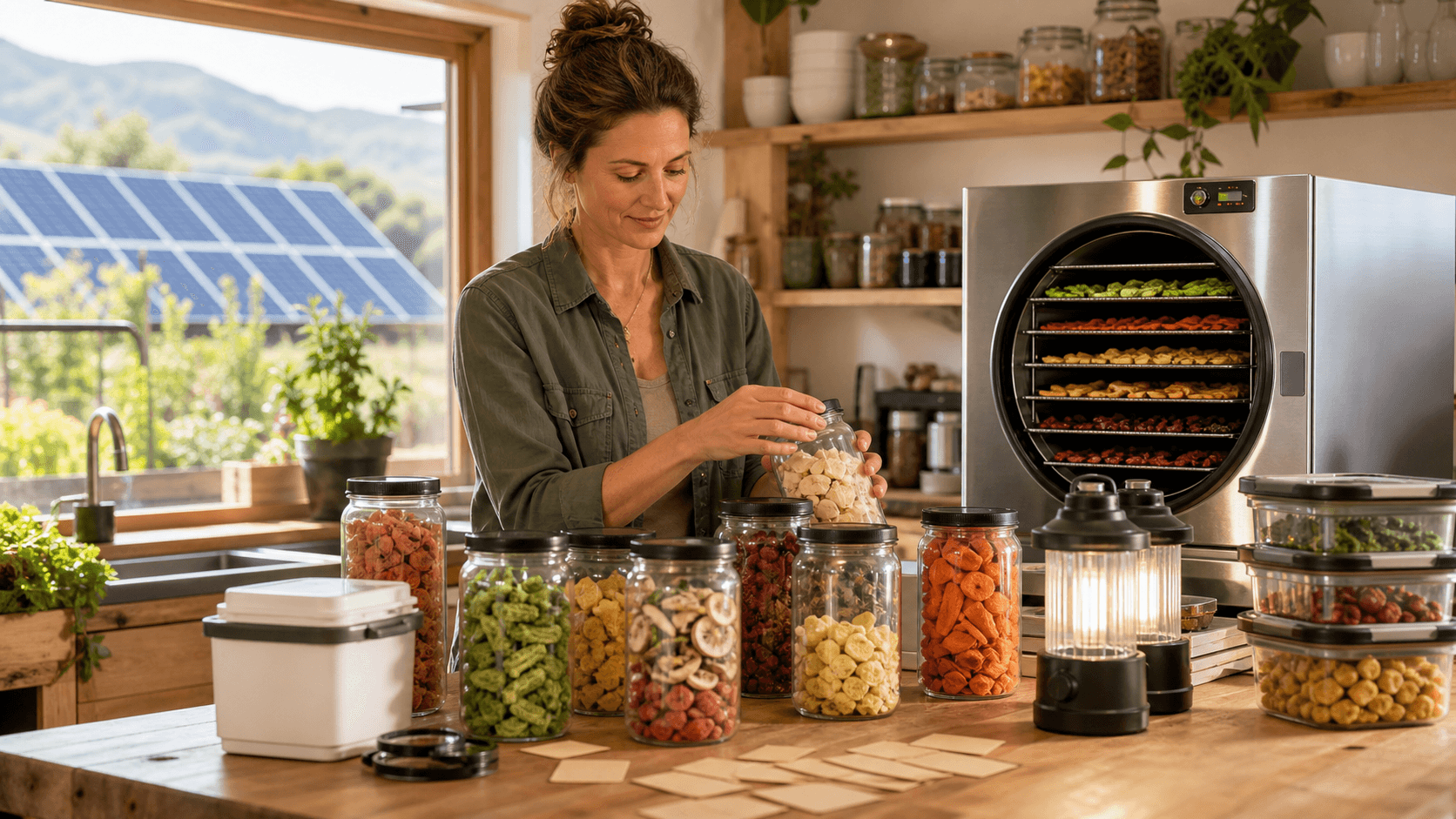
Upgrading trays is often the easiest first step toward a more reliable pantry. From there, it makes sense to think about how those trays work with the rest of your system. Long-term storage usually calls for good quality Mylar bags, strong oxygen absorbers, and dependable backup power so your frozen and freeze-dried inventory is safe during outages or off-grid use.
At Green Vista Living, we focus on tools that make sustainable and off-grid living feel calmer and more secure, and freeze dryer trays are a big part of that picture. When your trays are solid, sized well, and used with smart habits, every harvest season becomes a chance to build comfort for the colder months ahead, one quiet batch at a time.
Transform Your Food Storage With Reliable Freeze Drying
If you are ready to simplify long-term food preservation, we can help you choose the right setup and accessories, starting with the ideal freeze dryer tray for your needs. At Green Vista Living, we focus on practical solutions that make it easier to store garden harvests, bulk buys, and emergency food. Reach out to our team through our contact page so we can answer your questions and help you get the most value from your freeze dryer.