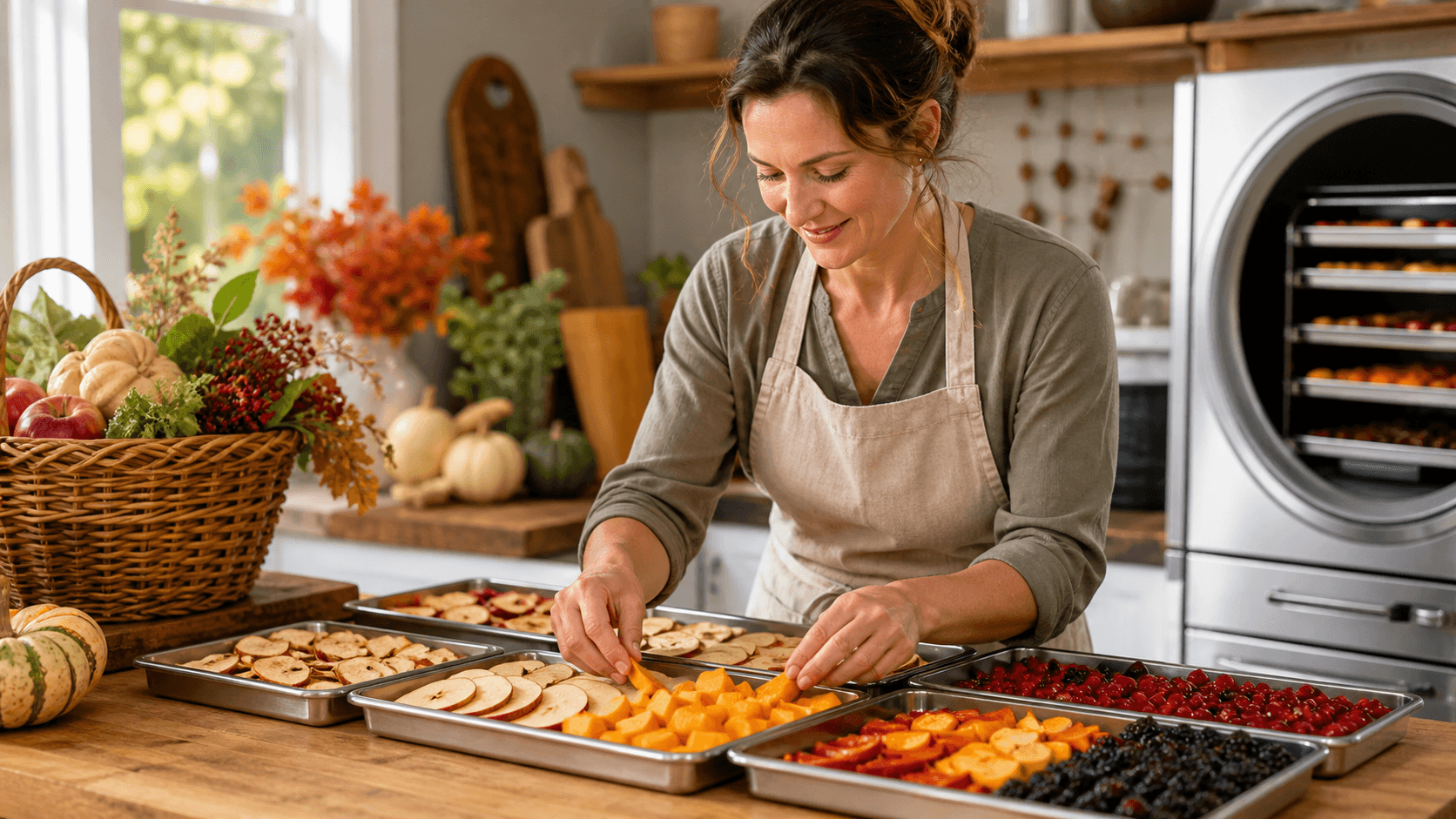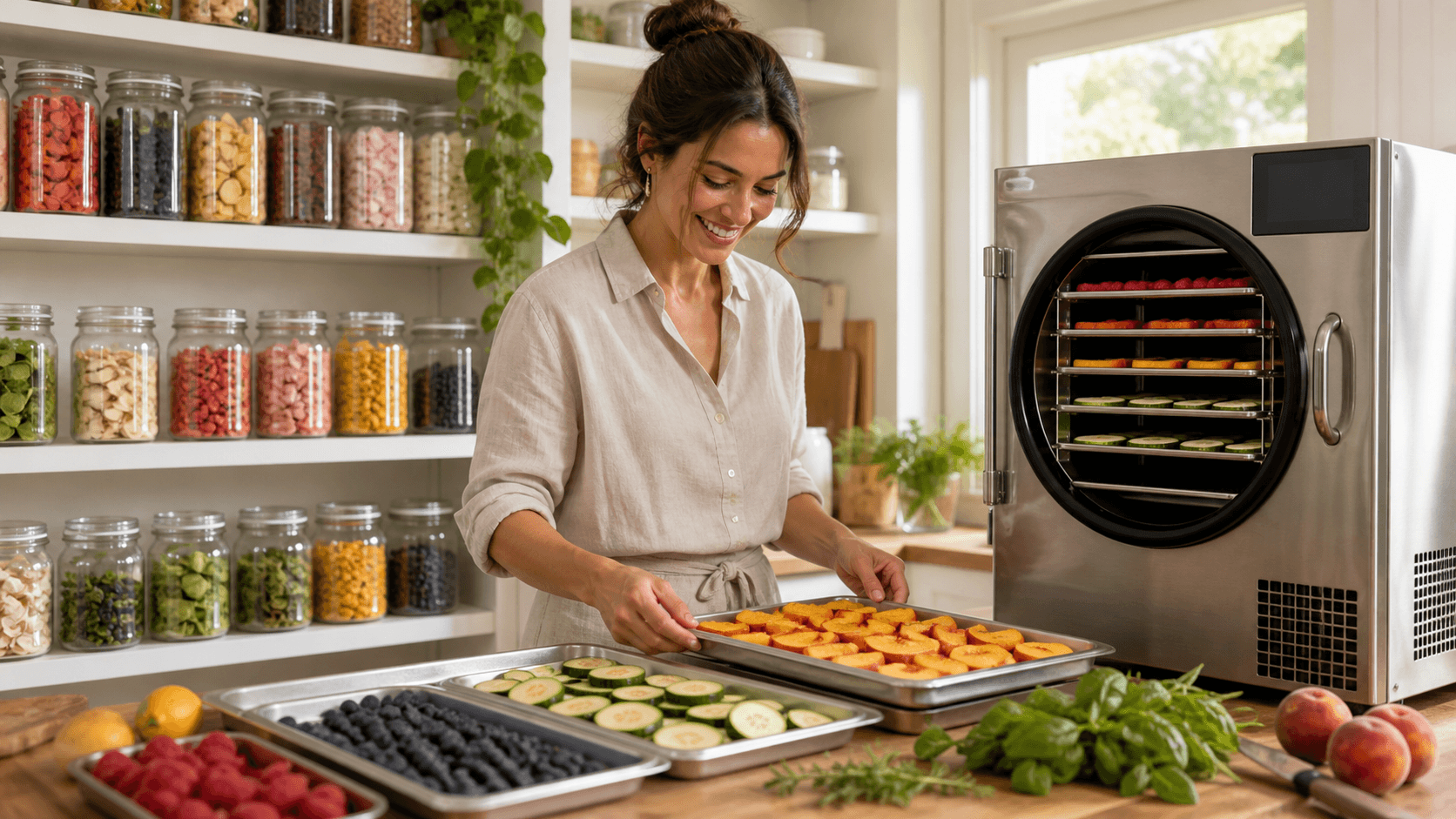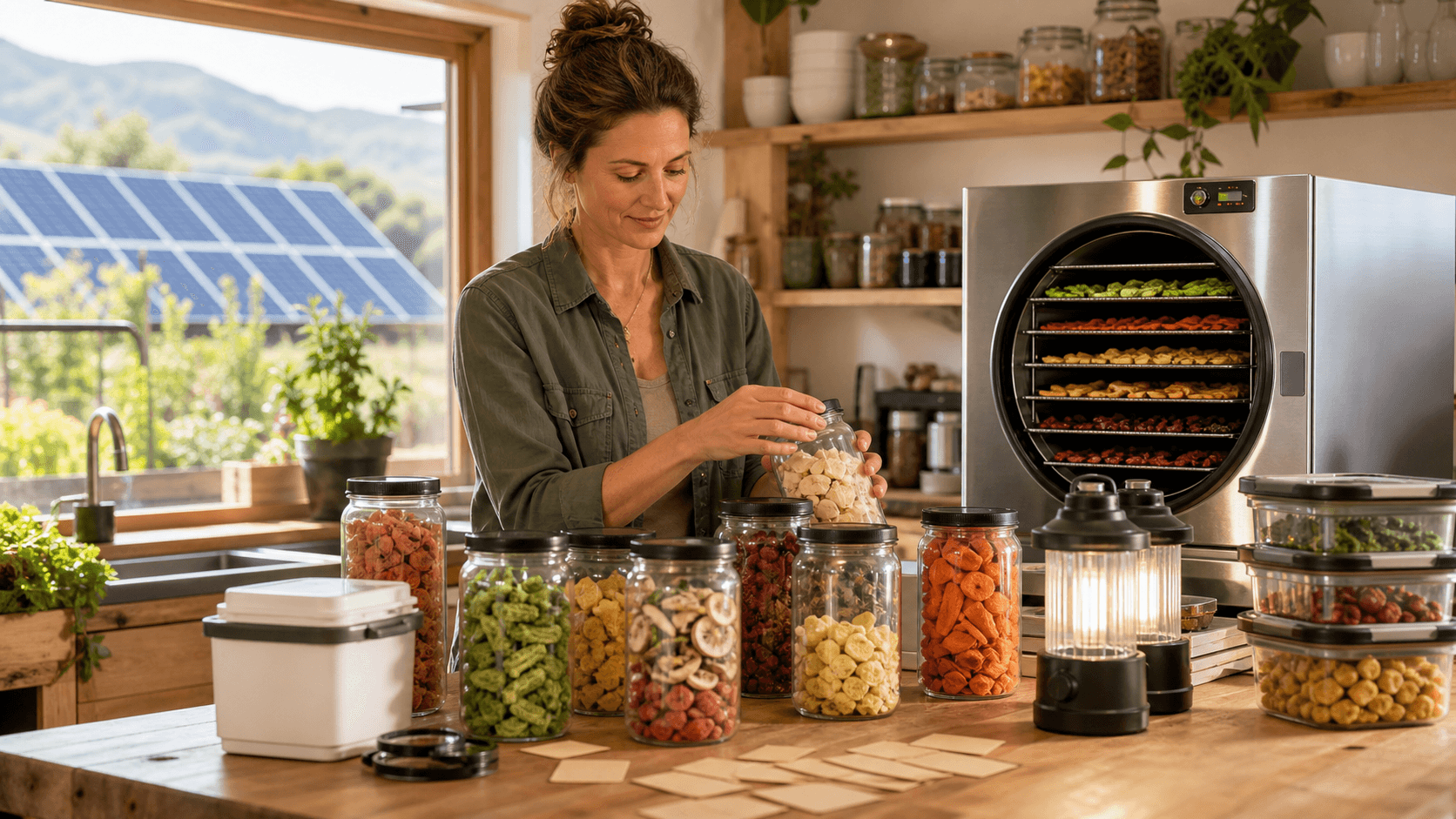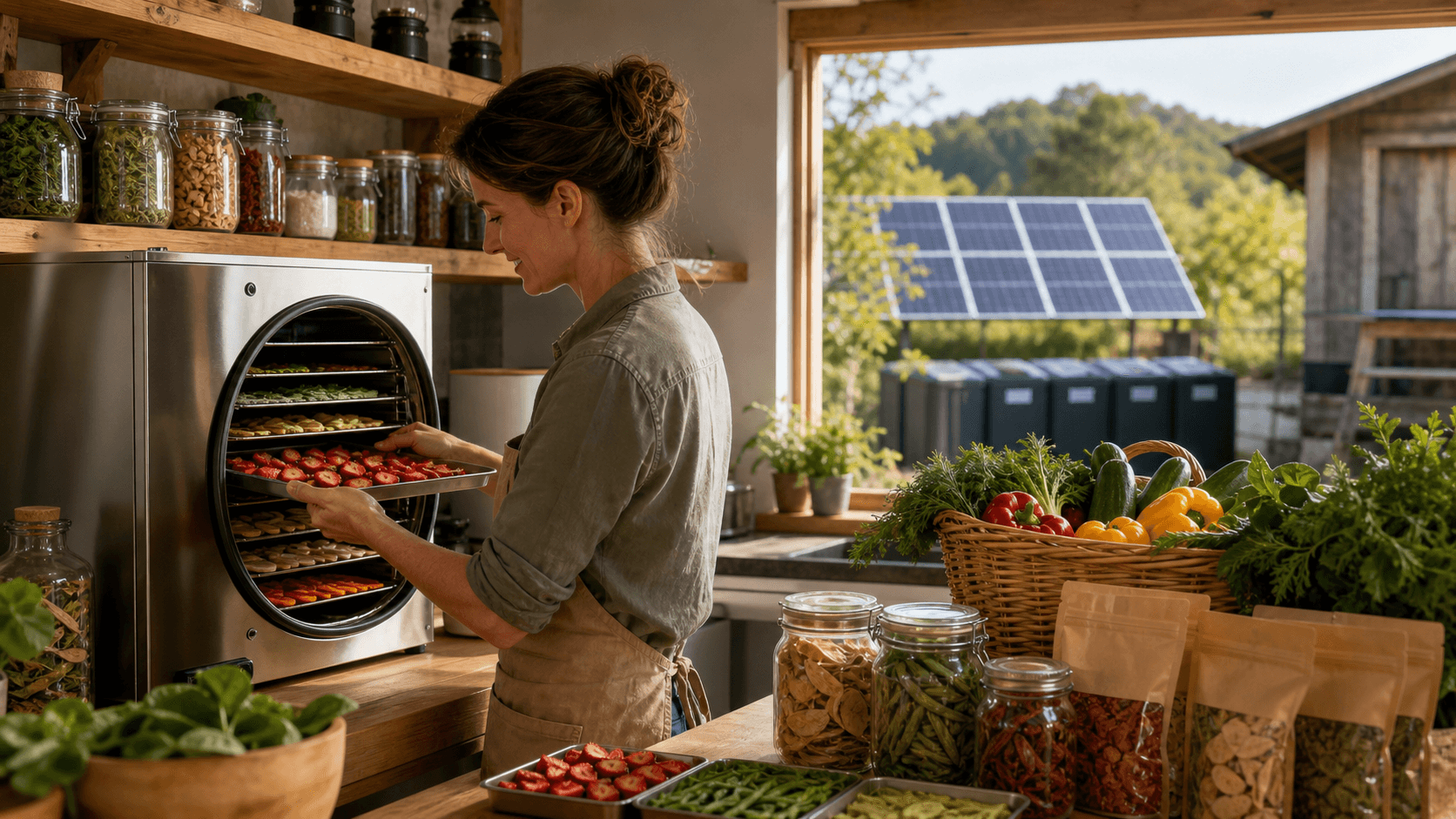
Turn Summer Harvests Into Year-Round Security
Off-grid life rewards anyone who can turn short seasons into long-term security. Late summer hits, the garden explodes, farmers' markets are loaded, and hunting season is right around the corner. Food is everywhere for a few short weeks, then winter asks what you saved. Wasting that abundance can feel painful when you work hard for every calorie.
A freeze dryer at home is one way to "bank" that bounty. Instead of jars filling every shelf and freezers groaning under the weight of meat and veggies, you turn meals into light, shelf-stable food that waits quietly until you need it. For people living on solar, battery backup, or far from town, that kind of pantry feels like freedom.
At Green Vista Living, we focus on systems that keep off-grid homes steady, like solar kits, backup power, and gear for water and air. Freeze drying fits into that same picture of resilience. So the real question is simple: is a home freeze dryer practical off-grid, or is it just a grid-tied luxury that looks nice on social media but does not fit real homestead life?
How Home Freeze Drying Actually Works
Home freeze drying sounds high-tech, but the idea is pretty simple. The machine:
- Freezes the food rock solid
- Pulls a strong vacuum around it
- Adds gentle heat so the ice turns straight into vapor
That last part is the key. Ice skips the liquid stage and goes from solid to gas. This keeps the food's shape, flavor, and a lot of its nutrition in better condition than typical canning or standard dehydrating.
A dehydrator uses warm air to drive out moisture. It works well for fruit leather or jerky, but higher heat can change texture and taste. Freeze dryers run cooler, so you can store a wider range of foods and they tend to rehydrate closer to how they started. You can freeze dry:
- Full meals like stews or casseroles
- Dairy like yogurt or cheese
- Eggs, fruits, veggies, and even cooked meats
A typical cycle for a freeze dryer at home usually takes anywhere from most of a day to part of a second day, depending on how much food and how wet it is. The basic workflow looks like this:
- Pre-freeze your food on trays if you can.
- Slide trays into the machine and start the cycle.
- Wait while it runs through freezing, drying, and final warm-up.
- Check pieces to be sure they are crisp and dry all the way through.
- Seal food in Mylar bags or jars with oxygen absorbers, label, and store.
Once sealed, you get light, dry food that can sit for a long time in a cool, dark place, with no fridge or freezer needed.
Is a Freeze Dryer at Home Off-Grid Friendly?
For off-grid folks, the big concern is power. A home unit pulls a steady electric load while it runs, with extra draw when the vacuum pump kicks on. That means each batch uses a noticeable chunk of energy. If you are on solar with batteries or you rely on a generator, planning matters.
Some practical ways to make it work include:
- Running batches during sunny hours when your solar panels are producing well
- Letting the machine finish while your battery bank is still near the top of its charge
- Watching your energy monitor so freeze drying does not overlap with other big loads
Heat and noise also play a part. A freeze dryer throws out warm air and has the hum of a compressor and pump. In a small cabin in late August, that extra heat might not be welcome. In cold months, though, it can feel like bonus warmth in a mudroom or utility space. Many off-grid homes choose spots like:
- A utility room with good airflow
- An insulated outbuilding close to the house
- A covered porch where noise and heat are less of an issue
The space needs to stay above freezing and reasonably dry, but it does not have to be in the center of your living room.
Comparing Preservation Methods for Off-Grid Life
Freeze drying is not the only way to save food, and it probably will not replace everything you already do. Each method has its own sweet spot.
Canning is great for sauces, broth, tomatoes, and pickles. It stores at room temperature but takes steady heat and careful technique. Dehydrating keeps fruit and herbs simple and low power, though shelf life and texture can be more limited. Root cellaring lets hardy crops like potatoes, squash, and carrots sit for months with almost no energy at all. Fermenting brings deep flavor and useful bacteria, but usually needs cooler, stable conditions.
Where a freeze dryer at home shines off-grid is in the tricky spots:
- Full meals ready for "just add water"
- Eggs, dairy, and higher-fat foods that do not can or dehydrate as well
- Small pieces of mixed garden surplus tossed together into future soups
There are tradeoffs. Freeze drying asks more from your power system and takes planning. In return, it cuts the risk of losing a freezer full of meat if the power drops for days. It also means faster meal prep when storms hit, guests show up, or everyone is worn out from a long day of work.
Budget, Workload, and Payoff Over the Long Haul
A home freeze dryer is a serious piece of gear. You have the cost of the machine itself, plus replacement parts over time, routine care for the vacuum pump, and ongoing packaging like Mylar bags, oxygen absorbers, and labels. Each batch uses power and supplies, so there is a real cost per meal.
On the value side, you are trading short seasons and one-time harvests for long, steady food security. Many off-grid families like to:
- Turn seasonal bulk buys into shelf-stable meals
- Preserve hunting harvests in smaller, lighter packages
- Lock in food when prices are low instead of chasing sales later
There is also the time factor. Freeze drying is not push-button magic. You still need to wash, chop, pre-freeze, load trays, and then unload, test, and pack when the run is done. The machine runs for many hours, but your actual hands-on time comes in shorter bursts. It often works well to fold it into late-summer and fall rhythms, like:
- One or two "preservation days" each week during peak harvest
- Evening sessions of packaging while the weather cools
- Grouping foods by type so you get into a smooth routine
Over months and years, those small blocks of work build a pantry that keeps paying you back.
Build a Freeze-Dried Pantry That Powers Your Freedom
So is a freeze dryer at home a good fit for your off-grid setup? A simple checklist helps sort that out. Think about:
- Your current or planned solar and battery capacity
- How much food you grow, raise, or bring home in bulk
- Your family size and how often you want grab-and-go meals
- Your goals for emergency storage versus everyday use
If you already run larger loads like pumps, tools, or AC at least part of the year, adding a freeze dryer may fit with some scheduling. If your system is very small or you depend fully on a tiny generator, it might be a later upgrade after you grow your power capacity.
A good way to start is small. Load a batch with peak-season produce, a few favorite comfort meals, and some high-value protein like cooked meat or eggs. See how the workflow feels, how your power system responds, and how much you enjoy having those meals ready. Over time, you can build toward full off-grid meal kits for winter, long storms, or busy seasons when cooking from scratch is harder.
At Green Vista Living, we see freeze drying as one piece of a bigger picture that includes solar power, battery backup, and reliable water and air systems. When those pieces work together, they support a calmer, more secure off-grid life, where your pantry, your power, and your home all back up your freedom.
Preserve More Food Quality With Simple At-Home Freeze Drying
If you are ready to get more from every garden harvest and grocery trip, explore our freeze dryer at home solution designed for busy households. At Green Vista Living, we make it straightforward to store nutritious meals and ingredients for months without sacrificing taste or texture. Have questions about sizing, setup, or what you can freeze dry first, contact us so we can help you choose with confidence.