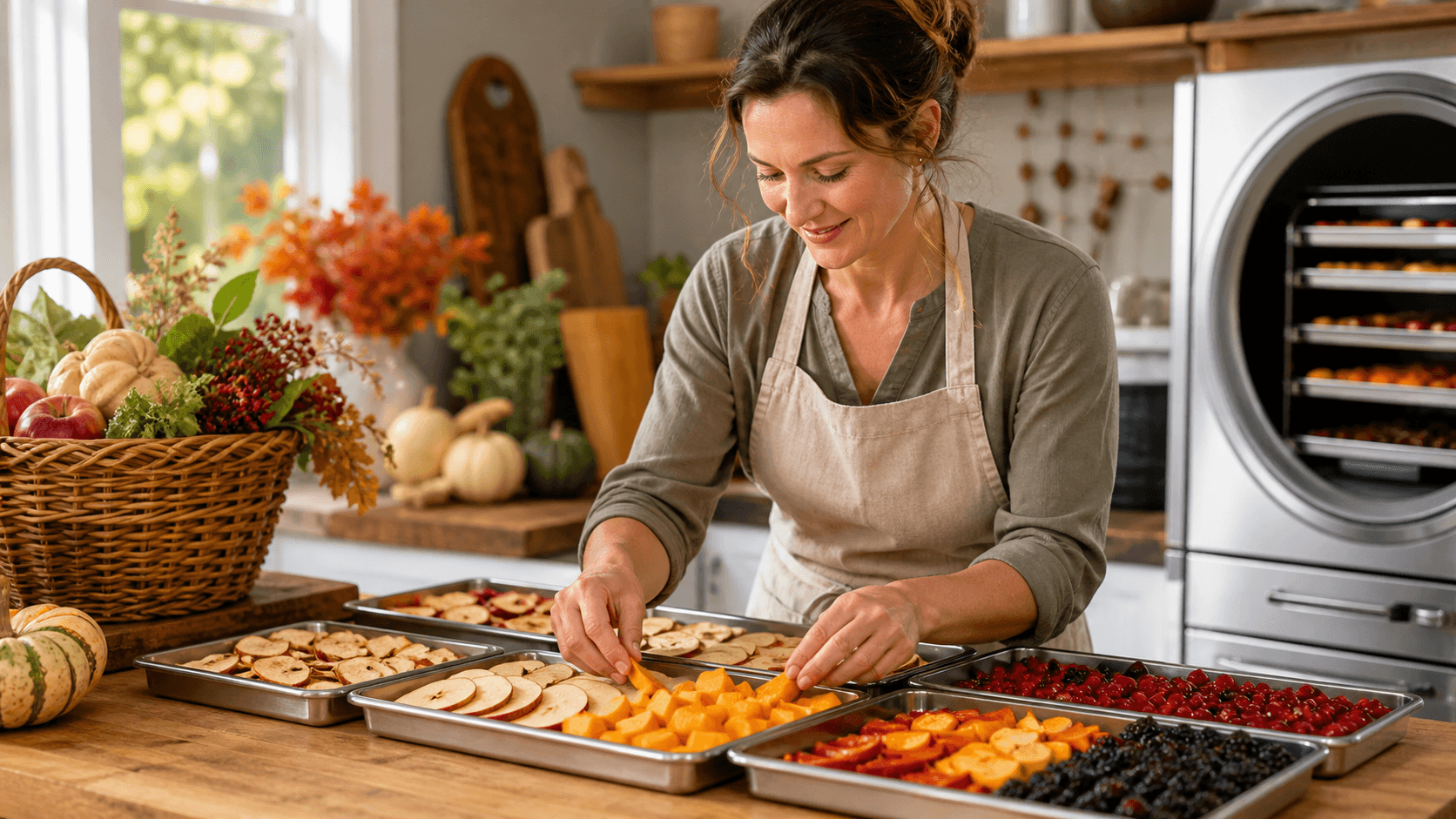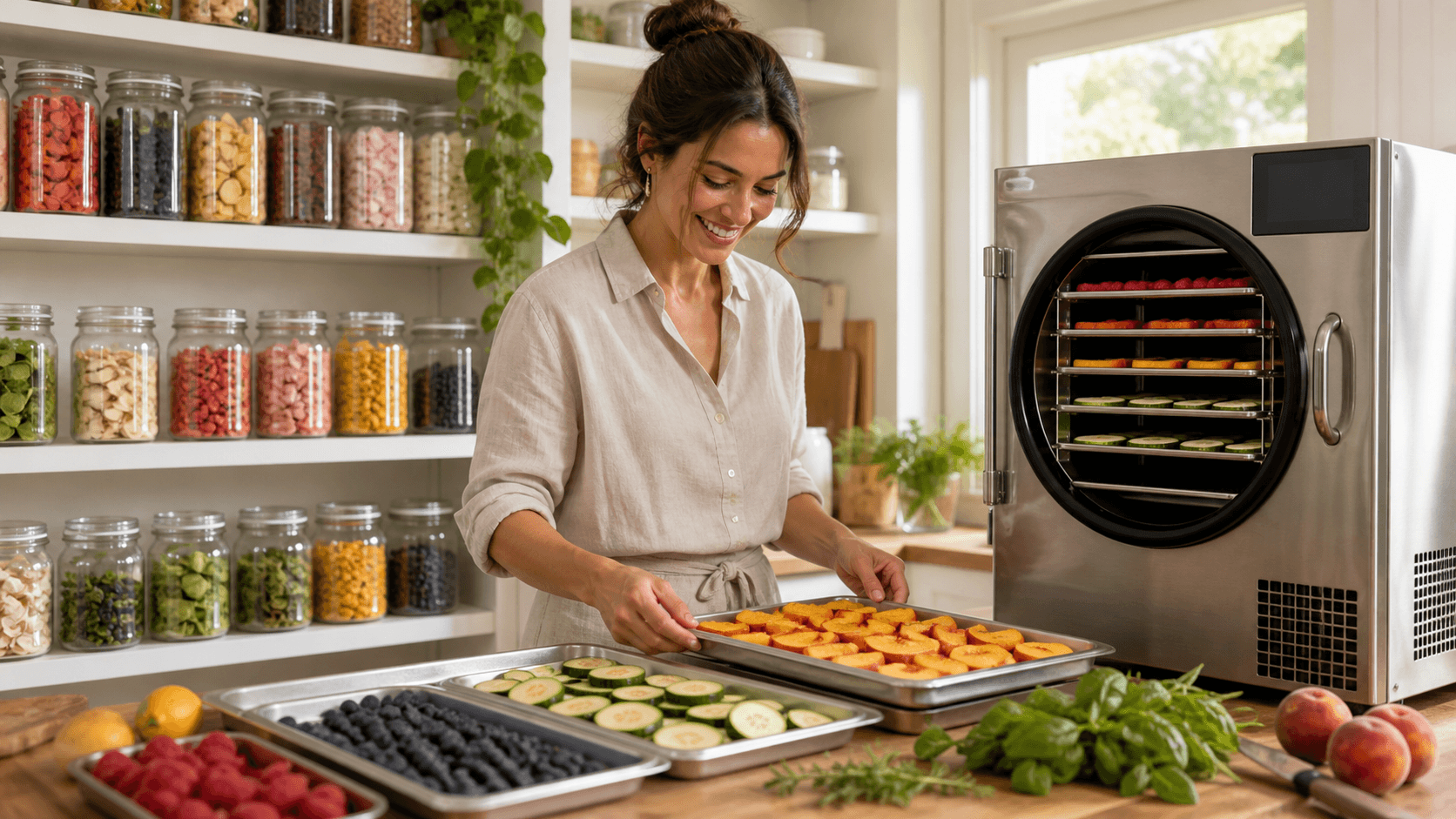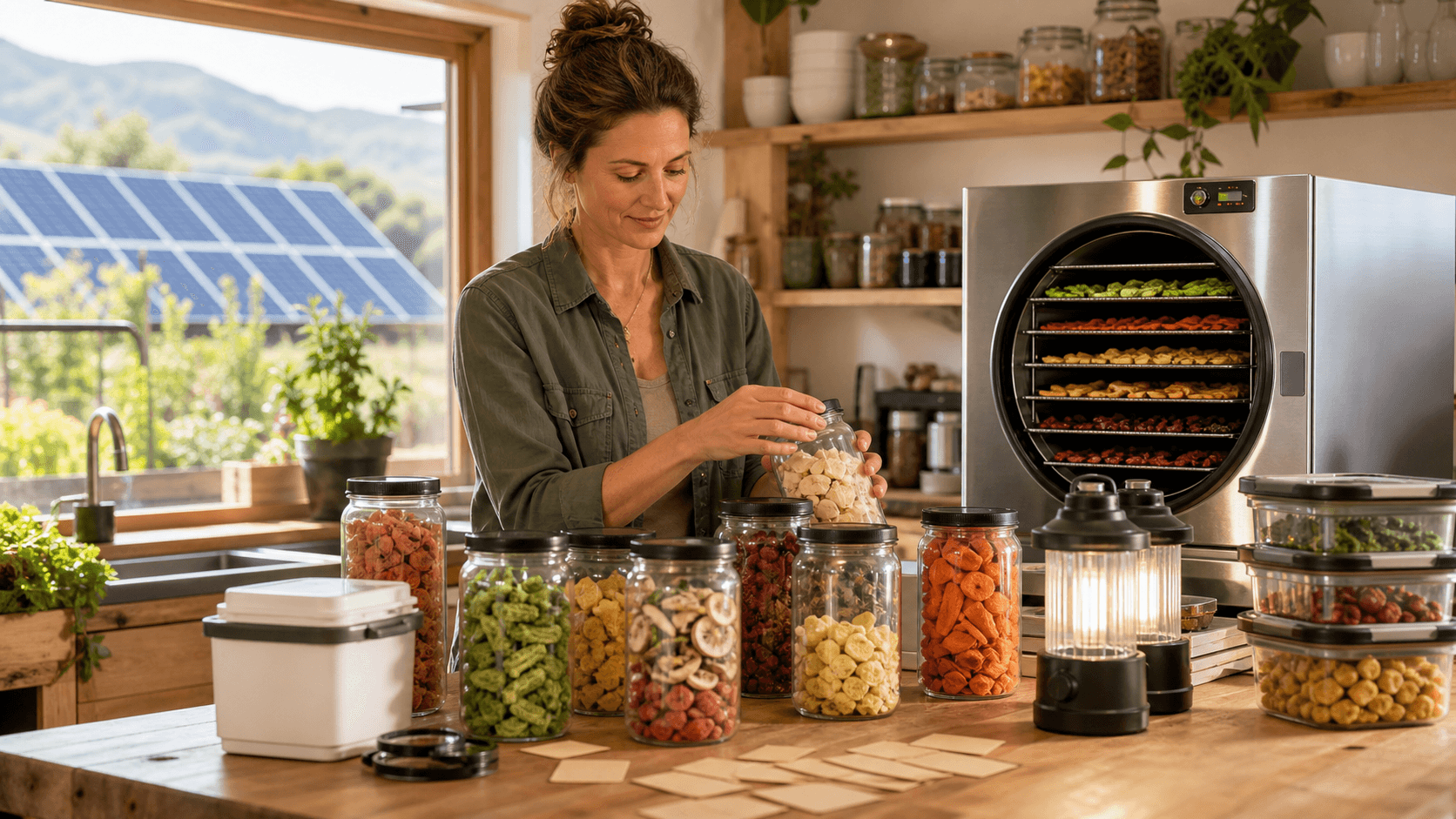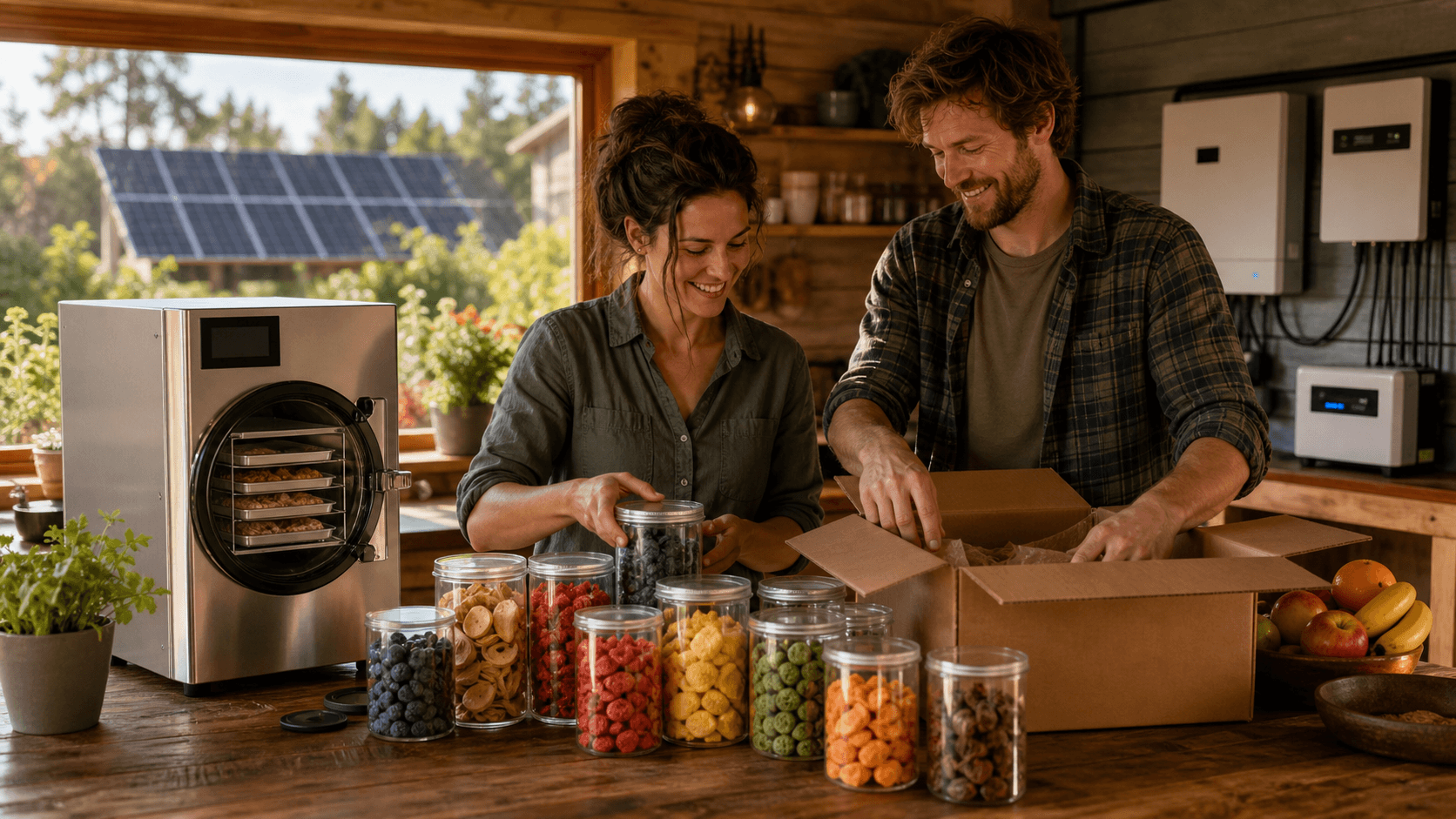
A home freeze dryer can be a powerful tool for an off-grid family that wants real food security. When garden beds are overflowing and coolers are full of meat, the big question is how to keep it all safe without leaning on the power company. Freeze drying gives you another way to turn short harvest seasons into shelf-stable food that can sit quietly on a shelf for years.
In this article, we will walk through how freeze dryers work off grid, what life with one actually looks like, and how they fit with solar, generators, and limited space. We will also look at the tradeoffs compared to other methods, so you can decide if a home unit belongs next to your canning jars and dehydrator or if your current setup is already enough.
Preserve Your Harvest All Year Without the Grid
Summer gardens and fall hunting can fill your kitchen fast. Buckets of tomatoes, baskets of apples, and coolers of meat feel exciting at first, then a little stressful when jars, freezer space, and daylight hours are all limited.
So is a home freeze dryer really worth it for an off-grid family, or is it just a big, shiny gadget? The honest answer is, it depends on your goals, your power system, and how much food you are trying to store long-term.
Freeze drying will not replace every other method. You will still want canning, dehydrating, root cellars, and maybe a chest freezer. What it does offer is one more layer of security, especially for high-value foods like meat, eggs, dairy, and full meals that you want ready to grab when the weather turns rough or the batteries run low.
How Home Freeze Dryers Actually Work Off Grid
A home freeze dryer works in three basic steps:
- Food trays go into the chamber and are frozen solid
- A vacuum pump pulls pressure down inside the chamber
- Gentle warmth helps the ice in the food turn straight into vapor
This process pulls out moisture while keeping shape, color, and flavor closer to fresh food than standard dehydrating. It can be a helpful way to store foods that do not can well, like dairy or certain full meals.
Off grid, the key question is always power. A freeze dryer draws a steady amount of electricity for many hours in a row. That means you want to match the unit to:
- Your solar array size
- Your battery storage
- Any backup generator windows
Most families run cycles when the sun is strong or when a generator is already on for other heavy loads. The machine will also put off heat and a bit of noise, so many off-grid homes place it:
- In a utility room or pantry
- In a well-ventilated outbuilding
- In a spot where summer heat will not make the house uncomfortable
A cooler, dry space helps the unit work better, and a simple vent plan keeps humidity from building up indoors.
Long-Term Food Security for Off-Grid Families
When food is freeze dried and packed well, it can sit on a shelf for many years and still taste close to what went into the machine. For off-grid families, that long shelf life can feel like a quiet safety net.
Freeze drying shines when you want to stretch short, intense seasons:
- Garden harvest from mid-summer through fall
- Orchard fruit that all ripens at once
- Hunting season meat that will not fit in the freezer
Because the process is gentle, it keeps more of the original taste and texture than most people expect. It also lets you store foods that can be hard to keep off grid, like:
- Cooked stews, soups, and casseroles
- Eggs, cheese, and yogurt
- Meat, fish, and leftover roasts
- Berries, greens, and mixed veggies
That means you are not just storing calories, you are keeping variety and comfort foods ready for stormy weeks, busy work seasons, or long winters.
The Real Cost of Freeze Dryers for Sale vs. Store Food
We are not going to pretend a home freeze dryer is a small purchase. The unit itself is one piece, and you also need to plan for things like:
- Pump oil or an oil-free pump
- Mylar bags and oxygen absorbers
- Extra trays and storage bins
- Simple tools for cleaning and maintenance
Instead of thinking only about the sticker, many families look at cost per meal over time. When you store your own food, you avoid paying for packaging and marketing on premade emergency meals. You are also less likely to lose garden produce to spoilage or throw away meat because of a power problem.
For off-grid homes, there are hidden savings too. A freeze dryer can help you:
- Lean less on freezers that need constant power
- Make bigger use of bulk buys and seasonal sales
- Cut down on last-minute supply runs in bad weather
Over years of steady use, many people see the machine as part of their food system, not just another appliance.
Daily Life with a Home Freeze-Dryer Off Grid
To decide if a unit fits your life, it helps to picture a normal week with one. A typical rhythm looks something like this:
- Load trays with prepped food
- Start a batch in the morning on a sunny day
- Let it run for many hours or overnight
- Check dryness, then pack food into long-term storage
There is hands-on work at the start and end, but the machine does the middle on its own. Off grid, you also pay attention to when you run it. Many families:
- Time cycles to match strong solar hours
- Avoid starting a batch on a string of cloudy days
- Plan loads around generator use or battery levels
There are tradeoffs to know. The unit makes noise, needs regular cleaning, and some pumps need oil changes. There is a learning curve in the first few months as you figure out which foods dry fastest and how to judge dryness. The good news is that older kids and teens can often help with tray loading, labeling bags, and putting finished food away.
Choosing the Right Freeze Dryer for Your Off-Grid Setup
Not every freeze dryer is right for every homestead. Before bringing one into your space, you will want to think through:
- Size of your family and how much you grow or hunt
- How much shelf space you have for stored food
- Where the machine can sit and vent safely
Smaller units fit better in tiny homes or cabins with modest harvests. Larger units serve big gardens, meat-heavy diets, or families planning deep storage.
Power is the other big piece. When you look at freeze dryers for sale, compare:
- Wattage needs against your solar and batteries
- Cycle length against how you currently manage power
- Start-up draw with other large loads in your system
Off grid, simple and sturdy often beats fancy. Features that matter most are:
- Reliable performance and clear controls
- Parts and support that are easy to get
- Trays, bags, and tools that make storage safe and simple
When we help families at Green Vista Living think through a unit, we look at the whole off-grid system, not just the machine. We want the freeze dryer to support your life, your land, and your long-term plans, not overload your power or clutter your space.
Preserve More Food At Home With Trusted Freeze Drying
If you are ready to turn garden harvests and bulk buys into long-lasting, shelf-stable meals, explore our carefully selected freeze dryers for sale to find the right fit for your kitchen. At Green Vista Living, we focus on equipment that is dependable, efficient, and straightforward to use so you can feel confident in your investment. If you have questions about sizing, features, or setup, just contact us and we will help you choose the best option for your home.