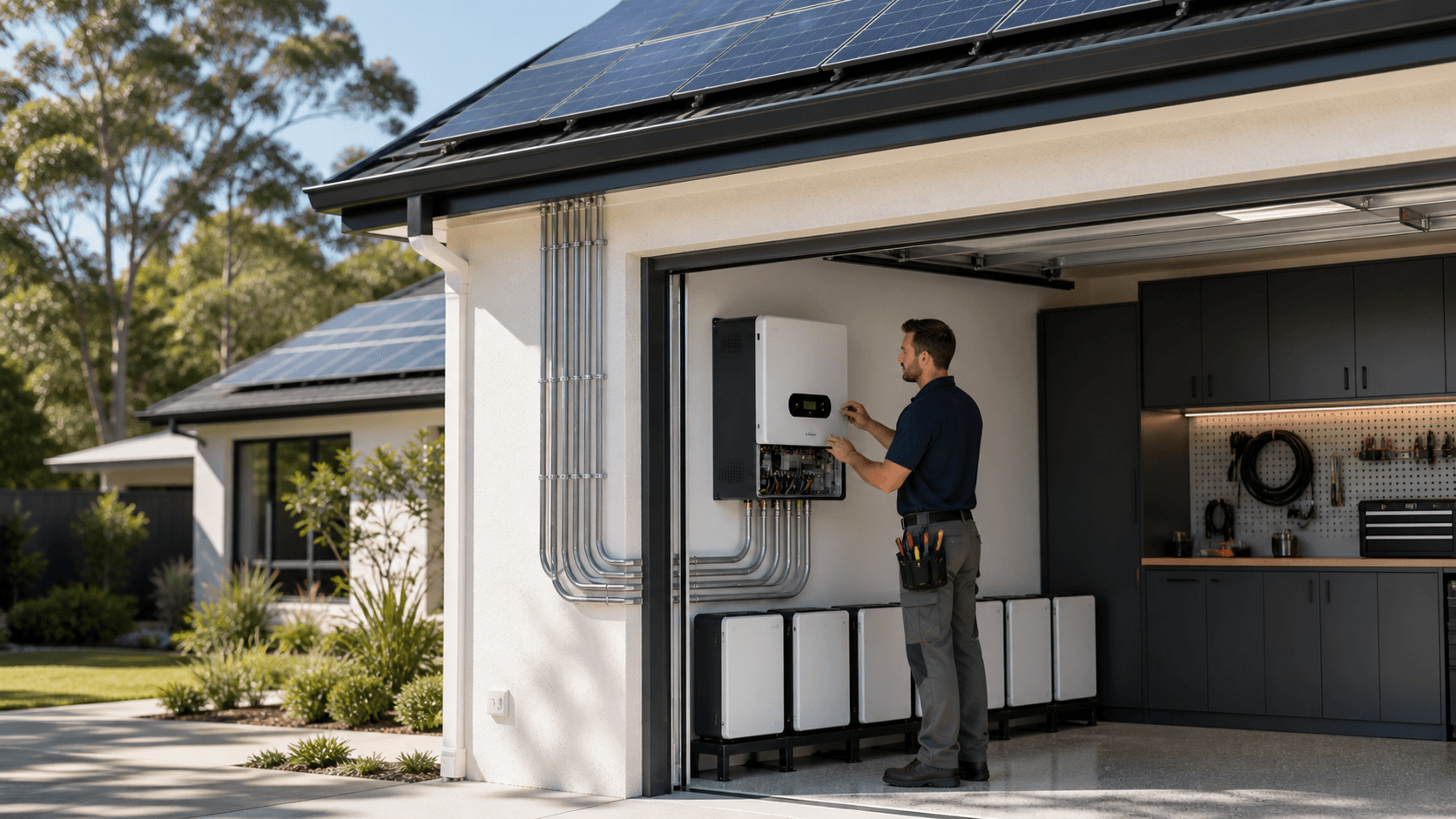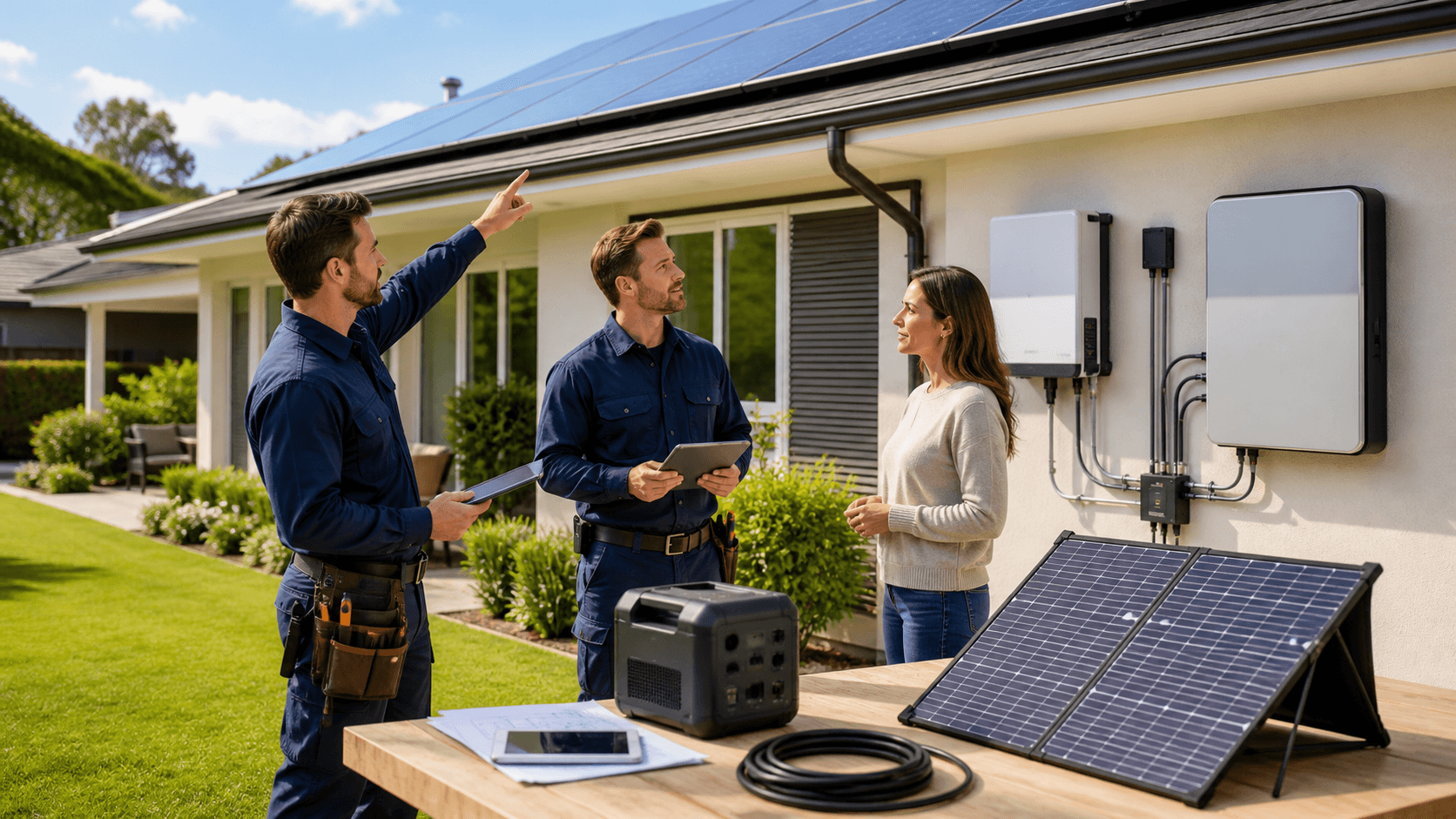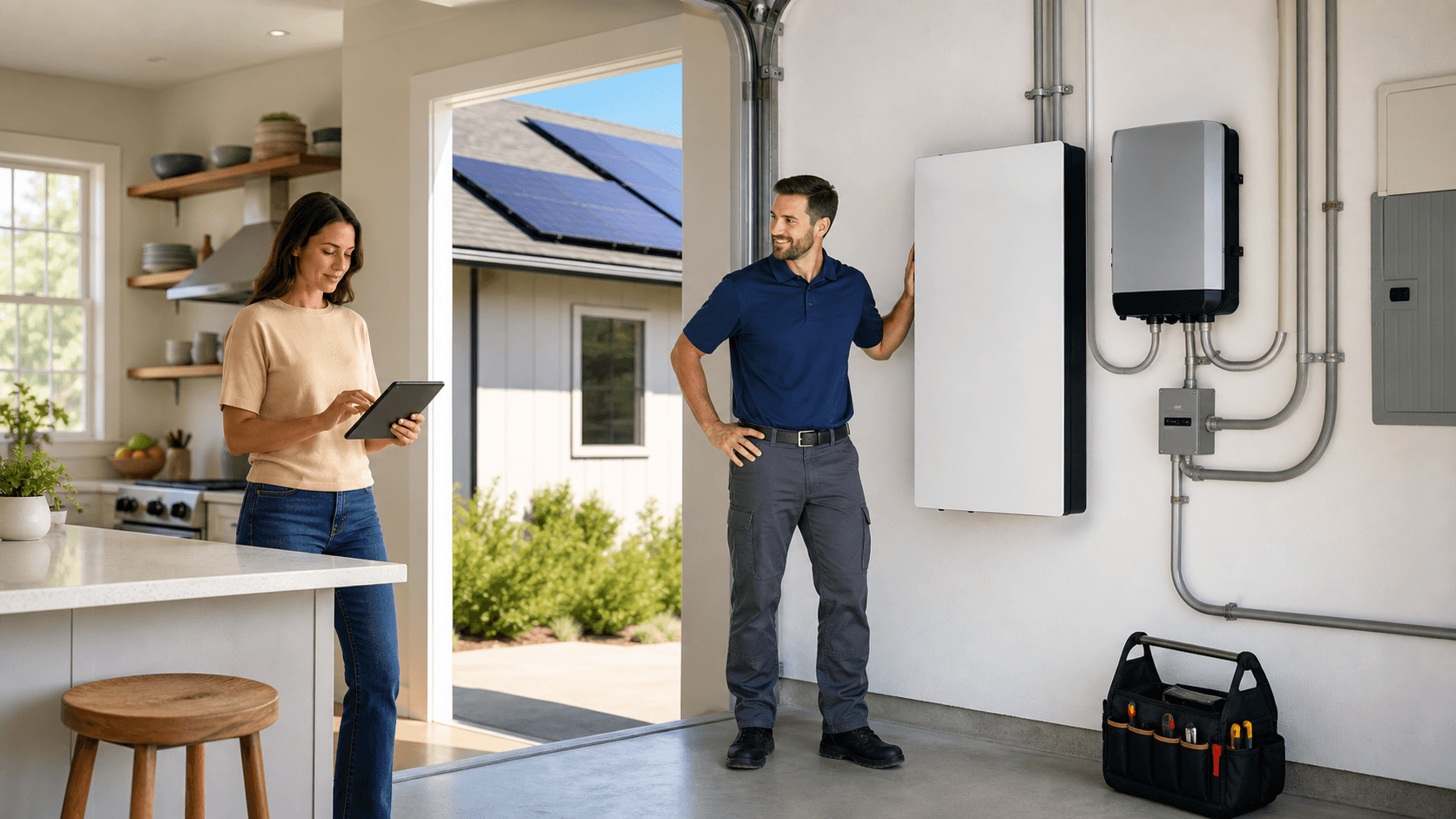
A Tesla Powerwall can completely change how daily life feels at home, especially when you use it off-grid with solar. Instead of just thinking about if something will turn on, you start thinking about when and why you use it. That shift can sound stressful at first, but with a little planning, it often feels surprisingly natural and even satisfying.
Here we will walk through what really changes day to day when you live off-grid with a Tesla Powerwall. We will talk about daily routines, room-by-room choices, weather planning, and the small habits that make off-grid life feel comfortable, especially in late June when long summer days give you more sunlight to work with.
How a Tesla Powerwall Redefines "Normal" at Home
In a grid-tied home, most of us flip switches without thinking. Laundry at night, long showers whenever, AC blasting because it is hot, and everything plugged in all the time. The grid quietly absorbs those choices in the background.
In an off-grid home powered by a Tesla Powerwall and solar, "normal" looks different. The power is still there, but it is not endless. Your home becomes its own little island, and you start noticing:
- When power comes in strongest
- Which devices are hungry
- How long your stored energy can last without sun
At Green Vista Living, we focus on off-grid and backup power systems, so we see this shift a lot. Late June is one of the best times to test true off-grid living, because long, sunny days give your Powerwall and solar plenty of time to charge. It is a great season to learn the rhythm without feeling pressured by short daylight hours.
Daily Rhythms in an Off-Grid Powerwall Home
One of the first changes is that you start living by "energy time" instead of just clock time. The clock still matters, but the sun and your battery screen matter more.
Many off-grid homes move big loads to late morning and midday, when solar is strong and the Tesla Powerwall is filling up:
- Laundry cycles
- Dishwasher runs
- EV charging or power tools
Morning might start with a quick look at the Powerwall app, just like checking the weather. You see how full the batteries are and what the forecast looks like. If the day is clear and bright, you might plan a "high energy" day. If thick clouds are coming, you might aim for a "low energy" day.
This becomes normal. After dinner, another glance at the app helps you decide whether to run the dishwasher now or wait for the next sunny stretch. It is less about strict rules and more about paying attention and planning ahead.
Rethinking Energy Use Room by Room
Off-grid living with a Tesla Powerwall tends to change how you use each room.
In the kitchen, many homeowners learn to tame the biggest energy hogs. An old electric oven, for example, can pull a lot of power for a long time. People often switch to more efficient tools and habits, like:
- Using an induction cooktop for quick, focused heating
- Cooking with a pressure cooker to shorten cooking times
- Doing batch cooking in the late morning when solar is highest
You might still bake and simmer; you just time it better. That pot of soup that used to cook all afternoon might now be a midday project so the Powerwall can refill afterward.
Climate control is another big one. AC can drain batteries overnight if it runs non-stop. With an off-grid mindset, you lean on:
- Ceiling fans and box fans
- Smart thermostats with gentle set points
- Closing blinds or curtains midafternoon to block heat
- Opening windows in the cool hours when it makes sense
The goal is to keep the house comfortable while asking less from the Powerwall after the sun goes down.
For work and play, you start to favor efficient tools. Laptops instead of gaming desktops, LED bulbs instead of old bulbs, smaller TVs, or streaming on a tablet when you can. And instead of leaving everything in standby, you switch things completely off more often. It becomes as normal as locking the door at night.
Living Within Your Energy Budget Without Feeling Deprived
Think of your Tesla Powerwall system like an energy checking account. Solar deposits during the day, and you withdraw power as you live your life. Living off-grid means learning your daily "energy budget."
That budget is the typical kilowatt-hours your solar brings in, plus what the Powerwall can store, minus what you need to keep as a buffer for cloudy days or nights. You do not have to track every watt, but you start to feel the pattern. Many people still enjoy:
- AC during hot parts of the day
- Wi-Fi and streaming
- Lights and kitchen tools
The difference is timing and stacking. You might avoid running the clothes dryer, the oven, and the well pump all at once late at night. Shorter showers with an electric water heater, fewer lights on in empty rooms, and not starting another large load right at bedtime all become second nature. It feels less like giving things up and more like choosing what matters most.
Weather, Seasons, and Planning for the Unexpected
In late June, long, bright days give you more freedom. You can recharge the Powerwall more fully, so small slips or surprises do not matter as much. Winter and shoulder seasons are different stories. Shorter days, lower sun angles, and more clouds may mean:
- Being more strict about daytime usage
- Keeping a larger reserve in the Powerwall
- Relying more often on backup systems like generators
Storms also feel different off-grid. Instead of worrying about losing the grid, you treat storms like system tests. You might enter the evening with your batteries at a higher charge, cut back on nonessential loads, and keep an eye on usage.
Travel and guests also need some planning. When more people are in the house, loads jump. More showers, more devices, more opening and closing doors. Before guests arrive, you might adjust your Powerwall reserve settings, clear out old always-on devices, or lean on portable backup systems to keep your main battery from dropping too low while you are busy.
Smart Tools and Add-Ons That Make Off-Grid Life Easier
A Tesla Powerwall really shines when it works with the rest of your system. Solar inverters, smart electrical panels, and energy monitoring tools can help:
- Shift heavy loads to peak solar hours
- Cut nonessential loads if the battery drops too far
- Give you clear, simple views of what uses the most energy
Supporting equipment also matters. Efficient well pumps, water storage, and good air systems help lower the steady background demand. When those core loads are lean, there is more room in your budget for comfort and fun.
Many off-grid homes do not stop with the original setup. Over time, people often:
- Add another Powerwall for extra storage
- Expand their solar array as needs grow
- Integrate backup generators or portable power stations
This step-by-step growth lets you tune your system to your real life, not just a rough guess on day one.
Your Next Steps Toward an Off-Grid Powerwall Lifestyle
The best way to see if an off-grid Tesla Powerwall lifestyle fits you is to look at how you live right now. A simple log of your daily habits can be eye-opening. Note when you run laundry, when the AC seems to work the hardest, when you cook, and how often devices stay on all night. This gives a rough picture of the energy "shape" of your day.
Many homeowners start in hybrid mode first. They use a Powerwall for backup and to smooth daily use while still tied to the grid. As they get comfortable, they move more loads into the solar-plus-battery window, then slowly rely less on the grid at all. At Green Vista Living, we enjoy helping people match that lifestyle vision with real-world systems, so off-grid living feels calm, not stressful, and fits the way they actually want to live.
Protect Your Home With Reliable Backup Power Today
Take control of your energy security and keep your home running smoothly during outages with a professionally installed Tesla Powerwall. At Green Vista Living, we help you design a system that fits your lifestyle, budget, and long-term sustainability goals. If you are ready to explore your options or have questions about your specific home setup, contact us and we will walk you through the next steps.