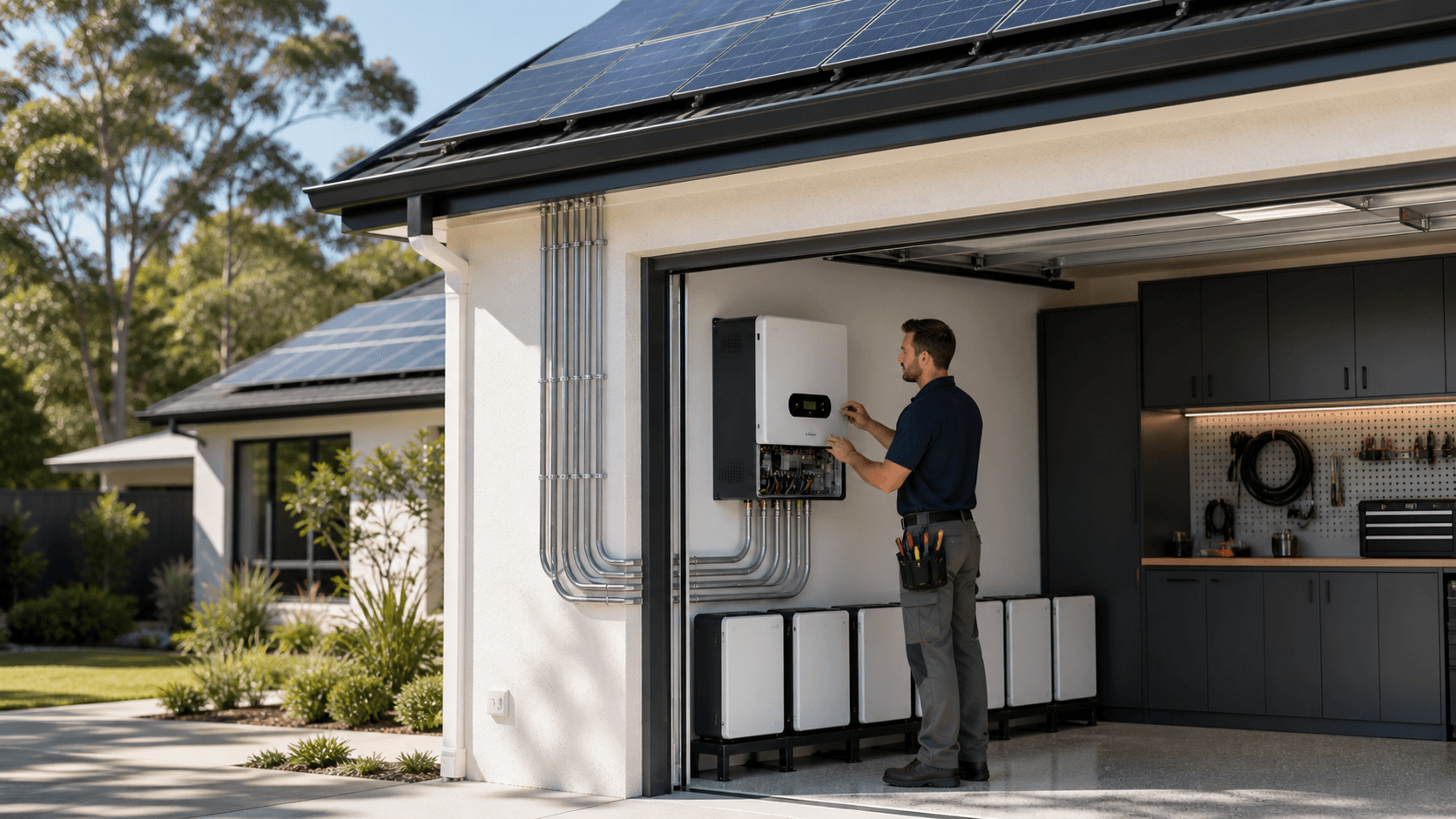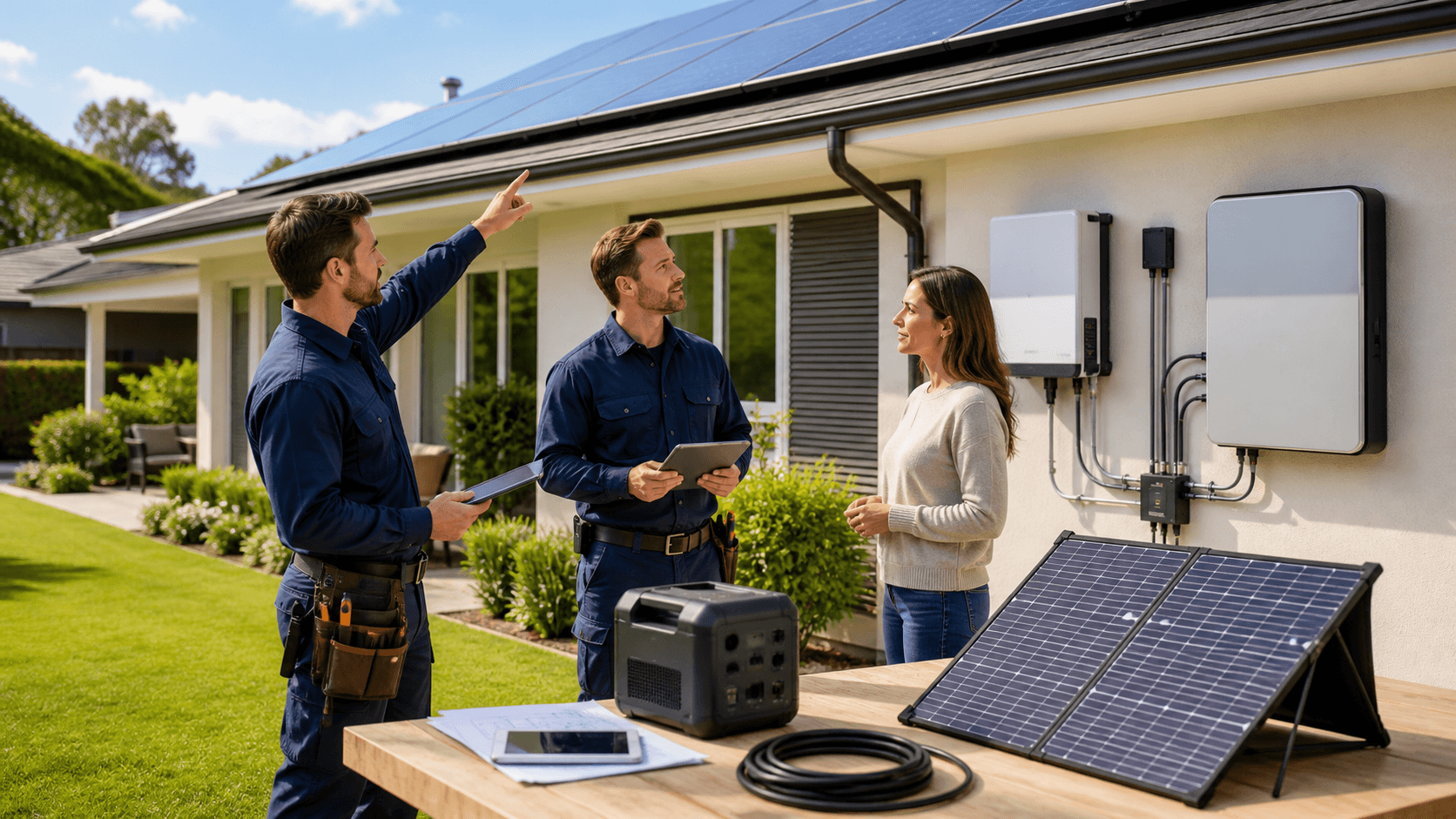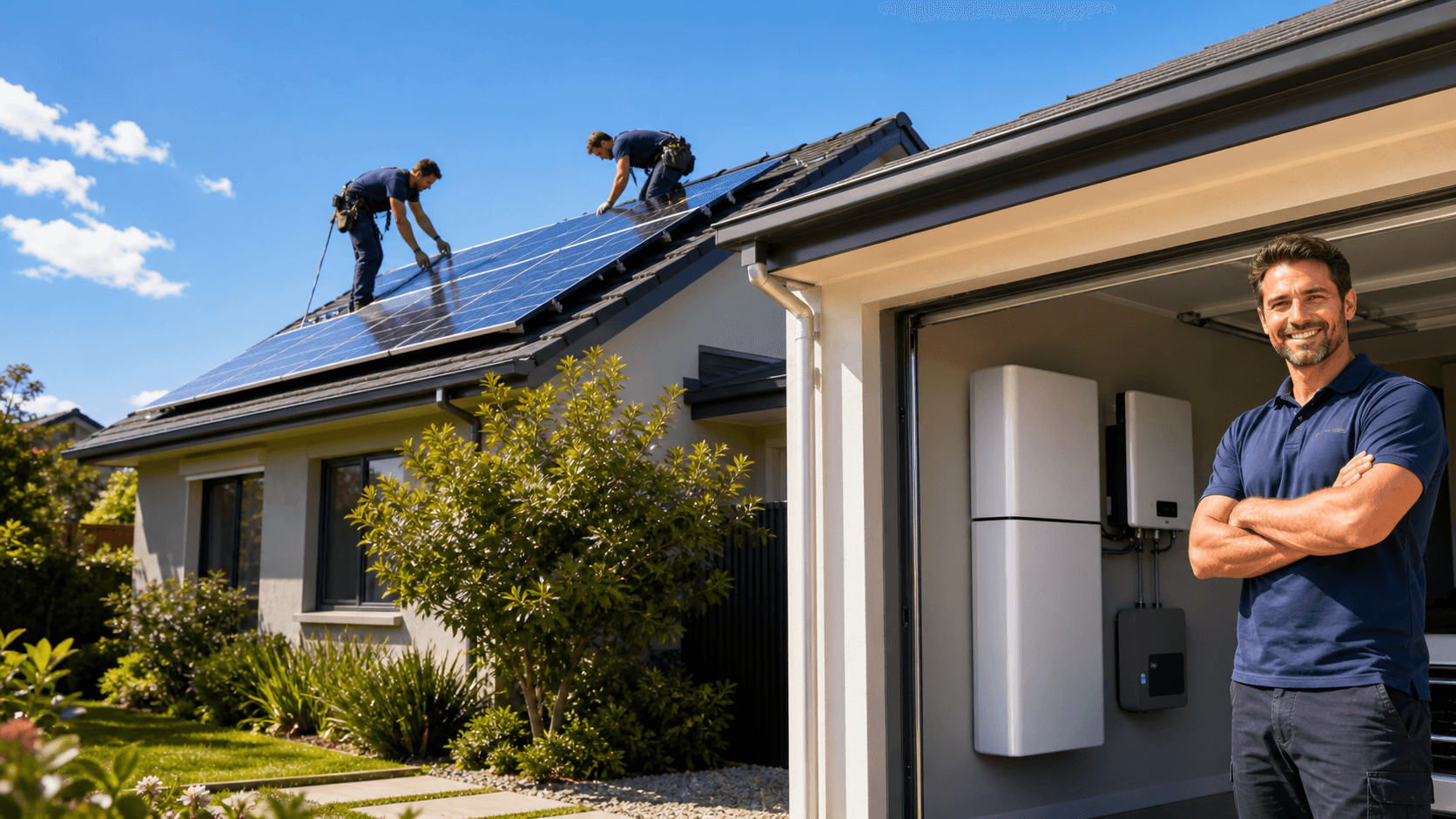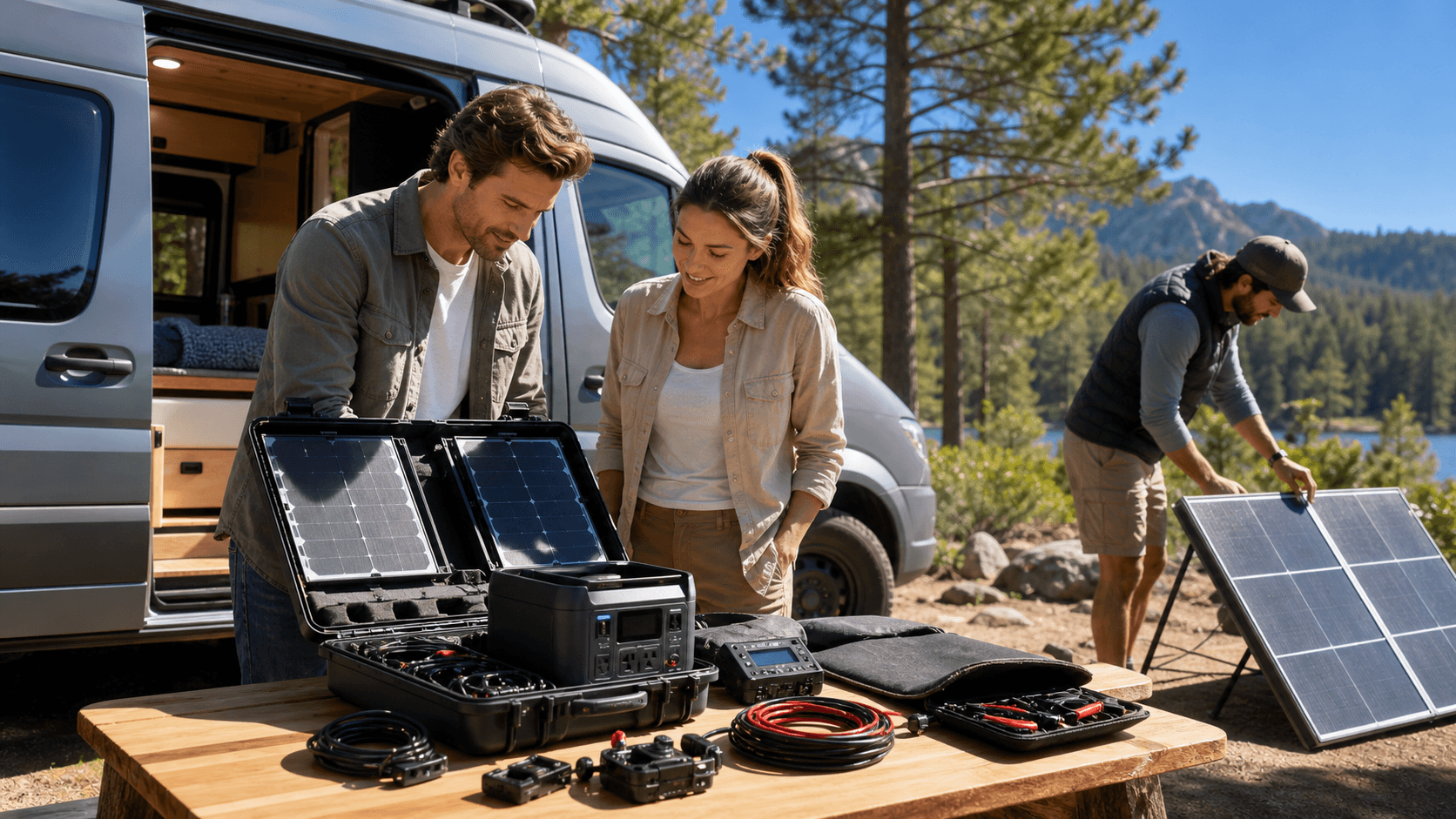
A solid off-grid solar system can turn summer road trips from stressful to simple. Instead of worrying about dead batteries, spoiled food, or kids melting in a hot camper, you plan your power once and enjoy the ride all season long.
In this guide, we walk through how to plan family travel power for late June through peak summer. We keep it practical and real, focusing on what you actually need on the road, what gear works well, and how to stay safe and on budget.
Powering Summer Freedom for Your Family Road Trip
Summer trips often mean long days in the car, quiet national forest camp spots, busy RV parks, lakeside cabins, and the occasional quirky off-grid rental with so-so wiring. Hookups can be full, outlets can be loose or overloaded, and sometimes there is simply no plug to be found.
With a well-planned off-grid solar system, you can:
- Keep a 12V fridge or cooler running so food stays safe
- Charge phones, tablets, laptops, cameras, and GPS units
- Run fans and maybe a small AC unit in short bursts
- Power lights, water pumps, and some work gear
Instead of chasing open outlets or worrying about every minute of fan time, you travel on your terms. At Green Vista Living, we help families size and set up solar systems for RVs, travel trailers, vans, cabins, and remote stays, so summer power feels simple and safe.
This post walks through a step-by-step plan: define your power needs, size your setup, pick travel friendly gear, and think about backup power layers so your trip can roll smoothly.
Defining Your Summer Travel Power Needs
Good power planning starts with knowing how you actually travel. Take a few minutes and sketch out your July and August plans.
Ask yourself:
- How many days will we be on the road?
- How many nights will we have full hookups?
- How often will we boondock or stay somewhere with unknown power?
- Will we stay in one place for days, or move every night?
Next, make a simple power inventory. Write down every device or appliance you want to run when you are off grid, even small stuff. Common items include:
- Interior and exterior lights
- Vent fans and small personal fans
- 12V water pump
- 12V or DC fridge or cooler
- Phones, tablets, and kids' gaming devices
- Laptops and work gear
- Camera batteries and drone chargers
- CPAP or other medical devices
Check the labels on each item. Most list watts or amps. Multiply watts by hours used per day to get watt-hours. For example, a 50 watt fan running 4 hours uses about 200 watt-hours in a day. Add everything up. That daily total is your main planning number.
Summer brings long daylight hours, which is great for solar. But heat works against you. Fridges cycle more often, fans stay on longer, and people reach for extra cold drinks. Plan for a little more use than you think, not less.
Sizing an Off-Grid Solar System for Summer Travel
For travel, an off-grid solar system usually includes:
- Solar panels to make power from sunlight
- A charge controller to safely feed the batteries
- A battery bank to store energy
- An inverter if you want standard AC outlets
- Wiring, fuses, and mounting hardware
Start with your daily watt-hour number. Let us say your family uses around 1,000 watt-hours per day off grid. You want solar panels that can comfortably make that much power on a good summer day, plus some extra for clouds and shading.
In many parts of the country, a few hours of strong sun is normal in summer. A panel array that can make more than your daily use in that time gives you a buffer. Then size your battery bank so it can hold at least one to two days of that use. That way you are not empty after one cloudy afternoon.
Think about what you want your system to handle:
- A modest setup can reliably power lights, phones, tablets, a 12V fridge, and fans.
- A mid-sized system can support laptops, camera gear, and a CPAP running all night.
- Large loads like induction cooktops, big AC units, or full-size microwaves need a bigger inverter and battery bank, and can drain things fast.
Summer sun angle is your friend, but hot RV and van roofs can warm the panels and drop efficiency. Planning a bit more panel wattage than the bare minimum is usually a smart move for hot weather trips.
Choosing Travel-Friendly Solar and Battery Gear
Once you know roughly how big your system should be, it is time to pick the kind of gear that fits how your family travels.
Panels come in two main flavors for road trips:
- Roof-mounted panels are always ready, need no setup at camp, and are harder to steal.
- Portable folding panels can be moved into the sun if you park in the shade and work well at off-grid cabins.
Many families like a mix, with a solid roof array plus one small portable panel they can aim toward the sun when needed.
For batteries, the two common choices are:
- Lithium iron phosphate (LiFePO4), which is lighter, lets you use more of the stored energy, and charges quickly.
- AGM or other lead-acid types, which cost less up front but weigh more and should not be drained as deeply.
For travel, weight and space matter a lot. LiFePO4 often makes sense in RVs, vans, and trailers, while some people keep lead-acid in cabins that do not move.
On the road, safety is just as important as capacity. Plan for:
- Secure mounting for panels so wind and bumps are not a risk
- Correct wire sizes and solid, weather-rated connectors
- Fuses or breakers on all major lines
- Ventilation around batteries and electronics
At Green Vista Living, we focus on solar kits, travel ready battery systems, and small home backup units that also work on the road, so families can keep their setups simple and reliable.
Integrating Backup and Shore Power for Peace of Mind
Even a strong off-grid solar system works best as part of a mix. Solar should be your quiet, everyday power. But it helps to have backups ready before you back out of the driveway in late June.
Common layers include:
- Shore power at RV parks or cabins whenever it is available
- Alternator charging from your vehicle while you drive
- A small, quiet generator for short, heavy loads like AC in extreme heat
A simple hybrid plan might look like this: solar runs your fridge, lights, and fans most of the time. Shore power tops off batteries and handles AC when you land at a full hookup site. A generator stays in reserve for a heat wave or a string of cloudy days.
This mix is not just about comfort. It is about safety. Families often need to be sure:
- Fridges stay cold on long, hot driving days
- CPAP or other medical devices run all night
- Kids can sleep with fans moving air, even if the campground power fails
Sorting these layers before you leave keeps you from grabbing random gear at crowded big-box stores or trying risky cord setups at packed campgrounds.
Summer-Ready Setup Checklist and Next Steps
To pull this all together, use a simple checklist:
- Confirm your daily power budget in watt-hours
- Choose panel type and total wattage for your travel style
- Size your battery storage for at least one to two days of use
- Decide if you need an inverter and how many AC watts it should support
- Plan your backup layers, like shore power, alternator charging, and a small generator
Before the big trip, do a test weekend. Park in your driveway or at a nearby campground during warm weather, then run your system exactly how you expect to on the road. Note what works, what strains the batteries, and what could be more comfortable. A small tweak at home is much easier than a big change halfway through a long road loop.
At Green Vista Living, we care about simple, practical setups that match real family travel, from RVs and vans to cabins and off-grid rentals. With a clear plan, the right mix of solar, storage, and backup power, your family can say yes to more side roads, more quiet camps, and more summer memories without worrying what is left in the battery.
Get Started With Your Project Today
If you are ready to make your home more resilient and energy independent, explore the off-grid solar system options we have curated at Green Vista Living. Our team is here to help you choose the right kit, understand installation requirements, and plan for long-term performance. If you have questions or need a custom recommendation, just contact us and we will walk you through the next steps.