Why Off-Grid Food Security Needs a Rethink
Off-grid food security is not just about filling shelves; it is about knowing you can feed your household when things get rough. Weather is getting stranger, supply trucks are not always on time, and many people are seeing how fragile the power grid can be. If you live in a rural area or spend time at a cabin, you feel this even more.
Most of us grew up with the classic tools: canning jars on the counter, a humming chest freezer in the garage, maybe a basic dehydrator in the pantry. Now there is a new kid on the block, the home freeze dehydrator, also called a freeze dryer. It sounds almost magical: long shelf life, great taste, and bright pictures on social media.
But when you are off-grid or even just grid-flexible, the question changes from "Is this cool?" to "Will this really work here?" At Green Vista Living, we focus on the whole off-grid system, not just one gadget. In this article, we will walk through how freeze dehydrators fit into that bigger picture, what they ask from your power setup, and what other food preservation tools might serve you better in the long run.
Freeze Dehydrator Hype Versus Off-Grid Reality
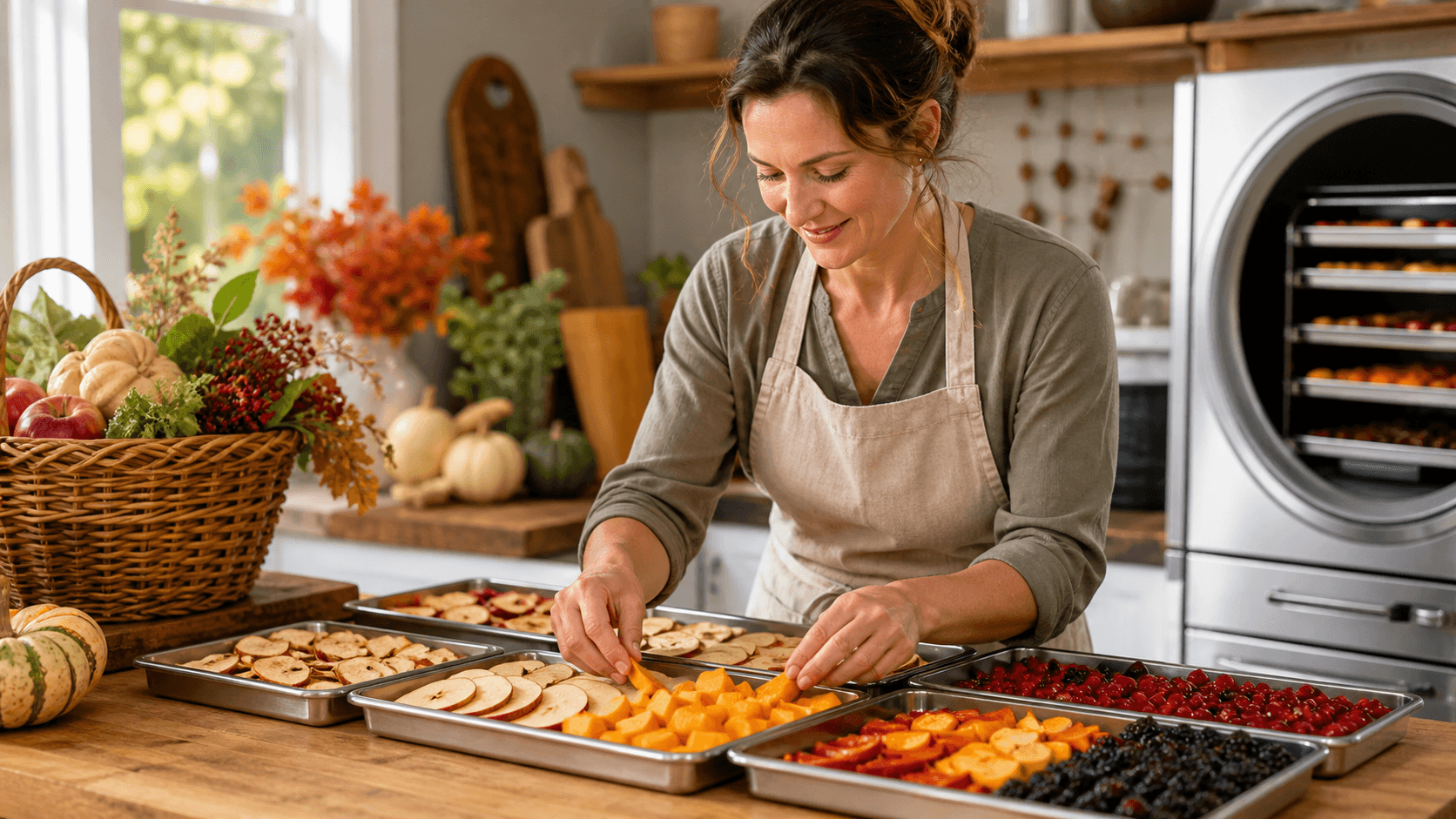
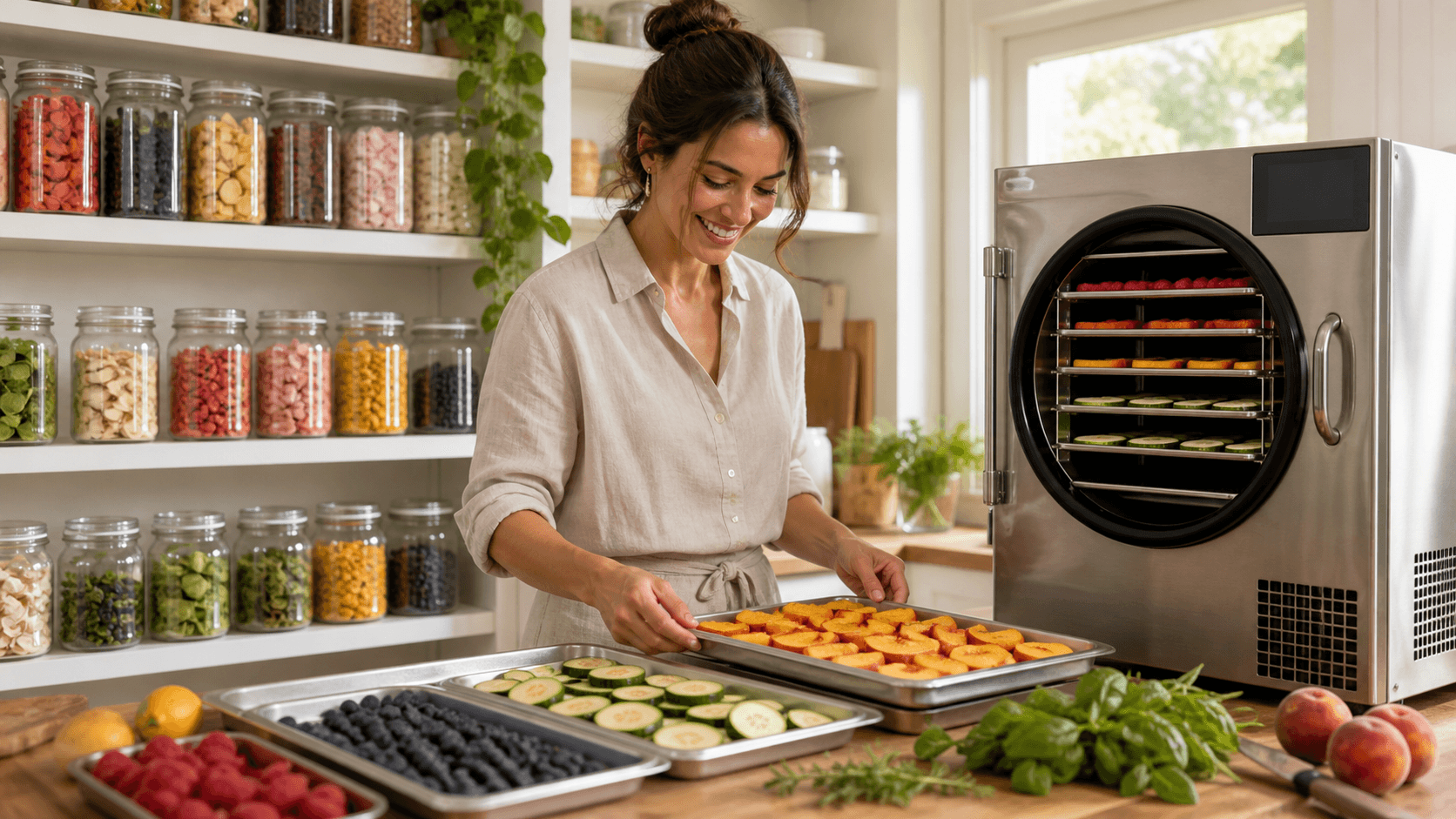
A home freeze dehydrator does something pretty special. It freezes food solid, then uses a strong vacuum and gentle heat so the ice in the food turns straight into vapor. This process, called sublimation, pulls out moisture while keeping much of the flavor and texture. The result is light, crisp food that can be stored for a long time when sealed and kept dry.
That sounds perfect for off-grid cabins and homesteads, but there are tradeoffs. A freeze dehydrator usually:
- Pulls a lot of power, especially during startup
- Runs for many hours, often overnight or longer
- Puts out noise and heat into the room
- Needs care, oil changes or filters, gaskets checked, and cleanup
In a tight, well-insulated off-grid home, that extra heat can be uncomfortable in summer. The noise may also be annoying if your kitchen and living space are the same room, which is common in small cabins.
So why did freeze dehydrators get so popular? People wanted to store more food at home, protect themselves from shortages, and make fun snack packs. Videos made the process look simple and effortless. What those short clips rarely show is the constant power draw, the long cycle times, and the daily choices you must make when your home runs on solar and batteries instead of a big city grid.
Powering a Freeze Dehydrator on Solar and Batteries
To see if a freeze dehydrator fits your setup, you have to think in watts and hours. A typical home unit often pulls power in short bursts as the compressor and vacuum pump kick on and off. Over a full batch, that adds up to a big chunk of energy.
For an off-grid home with solar panels and a battery bank, that means:
- You need an inverter that can handle the startup surge
- Your battery bank must cover the whole cycle, not just the first few hours
- Your solar array should refill those batteries while still running lights, pumps, and other loads
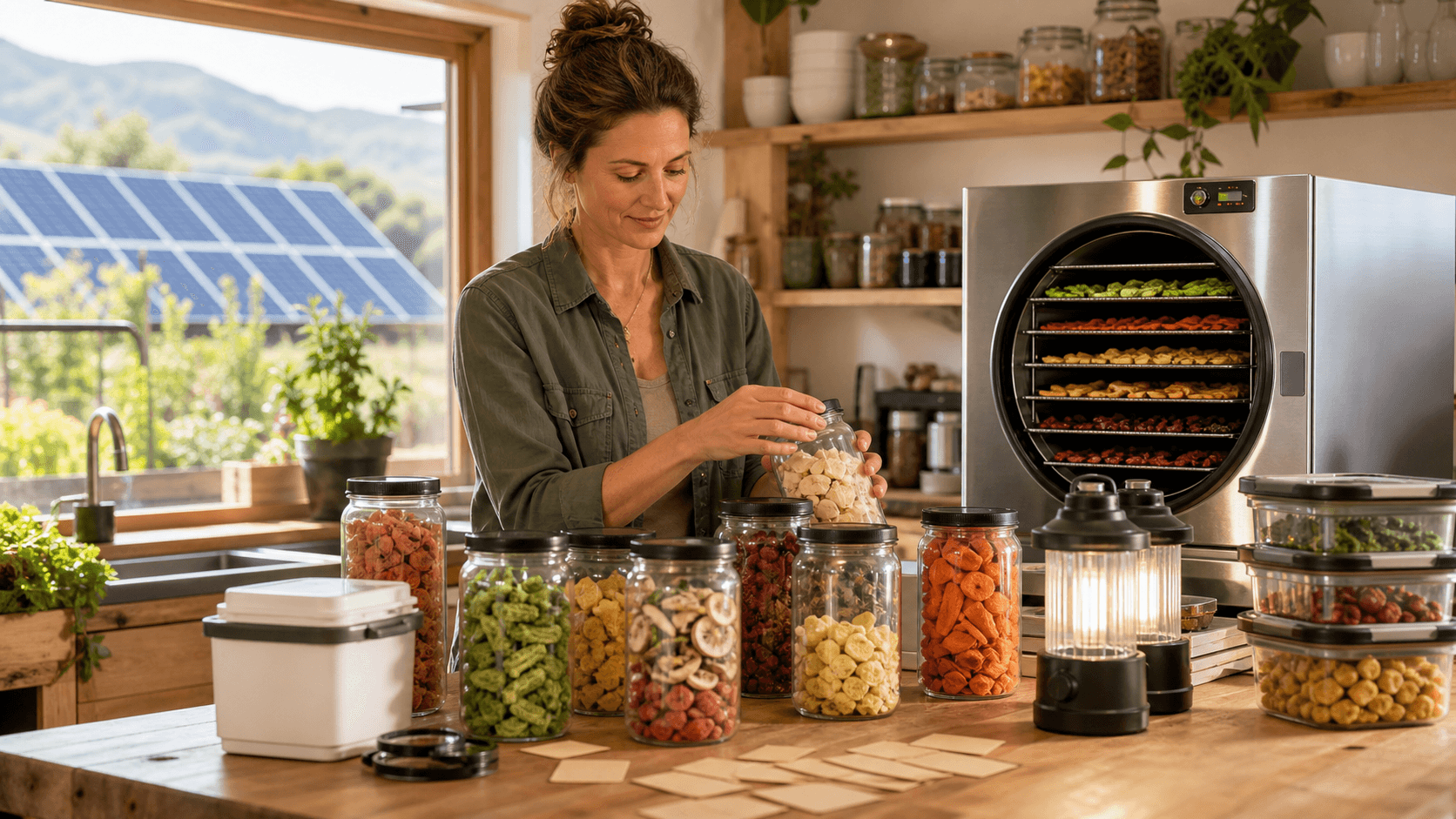
Summer brings long days and more sun, which helps. But early July and late summer can also be hot, and hot ambient air makes it harder for the freeze dehydrator and your solar gear to stay cool. Panels like some breeze, electronics like shade and airflow, and food equipment works better when it is not fighting high indoor temperatures.
Good planning might include:
- Placing panels where they get clean, direct sun for most of the day
- Setting the freeze dehydrator to run during peak sun and taper off into the evening
- Keeping the unit in a space that vents heat well and is not next to your sleeping area
At Green Vista Living, we design integrated solar and battery systems with these kinds of loads in mind. For some households, that means planning for a few freeze dehydrator batches when solar is strong, while still putting priority on water pumps, refrigeration, and basic lighting when the weather turns cloudy.
Smarter Preservation Strategies Beyond the Freeze Dehydrator
Even if you love the idea of a freeze dehydrator, it should not be your only strategy. There are many low-power methods that fit off-grid life very well.
Some options include:
- Conventional dehydrators that sip power and can be run during peak sun
- Root cellars or cool buried spaces for hardy crops
- Fermentation for things like vegetables and dairy
- Canning for high-acid foods and sauces
With a smart mix, you can often save your freeze dehydrator for foods where it really shines, like fruit, herbs, or meals you want very light and portable. Meanwhile, well-insulated chest freezers run nicely on right-sized solar, especially if you limit how often you open them and keep them in a cool space.
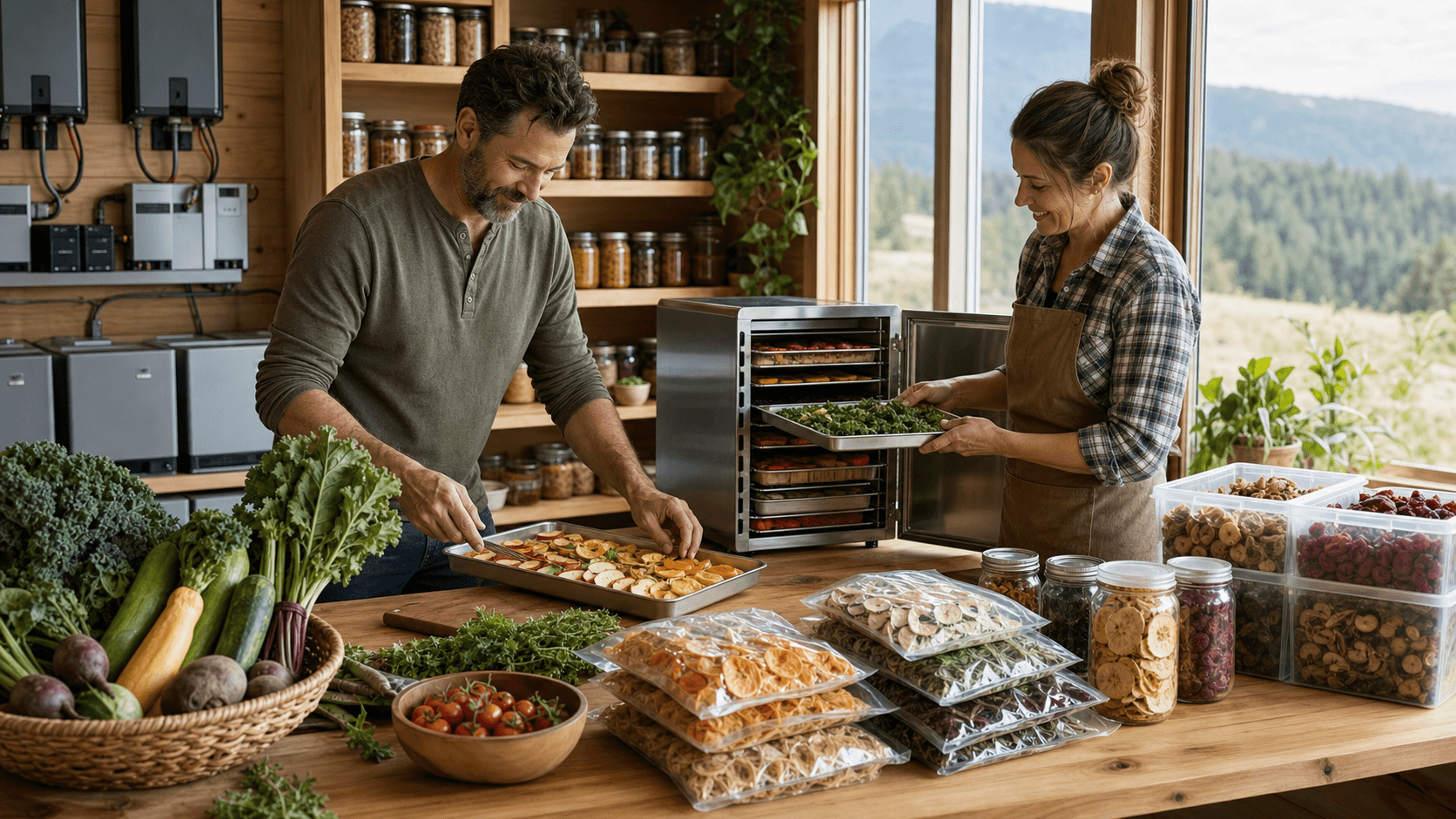
Outdoor structures also play a big role. A simple shed or small outbuilding can serve as:
- A home for noisy equipment like freeze dehydrators and compressors
- A utility room for inverters, batteries, and charge controllers
- A prep area where produce comes in, gets washed, sorted, and processed
Green Vista Living brings together solar power kits, water and air treatment, and outdoor structures that support these different methods, so your food keeps longer and stays safer without wasting energy.
Designing an Off-Grid Food System That Actually Works
Instead of starting with a single appliance, it helps to step back and look at your whole site. Ask yourself:
- What is the climate like, hot, cold, humid, dry?
- How much sun do you get in different seasons?
- Where does your water come from and how steady is it?
- How much storage space do you have indoors and outdoors?
- What foods does your household really eat week after week?
From there, you can think in layers. Fresh food is your first tier, things like garden produce, eggs, and what you buy often. Next comes short-term storage in a fridge or small freezer. After that, long-term shelf-stable foods fill the third tier: dried, canned, frozen, or freeze-dried.
Freeze dehydrators can hold a place in that third tier, but they make the most sense when part of a balanced mix. At Green Vista Living, we match solar, battery, and backup options to the way you actually live. That usually means building in redundancy, simple controls, and clear ways to manage loads instead of chasing the newest gadget.
Build Your Resilient Pantry Before the Next Season Hits
As the main harvest season rolls toward late summer, it is a smart time to review your food preservation tools. A freeze dehydrator may sound like the one big answer, but off-grid food security works best when you spread the work across different methods, each with its own strengths and power needs.
A simple checklist to get started:
- List what you already use: canning, dehydrating, freezing, fermenting
- Note which tools need the most electricity or fuel
- Compare that with your current solar and battery capacity
- Decide which foods you most want to protect long term
- Identify one or two upgrades that would give you more peace of mind
Green Vista Living is here to help you think through those choices and build a food system that fits your land, your climate, and your daily life. With the right mix of preservation methods and well-planned off-grid power, you can step into each new season with a pantry that feels calm, steady, and ready.
Preserve Your Harvest With Simple, Reliable Home Freeze Drying
Ready to make the most of your garden, bulk buys, and homemade meals all year long? Our freeze dehydrator lets you lock in flavor and nutrition while cutting food waste and grocery costs. At Green Vista Living, we guide you through setup, smart storage, and everyday use so freeze drying becomes an easy part of your routine. If you have questions or want help choosing the right model, just contact us.