Turn Summer Sun Into a Solution for Waste and Power
Managing toilets and power is often the hardest part of cabins, camps, and backyard studios. You can put up a simple structure and bring in water, but dealing with waste and electricity in a clean, quiet way is another story. Long lines to a single bathroom, smelly outhouses, and noisy generators can take the shine off your favorite summer spot.
Solar can help with more than lights and phone chargers. The same sunlight that runs your off-grid power system can also support how you handle human waste. A solar-powered toilet lets you turn two big headaches, sanitation and electricity, into one thoughtful, low-impact setup that fits real life.
In this guide, we explain what a solar-powered toilet is, how different types work, and why they shine in summer. We will also walk through how to pair toilets with small solar systems, so your cabin, tiny home, or backyard dome can stay comfortable, private, and independent with help from practical tools like the ones we use at Green Vista Living.
What Is a Solar-Powered Toilet and How It Works
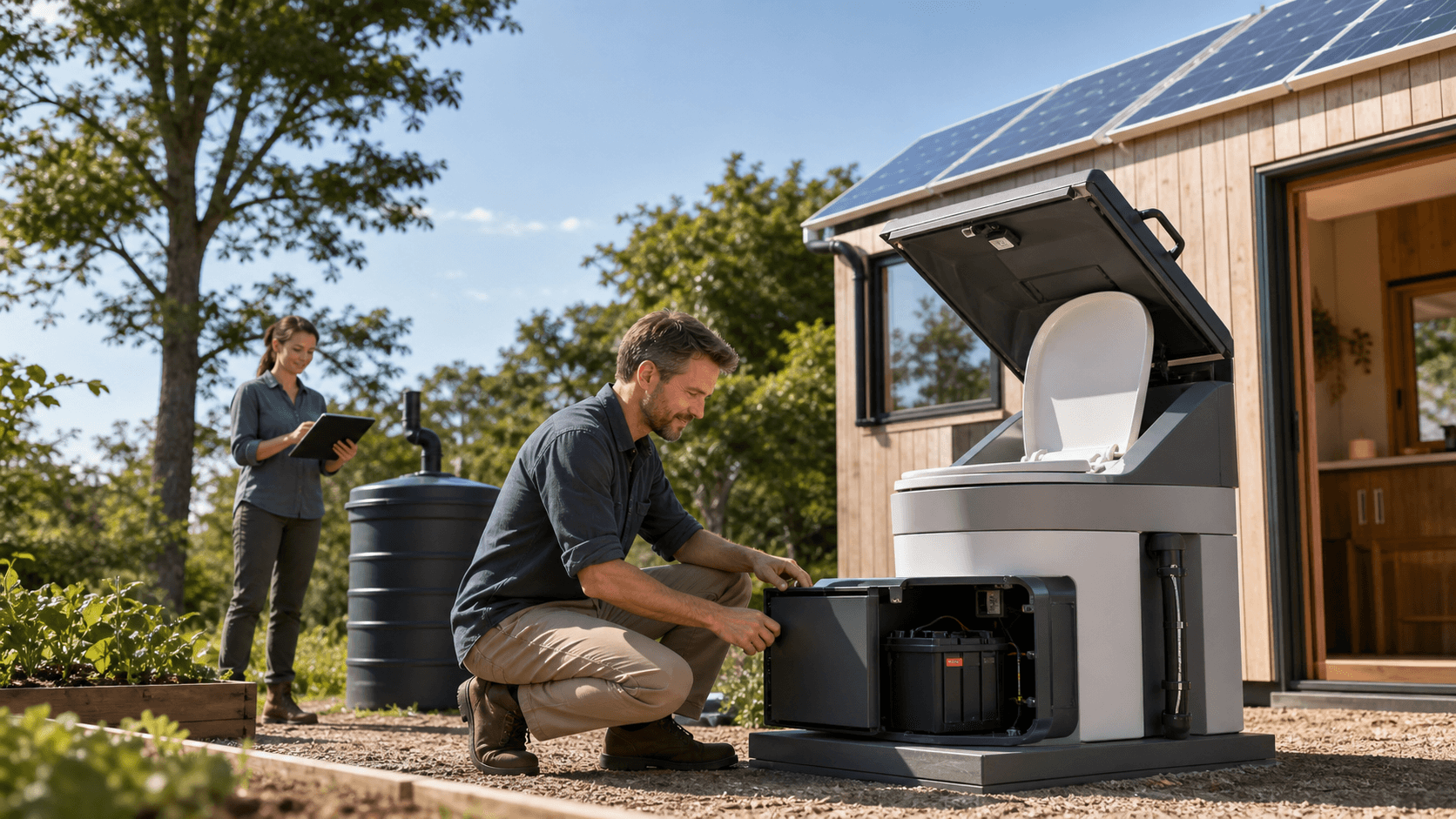
A solar-powered toilet is any toilet system that uses solar energy to move air, dry waste, or treat it. It can be simple or high-tech, but the goal is the same: clean, low-odor waste handling with very little water and no full septic system.
Common types include:
- Solar-assisted composting toilets, where solar power runs small fans to pull air through the waste chamber and help the composting process
- Solar evaporative or dehydrating toilets, which focus on drying out liquids and solids so they shrink and lose odor
- High-tech solar systems that use heating elements or other treatment methods to break down or burn waste
Most solar-powered toilets share a few core parts:
- Solar panels to collect sunlight
- A battery or direct-use connection so fans and heaters can run
- Vent fans and pipes for airflow and odor control
- A main waste chamber, drum, or container
- Optional heating or UV elements, depending on model
Some units are fully waterless, so you skip flushing and save water for drinking and washing. Others add a very small amount of water to rinse the bowl, then move waste into a separate chamber. Waterless composting toilets usually:
- Use less water
- Need good ventilation to stay comfortable
- Ask for simple maintenance like adding bulking material or checking levels
Solar units that use a bit of water can feel more like a standard bathroom, but you still avoid big plumbing lines and heavy septic work. With any style, it helps to plan for:
- Where panels will sit, on the roof or on the ground
- How vents will pass through walls or roofs
- Noise level from fans, often just a soft hum
- Basic upkeep, like emptying bins or checking seals
A well-planned system stays steady for years with small, regular checkups instead of big emergencies.
Why Solar Toilets Are Ideal for Summer Off-Grid Living
Summer gives you long, bright days and strong sun. That is exactly when a solar-powered toilet works its best. More sunlight means more power for fans and heaters, faster drying, and better airflow, which is key when days are hot and humid.
Warm weather also brings some common worries:
- Odor inside small cabins or vans
- Flies and pests around old pit toilets
- Heavy use from guests or long weekends
- Noise from generators late at night
A solar-assisted composting or drying toilet fights these problems by keeping air moving one way, out of the space, through a vent stack. Constant low fan power helps pull moisture out of the chamber, which means less smell and less chance of bugs. In many setups, people notice that the toilet room smells better than a normal bathroom because air always flows in from the living area and out the vent.
These systems fit many summer setups, such as:
- Seasonal off-grid cabins in the woods or by the lake
- RVs or vans parked for longer stays
- Remote mountain or desert retreats
- Backyard offices, studios, or guest domes without standard plumbing
- Remote work sites where digging septic is not an option
When planning for your busy season, it helps to think through:
- How many people will use the toilet on a normal day
- Peak days, like holidays or family reunions
- Solar panel size so fans and heaters keep running, even with clouds
- Toilet placement for privacy, airflow, and a short, safe walk at night
Set up well, a solar-powered toilet becomes something you do not have to think about, even when everyone shows up at once.
Designing an Integrated Off-Grid Power and Waste System
To get the most from a solar-powered toilet, it should be part of your overall off-grid power plan, not a last-minute add-on. That way, your power system supports both your comfort and your sanitation in a steady, predictable way.
A simple way to design is to list everything that needs energy. For most off-grid spots, that might include:
- Lights and small devices
- A fridge or cooler
- A water pump or small treatment unit
- Fans or basic air conditioning for comfort
- Your solar-powered toilet fans or heaters
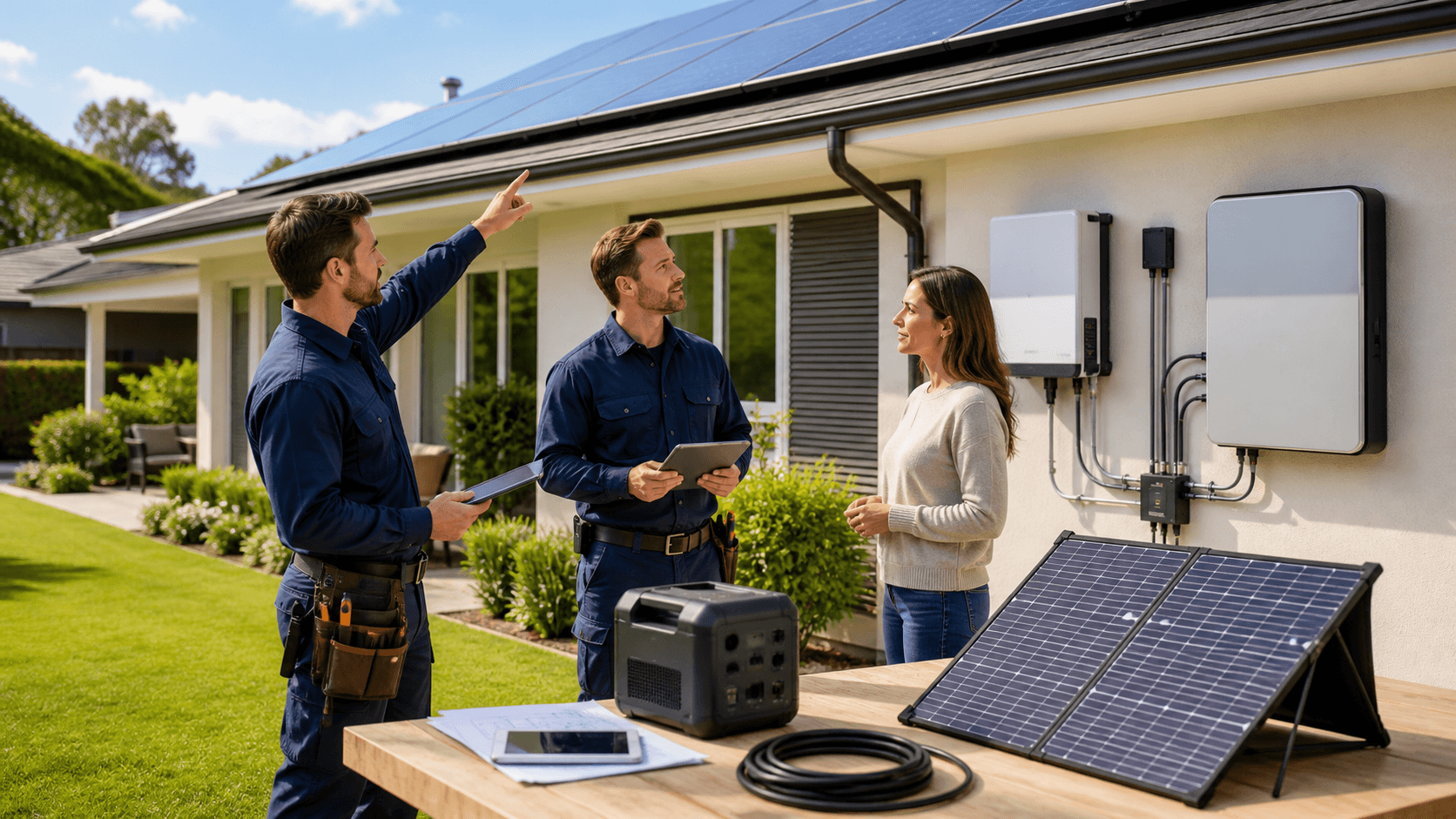
From there, you look at how many hours each item runs in a day. A toilet fan might run all day on low, while a heater or treatment cycle might only run sometimes. Adding those needs together shows what size solar array and battery bank will keep things smooth on sunny and cloudy days.
This is also where different tools can work as a team. A practical setup might combine:
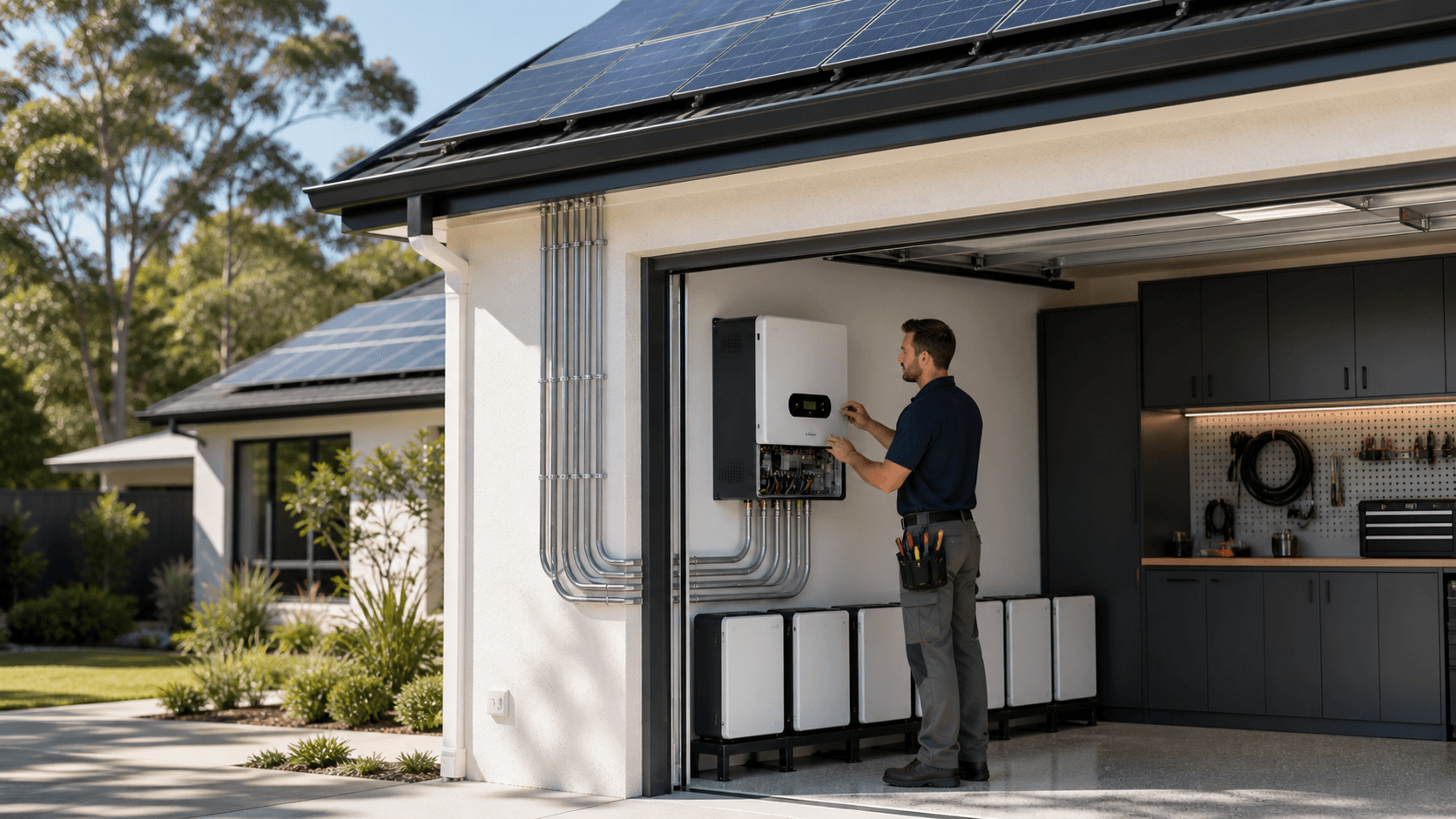
- Solar panels and batteries for core power
- A solar or composting toilet for waste
- A simple water treatment system for safe drinking water
- An air treatment unit or fan filters for better indoor air
- Optional wellness pieces like a small sauna or geodesic dome
At a basic level, placement matters. Panels need clear sun, usually south-facing in open sky. Power lines should run safely in conduit and stay protected from weather and curious animals. Vent pipes that serve your toilet should go up and out, as straight as possible, for good draft. It also helps to leave extra space for a future panel or even a second toilet if your crowd grows.
Real-World Scenarios for Solar Toilets and Off-Grid Power
A small cabin or tiny home is one of the most common places people use solar-powered toilets. A couple living off-grid full time might run a modest solar system with lights, a small fridge, water treatment, and a toilet fan that runs quietly in the background. In summer, when visitors show up, the system already has the airflow and drying power it needs, so odor stays low and trips outside stay peaceful.
Seasonal spots see a big benefit too. Many lakeside properties and hunting camps sit on land where full septic is hard to install. Wet soil, tree roots, or steep hills can make heavy digging a bad idea. A solar-powered or composting toilet lets that space stay clean and respectful of the land, with:
- No need for a leach field
- Less chance of runoff into water
- Simple seasonal closing and opening routines
Even in town or on the edge of a city, a solar-assisted toilet can make sense. Backyard offices, studios, and domes are often set in corners of a lot where running new pipes would mean tearing up yards and gardens. A small solar kit paired with a composting or solar toilet gives you:
- A quiet, private bathroom close to work or guests
- Low ongoing impact on water and sewer systems
- Flexibility if you move the structure or change how you use the space
Across all these setups, the practical wins tend to look the same: much less water use, less need for septic or city lines, more freedom to place buildings where the land feels right, and less noise and smell so the sounds of wind, water, and birds stay front and center.
Take the Next Step Toward Smarter Off-Grid Living
Rethinking waste and energy together is one of the fastest ways to make off-grid or semi-off-grid life feel easy instead of stressful. A solar-powered toilet paired with a right-sized power system can turn the hardest part of remote living into something that quietly takes care of itself, season after season.
At Green Vista Living, we focus on practical tools for this kind of setup, from off-grid power and toilets to water, air, and wellness structures. When these pieces are planned as one system, your cabin, camp, or backyard retreat can stay clean, quiet, and comfortable, no matter how bright the sun or how many guests show up.
Make Your Off-Grid Bathroom More Comfortable and Sustainable
Upgrade your setup with a reliable solar-powered toilet that keeps your bathroom efficient, odor-controlled, and eco-friendly. At Green Vista Living, we design solutions that are simple to maintain while supporting a lower-impact lifestyle. If you have questions about sizing, installation, or which model fits your space, reach out through our contact page so we can help you plan your next step.