Turn Summer Abundance Into Year-Round Security
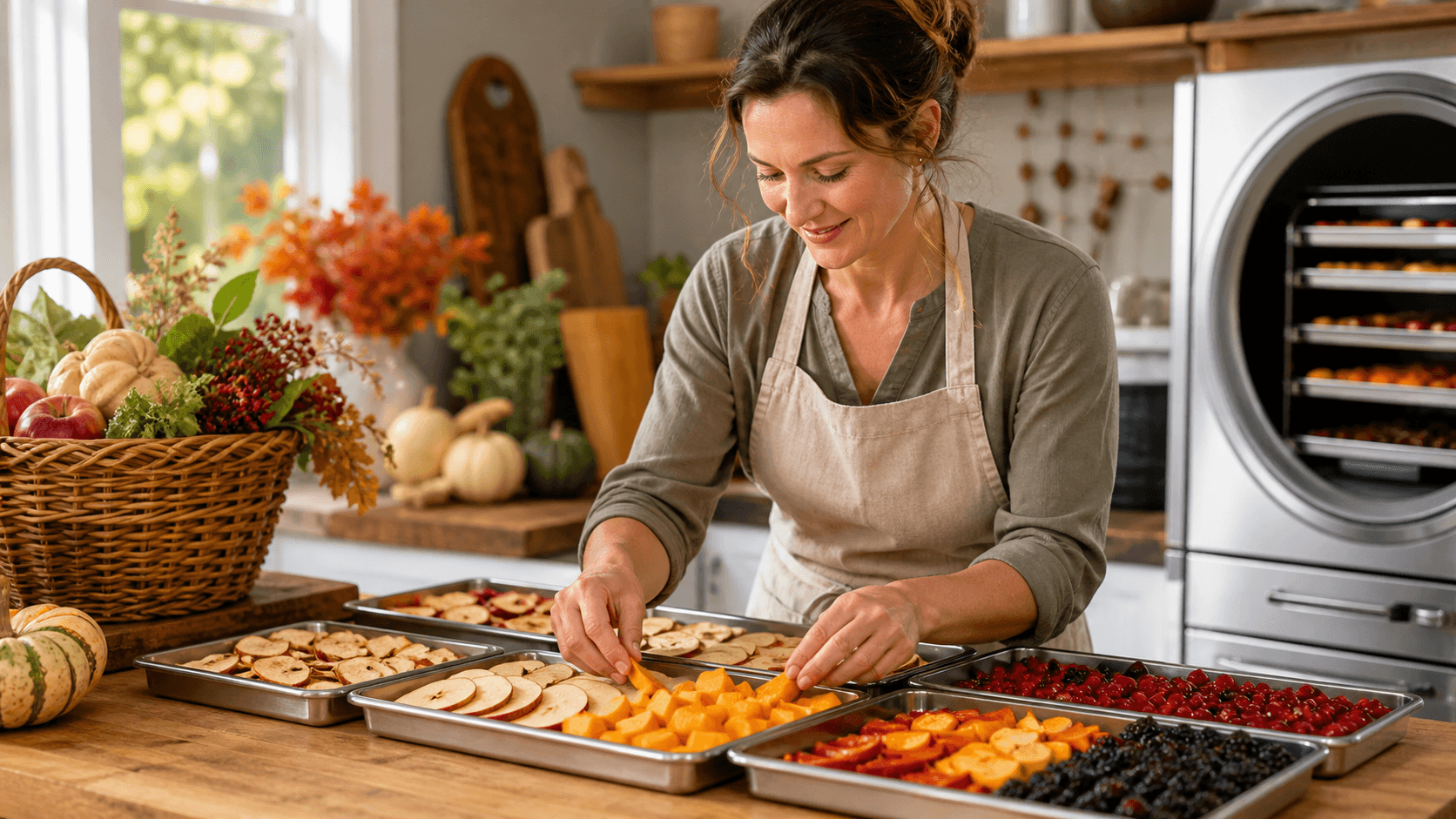
Late July can feel like food overload. The garden is exploding, the farmers' market tables are piled high, and meat buyers are filling every inch of freezer space before hunting season. At the same time, grocery prices keep creeping up, so stocking up when food is cheap or homegrown feels smart. The problem is what happens after you bring all that food home.
Most of us hit a wall pretty fast. The freezer is jammed, the fridge is packed, and canning takes more time and energy than we have on a hot afternoon. That is the food storage gap, the space between what we grow or buy and what we can safely keep. A home freeze dryer helps close that gap, turning fresh food into long-lasting, shelf-stable meals that still taste like summer, which fits perfectly with off-grid and preparedness goals many of us care about.
Where Traditional Food Storage Falls Short
Freezers and refrigerators seem like the easy answer until they are not. Space fills up quickly, especially when you are storing big cuts of meat, bulk chicken, or whole harvests of corn, beans, and berries. Then there is the worry about power. One bad summer storm or a longer grid outage can spoil months of careful planning in just a day or two.
A few hidden problems with freezer-only storage are:
- Limited space, especially for large families or big gardens
- Ongoing power use for multiple freezers
- Risk of losing everything in long outages
- Frost buildup and forgotten items in the back
Canning and dehydrating both have their place, but they also have limits. Canning needs heat, jars, lids, and a lot of time. Some foods need added sugar or salt, and not every recipe turns out the same from batch to batch. Dehydrating is great for certain foods, but the texture changes a lot, and some vitamins do not hold up as well under steady heat.
In hot weather, fresh food spoils fast. Those beautiful tomatoes on the counter can go soft in a couple of days. Discount berries may mold before anyone eats them. Many homeowners see good deals, bring food home with the best of intentions, then end up throwing some away. All of this adds up to waste, lost money, and frustration.
How Home Freeze Drying Closes the Food Storage Gap
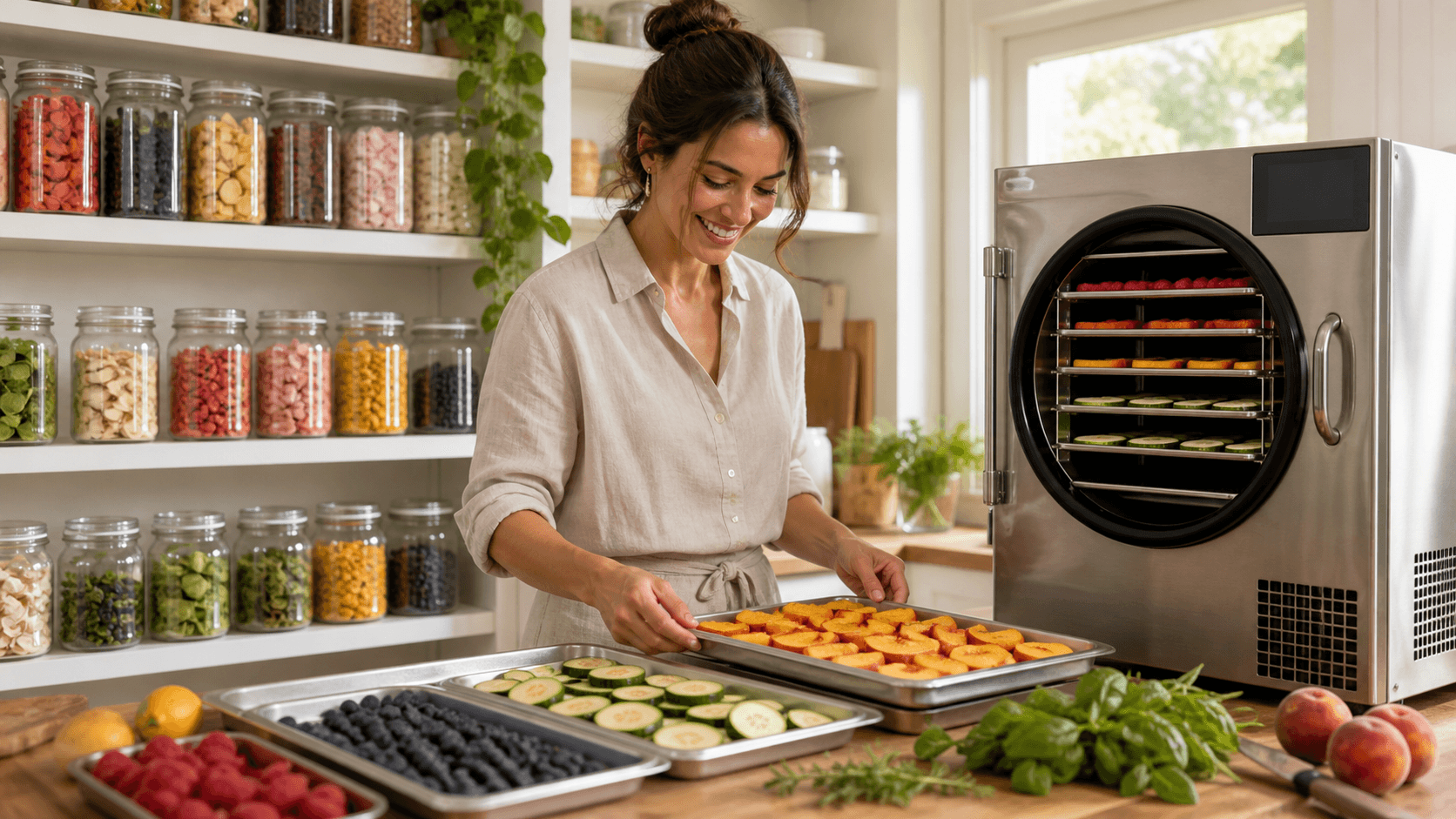
Home freeze drying uses very low temperatures and a vacuum to pull moisture from food while it is frozen. The result is dry, crisp food that keeps its original shape and much of its color and flavor. When properly packaged, these foods can sit on a shelf for a long time without needing a fridge or freezer. That makes freeze drying especially helpful for cabins, homesteads, and remote properties where power can be limited or less reliable.
Some key benefits include:
- Long shelf life when packed and stored correctly
- No need for constant cold storage
- Light weight and easy to move, even in large amounts
- Less worry about losing everything if the power goes out
Because the process happens at low temperatures, more nutrients can stay locked in compared with many heat-based methods. Families can enjoy freeze-dried strawberries, green beans, or sweet corn in the middle of winter that still taste close to freshly picked. Add water, and they come back to life in soups, stews, and casseroles, or enjoy them dry as crunchy snacks.
One of the biggest strengths of a home freeze dryer is how many kinds of food it can handle. People often start with garden produce, then quickly see the options open up:
- Fruits, veggies, and fresh herbs
- Dairy like yogurt drops or cheese shreds
- Eggs, both scrambled and raw
- Cooked meats, from ground beef to pulled pork
- Full meals like chili, casseroles, and pasta dishes
- Ready-to-eat snacks for kids, hiking, and travel
With one machine, you can build both everyday convenience foods and a deep pantry that supports long-term preparedness.
Key Features to Look for in Freeze Dryers for Sale
When you start looking at freeze dryers for sale, it helps to match the machine to your lifestyle. Capacity is one of the first choices. A small unit works well for a couple or someone with a modest garden. Medium units are popular for families that grow a good amount of produce or buy meat in bulk. Large units make sense for serious gardeners, hunters, or those stocking cabins and off-grid properties with plenty of food.
Think about:
- How much your garden produces in a peak week
- How often you buy meat in bulk or share an animal with others
- Where the machine will live, such as a basement, utility room, or shop
- How many batches you plan to run each week during harvest season
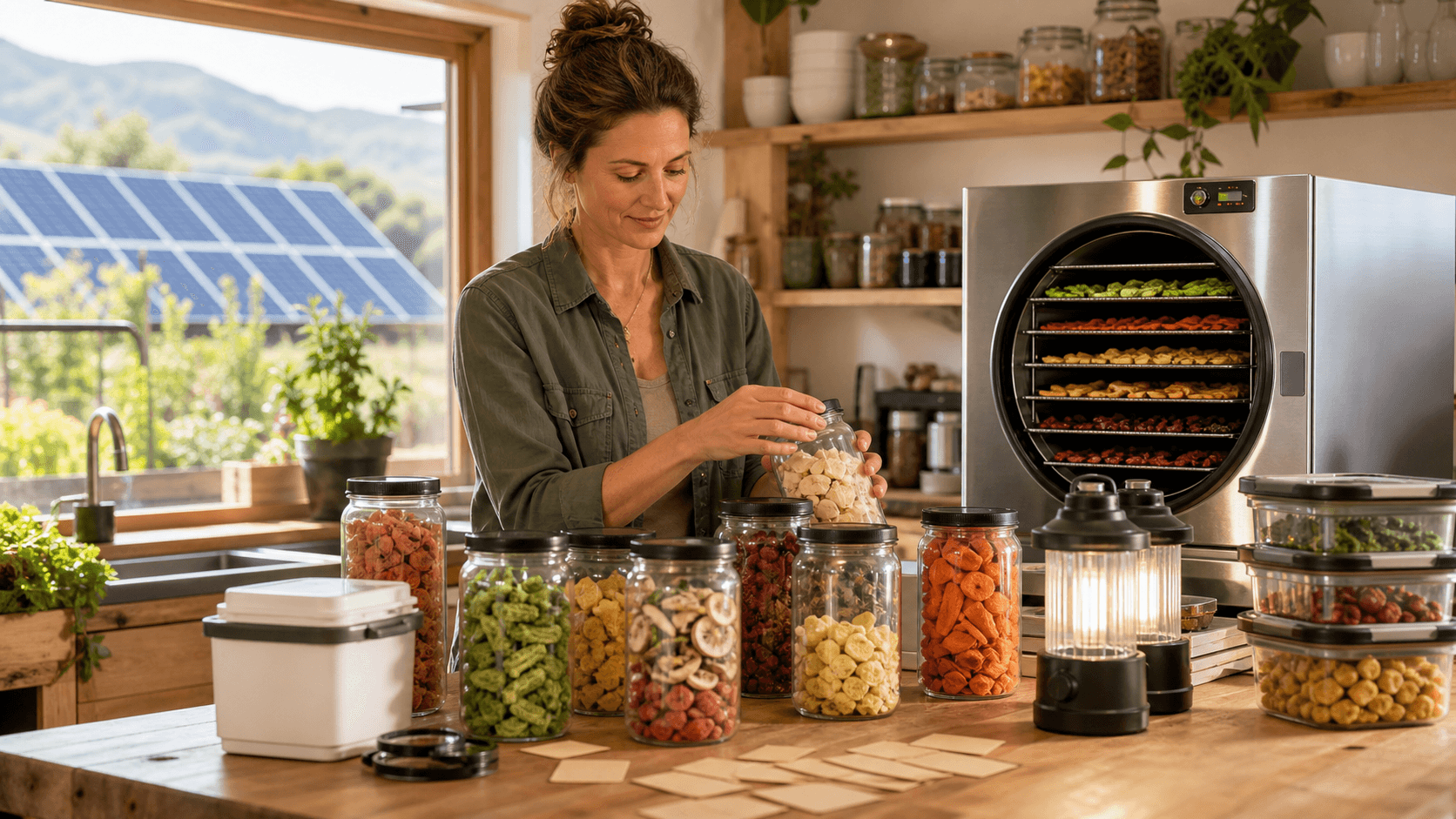
Power is another big piece, especially for people interested in off-grid living or backup resilience. A freeze dryer pairs well with solar power systems, battery banks, or generator setups. Having options means you can keep processing food even when the grid is unstable or during planned shutoffs. That way, your harvest schedule does not have to pause when the power company does.
Build quality also matters. Look for solid construction, reliable pumps, and clear information about maintenance. For rural or remote users, access to support and replacement parts is very important, because shipping the whole unit away for repairs can be a challenge. A machine that is designed for long-term use gives more peace of mind when you are relying on it for your food supply.
Maximizing Your Investment in a Home Freeze Dryer
Once you bring a freeze dryer home, the real fun begins. Strategic batch planning helps you get the most out of it, especially during the heavy harvest weeks. Running similar foods together keeps the cycle steady and efficient. For example, group juicy fruits in one batch, dense meats in another, and full cooked meals in their own runs.
Smart batch planning might look like:
- One week focused on fruits and berries
- The next week focused on veggies and herbs
- A few batches of cooked meat and mixed meals
- Quick refill batches using odds and ends from the fridge
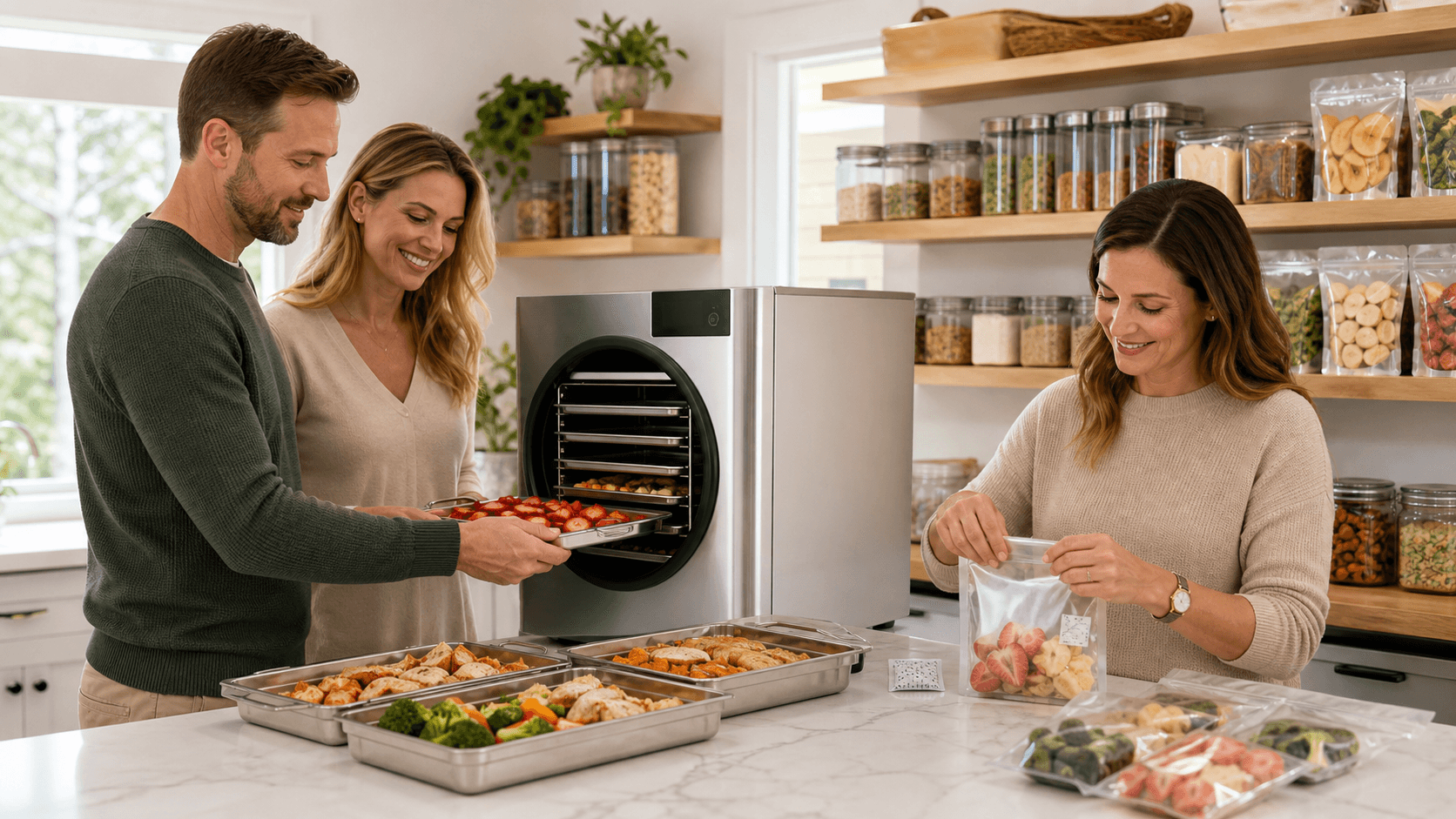
Packaging is just as important as the drying process. To keep food shelf-stable, it needs to be protected from air, light, and moisture. Many people like using mylar bags with oxygen absorbers for long-term storage and clear jars or labeled bins for everyday ingredients. Good labels with food type and date make it easy to rotate and use what you have.
A freeze dryer is not only for emergencies. Freeze-dried ingredients can turn weeknight cooking into a simple, fast task. Toss veggies and meat into a pot with broth, and soup comes together in minutes. Add freeze-dried chicken and peppers to a skillet for quick tacos. Dry fruit pieces become easy school snacks that do not bruise, and complete meals can be packed for backpacking or long road trips without needing a cooler.
Build Your Own Freeze-Dried Pantry with Green Vista Living
When we look at late-summer gardens, crowded freezers, and those stacks of bulk meat boxes, we see a lot of opportunity. Every tray of tomatoes, beans, eggs, or leftovers that goes through a freeze dryer turns from something fragile into something steady and ready. Instead of worrying about the next storm or power blip, you can stack lightweight bags and containers on a shelf and know your food is safe and usable.
At Green Vista Living, we care about practical, reliable systems for off-grid life, cabins, and resilient homes. Home freeze dryers fit right alongside solar power setups, water treatment, and other tools that help people stay prepared and comfortable in any season. By choosing the right unit size, planning your batches, and connecting it with strong power options, you can turn this summer's abundance into a freeze-dried pantry that supports your family all year long.
Preserve More, Waste Less, And Take Control Of Your Food Storage
If you are ready to make your pantry more resilient and your meal planning easier, explore our selection of freeze dryers for sale and see which model fits your home best. At Green Vista Living, we help you choose equipment that matches your budget, space, and long-term food goals. If you have questions or want personalized guidance before you buy, just contact us so we can walk through your options together.