Understanding Fronius Inverter Clipping Before Winter
Inverter clipping can look alarming when you first spot it in your solar monitoring data. A Fronius inverter may hold steady at its maximum AC output even while your solar panels could produce more DC power. In many cases, that flat peak is normal, planned behavior, not a sign that something is broken.
Early October is a smart time to understand what you saw during brighter months. Winter brings shorter days, lower sun angles, cloudier weather, frost, and possible snow cover, so solar output naturally becomes less predictable. We want to help you tell the difference between expected clipping and a performance change worth checking before winter settles in.
How a Fronius Inverter Reaches Its AC Output Limit
Your solar panels produce direct current, or DC power. A Fronius inverter converts that DC electricity into alternating current, or AC power, that can serve your home, battery system, or utility connection.
Every inverter has a maximum AC output rating. When the solar array produces more DC power than the inverter can convert at that moment, the inverter limits its output to its rated AC capacity. That limit is called clipping.
For example, the system may have enough bright sunlight to push the array above the inverter's AC limit around midday. Instead of sending out more AC power than it is designed to handle, the Fronius inverter stays at its maximum output. The top of the production curve may look flat for a period of time.
Clipping is not automatically a wasteful or harmful system condition. We often see systems designed with a larger DC solar array compared with inverter AC capacity because extra panel capacity can support stronger production during mornings, afternoons, and lower-light periods. In exchange, the system may clip during especially favorable solar conditions.
A properly planned system balances several needs:
- The solar array's DC capacity
- The inverter's maximum AC output
- Seasonal sunlight and local weather patterns
- Roof direction, pitch, and shading
- Your home's energy goals and system configuration
Healthy Clipping Versus Winter Production Losses
Normal clipping usually has a recognizable shape in monitoring data. On a clear, bright day, the production line rises in the morning, reaches the inverter's output limit, stays level for a while, then slopes down as the sun gets lower. That flat-topped curve can show that the Fronius inverter is doing exactly what it should do.
Winter losses tend to look different. Rather than seeing a clean, level peak at the inverter's rated capacity, you may see lower output throughout the day. That change may be completely expected when daylight is shorter or clouds block sunlight. Snow, frost, dirt, and new shade can also reduce the power reaching the inverter.
We recommend comparing production with the conditions outside before assuming there is an inverter issue. A cloudy day should not be judged against a clear summer day, and a snow-covered array cannot produce like a clean, sunny one.
Common reasons for lower winter production include:
- Shorter daylight hours and lower sun angles
- Cloud cover and changing weather
- Snow, morning frost, or debris on modules
- Tree branches or other new shade sources
- Seasonal differences in how sunlight reaches the array
On the other hand, inconsistent production on clear days, repeated alerts, unexpected shutdowns, or output that seems unusually low for available sunlight deserve a closer look. We suggest reviewing your monitoring history along with weather conditions and having a qualified solar professional inspect electrical concerns, wiring, settings, or system configuration.
Cold Weather Can Change Peak Solar Output
Winter does not always mean weak solar performance at every moment. Solar modules generally operate more efficiently in cooler temperatures, so a cold, clear day can create surprisingly strong DC output. Even though total daily production may be lower because the day is shorter, midday conditions can still push an array toward the inverter's limit.
That is one reason clipping needs context. A system that rarely clips in summer may reach its output ceiling during a crisp, sunny winter day. Conversely, a system that clipped often in summer may show very little clipping in winter because the sun is lower and daylight is limited.
Array size and layout matter just as much as the weather. Panel orientation, roof pitch, module placement, shading patterns, and the Fronius inverter's AC rating all affect how often the system reaches its maximum output. Systems do not all produce the same curve, even when they use similar equipment.
Before winter, we encourage you to review the documents from your original system design. Confirm the installed array size, inverter capacity, and expected seasonal production profile. This gives you a better baseline for judging what you see in your monitoring app when weather changes arrive.
Monitor Your Fronius Inverter Before Winter Arrives
A little monitoring now can make winter questions much easier to answer later. October offers a useful transition period because you can still compare current output with stronger late-season sunlight while preparing for colder conditions.
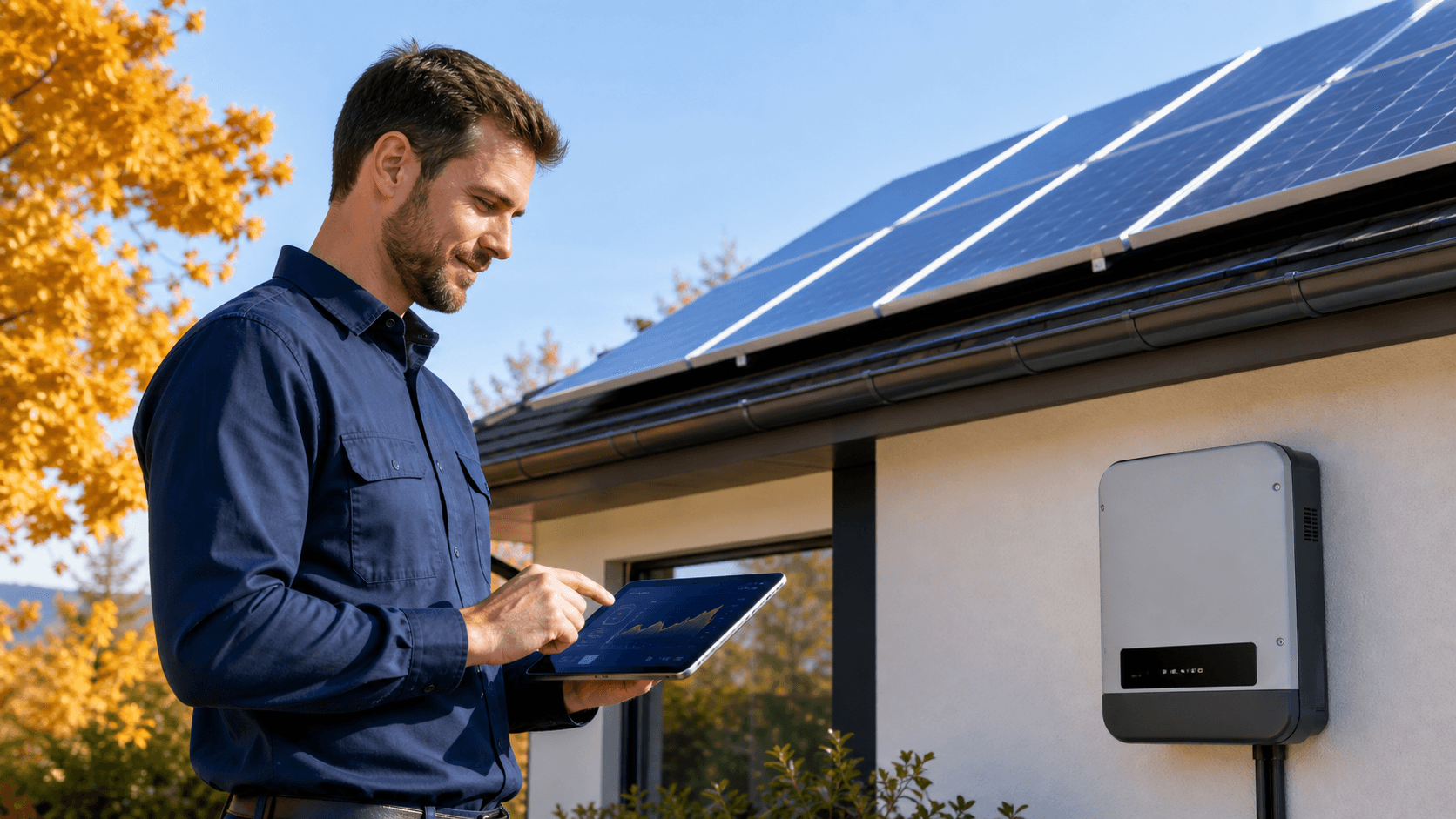
Start by looking for patterns rather than focusing on one day. Daily peak output, total energy production, notifications, and repeated periods at maximum AC capacity can all help you understand how your system normally behaves.
Pay attention to these signs:
- A smooth, flat peak near the inverter's rated AC output on bright days
- Production that changes in a way that matches cloud cover or shade
- Error notifications or repeated inverter shutdowns
- Sudden drops that do not line up with weather conditions
- Visible debris, new shading, or module damage from a safe viewing area
Accessible, non-electrical checks can also help before winter weather makes conditions harder to assess. We recommend looking for leaves, nearby branch growth, or other obvious obstructions. Consider your snow-management plan as well, especially if panels are in a location that may become difficult to view safely.
Electrical inspections, changes to inverter settings, and system modifications should be handled by a qualified solar professional. A Fronius inverter is part of a connected power system, and a proper review should consider the array, inverter, monitoring information, and other compatible components together.
Plan Your Winter Power Check with Confidence
Clipping is simply an inverter protecting its AC output limit when the solar array has more DC power available than the inverter can convert at one time. Seen on a clear day as a steady peak near the inverter's rating, it can be a normal result of thoughtful system design.
As winter approaches, document your current production patterns, note any alerts, and compare future output with actual weather and seasonal conditions. That simple baseline helps you separate ordinary winter changes from a performance issue that deserves professional attention.
Choose the Right Inverter Setup
Green Vista Living can help you compare options and select a Fronius inverter that fits your solar system's output and energy goals. Our team is here to answer questions about inverter sizing, system compatibility, and reliable performance through every season. When you are ready for personalized guidance, contact us to discuss your setup.