Turn Sunshine Into Year-Round Energy Security
Solar with a home battery is one of the simplest ways to turn long summer days into year-round peace of mind. When heat waves push the grid to its limits and utility rates keep climbing, complete solar power kits for homes with a battery can give you steady, reliable power you control.
As summer winds down and storm season creeps in, many homeowners start to worry about outages, spoiled food, and losing work time when the power drops. A complete kit with solar panels and battery storage can help in two big ways: cutting your electric use from the grid on normal days and keeping key items running when the lights go out.
At Green Vista Living, we focus on off-grid and sustainable systems that actually fit real homes, cabins, and remote properties. We care about helping you match the right setup to your roof, your climate, and how you live. In this guide, we will walk through what comes in a complete kit, how it works, how to size it, and where the long-term value really shows up.
What a Complete Solar Kit with Battery Really Includes
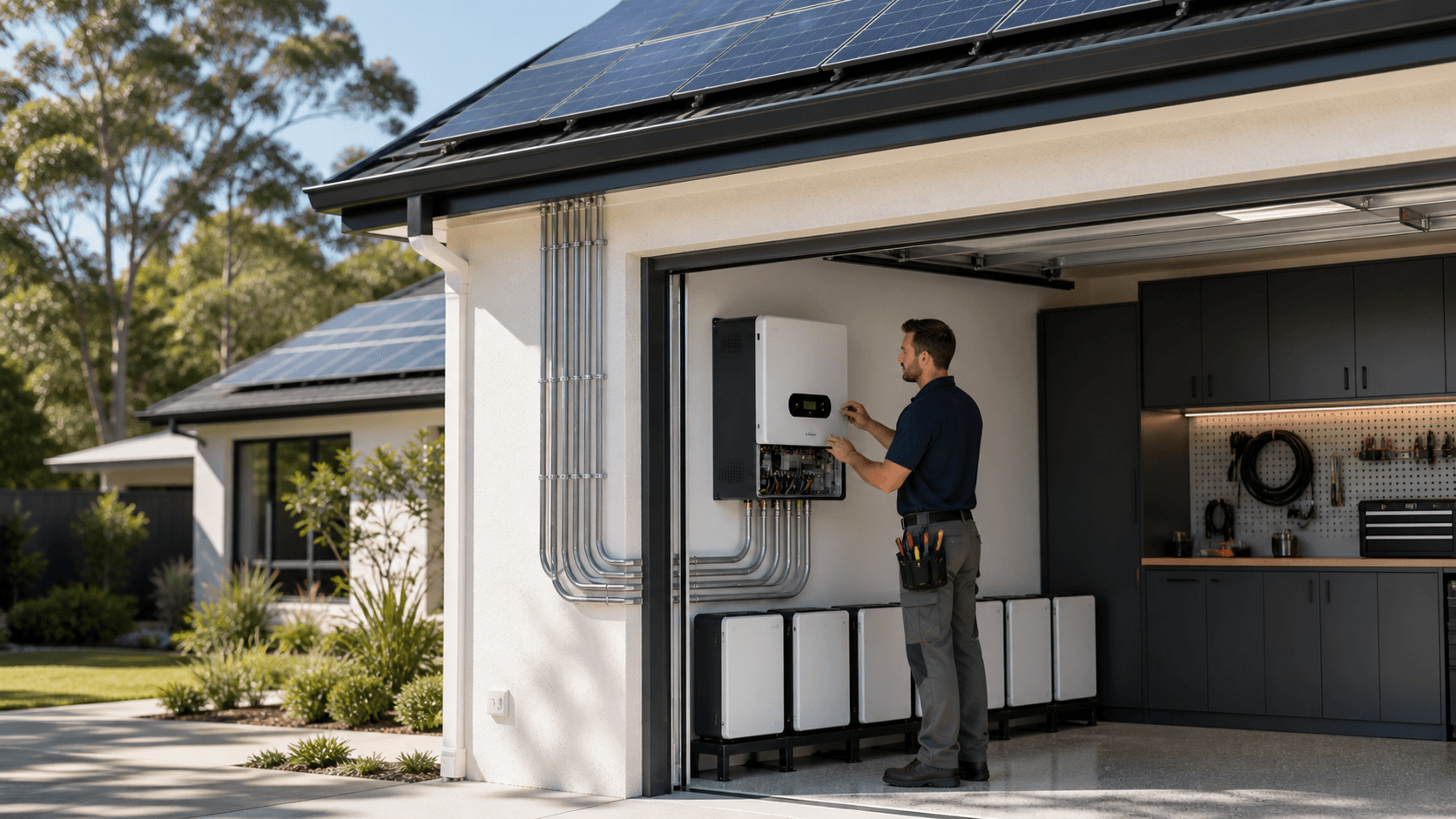
A complete solar kit is more than just panels on a roof. It is a full package of parts that are designed to work together from day one.
Most home kits include:
- Solar panels to turn sunlight into electricity
- An inverter to turn that electricity into power your home can use
- A charge controller to manage how power flows into the batteries
- A lithium or AGM battery bank to store energy for later
- Racking and mounting hardware to attach panels to a roof or the ground
- Wiring, fuses, and disconnects for safe connections
- Monitoring tools so you can see what your system is doing
There are a few main system types you will hear about:
- Grid-tied, which connects to your utility but usually does not have battery backup
- Hybrid, which stays tied to the grid but also includes a battery system
- Off-grid, which stand on their own and power the property without a utility connection
The battery is what turns solar into a true backup solution. Grid-tied solar without a battery often shuts off during outages for safety reasons. With a battery and the right inverter, your system can keep key loads running even when the grid fails.
Buying a complete, pre-engineered kit instead of mixing parts from different places helps with:
- Compatibility between panels, inverter, and batteries
- Safety, since the parts are sized to work together
- Easier permitting where it is needed
- A smoother installation process
Why Complete Solar Power Kits for Homes with a Battery Pay Off
A well-designed solar and battery kit can help your home in several ways over time. The first one many people think about is lowering their electric use from the grid. When the sun is out, your panels can power your home, and extra energy can charge your batteries. That reduces how much power you pull from the utility, especially during high-rate times of day.
Battery storage can also be set up to avoid peak-rate pricing. In many areas, the grid is most expensive in the late afternoon and early evening. A smart inverter can use stored solar energy during those hours, so you lean less on the grid when it costs the most. On top of that, there are often incentives, tax credits, and rebates that help support residential solar and batteries for many years.
The resilience value is just as important. A battery bank can keep critical loads running when storms, fires, or ice knock the power out. Common items people protect include:
- Fridge and freezer
- Medical devices
- Internet modem and router
- Well pump or sump pump
- A few key lights and outlets
Over the long term, a complete system can also add to your home's appeal if you choose to sell. Buyers may see predictable energy costs and built-in backup as a big plus. When all the parts are designed to work together, they tend to run more smoothly and may have fewer issues than a mix-and-match setup.
Choosing the Right Size Kit for Your Home and Lifestyle
Sizing a solar and battery kit starts with understanding how you use power. A simple first step is looking at your past utility bills. Many bills show your average daily usage in kilowatt-hours, or kWh. That number gives a rough target for how much solar you would need to cover normal use.
Then, think about outages. Ask yourself:
- What must stay on in a blackout?
- What can you live without for a while?
- How often do you lose power and for how long?
Common kit types include:
- Small backup kits for a few critical circuits, like a fridge, lights, and modem
- Medium hybrid systems that cover part of the home on a daily basis and give solid backup
- Larger off-grid systems for cabins, tiny homes, and remote properties where there is no utility line
A few key ideas in plain language:
- Daily kWh usage is how much power you use in a day
- Battery capacity in kWh is how much energy the battery can store
- Days of autonomy means how many days you can run on battery power with little or no sun
- Roof space and local sun hours affect how many panels can fit and how much energy they can make
In hotter areas where AC runs hard in summer, you might size the system with that in mind. In colder places with electric heat, winter use might be higher. Good planning looks at all seasons, not just one.
Installation, Maintenance, and Everyday Use Made Simple
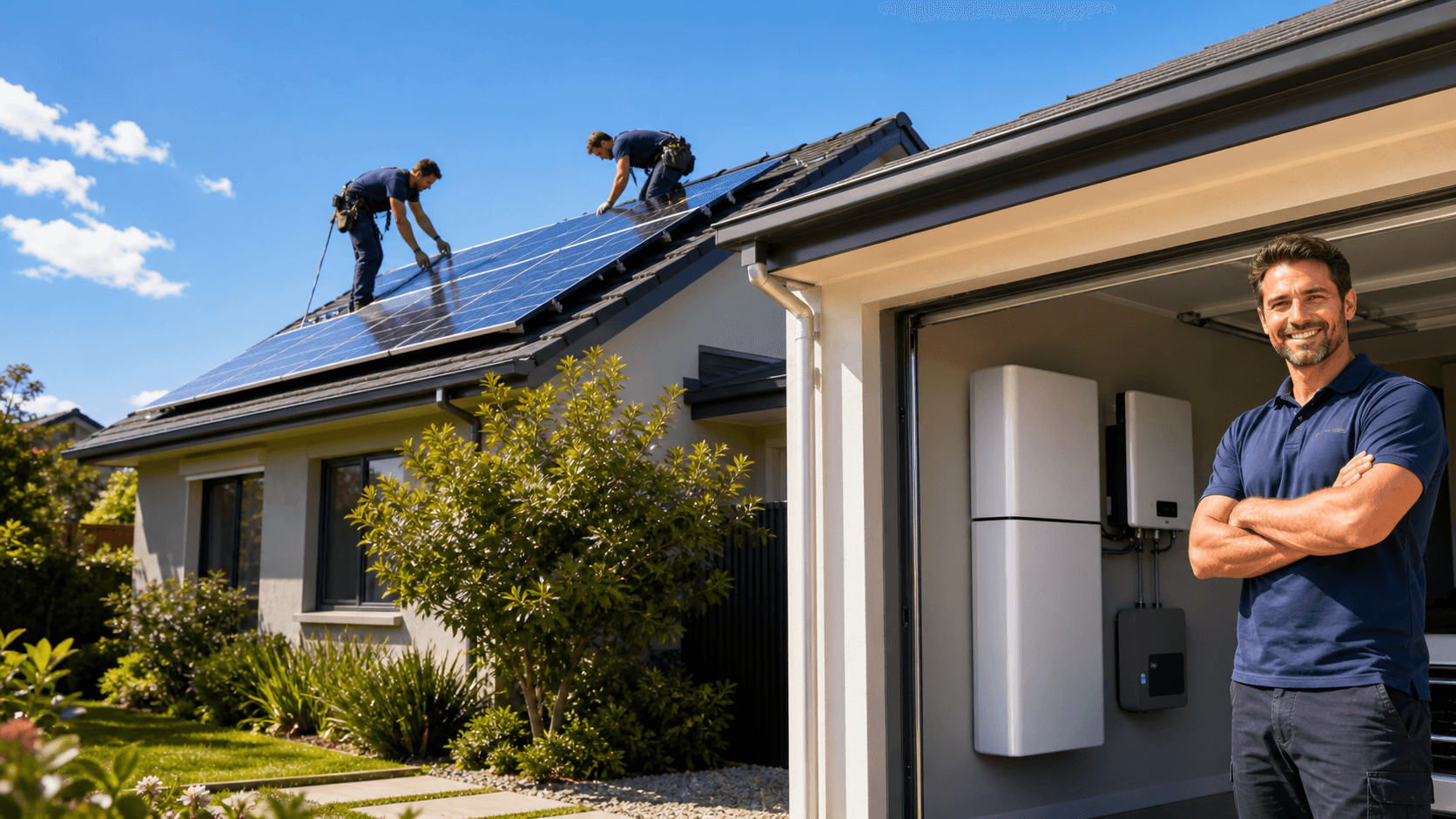
Once you choose a kit, the next step is getting it installed and ready for daily use. Some complete kits are friendly for skilled homeowners who are used to projects, but we always suggest bringing in a licensed electrician or solar installer, at least for final connections and safety checks. A pre-designed kit usually includes the right breakers, wire sizes, and layout plans, which makes life easier for everyone involved.
Day-to-day, a solar and battery system mostly runs on its own. Smart inverters can:
- Pull power from solar when the sun is out
- Charge the batteries when there is extra energy
- Use the grid when needed
- Switch to battery backup automatically when the grid drops
Most systems also include app-based monitoring. You can see how full your batteries are, how much solar you are making, and how much power your home is using. Some apps let you pick if you want the system to focus more on bill savings or on keeping the battery as full as possible for backup.
Maintenance is usually simple:
- Rinse or gently clean panels when they get dusty or covered with pollen
- Look over wiring and mounting once in a while for any clear issues
- Keep an eye on battery health in the app
- Update system firmware when your installer or manufacturer suggests it
Taking these small steps helps your system stay safe and run well for many years.
How Green Vista Living Tailors Kits for Real Homes
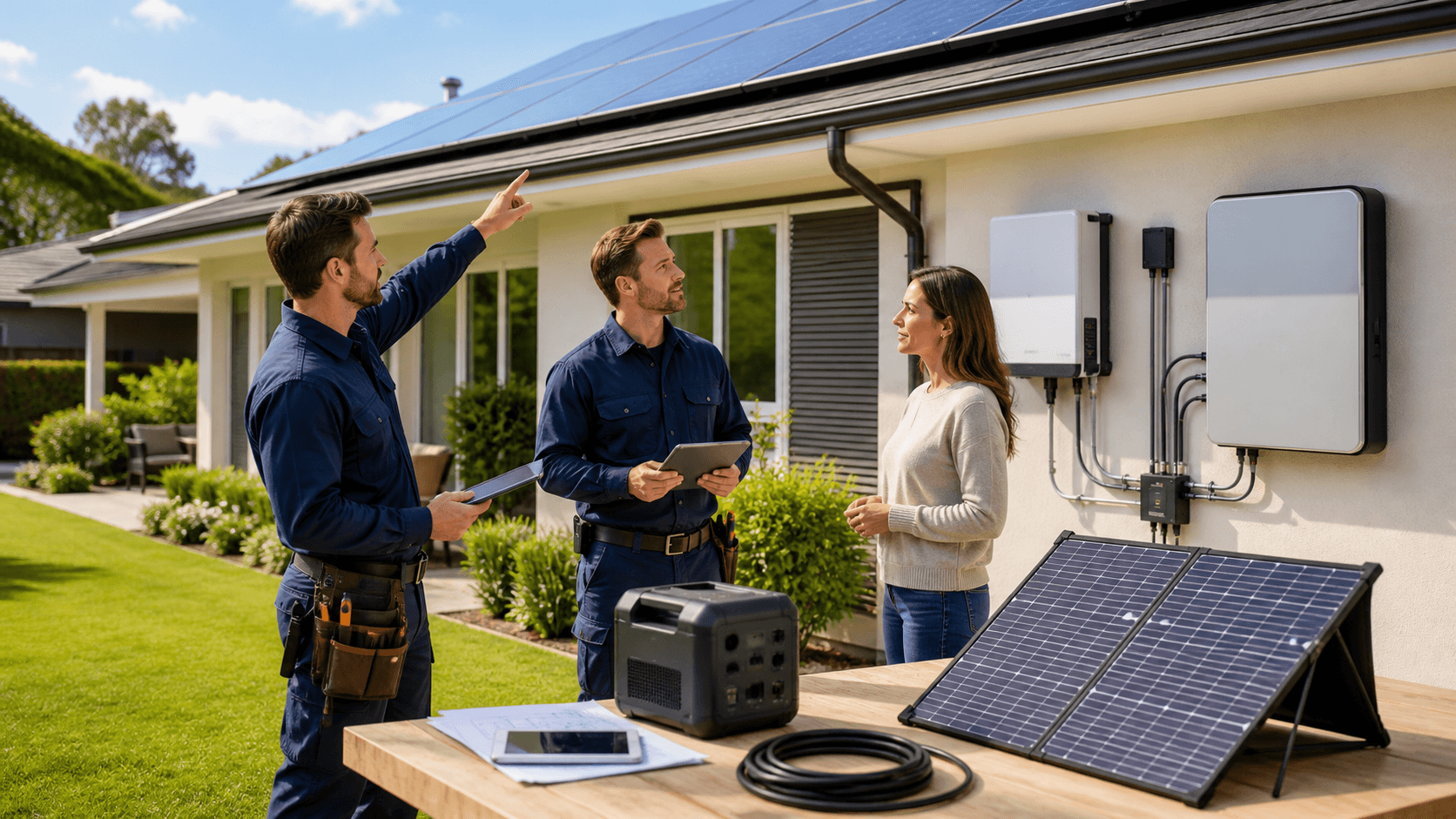
At Green Vista Living, we help people move from vague solar ideas to real-world systems that match their home, land, and lifestyle. We look at your roof layout, tilt, and direction, as well as your location and shade patterns. Then we talk through your energy goals, like lower grid use, strong backup, or fully off-grid living.
We focus on complete solar power kits for homes with a battery, so we pay attention to how all the parts will work together over time. That includes quality panels, reliable inverters, modern lithium batteries, and thoughtful accessories for off-grid and backup setups, like transfer switches, generators, and good monitoring tools.
Our support does not stop once the boxes arrive. We provide clear documentation and practical guidance so you, your electrician, or your installer can put the system in place with confidence. We also help plan for future changes, like adding an EV charger, a workshop, an accessory dwelling unit, or a cabin on another part of the property, so your system can grow as your needs change.
Power Your Home With Reliable Solar Independence
Ready to reduce your electric bills and keep your lights on during outages? At Green Vista Living, we make it simple to choose the right solution with our curated complete solar power kits for homes with a battery that are designed to work together seamlessly. If you have questions about sizing, compatibility, or installation, just contact us and we will help you plan a system that fits your home and budget.