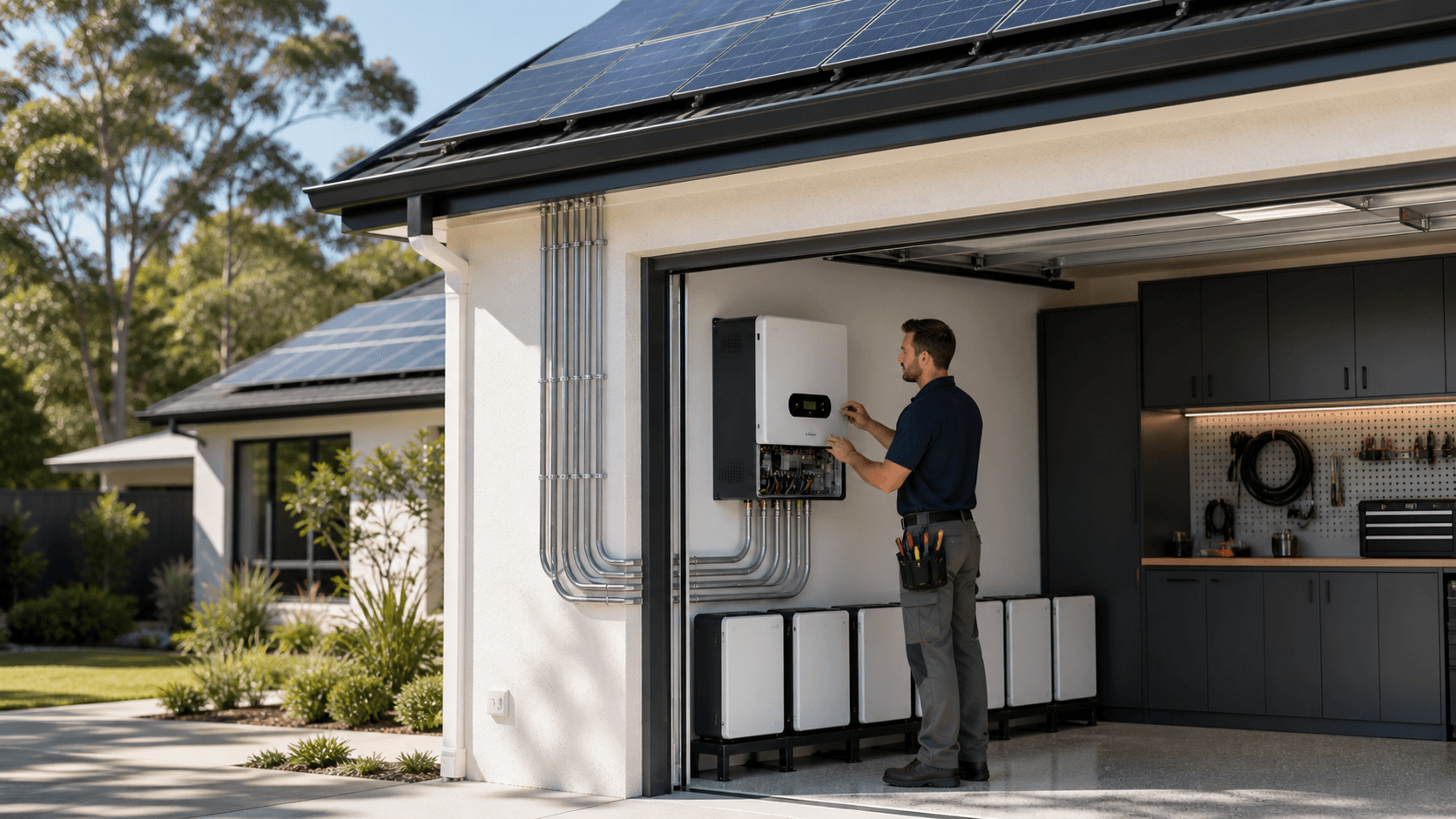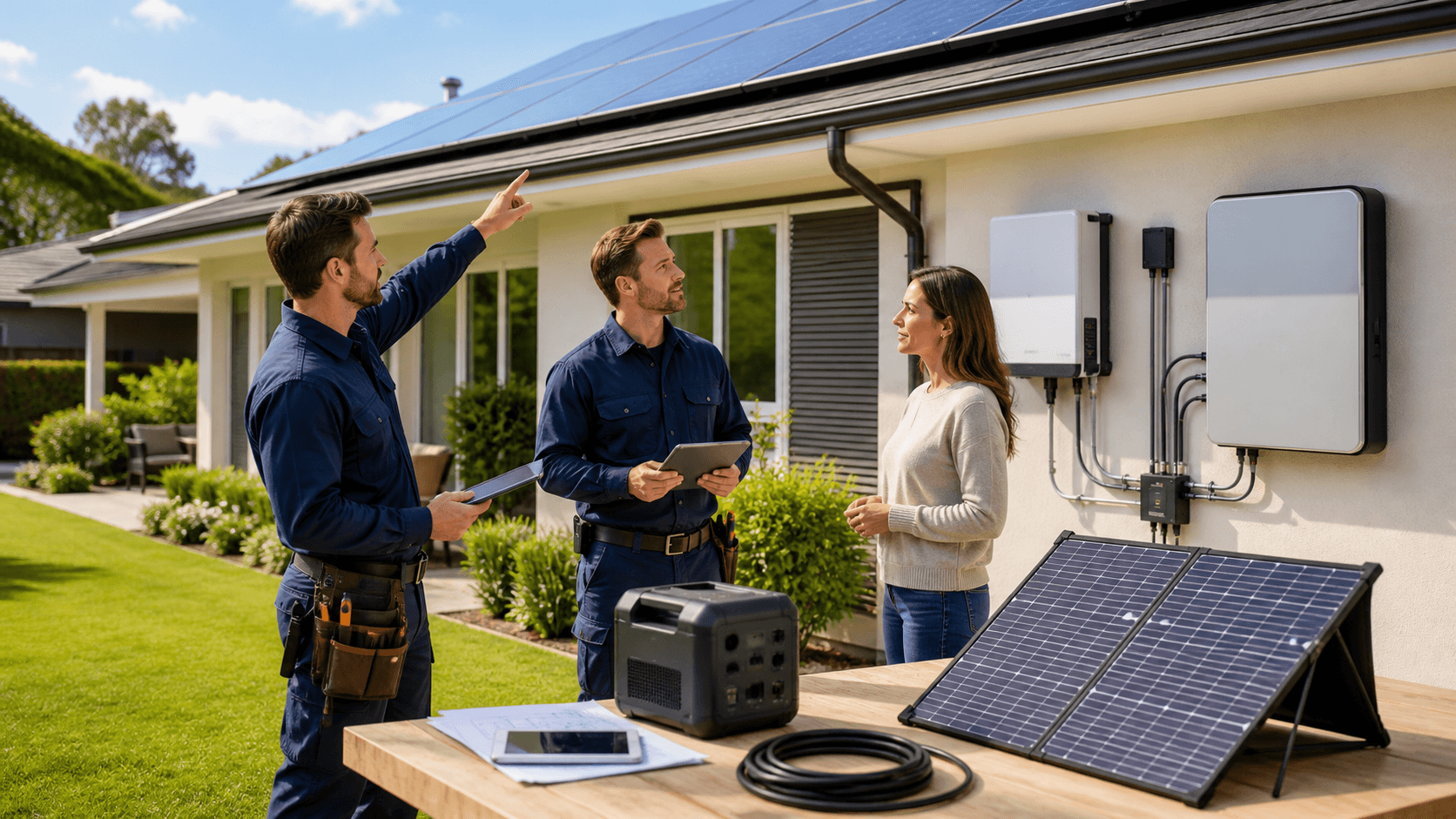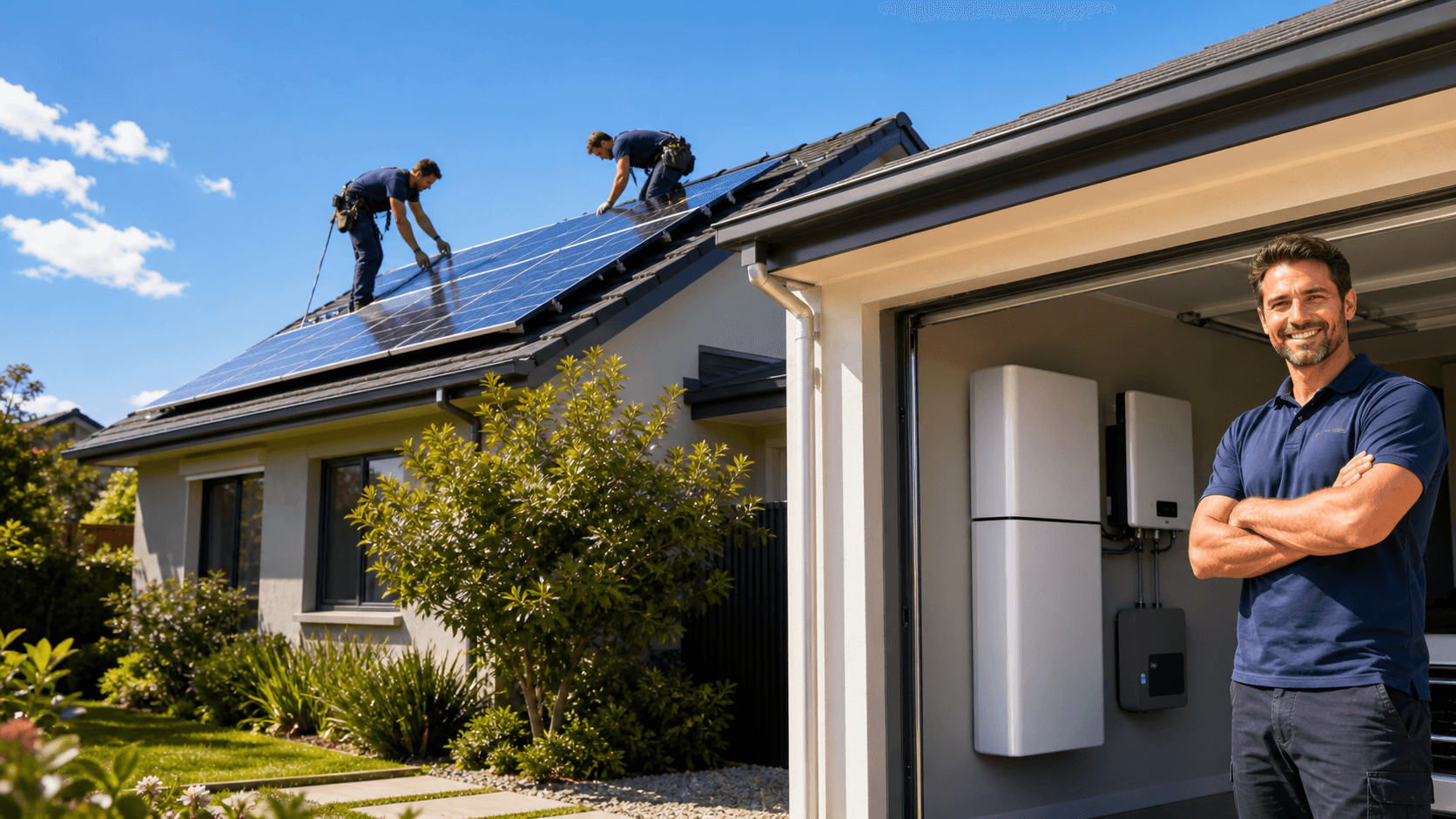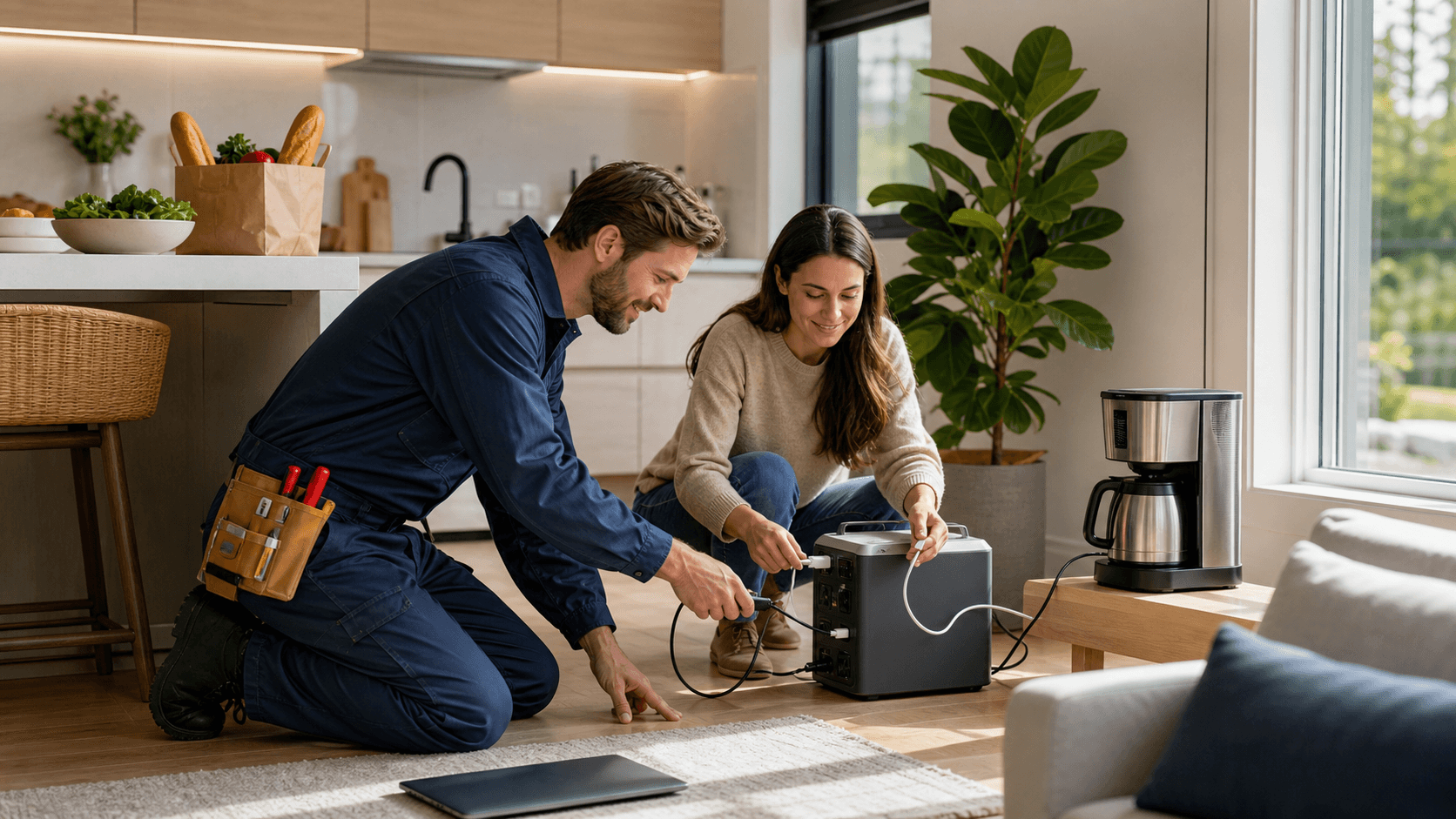
A portable home battery backup is starting to feel less like a luxury and more like another appliance we use all the time. Power blips, short outages, and stronger storms can hit any home, and they do not always wait for a convenient moment. When everything in our life depends on steady electricity, having clean, quiet backup power ready to go makes daily life feel a lot less stressful.
In this article, we will talk about why outages are more common, how a portable home battery backup fits into everyday routines, what features matter most, and how it can support a greener lifestyle at home and outdoors. Our goal is to help you think through what you actually need, so you can make a simple, smart plan before summer heat and storms test your power.
Power You Can Count on Every Single Day
Short outages used to feel rare. Now they pop up from all kinds of things, like heavy rain, high winds, heat waves, or just aging power lines down the street. Power cuts might last only a few minutes or a couple of hours, but that is still long enough to knock work off schedule, warm up the fridge, or shut down a medical device.
So much of normal life depends on steady electricity, such as:
- Remote work and online school
- Refrigerated food, freezers, and ice makers
- Home medical equipment like CPAP machines
- Security cameras, smart locks, and alarms
- Outdoor lighting and entertainment spaces
A portable home battery backup can slide into this picture without much fuss. It is quiet, it does not give off fumes, and it can move around your home or yard as your day changes. One moment it is backing up your router and laptop, the next it is running lights and a mini-fridge on the patio. At Green Vista Living, we focus on off-grid and eco-friendly power solutions that make this kind of flexible, everyday resilience simple to set up.
Why Backup Power Is No Longer Just for Emergencies
Power problems are not only about huge storms that knock out a whole region. Many homes see short, frequent outages, especially as late spring shifts into hot summer weather. Rolling blackouts, overloads from AC use, and planned shutoffs in fire-prone or storm-prone areas all add up to a lot of minor headaches.
Modern lifestyles depend on steady power for far more than lights and a fridge. Think about how many parts of your day would stall without it:
- Video calls for work or school
- Online payments and home-based businesses
- Smart thermostats and connected devices
- Charging EVs, e-bikes, and power tools
Each little outage can lead to real costs, like spoiled groceries, missed deadlines, offline security systems, and the mental drain of not knowing when power will come back. When we add all that up, reliable backup power stops feeling like a once-a-year emergency plan and starts feeling like a practical, daily tool.
Everyday Ways a Portable Home Battery Backup Pays Off
A portable home battery backup shows its value in small, everyday moments long before a big storm hits. Here are some common ways people use them:
- Keeping internet routers, laptops, and phones running during brief outages
- Powering fans or a small AC unit in one room during a heat wave
- Running LED lights, a TV, or a streaming device in the evening
- Charging tools and equipment in the yard, garage, or workshop
Portability is a big part of the appeal. You are not locked into one spot like with a hardwired system. You can move your power station:
- From home office to bedroom at night
- Out to the patio for family gatherings
- Into an RV or camper for road trips
- Up to a simple off-grid cabin or campsite
Compared with gas generators, a battery backup feels much more realistic for daily use. There is no loud noise in the driveway, no fumes in the air, and no fuel cans to store. You can safely use it indoors within its ratings, which is a huge relief for families and anyone who cares about cleaner air around their home.
Key Features to Look for in a Daily Use Battery Backup
When you plan to use a portable home battery backup often, not only in emergencies, a few features matter a lot.
- Capacity and output
Capacity, measured in watt-hours, tells you how long the battery can run certain devices. Output, measured in watts, tells you how powerful those devices can be. A simple way to think about it:
- Routers and modems are usually low draw and can run for many hours
- Laptops and phones use more, but are still very manageable
- CPAP machines, mini-fridges, and box fans sit in the middle
- Microwaves, kettles, and hair dryers use a lot of power and need higher output
If you know which items you must keep on, you can match the battery size to those needs.
- Charging flexibility
Daily use works best when you have easy ways to keep the battery charged:
- Fast wall charging to top up between uses
- Solar charging for off-grid or outage days
- Car charging so you can recharge while traveling
- Durability and usability
For frequent use:
- Long cycle life, so the battery can be charged and discharged many times
- Comfortable handles and reasonable weight for carrying
- Clear screens or app controls that show charge level and power use
- Safety systems and relevant certifications for safe indoor use
These details make the difference between a gadget that sits in a closet and a tool you rely on every week.
Integrating Portable Power Into a Greener Lifestyle
Portable battery backups fit naturally with a more sustainable way of living. Each time you reach for a battery station instead of firing up a gas generator, you avoid fumes, noise, and fuel use. When paired with solar panels, you can store some of your own clean energy and use it later, lowering your reliance on grid power during heavy demand hours.
For outdoor living, a portable home battery backup can quietly power:
- LED string lights and pathway lights
- A small, efficient electric grill or induction cooktop
- A compact, low-draw outdoor fridge or cooler
- Speakers and small projectors for movie nights
Backyard gatherings, camping trips around Memorial Day, and evenings on the deck feel calmer without the sound and smell of a fuel generator humming in the background. Over time, portable systems can become the first step toward more complete off-grid setups, like larger battery banks and solar arrays. At Green Vista Living, we often see people start small, then gradually add pieces as their comfort with renewable power grows.
How to Choose the Right Backup for Your Home and Routine
Choosing a portable home battery backup gets easier when you start with a short self-check. Ask yourself:
- Which devices must stay on in an outage?
- How long do you want them to run?
- How often do outages or shutoffs happen where you live?
Common must-haves include internet gear, phones, a laptop, medical devices, maybe a mini-fridge or sump pump, and a fan or small AC unit for comfort during hot nights.
Next, think about your space:
- Apartments may work best with one or two portable units that can move room to room
- Single-family homes might use a larger, expandable system plus a smaller unit for key rooms
- RVs and cabins often pair portable batteries with solar panels for more off-grid time
With late spring and summer bringing severe storms, wildfire-related shutoffs, and heavy AC use, it makes sense to set up your system before those months hit full force. Use the battery often now for outdoor fun or small backup jobs, so you know exactly how it behaves when a more serious outage arrives.
By planning ahead and making portable power part of daily life, your home can feel calmer, safer, and a lot more ready for whatever the grid decides to do next.
Protect Your Home With Reliable Backup Power Today
If you are ready to keep your lights on and essentials running during outages, explore our portable home battery backup options tailored for everyday households. At Green Vista Living, we help you choose practical, efficient systems that fit your space and budget. Have specific questions or a unique setup in mind? Reach out through contact us so we can help you plan the right solution.