Why Serious Preppers Are Investing in Freeze Drying
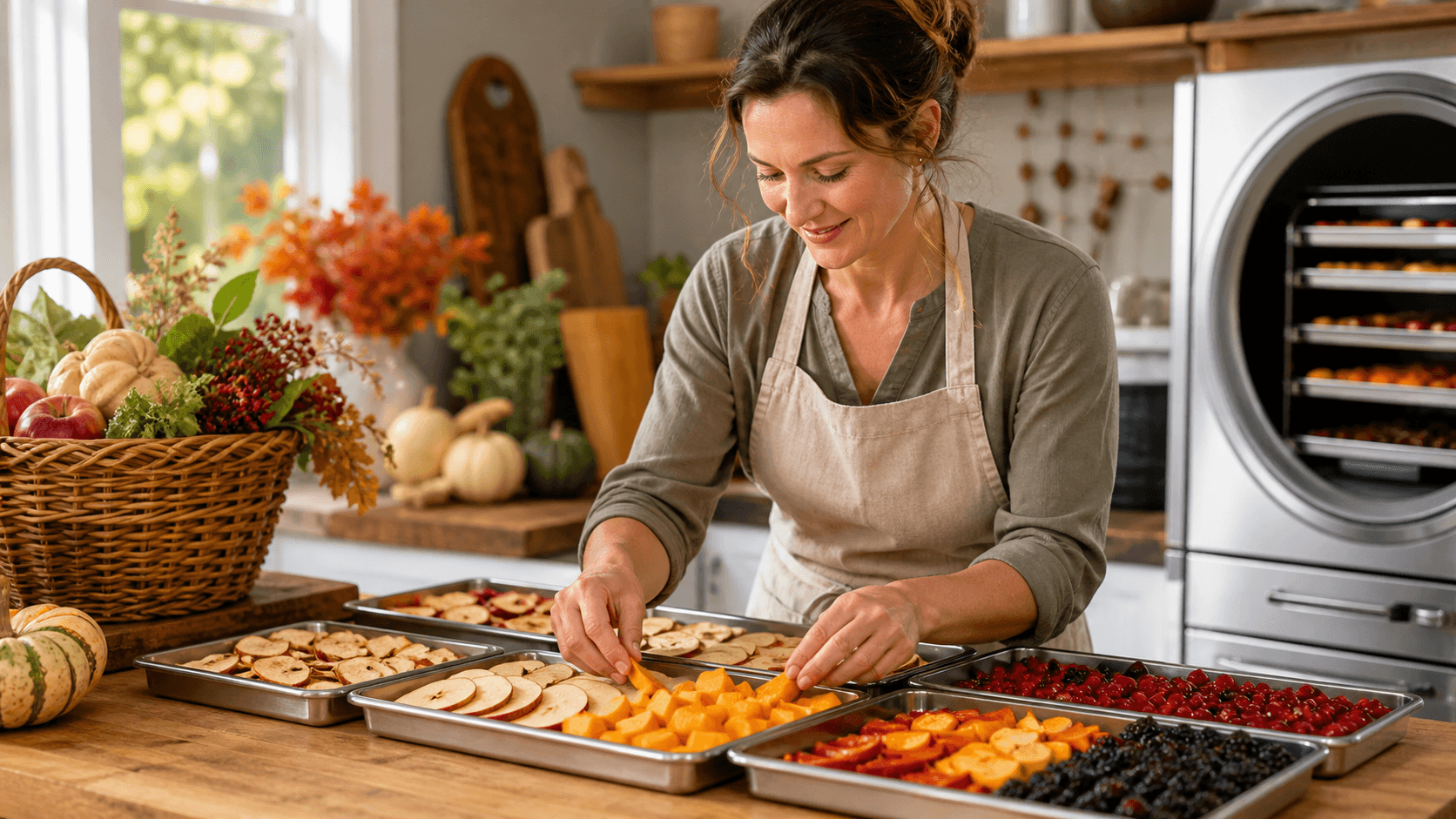
Long power outages, strange weather swings, and empty shelves are starting to feel normal instead of rare. Many families are asking a simple question: How do we keep food on the table if things get rough for a while? One tool more preppers are choosing is a freeze-dryer machine for home, because it gives them real control over their pantry.
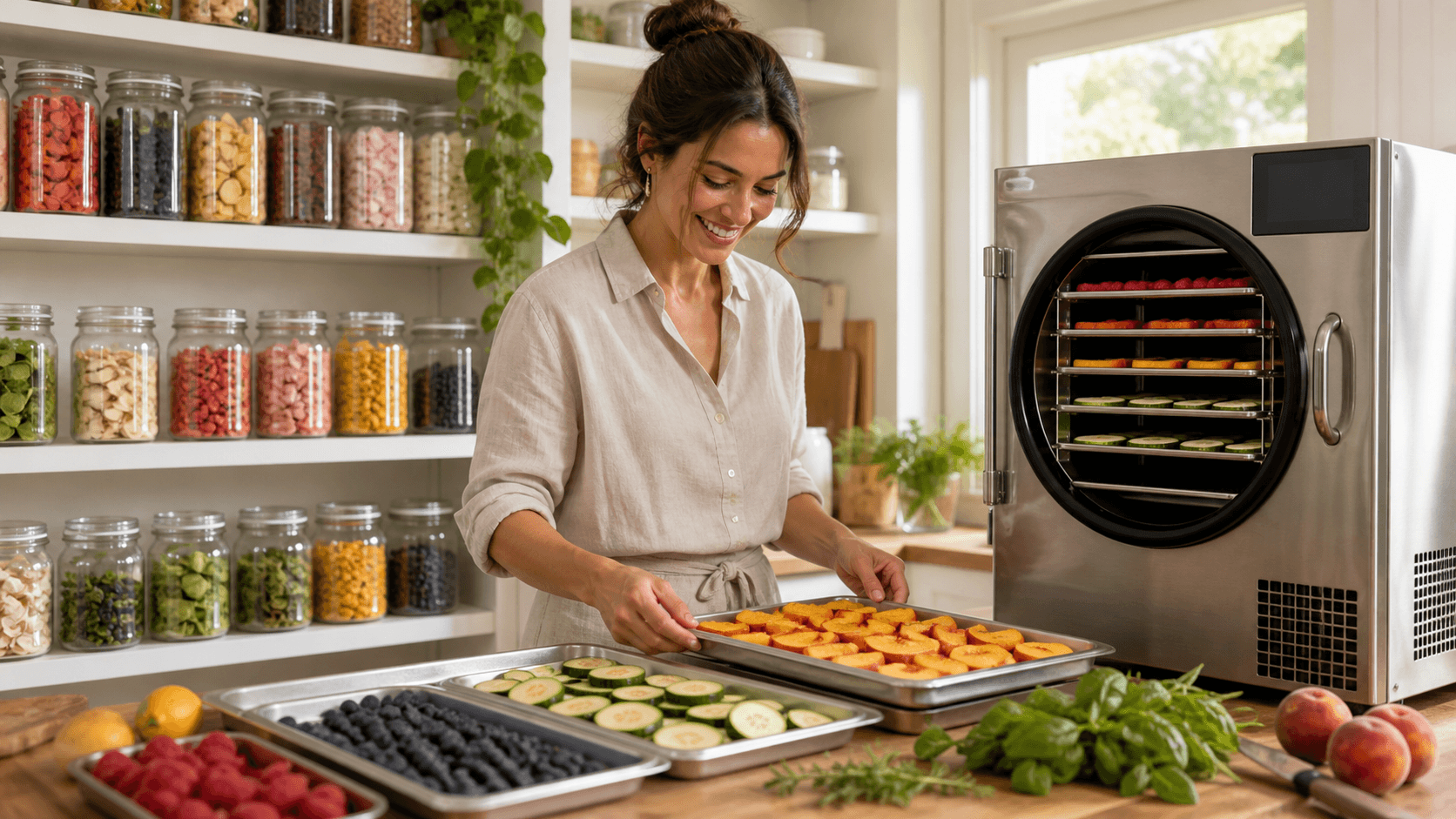
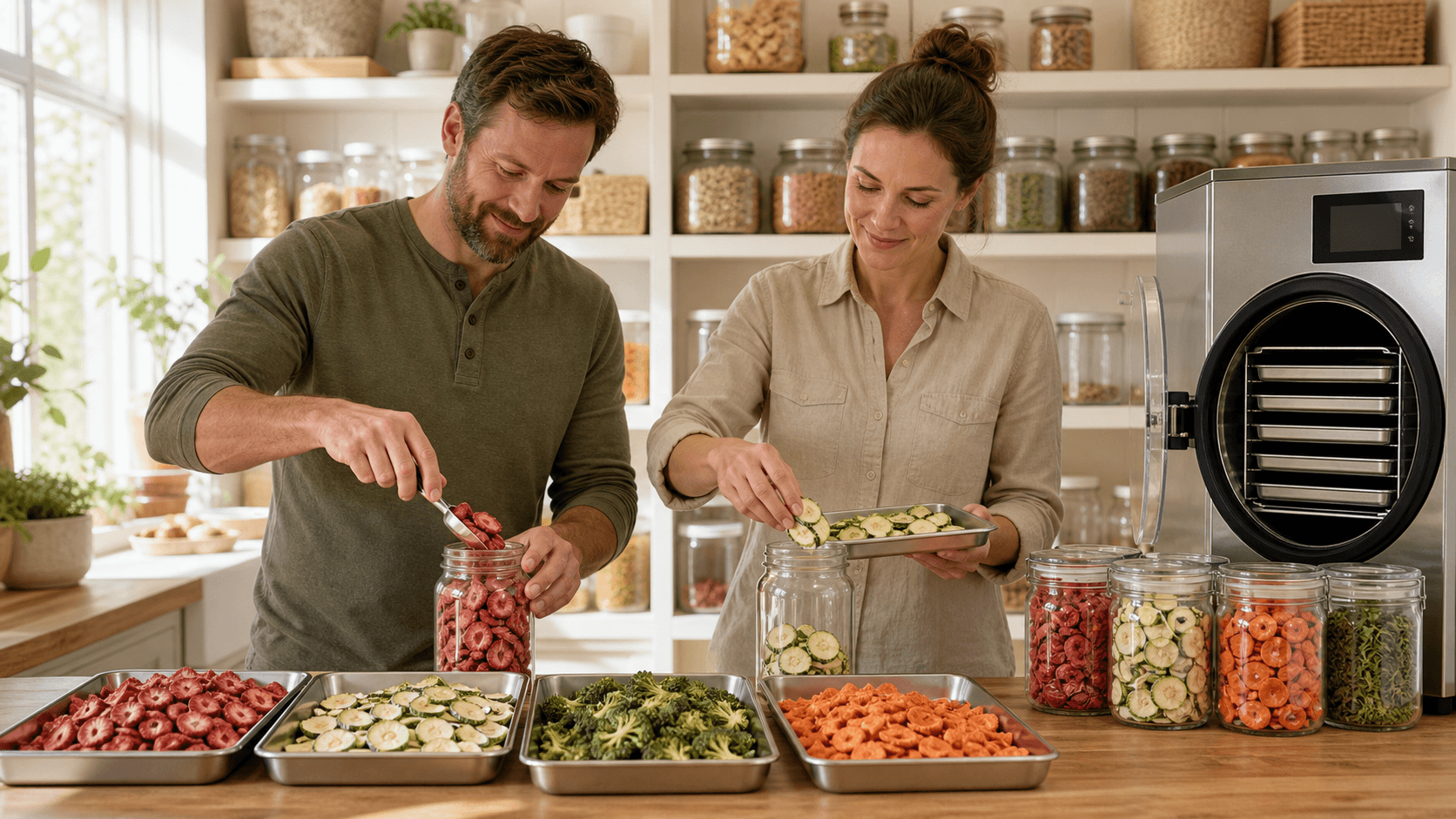
A home freeze dryer lets families take what they already eat and turn it into food that can last for many years when stored correctly. Fresh garden produce, big grocery store buys, or leftovers from a favorite meal do not have to be wasted. They can be turned into long-term food storage that still tastes like real food.
As we head into late summer and closer to fall storms, more people want that kind of security. At Green Vista Living, we focus on off-grid and outdoor living gear, so we see how often food storage comes up. Freeze drying is becoming one of the top tools for anyone who wants to feel ready for whatever the next season brings.
How Home Freeze Dryers Outperform Canning and Dehydrating
Canning and dehydrating both have a place in a prepper pantry, but a freeze-dryer machine for home brings some clear advantages, especially for long-term storage.
Here is how it compares.
- Shelf life: Freeze-dried food, stored in good packaging, can stay good for a very long time, which makes it ideal for deep storage. Canned and dehydrated foods are better for shorter to medium timeframes.
- Less stress on rotation: With longer shelf life, you do not have to shuffle jars and bags as often. That cuts down on both work and waste.
- Less worry during hot summers: When heat waves hit, canned foods can feel risky if storage temps creep up. Freeze-dried food is more forgiving, especially when stored in cool, dry spaces.
Canning and dehydrating also use heat, which can be hard on flavor and nutrients. Freeze drying pulls out moisture while keeping food at low temperatures, so:
- Colors tend to stay brighter
- Flavors stay closer to fresh
- Many nutrients are better protected from heat damage
- Textures bounce back better when you add water
That means freeze-dried soups, stews, fruits, or meats can rehydrate into meals that feel familiar, not like survival food. It also opens the door to freeze drying things that are tricky to can or dehydrate, such as:
- Full cooked meals
- Dairy and cheese
- Eggs
- Meats and seafood
- High-moisture fruits and veggies
For busy weeknights, that matters. You can pour hot water into a jar of freeze-dried chili or pasta and have dinner ready fast, whether the grid is up or not.
Why a Freeze-Dryer Machine for Home Is a Prepper's Force Multiplier
A home freeze dryer is powerful because it lets us build a deep pantry around what we already eat. Instead of filling the closet with foods no one really likes, we can:
- Cook our normal meals, then freeze dry the leftovers
- Freeze dry produce we buy in bulk at good prices
- Store seasonal foods from the garden for years instead of weeks
This cuts down on relying only on pre-packed survival meals, which are often limited in choices and may not fit every diet. With our own machine, we can control:
- Ingredients, so we know exactly what is in each meal
- Salt, sugar, and spice levels
- Food allergens or sensitivities
- Kid-friendly flavors for picky eaters
Portion control is another big win. We can freeze dry:
- Single-serve packs for bug-out bags
- Family-size meals for power outages
- Snack portions for hiking or road trips
In a crisis, this level of planning pays off. Freeze-dried meals are lightweight and compact, so they fit well into:
- Bug-in plans, when we shelter at home and want simple, low-energy cooking
- Bug-out plans, when weight and space in a vehicle or pack really matter
Just add hot water, wait a few minutes, and eat. When stress is high, not having to cook from scratch can make a rough day a little easier.
Smart Buying Guide for Your First Home Freeze Dryer
If you are thinking about your first freeze-dryer machine for home, a few key details will help you pick the right one for your goals.
Important specs to consider include:
- Batch size: How much food can you run in one cycle? Match this to your family size and how much you want to store.
- Cycle time: Different foods take different amounts of time. Think about how often you want to run the machine each week.
- Power requirements: Make sure your electrical setup can support it, especially if you plan to use solar or a home battery backup.
- Noise level: Freeze dryers are not silent, so think about where it will sit and when it will run.
There are also add-ons that can make life easier and storage more reliable:
- Oil-free vacuum pumps, which can reduce regular maintenance
- Extra trays, so you can load a new batch while one is finishing
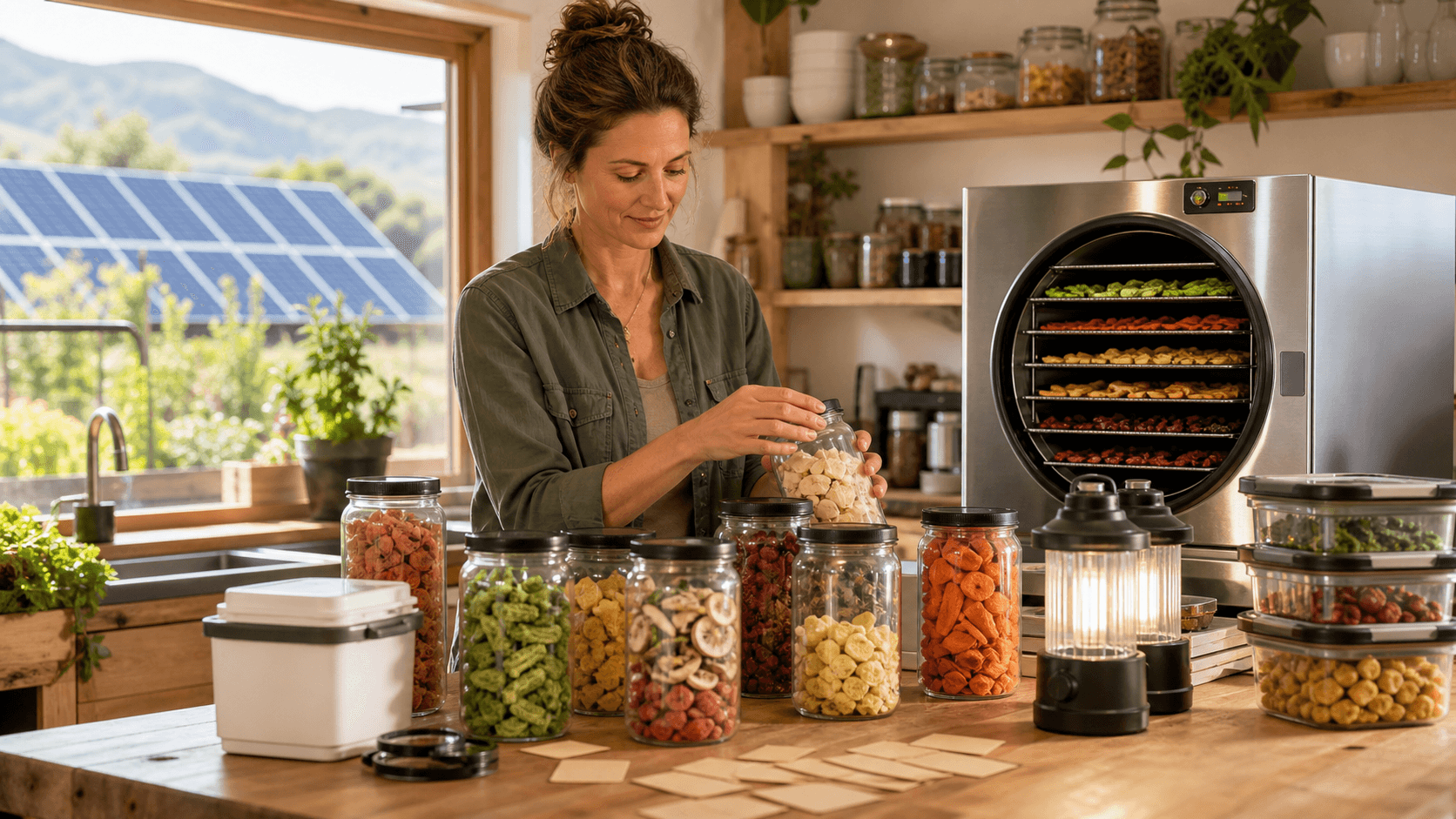
- Mylar bags and oxygen absorbers, for long shelf life and better protection
- Storage bins or buckets, to keep finished food organized and safe from pests
Late summer is one of the best times to bring a freeze dryer into the home. Gardens are overflowing, farmers' markets are packed, and local produce is often at its peak. Instead of scrambling to can or freeze everything before it spoils, you can freeze dry it and put it away for winter and beyond.
Integrating Freeze Drying Into a Complete Off-Grid Plan
Freeze drying really shines when it is part of a full off-grid strategy. When we can store food for years at room temperature, we do not have to lean as hard on fridges and freezers. That pairs well with:
- Solar power systems, which can run the freeze dryer during sunny hours
- Home battery backups, to keep cycles going during short outages
- Less dependence on constant cooling, which is helpful in hot summers and stormy seasons
Water filtration is another key piece. If we plan to rehydrate food during an outage or when traveling, we need safe, clean water. Good filters help turn stored water or collected water into something we can trust in our meals.
Air purification and composting toilets also fit into this bigger picture of self-reliance. Clean air makes long stays indoors more comfortable, especially when wildfire smoke or high pollen counts move in. Composting toilets keep sanitation going during water shutoffs or sewer problems, which is a big deal for health and morale.
A simple weekly rhythm might look like this:
- Run the freeze dryer during peak solar hours
- Label and pack finished food into Mylar bags with oxygen absorbers
- Move sealed bags into bins or buckets by food type or date
- Keep a basic log or notebook to track what you stored and when
Over time, this becomes a normal part of life, not a special project. The result is a pantry that can carry you through storms, outages, and supply hiccups with a lot less stress.
Take Control of Your Food Security Before the Next Crisis
As storm seasons roll in and winter edges closer, many families feel that quiet pull to get ready. A freeze-dryer machine for home is not about fear, it is about steady, practical steps that give us more control over what we eat and how we store it.
At Green Vista Living, we focus on tools that support off-grid and outdoor lifestyles, from solar and batteries to water and air systems. Freeze dryers fit right into that mission. Starting small with a few test batches of favorite meals or snacks is often the best way to learn, build confidence, and see what your family actually loves to eat from long-term storage. Over time, that simple habit grows into real peace of mind.
Preserve Your Harvest With Simple At-Home Freeze Drying
If you are ready to keep garden produce, snacks, and full meals fresh for years, our freeze-dryer machine for home makes it easy to get started. At Green Vista Living, we help you choose the right setup so you can preserve food safely and conveniently. Explore how freeze drying fits into your everyday cooking and long-term storage plans, and if you have questions, just contact us for friendly, personalized guidance.