Why Whole-Home Battery Backup Matters for Well Pumps
Losing power is annoying for anyone, but for a home on a well, it hits harder. When the grid goes down, your well pump usually stops right along with it, and running water disappears in an instant.
This is why planning ahead for backup power is so important. In this article, we will talk through why well pumps are so easy to lose during an outage, why that matters for your home and land, and how a whole-home battery backup can keep water flowing when storms roll through.
Keep Your Water Flowing When the Power Goes Out
Think about a typical late-spring thunderstorm. The sky darkens, the wind picks up, and rain starts pounding just as you are getting ready for weekend guests or watering new plants. The lights flicker, then the power goes out. At first it seems like no big deal, until you turn on the tap and nothing happens.
Homes on municipal water often still have some pressure for a while, even when the power is out. But most well-dependent homes lose running water almost right away once the pressure tank is emptied. That affects:
- Drinking and cooking
- Bathing and basic hygiene
- Toilet flushing and sanitation
- Watering animals and gardens
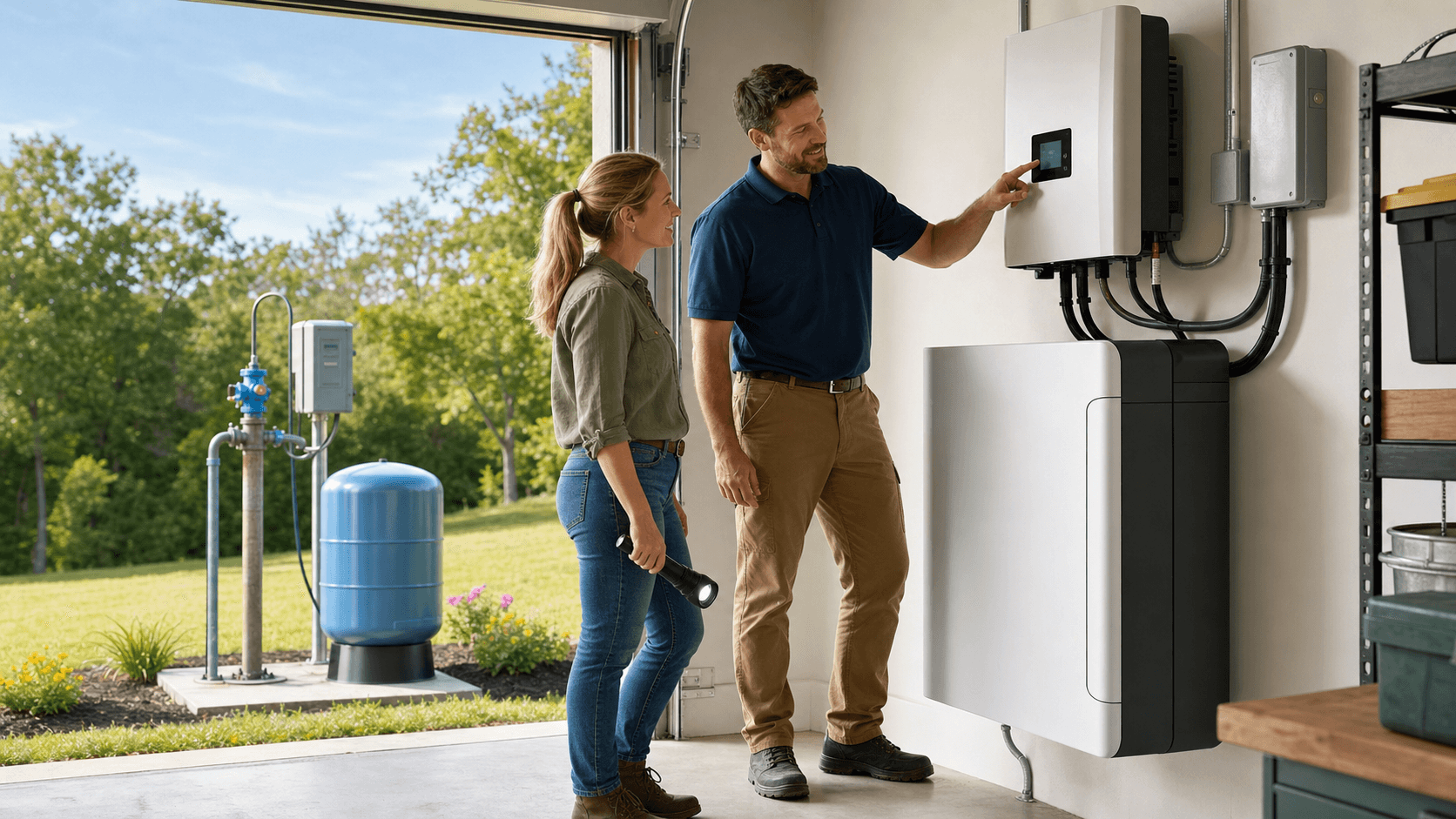
A whole-home battery backup steps in the moment grid power fails. The system keeps your well pump powered automatically, so you can still wash hands, flush toilets, cook meals, and care for animals even during a long outage. Instead of scrambling for bottled water and buckets, you keep living close to normal.
Why Well Pumps Are the Weak Link in Power Outages
Most modern wells are fully electric. The pump deep underground, the pressure switch, and often treatment systems like filters or softeners all depend on steady power from the grid. Your pressure tank holds only a limited amount of water. Once that stored water is used, the pump must run again to refill it. If the power is out, the tank stays empty and the taps stay dry.
Well pumps also have tricky power needs. Two things matter:
- Starting surge: The pump pulls a short burst of high power the instant it starts
- Running load: After that, it uses a lower but steady amount of power
That first surge is where many backup options fall short. Small portable power stations or basic UPS units might run a few lights, a router, or a laptop, but they often cannot handle the high surge from a deep well pump. The result is a tripped backup, a stalled pump, and no water.
Late spring and early summer can be an especially risky time for well homes. We often see:
- Strong thunderstorms with heavier rain and lightning
- Short-term flooding or saturated soil around wellheads
- Higher water use for gardens, lawns, and new plantings
- Extra demand from filling kiddie pools, rinsing gear, and outdoor cooking
When storms hit during peak water use, losing your well pump is more than a small hassle. It can quickly affect comfort, cleanliness, and the health of animals and plants around the property.
How Whole-Home Battery Backup Protects Your Well
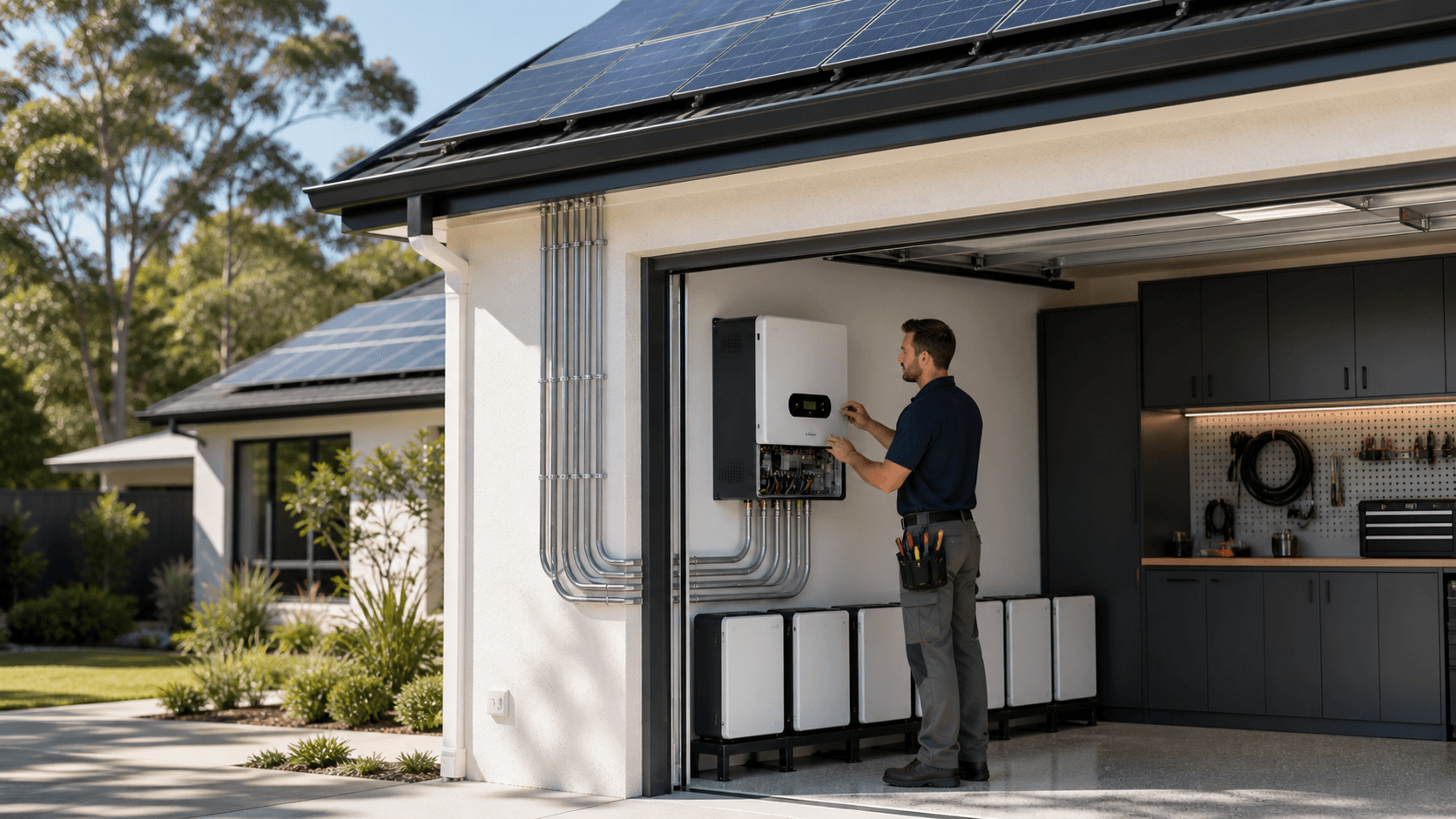
A whole-home battery backup is a system that connects into your main electrical panel and keeps key circuits running when grid power fails. Unlike a single outlet backup or a portable generator, it is designed to:
- Switch on automatically when the power goes out
- Run multiple circuits at once, like your well pump, fridge, lights, and outlets
- Provide enough surge power to start heavy loads like deep well pumps
With the right inverter and battery size, these systems can easily handle the pump's starting surge, then settle in to run the steady load, along with other essentials. You do not need to run outside in a storm, pull a cord, or mess with fuel. The changeover is quick and smooth, so water pressure stays normal.
Whole-home battery backup also has some nice real-life benefits compared to generators:
- Quiet operation, which matters at night or in close neighborhoods
- No fuel storage, so there is no worry about stale gas or refueling in bad weather
- Less regular maintenance, since there is no engine to service
- Cleaner operation, which fits well with an eco-friendly lifestyle and solar power
For many well-dependent homes, this mix of comfort, safety, and low stress during outages is the real win.
Comparing Backup Options for Well-Dependent Homes
If your home runs on a well, you have a few common backup choices: a portable or standby generator, a dedicated well pump battery setup, or a full whole-home battery backup.
Here is how they compare in daily life:
- Reliability in storms: Generators can work well, but they need fuel, clear exhaust paths, and regular testing. Battery systems keep working as long as they have charge, without needing to be pulled out or started manually.
- Fuel and supplies: Gas or diesel might be hard to get during long storms or in rural areas. Batteries do not depend on store runs, and if paired with solar, they can recharge when the sun returns.
- Indoor air and noise: Generators must stay outside because of fumes and noise. Battery systems are quiet and can be installed indoors or in protected locations.
Over the long term, backup batteries can also bring extra value. They can work with solar to lower grid use every day, not just during outages. Some areas offer tax credits or rebates for home battery systems, which can help offset the investment.
For some homes, a smaller, dedicated battery system just for the well pump might be enough, especially if outages are short and rare. For others, a full whole-home battery backup makes more sense, such as when:
- Family members have health needs that rely on power
- You run a home-based business
- You care for livestock or large gardens that cannot go dry
- Outages in your area tend to last many hours or days
Thinking about how you actually live on your property is the best way to choose.
Key Features to Look for in a Battery Backup System
Not every battery backup is built the same. If you are on a well, there are a few key things to pay attention to.
For the well pump itself, focus on:
- Inverter surge capacity that matches or beats your pump's starting needs
- Enough battery storage (kWh) to handle multiple pump cycles each day
- Smart load management so water and refrigeration stay top priority
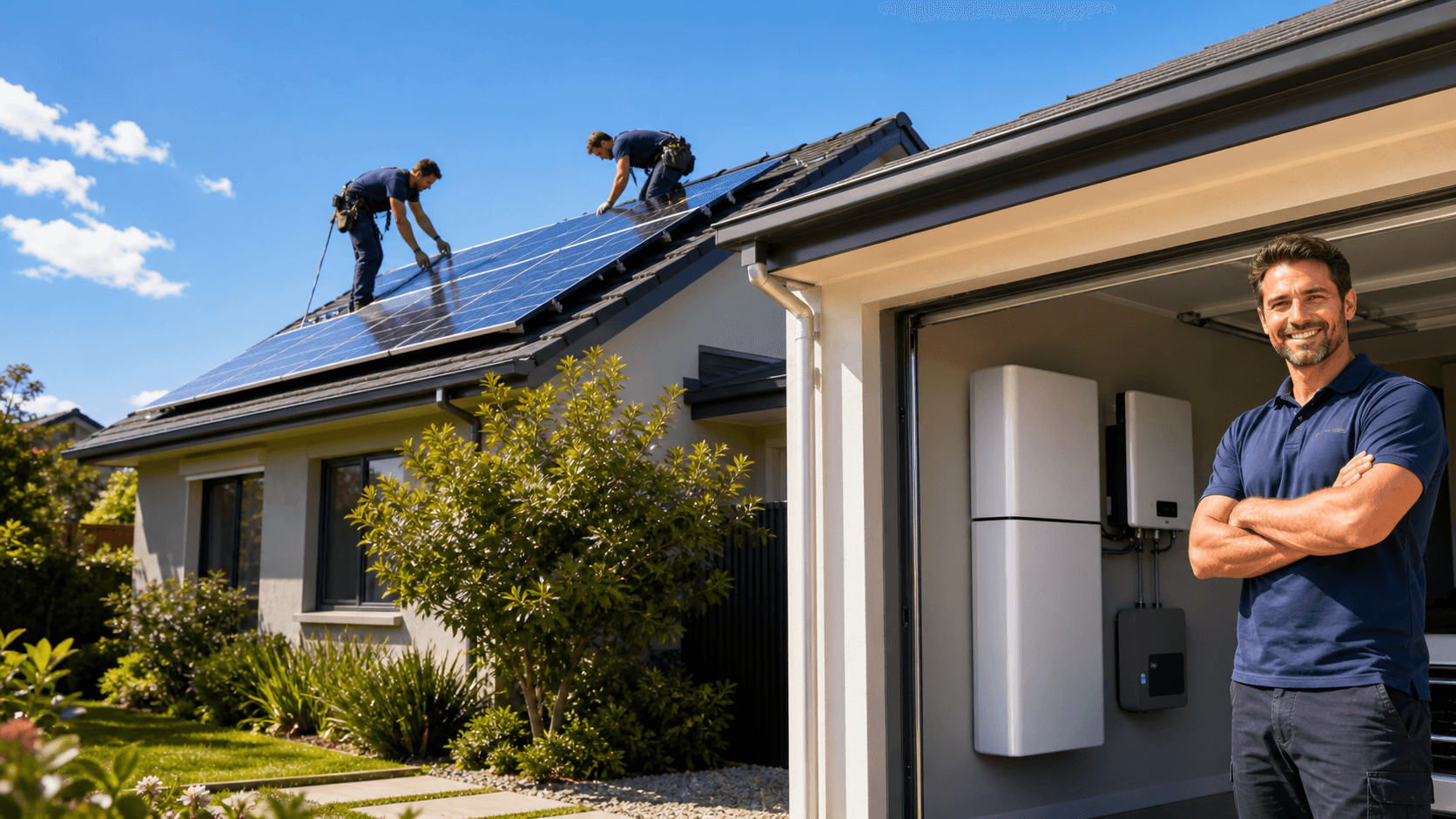
Since many well homes have good sun exposure, it also makes sense to look for systems that work nicely with solar panels. When the grid is up, solar can help lower your normal power bills. When the grid is down, solar can recharge your batteries, so you are not stuck with only what is stored on day one of a long outage.
Useful safety and convenience features include:
- Automatic transfer switching, so you are not flipping breakers in the dark
- App-based monitoring, so you can see battery levels and usage from your phone
- Weather-resistant enclosures for any outdoor components
- Professional installation that keeps everything within local code for electrical and wells
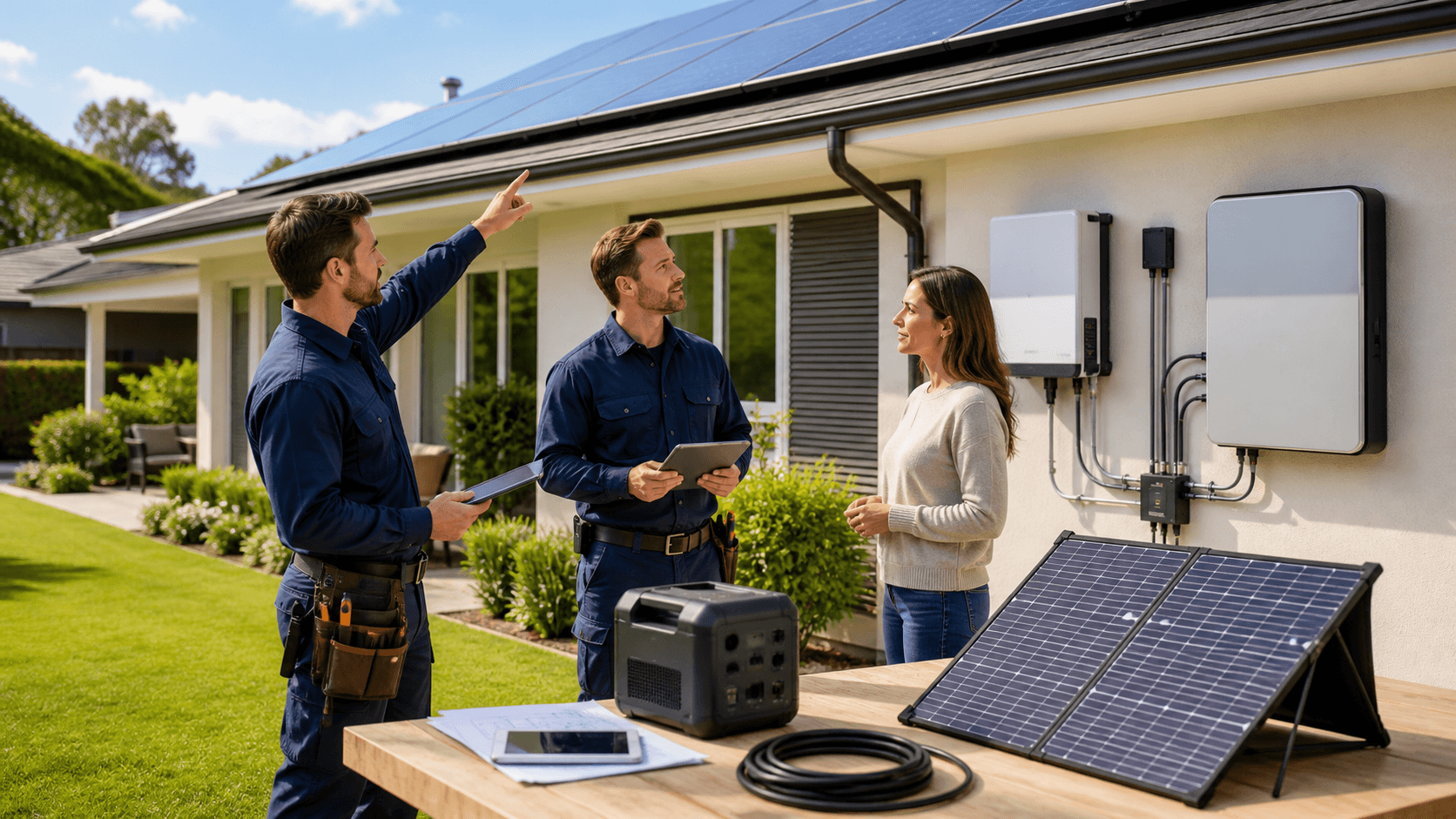
Working with skilled installers is especially important when a system connects to both your main panel and your well controls.
Take Control of Your Water Security Before Storm Season
If you rely on a well, it helps to ask a few simple questions now, before storms grow stronger: How long does your pressure tank usually last with normal water use? How often does your area lose power, and for how long? How quickly would no running water affect kids, older family members, animals, or gardens?
At Green Vista Living, we focus on off-grid and backup power solutions, along with sustainable outdoor and home systems for people who care about resilience and the environment. A whole-home battery backup that keeps your well pump running can turn the next big storm from a stressful event into a minor blip in your day, and it can support cleaner, more independent living all year long.
Get Started With Your Project Today
Take control of your home's energy security with a customized whole-home battery backup solution from Green Vista Living. We will help you evaluate your power needs, recommend the right system, and guide you through installation so you are prepared for outages year-round. If you have questions or are ready to explore options, simply contact us and we will walk you through the next steps.