Build Reliable Power Before Winter Weather Arrives
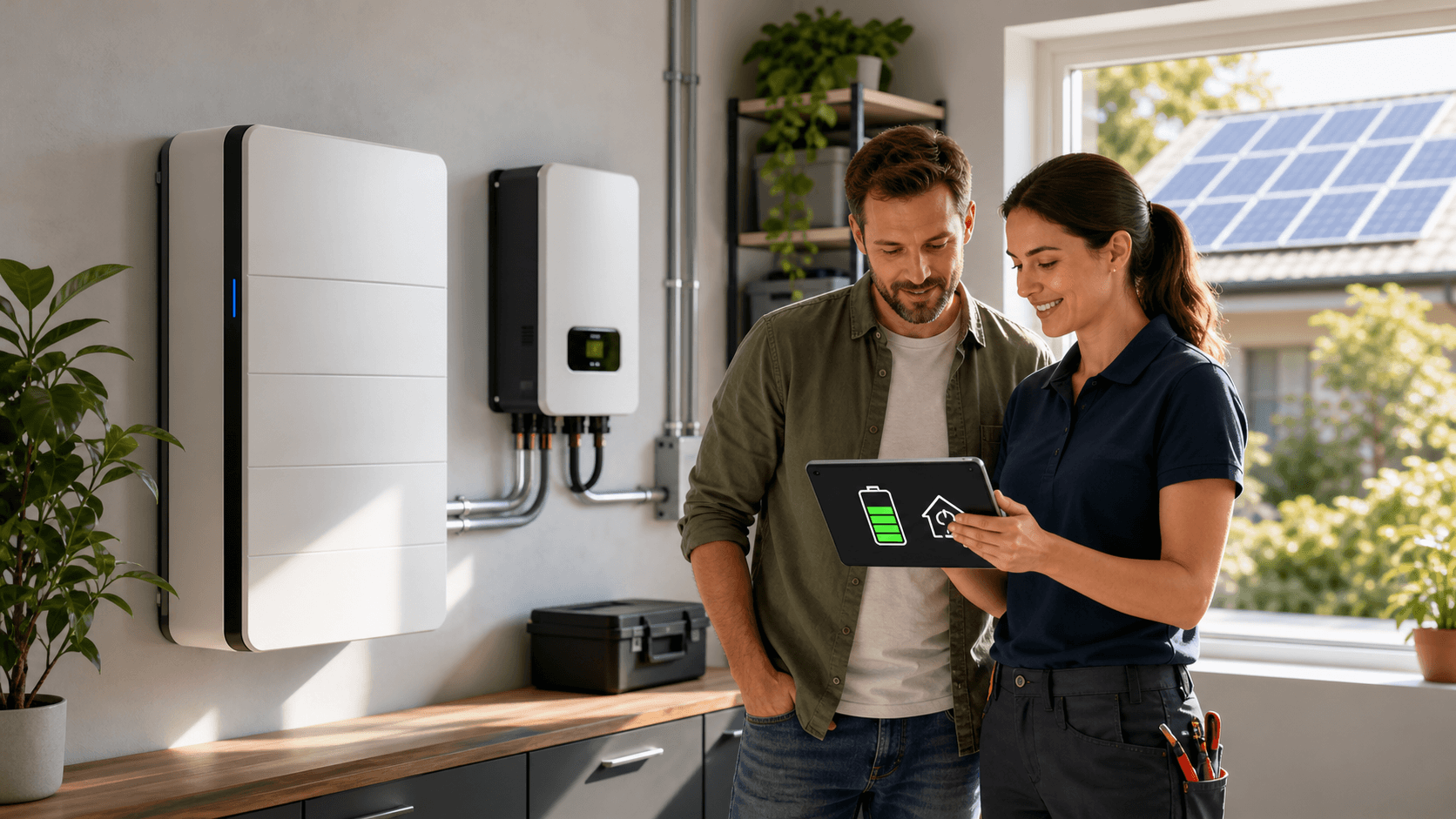
A 600Ah lithium battery bank can give you a more dependable source of stored power when winter storms, shorter days, and outages arrive. We recommend planning early, before cold weather makes installation work harder and before you need backup power in a hurry.
At Green Vista Living, we help you think beyond battery capacity alone. The right Discover Energy setup should match your daily power use, the circuits you need running during an outage, your available space, and the possibility of adding capacity later. A thoughtful plan can help you store solar power for use after sunset and rely less on a generator.
Size a 600Ah Lithium Battery Bank for Your Loads
The term "600Ah lithium battery" describes battery capacity, but it does not tell the full energy story. Voltage matters just as much. A 48-volt 600Ah bank stores far more nominal energy than a 12-volt bank with the same amp-hour rating.
We suggest starting with a simple energy audit. Instead of guessing, write down the watts each item uses and estimate how long you expect it to run each day. Focus first on the loads that need to stay on when the grid is down.
- Refrigerators, freezers, and well pumps
- LED lighting, internet equipment, and phone charging
- Heating-system controls and water-related equipment
- Medical equipment or other must-run devices
- Small kitchen appliances used in moderation
A basic starting calculation is volts multiplied by amp hours. That gives you nominal watt-hours. For example, voltage and capacity work together to show the bank's approximate stored energy, but usable kilowatt-hours can vary by Discover Energy battery model, depth-of-discharge limits, temperature, and system settings. We recommend confirming the usable capacity in the current product documentation.
Your backup goal also changes the design. Some owners want enough stored energy to carry solar power through the night. Others want a full day of must-run loads, or longer runtime when solar, generator, or other charging sources are available. Separating must-run loads from convenience loads helps keep the plan realistic.
Select Discover Energy Components That Work Together
A dependable battery bank starts with an approved Discover Energy battery architecture. Capacity is important, but so are bank voltage, allowable parallel connections, battery-management needs, communication options, and the conditions where the batteries will live.
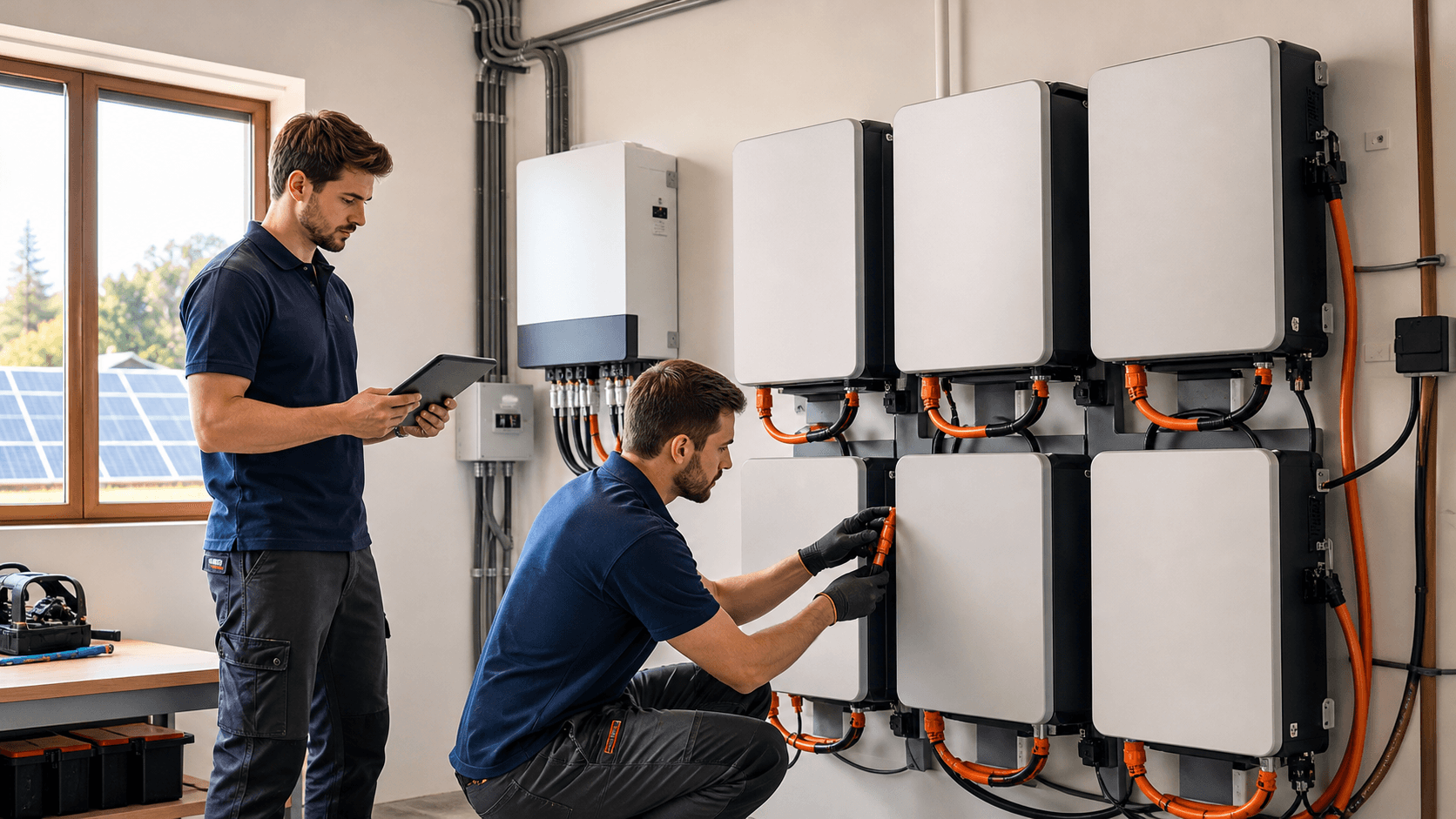
To reach 600Ah, you may combine approved Discover Energy battery modules in parallel, depending on the model and system design. For instance, several matching modules may be configured to reach the target amp-hour capacity. We always recommend checking the current manual for the maximum allowed parallel configuration before finalizing equipment.
Monitoring and communications deserve the same attention as the batteries themselves. Compatible equipment can report useful information such as state of charge, charging status, temperature, and system alerts. During a long outage, clear information helps you decide which loads can stay on and when to conserve power.
A complete system also needs equipment around the battery bank, including:
- Properly sized inverter-charging equipment
- Solar charge controllers, when solar charging is part of the design
- Battery disconnects, fuses or breakers, busbars, and cabling
- Monitoring and communication components that match the system
- A suitable enclosure or protected equipment room
Each part must be rated for the system voltage and expected current. We recommend having a qualified installer review the complete design rather than treating the battery bank as a stand-alone purchase.
Plan Safe Wiring and Service Access
Lithium battery systems hold significant stored energy and can deliver high current. That is why a 600Ah lithium battery installation calls for careful planning, current Discover Energy instructions, local code compliance, and professional guidance when the work goes beyond your experience.
Balanced wiring matters when batteries are connected in parallel. Each battery should have correctly sized conductors, secure terminals, and properly rated overcurrent protection. Where the system design requires matched cable lengths, those details help support more even current sharing across the bank.
Service access matters, too. We recommend clear labels, accessible disconnects, protected cable routes, and enough open space for inspection. The battery bank should sit on a stable surface, away from water, physical damage, and excessive heat.
Before the system is energized, confirm the following:
- Battery polarity and terminal torque specifications
- Communication cables and battery settings
- Charging limits and inverter programming
- Fuse, breaker, and disconnect ratings
- Emergency shutdown steps and system documentation
Keep a final record of the equipment layout, serial numbers, settings, and wiring diagram. That information can save time when troubleshooting, expanding the bank, or preparing the property for seasonal changes.
Prepare Discover Energy Storage for Cold Weather
Late October is a smart time to test a battery system before snow, ice, or extended outages make problems more difficult to solve. Cold temperatures can affect available battery capacity and charging behavior, especially at cabins, garages, remote buildings, and off-grid properties.
Discover Energy battery documentation should be your guide for approved charging temperatures, built-in protection features, and any recommendations for heated or conditioned battery locations. We do not recommend assuming that every lithium battery can charge safely in freezing conditions. The exact battery model and installation environment matter.
Location planning is equally important. Battery equipment should remain dry, accessible, and protected from conditions outside its specifications. If you use a property only part of the year, decide ahead of time whether the system will stay energized, be watched remotely, or be placed into a planned storage state.
Test Your Winter Backup Plan
Before severe weather arrives, run a fall readiness test. Turn on the circuits you expect the battery bank to support, confirm that charging sources are working, inspect visible cable connections, and make sure monitoring alerts are active. This is the time to find a setting, connection, or runtime assumption that needs attention.
A written plan keeps the project grounded. List your must-run appliances, desired backup time, charging sources, battery location, system voltage, and future expansion goals. With those details in hand, you can review current Discover Energy specifications with a qualified professional and build a safer, more dependable winter power plan.
Get the Right Components for Reliable Backup Power
Browse our 600Ah lithium battery options to compare compatible Discover Energy components for your system. At Green Vista Living, we help customers identify products that support dependable storage, practical installation, and room to grow. If you need assistance choosing equipment, contact us for personalized guidance.