Protect Comfort During Every Outage
A Tesla Powerwall can make an outage feel far less disruptive, but the circuits you choose matter just as much as the battery itself. October storms often bring wind, heavy rain, and early cold snaps, so a thoughtful backup plan helps your stored energy last when you need it most.
At Green Vista Living, we encourage you to decide ahead of time what must keep running and what can wait. Rather than trying to power every item in the house, focus on safety, food, communication, and the comforts that help your household get through the outage calmly.
Identify the Loads That Matter Most
Start with the circuits that support daily safety and basic comfort. Refrigerators, freezers, lights, internet equipment, phone chargers, garage door openers, and security systems are common priorities. A dark house with no way to charge a phone gets stressful quickly, even during a short outage.
We also recommend making a separate list for health and accessibility needs. Medical devices, mobility equipment, well pumps, sump pumps, and heating controls may deserve priority over convenience items. Your installer needs to know about these loads early so they can account for them in the system design.
A practical priority list might include:
- Refrigerator and freezer outlets
- Kitchen and key room lighting
- Internet modem, router, and charging outlets
- Security equipment and garage door openers
- Heating controls, sump pumps, or well pumps
Televisions, gaming systems, decorative lights, and a second refrigerator may be nice to have, but they can shorten backup time. We suggest separating "must have" circuits from "would be nice" circuits before an outage puts that decision in your hands.
Match Powerwall Circuits to Your Backup Goals
Your Tesla Powerwall circuit plan should fit the kind of backup you want. Partial-home backup sends battery power to a selected group of priority circuits. This is often a sensible approach when your goal is keeping food cold, lights on, and communication running without supporting every electrical demand in the home.
Whole-home backup can support more of the house, but it calls for careful planning around battery capacity and how your household uses power. Even with a broader setup, not every major appliance should run at the same time during a grid outage.
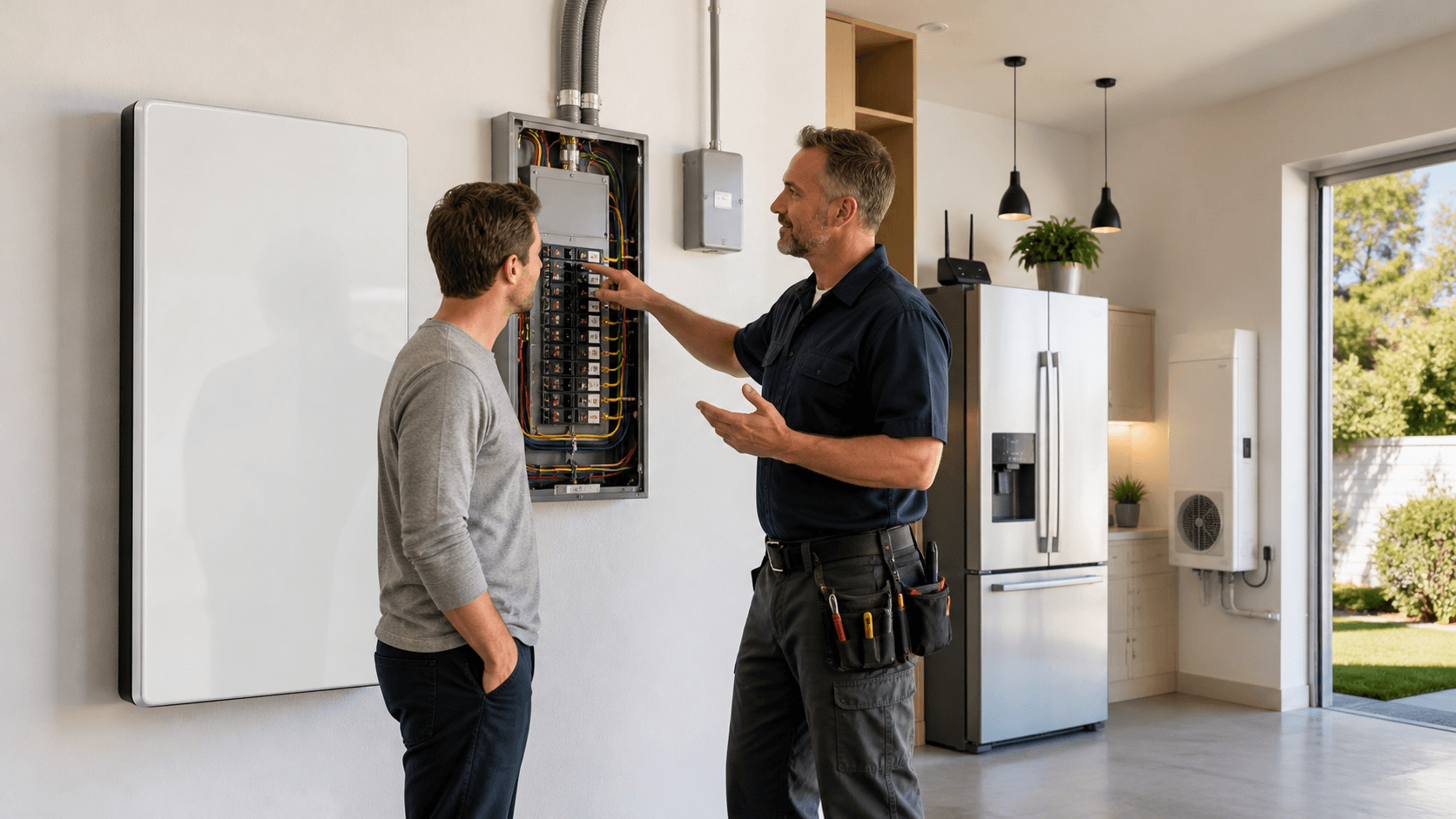
A backed-up loads panel can keep priority circuits separate from larger or lower-priority demands. That separation gives you more control when the grid goes down. We often see different circuit choices based on goals such as:
- Short outages, focused on food, lights, and communication
- Severe weather, focused on heating controls, water, and sump protection
- Rural or cabin use, focused on reliable power during intermittent grid service
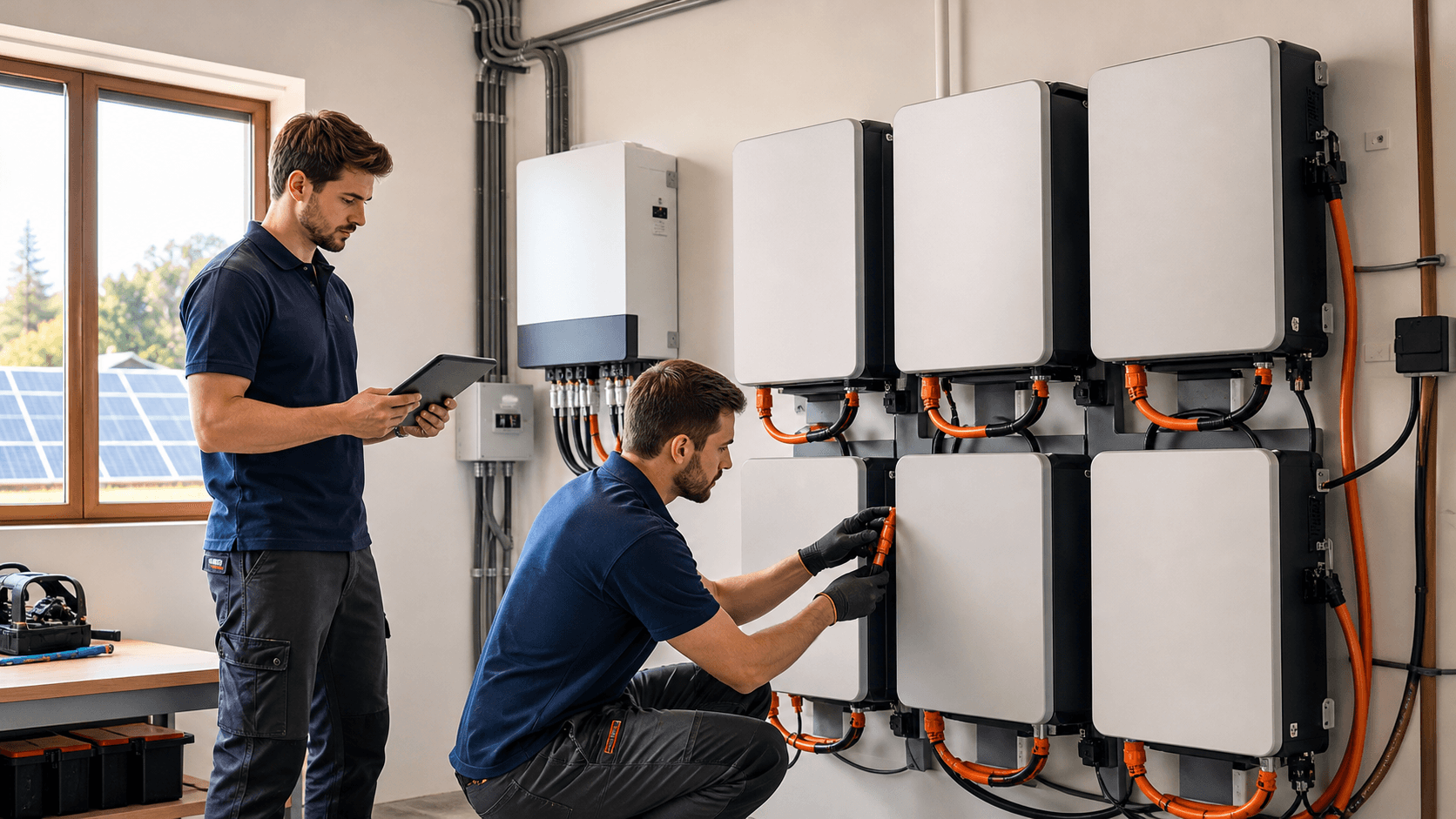
The right approach depends on your electrical panel, battery configuration, solar production, outage patterns, and daily habits. Treat your circuit list as a planning tool to review with a qualified installer.
Balance High-Draw Loads Against Battery Capacity
Some appliances use much more electricity than others, and they can use stored battery energy quickly. Electric resistance heat, water heaters, clothes dryers, ovens, hot tubs, pool equipment, and large AC systems all need special attention during the design process.
That does not automatically mean these loads cannot be included. A properly designed system may support certain larger loads, depending on the equipment and available storage. Still, we recommend avoiding the assumption that every electric appliance can run together while the grid is down. Load calculations tell you what is practical.
Small choices can stretch your available power. During an outage, turn off lights in unused rooms, postpone laundry, skip heavy electric cooking when possible, and run select equipment only when needed. Solar production may recharge a Tesla Powerwall during daylight hours, although weather conditions and your system design affect how much energy is available.
Prepare for Fall and Winter Outages
Fall is a smart time to test your outage plan before winter weather arrives. Shorter days, colder temperatures, and stormy conditions can change how your household uses electricity. A quick review now can prevent confusion later.
Confirm which outlets and circuits have backup power, then make sure critical devices are plugged into those supported locations. It also helps when everyone in the household knows the basics: reduce unnecessary power use, keep refrigerators closed, and save battery power for priority needs.
Your seasonal readiness checklist can include:
- Check refrigerator and freezer temperatures
- Keep flashlights and fresh batteries where everyone can find them
- Place phone chargers near backed-up outlets
- Review sump pump, well pump, and heating needs
- Confirm that nonpriority appliances can stay off during an outage
If freezing weather is possible, pay close attention to equipment that protects water supply, drainage, and indoor comfort. We recommend reviewing these needs with an installation professional before the first serious storm.
Build a Smarter Backup Plan with Your Installer
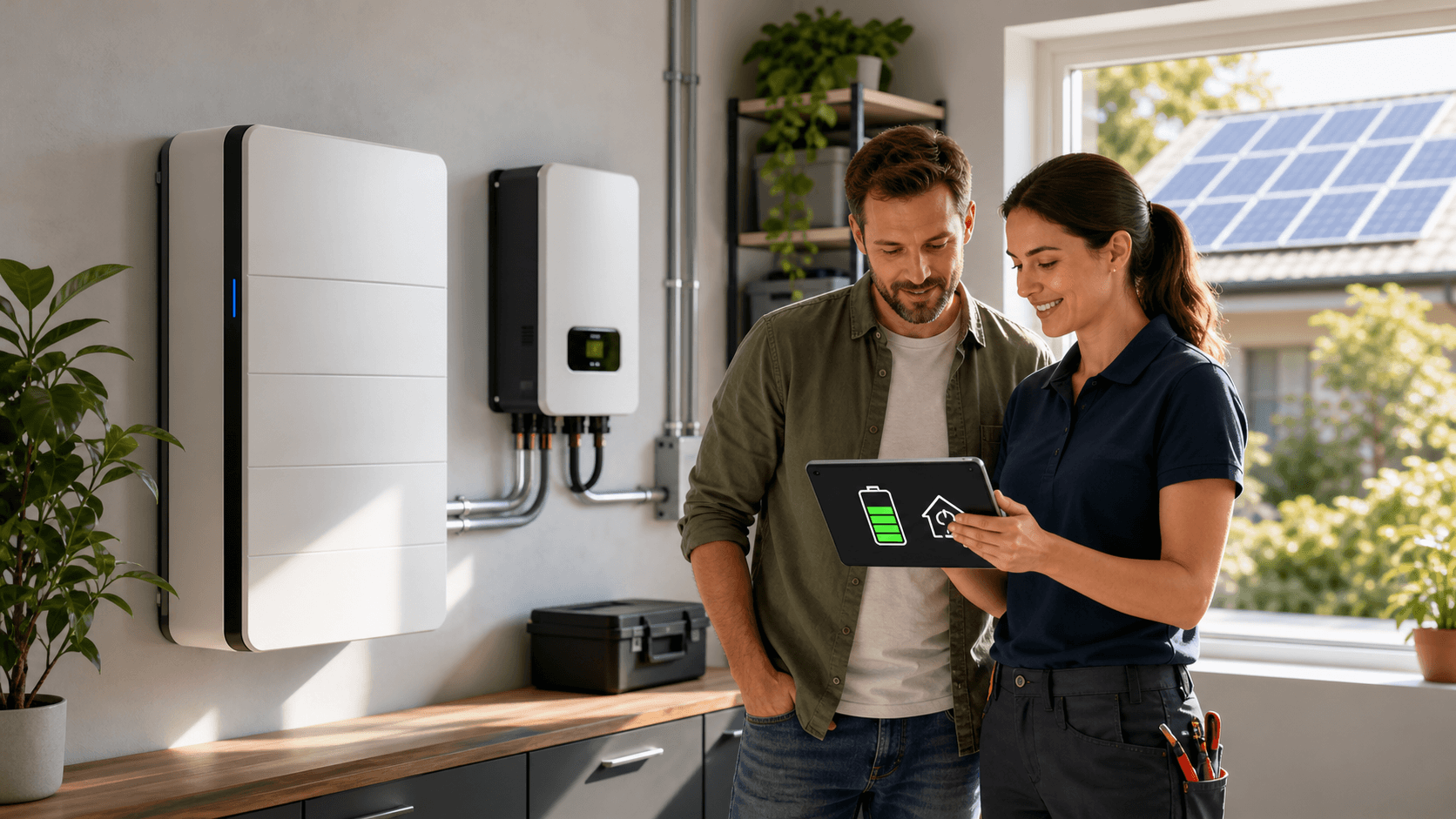
A strong Tesla Powerwall plan begins with an honest look at how your home uses power. Make note of the equipment that must stay on, the comforts that matter most, and the appliances you can leave off until grid power returns. Recent utility bills and a list of major electrical loads can give your installer a clearer starting point.
Bring up any special concerns, including medical equipment, a well pump, a sump pump, electric heat, or a rural property that may face longer outages. With the right circuit choices, you can protect the parts of home life that matter most while using stored energy wisely through storm season.
Build a Backup Plan That Fits Your Home
Green Vista Living can help you compare Tesla Powerwall options and identify a setup that aligns with your household's energy priorities. Our team can answer questions about battery capacity, backup needs, and system compatibility before you make a decision. When you are ready to discuss your project, contact us for personalized guidance.