Understanding Discover Energy Home Backup Battery Reserve Settings
A home backup battery can make winter outages less stressful, but only if enough stored power is available when you need it. Late fall and winter bring shorter solar days, rough weather, and more demand from heating controls and other household equipment.
With Discover Energy equipment, reserve settings help you choose how much battery power to save for an outage instead of using it during a normal day. At Green Vista Living, we help independent-power shoppers think through dependable equipment and practical resilience plans. Here's what reserve settings mean for daily energy use, outage readiness, and battery care.
What Battery Reserve Settings Control
Battery reserve is the portion of stored energy your system holds back in case the grid goes down. Think of it as the amount you choose not to spend during regular operation.
A lower reserve lets your system use more battery energy for nighttime loads or to reduce grid use. A higher reserve keeps more energy waiting for an unexpected outage. Neither choice adds capacity to your battery. It simply changes when your available capacity is used.
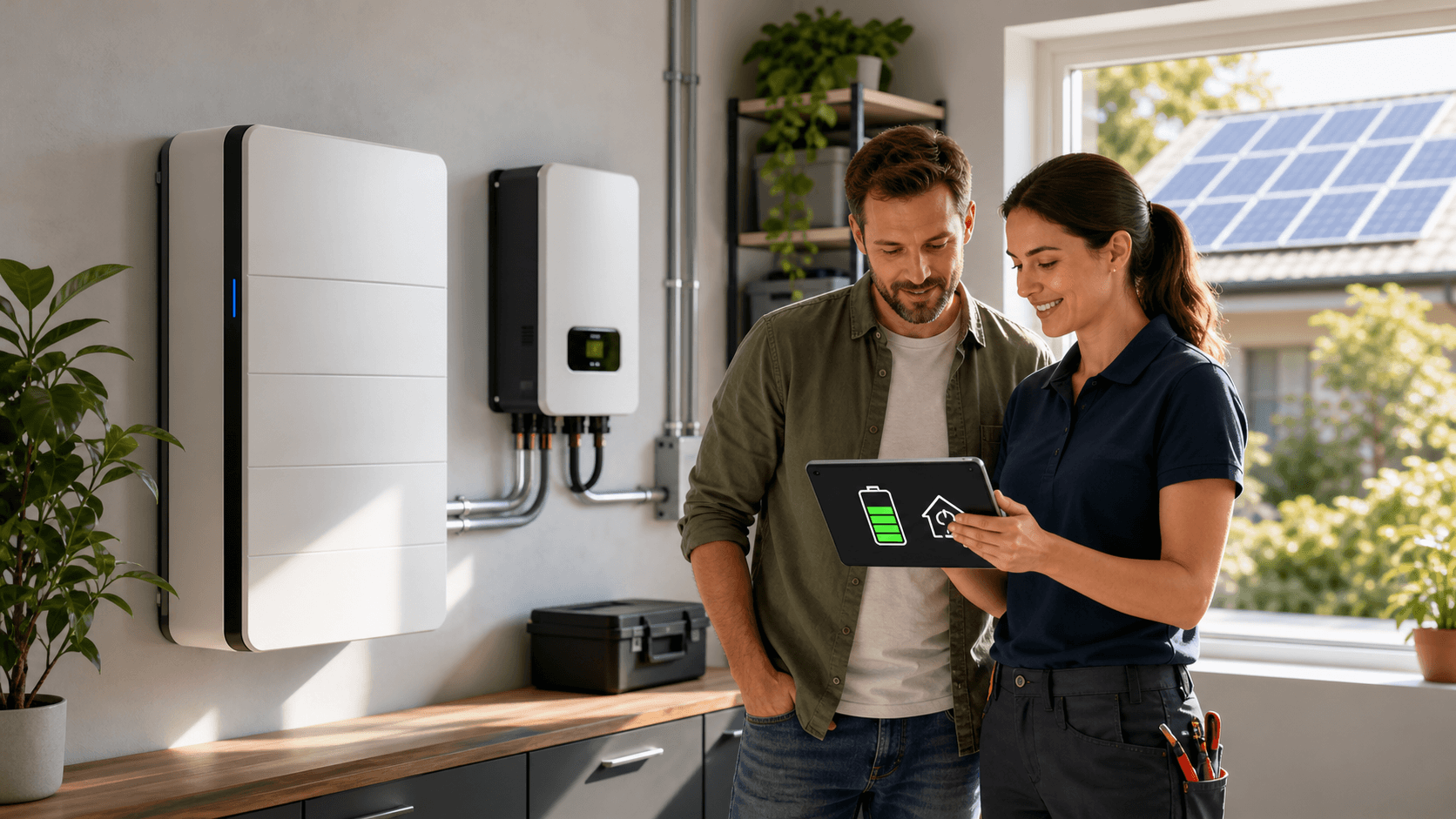
The exact setting name, percentage choices, and adjustment process can differ based on your inverter, energy-management platform, and Discover Energy battery setup. Before changing anything, we recommend reviewing your system documentation and speaking with a qualified installer who understands your full configuration.
Match Your Reserve to the Loads That Matter Most
Your reserve setting should start with a simple question: What needs to keep running if the power is out? Not every circuit needs backup power, especially during a long outage.
Common priority loads may include:
- Refrigerators and freezers
- Well pumps and select water equipment
- Internet equipment and phone charging
- Medical devices, security systems, and lighting
- Heating controls or other necessary home systems
A home with a well pump and food storage may need a different reserve plan than one that only supports lights, communications, and a refrigerator. We suggest reviewing how each priority appliance uses power, including its running wattage and any higher starting demand.
Season matters, too. Some equipment runs more often in cold weather, while others may be used only now and then. Reducing non-priority backup loads can help stored power last longer, which is especially helpful when an outage stretches past a few hours.
Raise Reserve Levels Before Winter Storms
October is a smart time to review your Discover Energy reserve settings before snow, ice, high winds, or utility work create a higher outage risk. A normal-day reserve can support your usual energy goals, but storm forecasts may call for a more cautious approach.
Winter solar charging can be less predictable. Short days, heavy cloud cover, snow on panels, and a lower sun angle may limit how much energy your system collects. During a multi-day outage, that can make every stored kilowatt-hour feel more important.
A practical approach is to use two planning modes:
- Set a normal reserve that fits your everyday energy habits
- Increase the reserve when severe weather is expected
- Review whether solar production is likely to recharge the battery
- Consider an approved generator connection, if your system has one
- Keep non-priority loads off the backup plan when possible
We encourage you to make adjustments before weather arrives, rather than after the grid is already down. That gives your system time to charge and gives you a clearer picture of how much power is being held back.
Avoid Common Reserve Setting Mistakes
One common mistake is setting reserve too low just to get more daily savings. That can work well on an ordinary sunny day, but an overnight outage may arrive when the battery has little power left. Winter storms do not always give advance notice.
The opposite problem is keeping a very high reserve all year. That may feel reassuring, yet it can leave a large part of your stored energy unused during normal operation. It may also limit how much benefit you receive from available solar power.
Reserve settings work best when viewed as one part of the whole system. Battery capacity, inverter limits, backup panels, solar output, household routines, and local outage patterns all shape what your system can do. After an adjustment, watch how the system behaves over time. If something seems unusual or unclear, professional support can help prevent settings that do not fit your equipment or household needs.
Build a Smarter Plan Before Storm Season
The right Discover Energy reserve setting balances everyday battery use with dependable outage protection. Before winter weather settles in, make a seasonal checklist: identify the loads that matter most, review expected cold-weather demand, confirm your current reserve, and understand how your battery will recharge after an outage.
A thoughtful plan also leaves room for changing conditions. Keep an eye on weather forecasts, simplify backup loads when needed, and raise your reserve before a storm instead of reacting after the lights go out.
Choose Backup Power With Greater Confidence
Green Vista Living can help you compare a home backup battery that fits your household's essential loads and energy priorities. We offer Discover Energy solutions designed to support dependable backup planning. If you have questions about system options or sizing, contact us to speak with our team.