Cold weather can change the way your Discover Energy lithium battery system performs. If you depend on stored power for a home, cabin, or backup system, winter planning should happen before the first hard freeze, not in the middle of an outage.
At Green Vista Living, we encourage you to treat battery safety as part of your seasonal power plan. The right setup depends on your exact battery model, its installation environment, manufacturer instructions, and local electrical rules. A qualified installer can help you confirm that all of those pieces work together.
Protect Winter Power Before Temperatures Drop
Cold temperatures can reduce available battery capacity and slow the charging process. A battery may still deliver power in chilly conditions, but it may not charge safely until it reaches an approved temperature range. This difference matters when solar production is low and backup power is needed most.
Charging a lithium battery outside the manufacturer-approved temperature range can damage the cells. That is why waiting for a winter storm to review your system is not a great plan. We recommend checking the battery's operating limits, installation area, and monitoring tools while weather conditions are still manageable.
Winter readiness is more than keeping the battery "on." It means making sure the system can charge, discharge, communicate with connected equipment, and protect itself when the temperature falls.
Know Your Discover Energy Lithium Battery Limits
Every Discover Energy lithium battery model has its own specifications. Battery chemistry, enclosure design, built-in heating features, and system settings can all affect cold-weather performance. Rather than relying on a general rule for lithium batteries, review the current manual for your exact model.
In many systems, the battery management system may limit charging, reduce available output, or pause operation when temperatures fall outside approved limits. These protective actions can be frustrating during an outage, but they are designed to help prevent cell damage.
Pay close attention to the difference between charging and discharging. Your battery may be able to provide stored energy during cold weather while refusing incoming charge until it warms up. That can affect solar charging, generator charging, and utility charging alike.
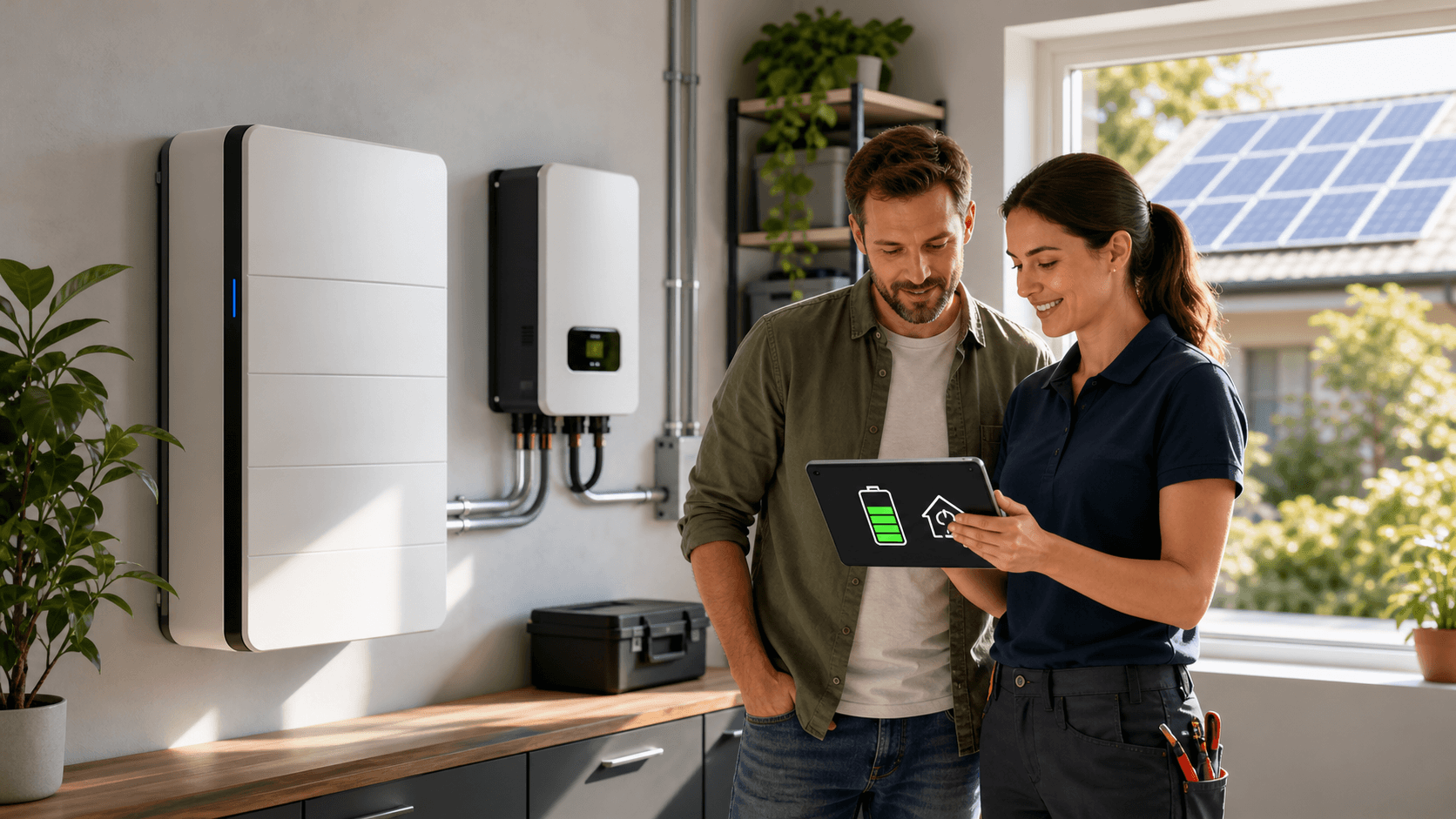
A battery monitoring system can make winter problems easier to spot before they become emergencies. During storms or long cloudy stretches, we suggest watching for:
- Low-temperature warnings or charging restrictions
- Sudden changes in state of charge
- Communication faults between the battery, inverter, and monitoring equipment
- Alerts that show a battery has entered a protective shutdown mode
If an alert appears, avoid trying to force the system back into operation. Follow the manufacturer's instructions and involve a qualified professional when the message is unclear or the system does not return to normal operation.
Choose a Safe, Protected Installation Location
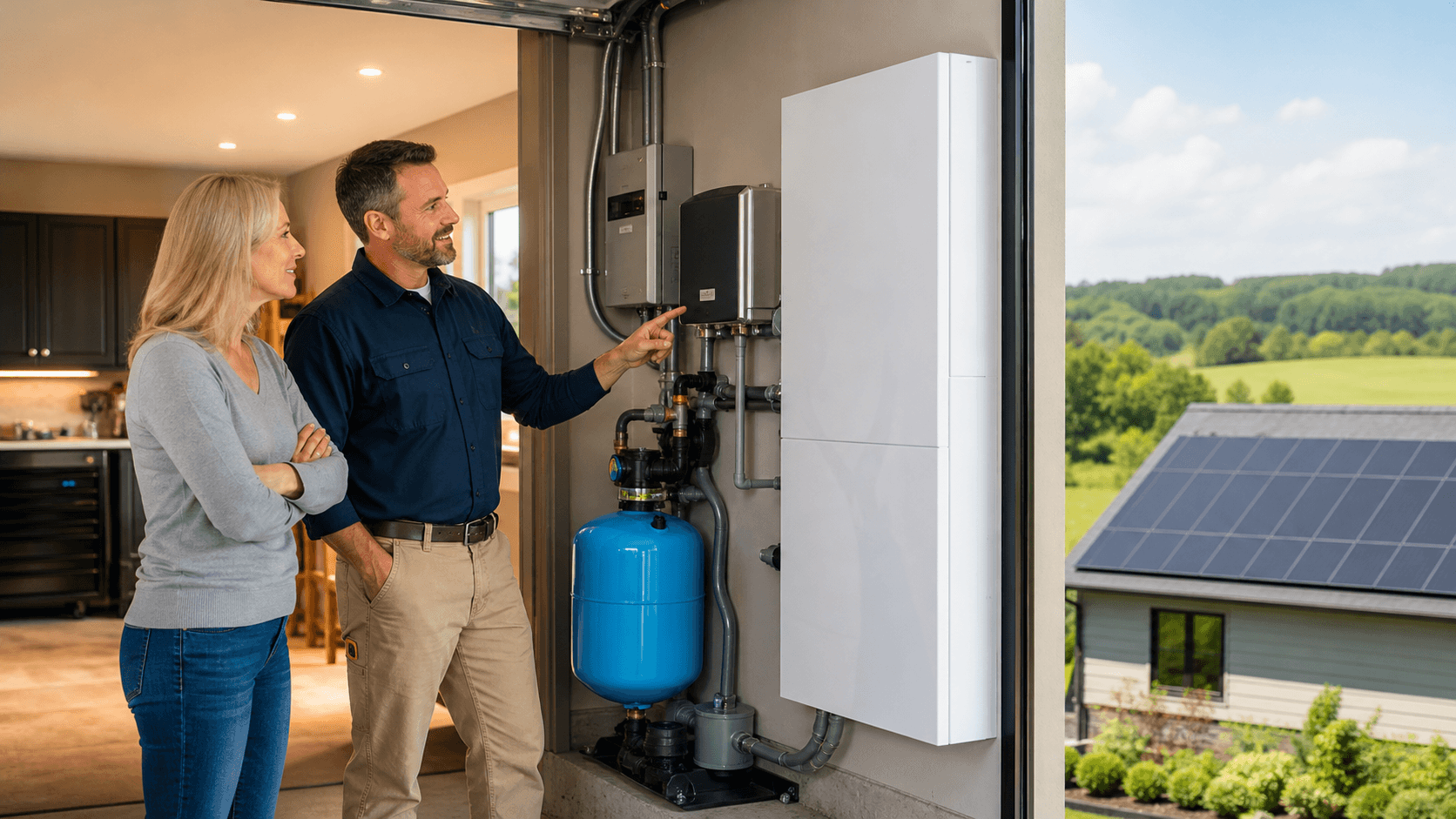
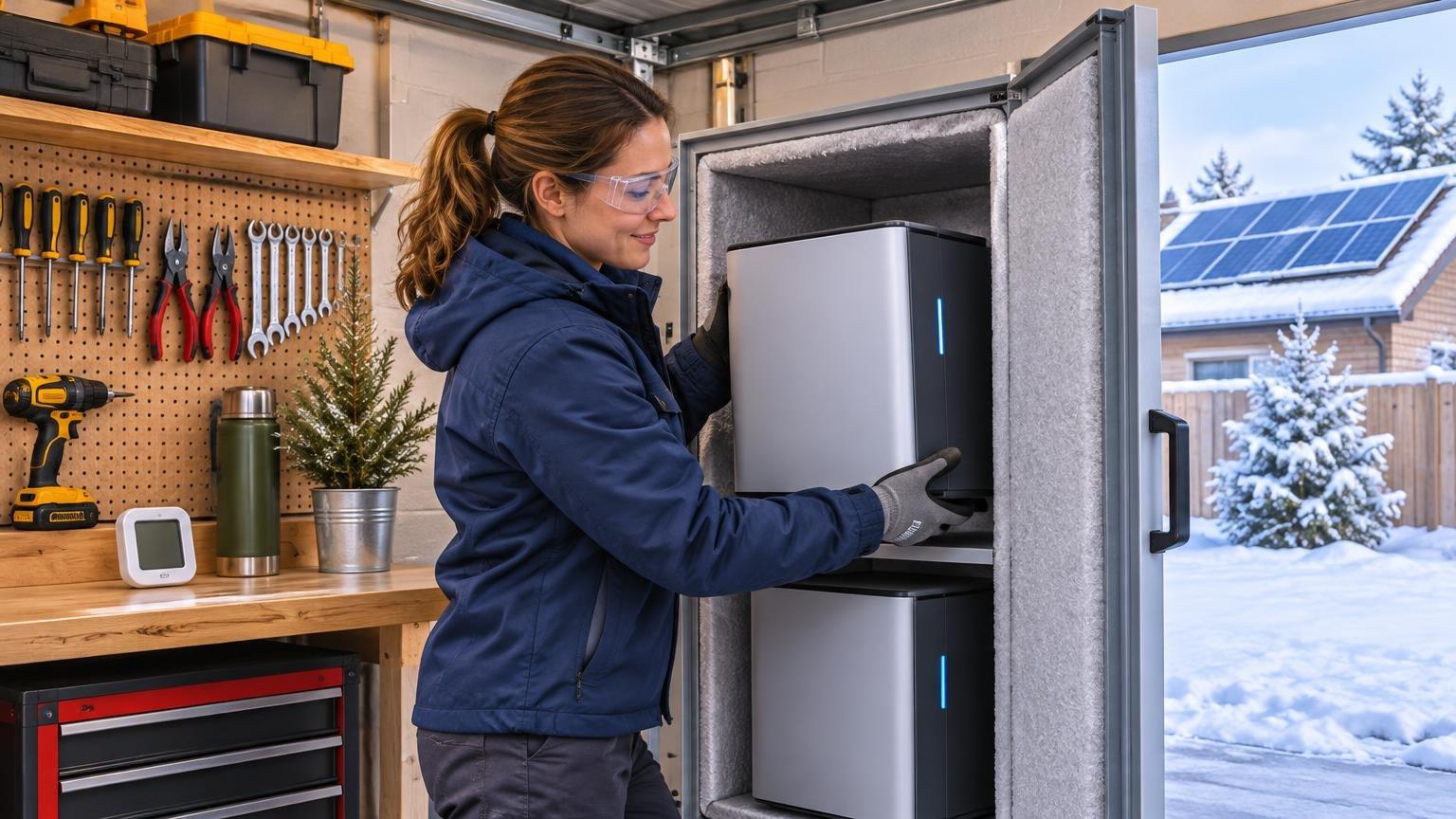
Where your Discover Energy lithium battery is installed has a major effect on winter performance. A protected indoor utility space or a properly rated enclosure may help shield equipment from freezing air, moisture, snow, and other harsh conditions. The location still needs to be approved for the specific battery model and installation type.
We recommend avoiding spaces with standing water, dripping plumbing, wind-driven rain, snow buildup, or uncontrolled freezing conditions. Moisture and electrical equipment are a poor match, and cold exposure can create operating problems even when the battery itself appears dry.
Safe placement also means leaving enough room around the battery system. Batteries, inverters, disconnects, and related equipment need clear access for inspection, servicing, airflow where required, and emergency response. Crowding a system with storage boxes, tools, or household items can make a small issue harder to see and harder to address.
Common locations that may be unsuitable include:
- Cramped closets without approved clearances or ventilation
- Unconditioned sheds without manufacturer-approved environmental protection
- Areas near fuel containers, combustible materials, or heat sources
- Garages or storage areas where vehicles and equipment could strike the system
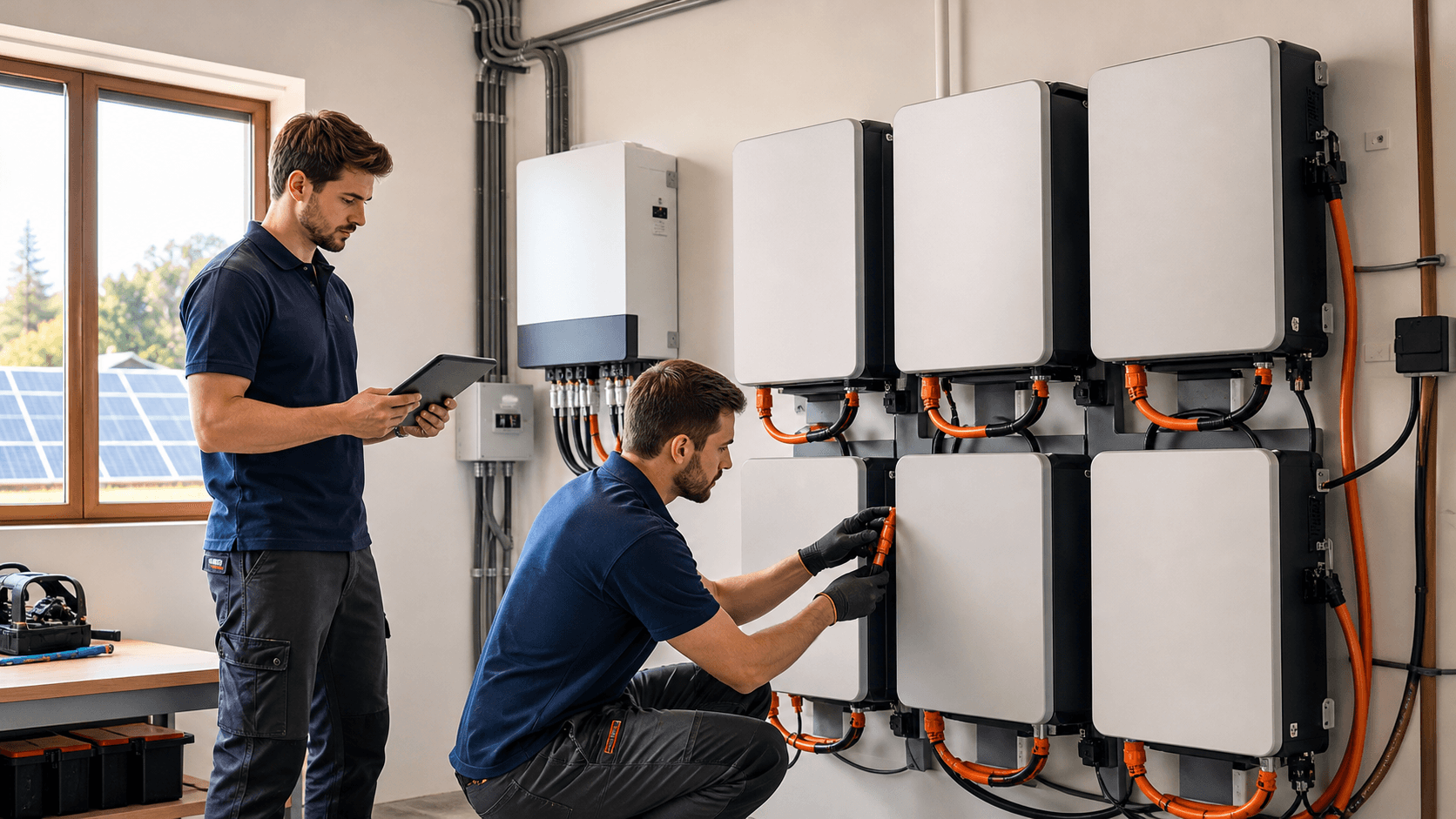
A professional installer can assess the entire space, not only the battery. That includes wall mounting, nearby electrical equipment, cable routing, access paths, and the conditions the system may face during winter weather.
Follow Local Codes and Prepare for Emergencies
Winter battery rules are not only about temperature. Electrical codes, building requirements, fire safety guidance, permits, and inspection rules can all apply to an energy storage installation. Requirements often vary by location, battery capacity, installation type, and whether the system connects to the utility grid.
Before installing or expanding a battery system, we recommend confirming what your local authority having jurisdiction requires. A licensed electrician or solar installer can help coordinate the plans, permits, inspections, and equipment requirements for your property.
Correct installation matters even more when winter storms increase your reliance on backup power. Approved mounting methods, properly sized conductors, overcurrent protection, disconnects, grounding, and clear labeling all support safer operation when the system is under demand.
Your household should also have a simple emergency plan. Make sure the people who may need to respond know:
- Where the battery and inverter disconnects are located
- How to follow the system shutdown procedure
- What alarms or warning lights mean
- When to leave repairs to a qualified professional
Do not attempt repairs on damaged battery equipment, exposed wiring, or a system with repeated fault alerts. A prompt professional inspection is safer than guessing during an outage.
Charge, Monitor, and Maintain Backup Power
A well-placed battery still needs seasonal attention. Before winter arrives, review your backup priorities, reserve level, charging schedule, and generator settings if your system includes generator support. It also helps to identify which loads are truly important during an outage, such as refrigeration, lighting, communications, and heating equipment controls.
Reduced solar production can change the way your system charges. Shorter days, cloudy weather, and snow-covered panels may limit the energy available to recharge the battery. We encourage you to plan your battery reserve around expected solar output and normal household use, rather than assuming summer charging patterns will continue through winter.
Regular visual checks can catch trouble early. Look for damaged cables, moisture intrusion, blocked ventilation areas, loose-looking connections, and unusual alerts in the monitoring system. Keep the battery manual, warranty records, shutdown instructions, and installer contact details where you can find them quickly.
Build a Winter-Ready Storage Plan
Reliable winter power begins with preparation. Review your Discover Energy lithium battery specifications, confirm that the installation area remains protected, and make sure monitoring tools are working before cold conditions settle in. Small checks made ahead of time can help prevent stressful surprises during a storm.
The best winter plan combines approved equipment, professional installation, clear safety procedures, and regular system awareness. When you understand your battery's temperature limits and respond early to warnings, you can make more confident decisions through the coldest months.
Choose Reliable Winter-Ready Storage
Browse our Discover Energy lithium battery options to find storage designed for dependable energy management. At Green Vista Living, we can help you compare compatible solutions for your system and winter operating needs. If you have questions about selecting the right battery, contact us for knowledgeable guidance.