Keep Water Flowing When Storms Cut Power
A private well needs electricity to move water into your home. When a storm takes down utility power, the lights may go out first, but water can soon stop flowing too. That affects drinking water, toilets, showers, cooking, and everyday cleanup.
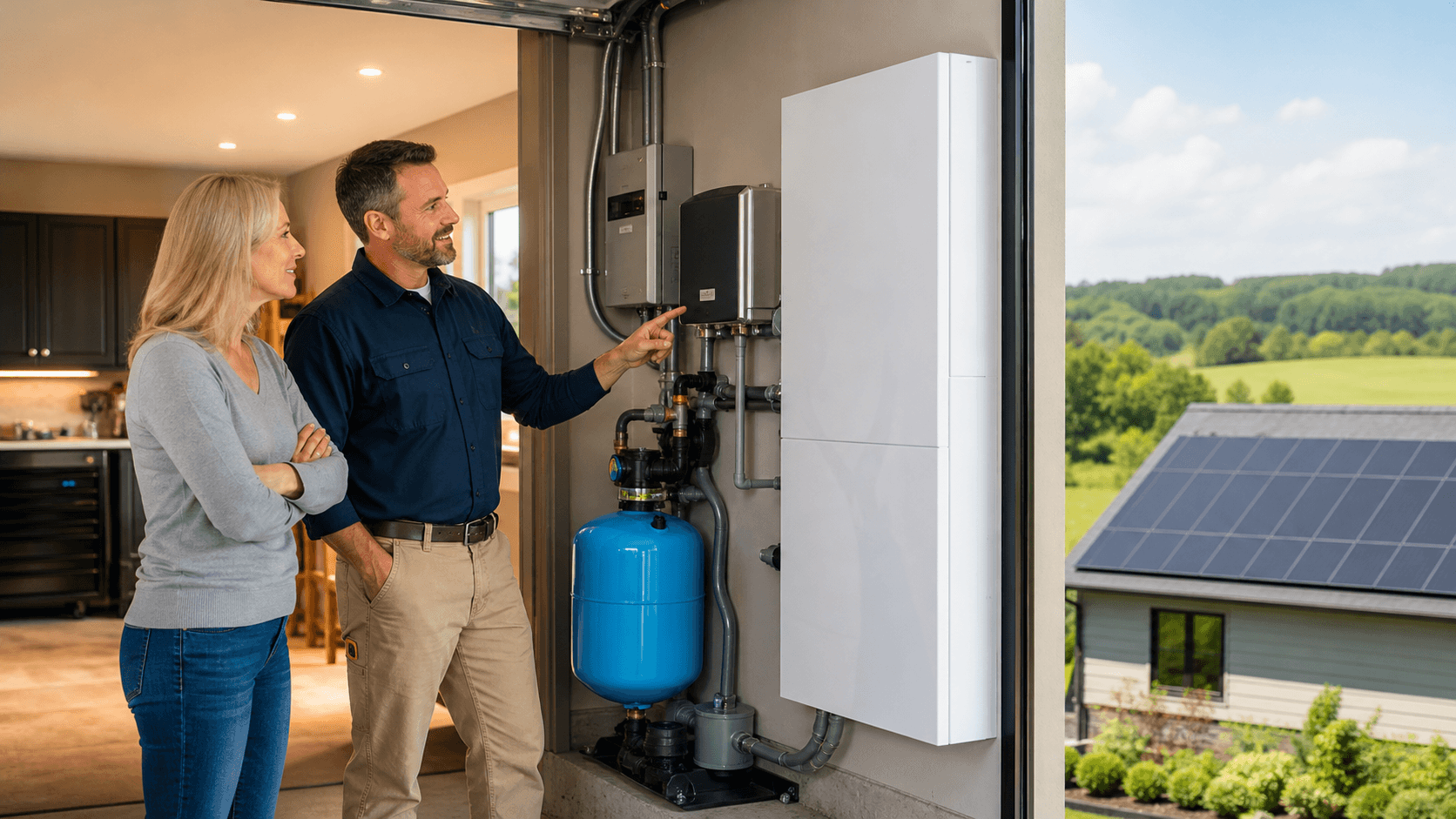
At Green Vista Living, we know a home backup battery power supply can make a major difference for households that depend on a well. A Tesla Powerwall system may keep selected circuits powered after an outage, allowing the well pump to run when the pressure tank needs more water. Still, a pump is not just another household load. Its startup needs deserve careful planning before bad weather arrives.
See How Tesla Powerwall Handles Pump Startup
When utility power fails, the Tesla backup system detects the outage, separates the home from the grid, and begins supplying power to the circuits included in the backup setup. You may notice a short interruption during that changeover. Lights or electronics can briefly turn off before backup power takes over.
Meanwhile, the well pump usually stays off until the pressure tank reaches its lower pressure setting. Every time you flush a toilet, wash dishes, or turn on a faucet, stored water leaves the tank. Once pressure drops far enough, the pressure switch tells the pump to start.
That startup moment is where planning matters most. A pump motor often needs a brief burst of power to get moving. After it starts, its running power demand is generally lower. Whether a Tesla Powerwall can start your pump depends on several details, including:
- Pump horsepower and motor type
- Whether the pump runs on 120 or 240 volts
- Starting demand, including locked rotor amps
- The Powerwall configuration and other loads running at the same time
We recommend treating the pump's startup demand as the main test, not just its normal running wattage. A battery system may have plenty of stored energy, yet still need enough inverter output to handle that short motor surge.
Match Your Backup Battery to the Pump
A home backup battery power supply must be planned for two different jobs. First, it needs enough stored energy to keep your selected household loads running through an outage. Second, it needs enough available power to handle sudden demands, such as a well pump starting.
Before choosing or setting up a Tesla Powerwall system, gather the information found on the pump label, motor documentation, or pump controller. Your installer may need details such as horsepower, voltage, running amps, starting amps, and any equipment located between the pump and your service panel.
The pressure tank matters too. It stores water under pressure, which means the pump does not need to run every time you open a faucet. A properly sized tank can reduce frequent cycling, lower battery demand, and give you a small water cushion during a transfer to backup power.
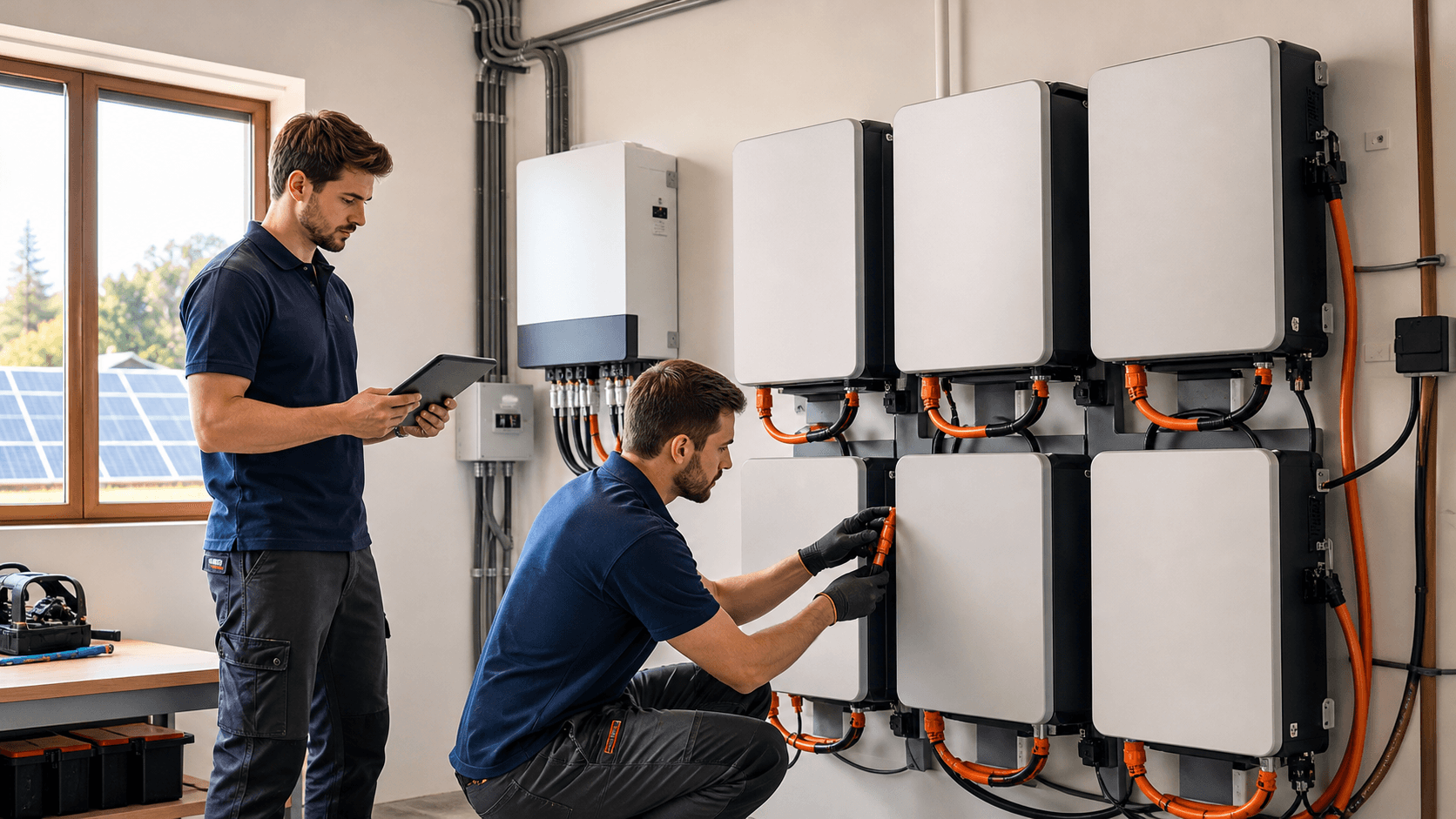
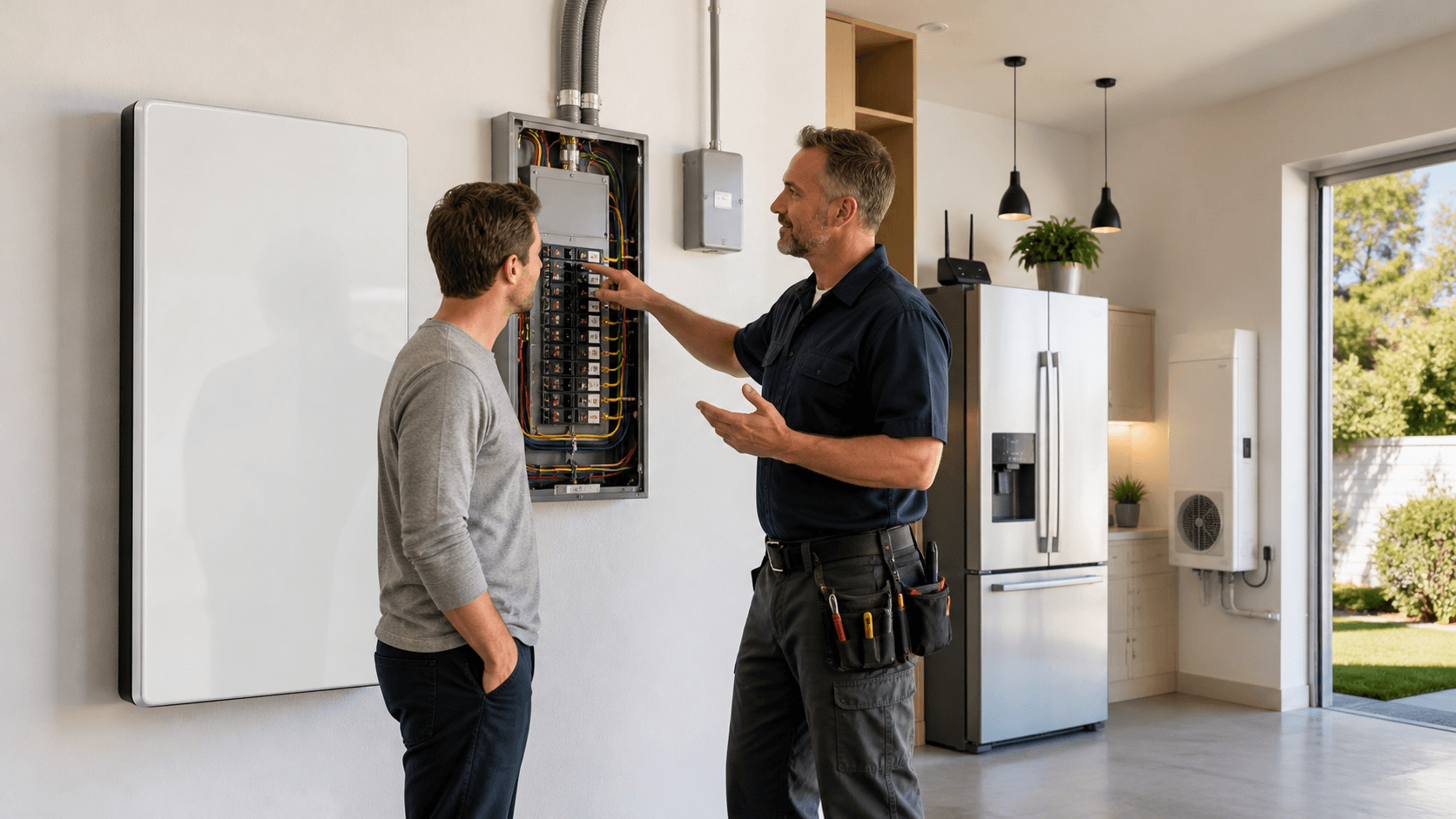
A qualified installer should review the entire setup, not only the battery. That includes the well pump circuit, panel capacity, backup circuits, pump controls, and local electrical code requirements. We want you to have a system that supports safe, dependable water access when utility power is unavailable.
Plan for November Weather and Real Water Demand
Early November can bring windstorms, heavy rain, early snow, falling branches, and other conditions that interrupt utility service. An outage is harder to manage when roads are messy, temperatures are dropping, and getting water becomes a bigger concern than usual.
Water use can add up quickly, even when a household is trying to be careful. These activities can make the pressure tank call for the pump more often:
- Showers and toilet flushing
- Dishwashing and meal cleanup
- Laundry loads
- Livestock or pet watering
- Extra water use from guests
During an outage, conserving water reduces how often the pump needs to start. That can help the battery last longer and leave more available power for refrigeration, lighting, communications, and heating controls.
Solar may also help during a daytime outage if your home has a properly configured solar and battery system. Usable sunlight can support household loads and help recharge the battery. November weather can limit that benefit, though. Shorter days, cloudy skies, snow cover, and shading may reduce solar production just when you need it most.
We suggest making a simple household water plan before storm season. Know which circuits receive backup power, where the well pump connects, how much water the pressure tank can provide, and which water-heavy tasks can wait until grid power returns.
Prevent Overloads Before an Outage Tests the System
Your well pump does not operate alone. During a power outage, the backup system may also be supplying refrigeration, lights, internet equipment, sump pumps, heating controls, and other selected home circuits. If several large loads turn on together, the available battery output can get tight fast.
Electric resistance heat, electric water heaters, clothes dryers, ovens, large air conditioners, and workshop equipment can place a heavy demand on backup power. When one of those loads runs as the pump tries to start, the system may limit power or shut down a circuit to protect itself.
Load management can help keep the pump higher on the priority list. Depending on your home's layout and needs, a professional may recommend:
- Placing the well pump on a dedicated backup-load panel
- Leaving high-demand, noncritical circuits off during outages
- Adding smart load controls where appropriate
- Reviewing pump equipment that may reduce hard starts or frequent cycling
Some well systems may benefit from a soft starter, a variable frequency drive, or a pressure tank upgrade. Those choices are not one-size-fits-all. We recommend having qualified electrical and well professionals evaluate any changes so the pump, controls, and backup system work together safely.
Schedule a Well Pump Backup Review Today
A Tesla Powerwall can help keep a well pump running during an outage, but dependable operation depends on the pump's true startup demand and the total load your home expects the battery to carry. Reviewing the pump label, pressure tank capacity, backed-up circuits, and seasonal water priorities before severe weather arrives can prevent unpleasant surprises.
The best outage plan protects both power and water. Keep high-demand appliances from competing with the pump, use water thoughtfully during an outage, and make sure the backup design reflects how your household actually lives.
Build Backup Power Around Your Real Needs
At Green Vista Living, we help homeowners compare a home backup battery power supply that can support essential loads with the right system design. Our team can help you account for pump startup demands, daily energy use, and the appliances that matter most during an outage. Contact us to discuss a backup setup tailored to your household.