Keep Your Home Powered Through Fall Storms
September is a smart time to plan for home backup battery power before fall storms, shorter days, and winter outages arrive. A well-planned Enphase solar and battery system can help keep priority appliances running when the grid goes down, bringing more comfort and peace of mind to your home, cabin, or remote property.
At Green Vista Living, we see backup power as more than a convenience. It can help you protect refrigerated food, keep lights on, stay connected online, and support equipment your household depends on. Still, every system has limits. Runtime depends on battery capacity, the power your home uses, solar production, and the circuits chosen for backup.
How Enphase Delivers Home Backup Battery Power
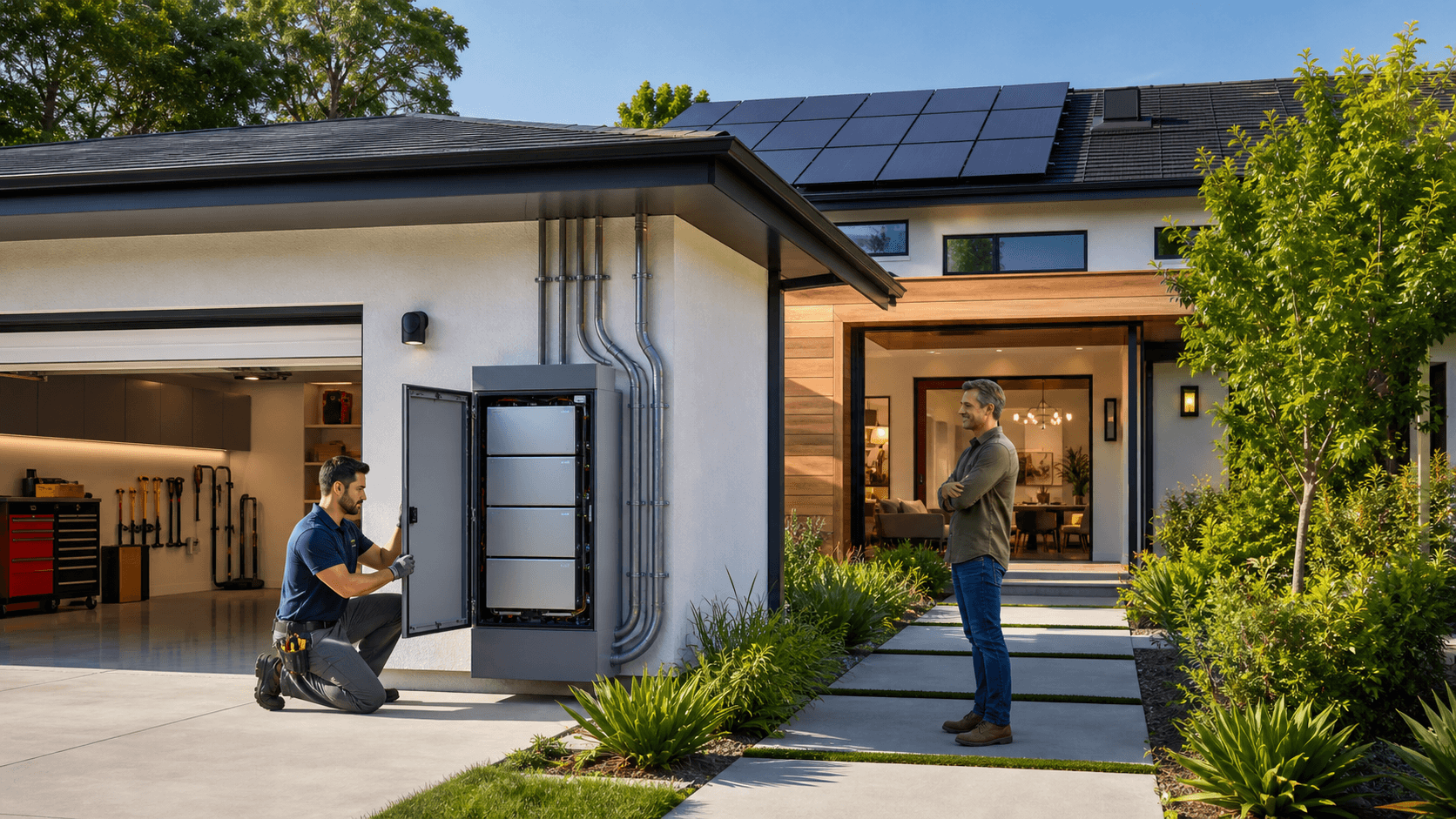
Enphase brings together solar microinverters, IQ Batteries, and system controls to create a coordinated energy setup. When configured for backup, the system can collect solar energy, store available electricity, and deliver power to approved home loads during an outage.
Microinverters work at the solar-panel level. Instead of relying on one central inverter for the full array, each panel has its own microinverter to convert solar energy into usable electricity. This design can make it easier to monitor production and may reduce the effect that shading or a problem with one panel has on the rest of the array.
IQ Batteries store energy for later use. That stored power may be used in the evening, during times when utility rates are higher, or when the grid is unavailable. During an outage, Enphase controls safely separate the home from the utility grid, allowing the battery and available solar power to serve the loads included in the backup plan.
The goal is not magic power that lasts forever. It is a thoughtful system that gives you useful electricity when you need it most.
Build Backup Around the Loads You Need Most
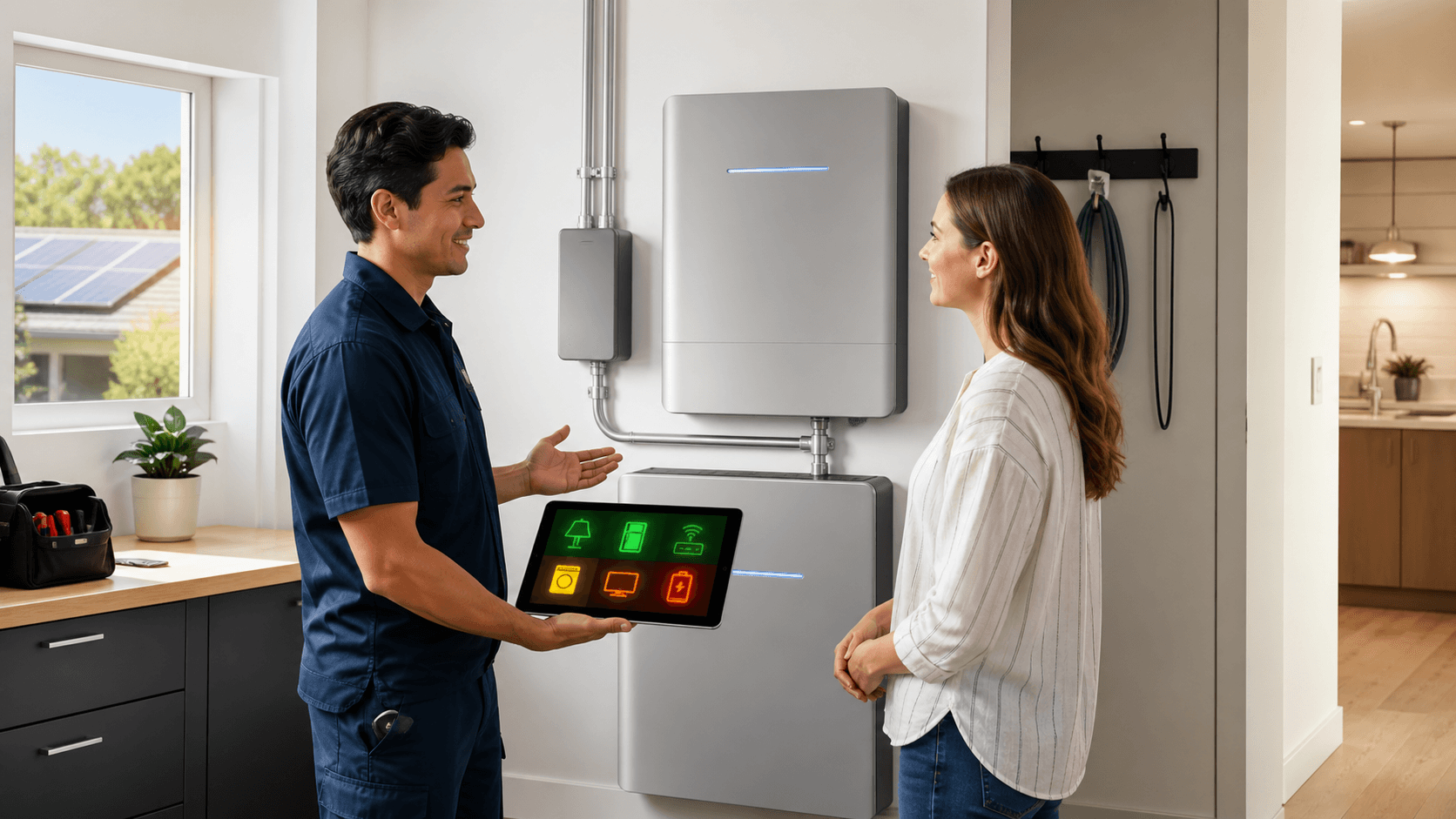
Home backup battery power works best when we match the system to your real daily needs. Trying to run every appliance without limits can drain stored energy quickly, especially during a long outage. A better starting point is identifying the circuits that matter most to your household.
Common backup priorities may include:
- Refrigerators and freezers
- Lights, Wi-Fi equipment, and phone charging
- Security systems and garage doors
- Sump pumps, well pumps, and selected medical equipment
Some appliances need much more power than others. Central AC, electric resistance heat, EV charging, large electric water heaters, and other high-demand equipment may require larger battery capacity and careful load planning. Depending on the home, it may make more sense to back up a smaller group of circuits rather than trying to run every high-use device.
Before choosing a configuration, we recommend reviewing your recent utility bills, your usual daily consumption, and the equipment you rely on most during colder weather. A qualified Enphase installer can help determine whether critical-load backup or broader whole-home coverage makes sense for your electrical setup.
Scale Your Enphase Battery System as Needs Change
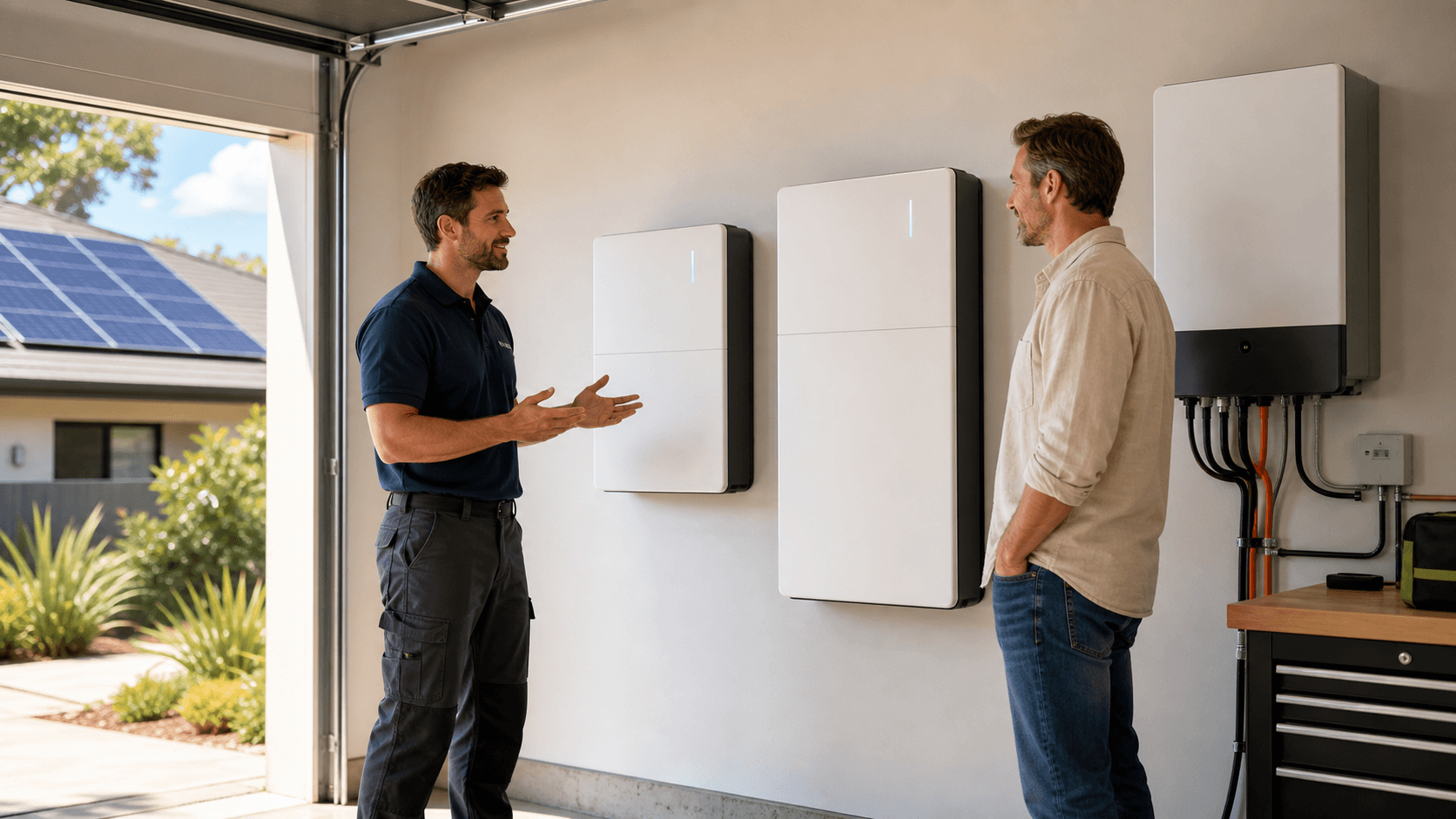
One appealing part of Enphase battery storage is its modular approach. You may choose to begin with backup for the loads that matter most, then consider adding capacity as your energy needs, budget, or outage concerns change.
Additional battery storage can help in a few ways:
- Extend the time selected loads can run
- Support more circuits during an outage
- Store more solar energy for nighttime use
- Provide more flexibility during peak-rate periods
Battery size is not only about how many hours you want power. We also need to consider peak power needs, which means how much electricity your home may need at one time. A well pump starting up, a refrigerator cycling on, and lighting running together can create a different demand than a few phone chargers and a router.
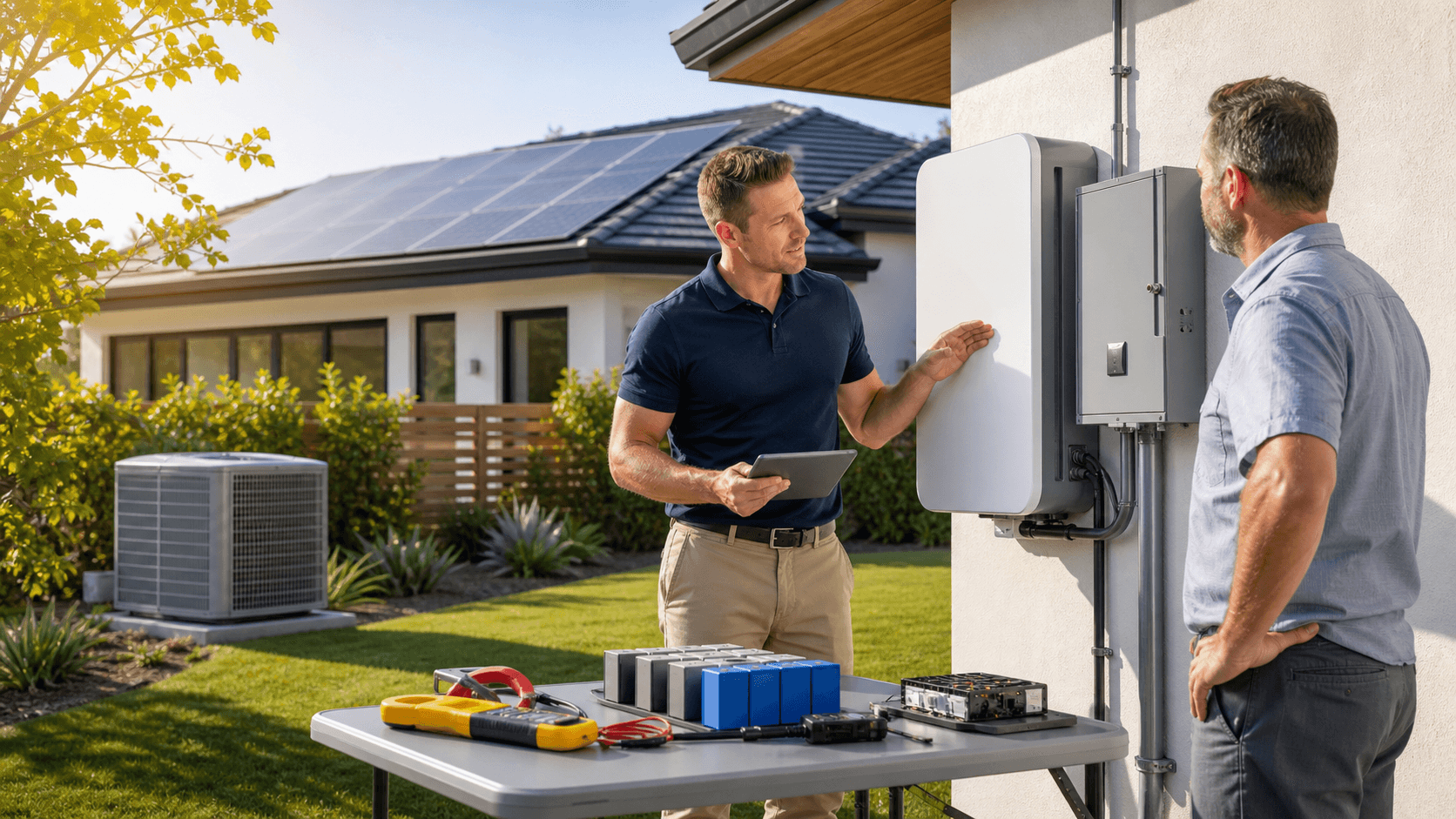
More battery capacity alone does not solve every challenge. The system also needs suitable solar production, compatible controls, sound electrical infrastructure, and practical load management. We encourage a professional site evaluation before equipment is selected, particularly for homes with electric heating, cooling, pumps, or other large loads.
Prepare for Winter with Solar and Battery Planning
Fall is an effective season to look closely at your home energy plan. Winter weather can bring outages at the same time that households use more electricity for lighting, heating, and daily routines. Planning ahead gives you time to understand what your backup system can support before severe weather becomes an immediate concern.
Solar production can change as daylight hours get shorter. Snow cover, seasonal shading, cloudy weather, and low sun angles may also affect how much energy your panels produce. We recommend reviewing whether nearby trees need professional trimming, making sure you understand your panel inspection needs, and tracking how much power your priority loads use during colder months.
During an extended outage, solar can recharge an Enphase battery when sunlight is available, but the amount of recharging will vary with weather and solar conditions. Conserving energy helps stretch available battery power. Limiting nonpriority appliances and focusing on refrigeration, lights, communications, pumps, and other key loads can make a meaningful difference.
Start Building a More Resilient Home Energy Plan
A dependable backup plan begins with a clear picture of how your home uses electricity. We encourage you to identify the circuits you want available during an outage, review your recent energy use, and think about how seasonal weather affects your household. From there, solar plus battery storage can become a practical part of a more self-reliant energy strategy.
The best setup is one that reflects your actual needs, not an unrealistic promise to power everything indefinitely. With the right battery capacity, solar design, controls, and load choices, you can be better prepared for the darker days and unpredictable storms ahead.
Get Backup Power Designed Around Your Home
At Green Vista Living, we can help you compare home backup battery power options that work with an Enphase system and your household priorities. Our team can help you understand capacity, compatibility, and the equipment needed for a dependable setup. Have questions about the right configuration? Contact us to discuss your goals.