When the Grid Fails, Will Your Lights Stay On?
Power outages are getting longer and harder to predict. Storms hit harder, heat waves stretch on, and wildfire smoke settles in right when people need AC and clean air the most. Late summer can feel like a stress test for your home and your nerves.
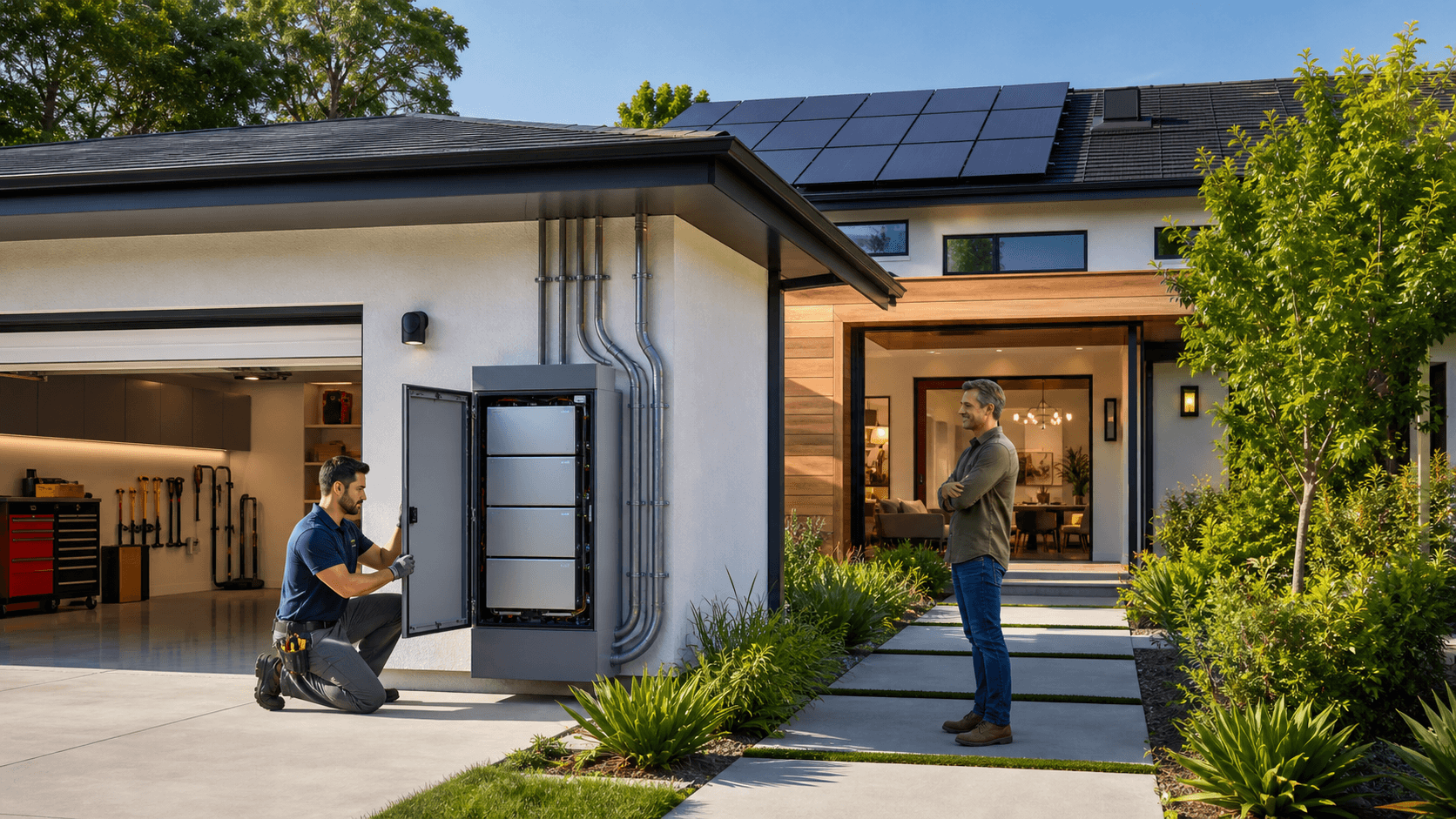
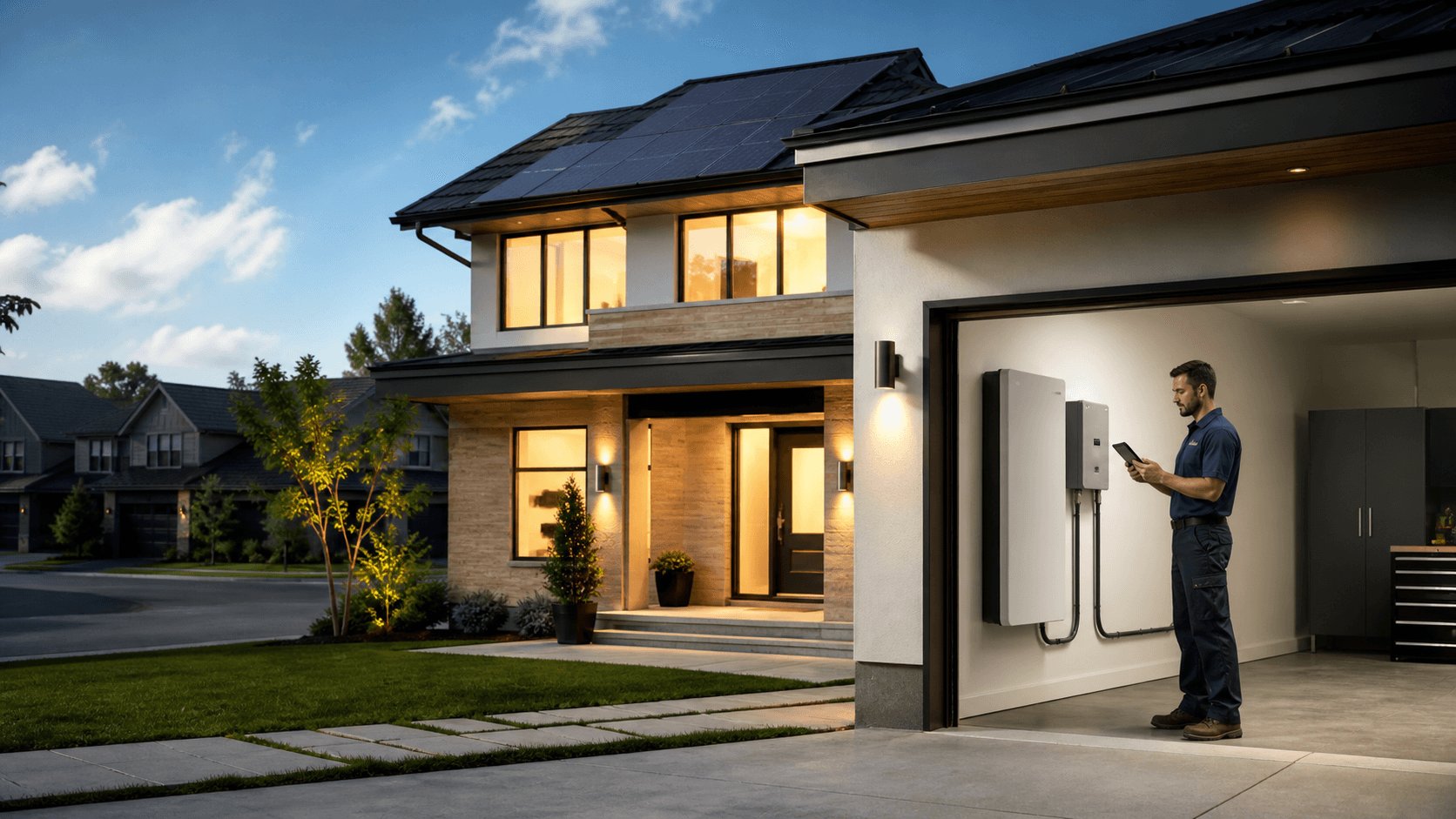
More homeowners are turning to a home battery backup power system so the house stays quiet and calm when the grid clicks off. No fumes in the driveway, no pull cord to yank, just a smooth switch from grid power to stored energy. It feels simple, and in many ways it is.
But a fair question sits under all the excitement: is a home battery backup power system alone really enough for the kind of outages we see now? Or does it need to be one part of a bigger off-grid plan that also covers water, air, and sanitation? That bigger picture is what we focus on at Green Vista Living, and it is what this article is all about.
What a Home Battery Backup Power System Can Actually Do
A home battery backup power system is like a savings account for electricity. It stores power from the grid or from solar panels while everything is normal. When the grid fails, the system senses it and starts feeding your home from the battery instead.
This works best when you use it for the right kinds of loads. In most homes, batteries are great at running things like:
- Lights in key rooms
- Refrigerators and freezers
- Internet routers and phones
- Medical devices that must stay on
- Smaller well pumps or sump pumps
These are steady or light loads. They sip power instead of chugging it. On the other hand, some appliances pull a lot of energy very quickly. These can drain a battery system fast, especially during late summer when the weather is hot and sticky:
- Central AC and large heat pumps
- Electric ovens and cooktops
- Pool heaters and large hot tubs
- Old, inefficient refrigerators or freezers
Runtime depends on a few core things. Battery size decides how much total energy you have to spend. Depth of discharge decides how much of that energy you actually use before you stop to protect battery life. Your daily habits, like running laundry or baking during an outage, decide how fast that bank balance drops.
On a mild day with only critical loads running, a well-sized home battery backup power system can often carry a home through a short outage with little stress. On a late summer weekend with heavy AC, doors opening often, and lots of cooking, that same system can feel much smaller.
Key Limits Most Homeowners Overlook
A lot of people see a big battery and think it is endless. It is not. Even a large system has a fixed amount of energy inside. One long hot weekend, with the AC fan humming and the fridge fighting warm kitchen air, can pull that stored power down faster than expected.
Some of the main limits come from:
- Battery capacity, how many kilowatt-hours you actually have
- Inverter size, how many things you can run at the same time
- Charging options, how quickly you can refill the battery
Charging is a bigger challenge than most people expect. If your only plan is to charge the battery at night from the grid on cheap rates, that works fine until the grid fails for more than a few hours. If you have solar, cloudy days or wildfire smoke can cut how much solar energy you collect right when you need it most.
The phrase "whole-house backup" can also be confusing. Many owners think it means they can live exactly as they do in normal times. In reality, it usually means the system can technically power every circuit, but not all at full blast and not for long. If no one manages loads, people might:
- Run central AC, oven, and laundry at once
- Forget garage freezers and space heaters are on
- Leave lights, fans, and TVs running in empty rooms
This kind of "business as usual" use can cut backup time in half or worse. The system did not fail; it was just used like the grid had no limits.
Building a Resilient Backup Strategy Beyond Batteries
A stronger plan treats the home battery backup power system as one layer, not the whole solution. The goal is not just "keep some lights on," it is "keep the home livable for days."
A layered approach might include:
- A right-sized battery system for your realistic critical loads
- Rooftop solar that can charge the battery during daytime outages
- High-efficiency appliances and lighting
- Smart load shedding so big loads shut off automatically when needed
Power is only one part of resilience. When the grid is down, city water may be limited, wells may rely on electric pumps, and opening windows for fresh air might not be safe if there is smoke outside. That is where other off-grid-ready systems come in, like:
- Water storage and reliable filtration
- Off-grid capable well pumps
- Composting toilets so sanitation does not depend on power
- Air treatment and filtration for smoke and heat when windows stay closed
Compare two homes in a late-summer outage. One has battery only. The other has battery, solar, efficient cooling, water treatment, and composting toilets from a source that focuses on off-grid living. The first home may last through a short outage but start cutting comfort fast once the battery drops. The second home can stretch power, keep water safe, keep air cleaner, and maintain basic comfort and sanitation for a longer period.
How to Size Your Backup System for Real Emergencies
Good planning starts with a simple load audit. Instead of asking what would be nice to have, ask what you must have for safety and sanity.
Make two short lists, one for summer, one for winter. For each season, list:
- Refrigerators and freezers
- Fans, small AC units, or mini splits you count on
- Internet, phones, and a few key lights
- Sump pumps or well pumps
- Any medical devices that must always run
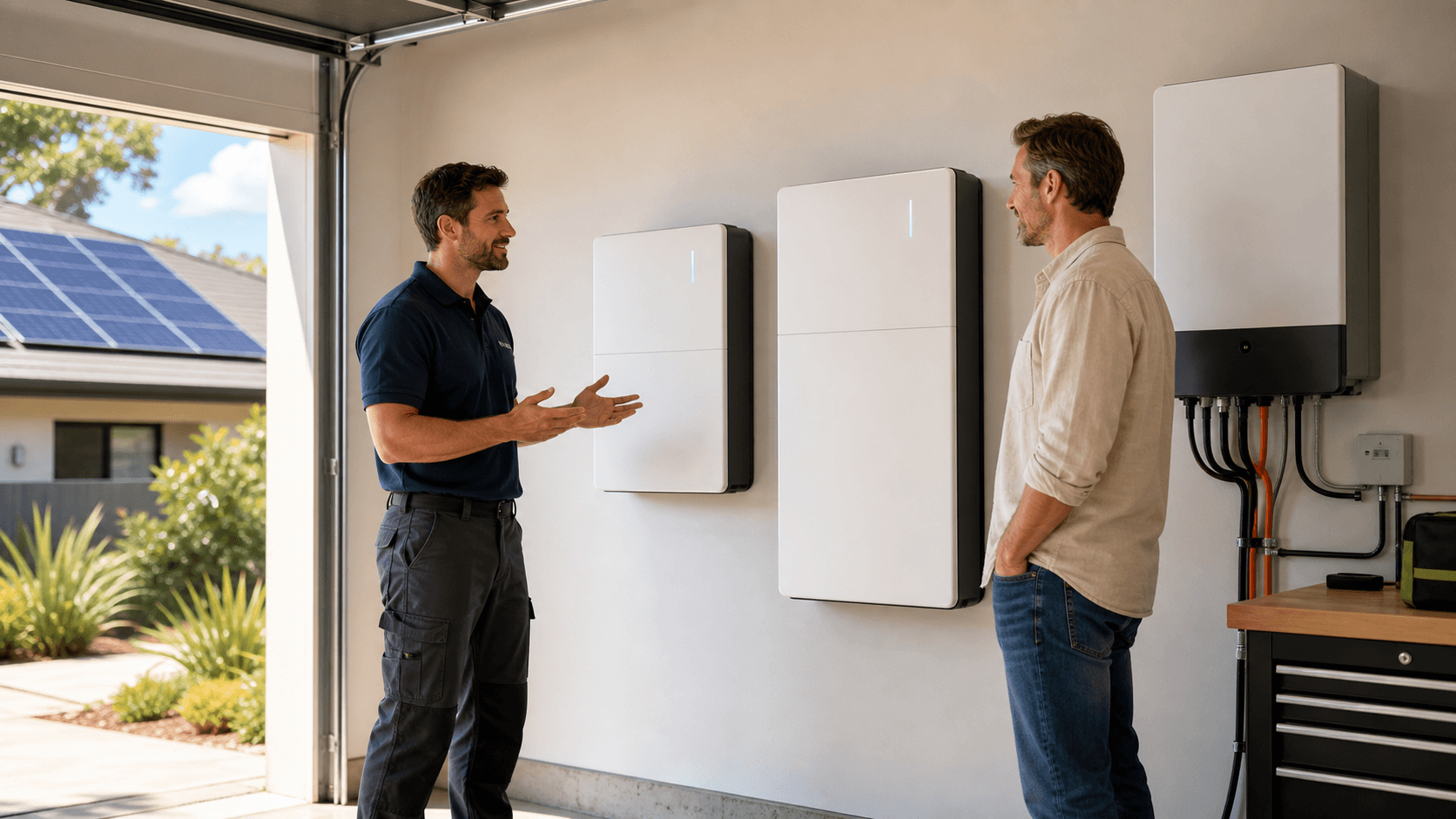
For each item, think about how many hours per day it truly needs to run. This is where a professional can help, since they can turn those hours and watt numbers into a target battery size, inverter size, and solar array size that fits your region and outage patterns.
In late summer, cooling strategy is key. Central AC can drain a battery in a hurry. Many homes get more backup time by focusing on:
- High-efficiency mini splits in the main living area
- Ceiling fans and portable fans
- Dehumidifiers to make warm air feel more comfortable
- Simple shading, like curtains and awnings, to reduce heat gain
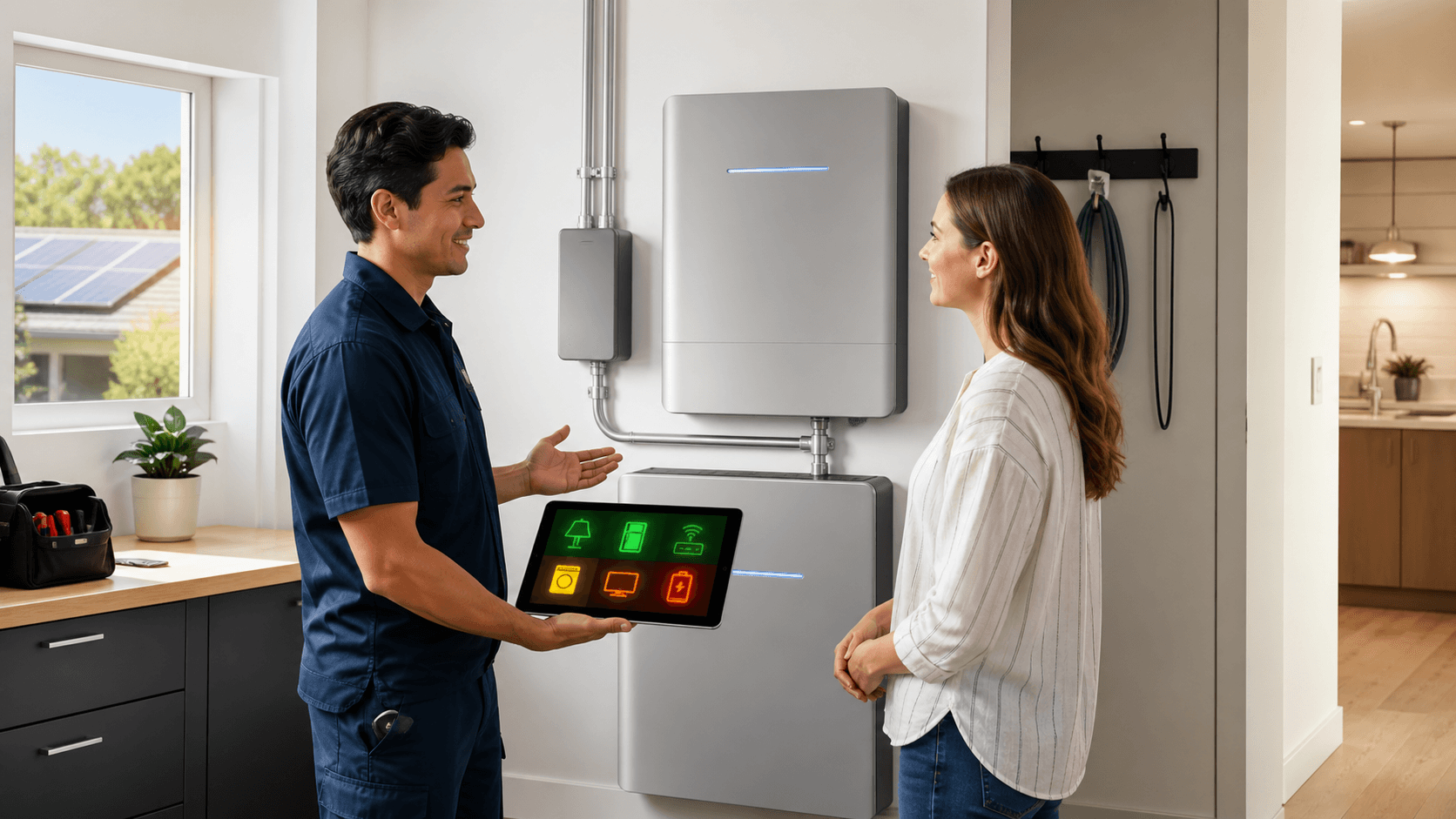
Automation, smart panels, and load management tools can prevent overloads. They can switch off non-critical loads when the battery drops to a set level, so your most important items stay powered as long as possible without constant manual control.
Turn Outages Into Non-Events with a Thoughtful Plan
So is a home battery backup power system enough? For many homes, it is enough for short outages and for keeping critical circuits running. But with longer, hotter, smokier outages becoming more common, real peace of mind usually comes from a layered, off-grid-ready plan that treats power, water, air, and sanitation as a complete system.
At Green Vista Living, we care about homes that feel calm and livable when the grid fails, not just barely powered. When you think through your must-have loads, your local weather, and your comfort needs, then match that with the right mix of batteries, solar, water treatment, and off-grid systems, a grid outage can feel less like an emergency and more like a minor pause in normal life.
Protect Your Home With Reliable Backup Power Today
If you are ready to keep your lights on and essentials running during outages, explore our home battery backup power solutions designed for everyday households. At Green Vista Living, we help you choose systems that fit your energy needs, space, and budget so you can feel confident before the next storm or grid failure. If you would like personalized guidance or have questions about installation, reach out through our contact page and we will respond promptly.