Keep Your Home Backup Power Safe All Summer
Summer heat can be rough on home battery backup power systems. When the temperature climbs, batteries and inverters work harder, sit in hotter rooms, and run longer to cover things like AC and fans. That extra stress adds up fast.
If these parts run too hot, you can end up with shorter battery life, surprise shutdowns right when the grid goes down, and even trouble with warranties if temperature limits are ignored. In this guide, we will walk through simple, practical ways to protect your system from heat, keep air moving, and get steady performance during the hottest days. Our focus at Green Vista Living is helping homeowners, cabin owners, and off-grid enthusiasts stay comfortable and resilient when the power grid is stressed by extreme weather.
How Summer Heat Impacts Battery and Inverter Health
High heat speeds up the wear inside batteries. Both lithium and lead-acid batteries have chemical reactions inside them, and those reactions move faster as the temperature rises. That might sound helpful, but it actually means faster aging, swelling, and permanent loss of capacity.
Here is what can happen when things run too hot for too long:
- Shorter battery lifespan and fewer useful cycles
- Noticeable drop in runtime, even when fully charged
- Higher risk of damage that cannot be reversed
Inverters and charge controllers do not like heat either. When they cross their safe temperature range, they often protect themselves by cutting power. This can show up as:
- Thermal throttling, where output drops to keep parts cooler
- Nuisance shutdowns during the hottest hours of the day
- Long-term stress on circuit boards and other electronics
All of this turns into real-world problems: the backup you counted on for several hours might only last a fraction of that, fans and AC may trip off under load, and expensive parts may need repair or replacement sooner than expected.
Best Locations to Install Home Battery Backup Power
Where your system lives has a huge impact on how hot it runs in summer. Some common spots are more forgiving than others.
Here is a quick look at typical locations:
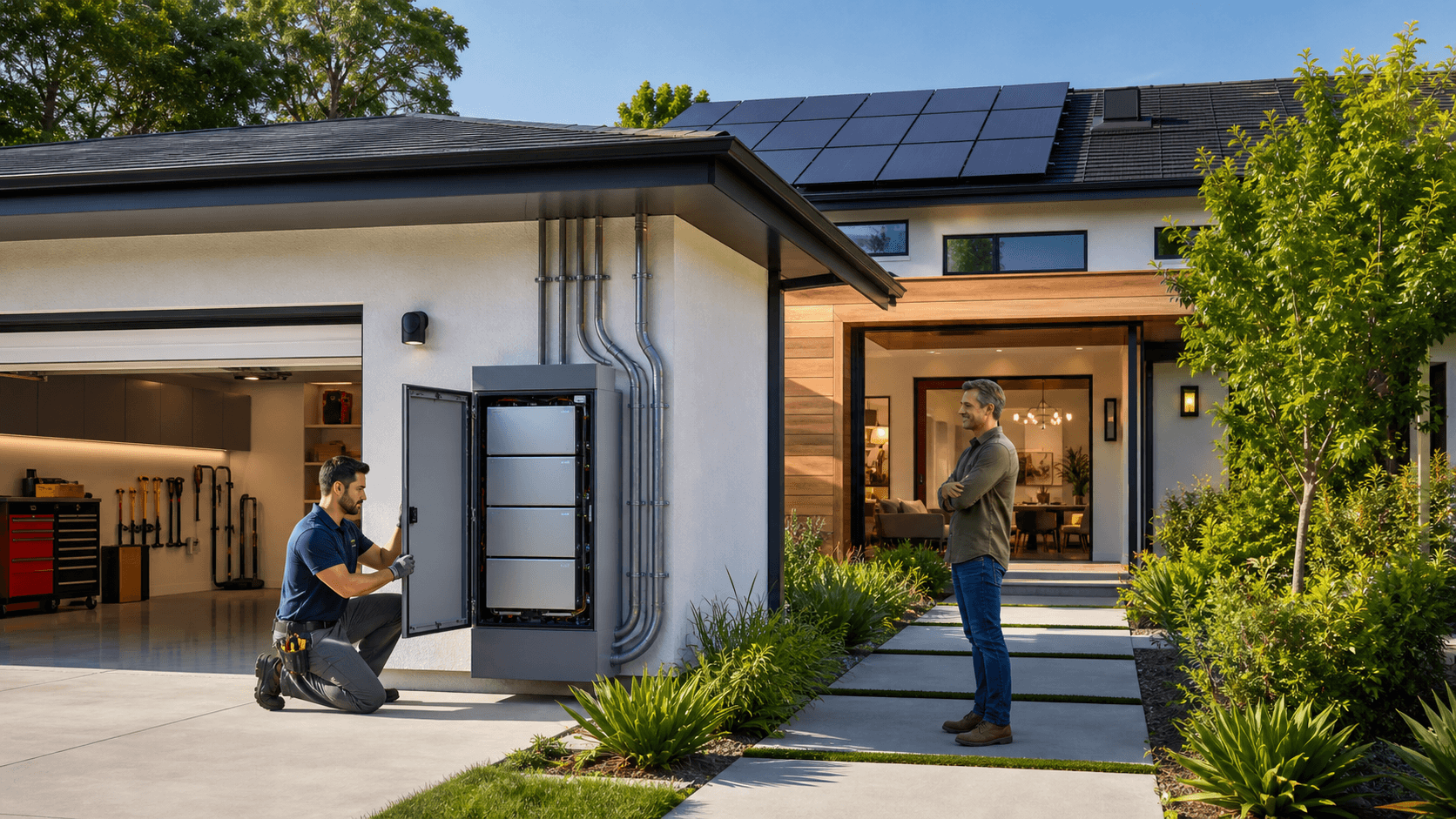
- Garage: Easy access, but can get very hot and stuffy in the afternoon
- Basement: Usually cooler and more stable, but you need to watch for damp air
- Utility room: Convenient, yet often crowded and warmed by other equipment
- Outdoor shed: Great if shaded and vented, risky if small, sealed, and in full sun
- Dedicated enclosure: Often the safest option when designed for power gear
When picking a spot, try to:
- Keep batteries and inverters out of direct sunlight
- Stay away from hot appliances like water heaters and dryers
- Avoid areas with high humidity or standing moisture
- Choose a place where you can easily walk in, inspect gear, and feel airflow
In hotter climates, many people are better off using an outbuilding or purpose-built outdoor structure to house their battery bank and inverters. A shaded, ventilated structure designed around off-grid and backup equipment can keep temperatures far more stable than a packed garage wall or tiny indoor closet.
Ventilation and Cooling Strategies That Actually Work
On a mild day, simple passive vents can be enough. During a heat wave, especially in small rooms or sealed cabinets, they often fall short. Heat builds up, and the air inside can be far hotter than the outside air.
To keep things under control in summer, think about:
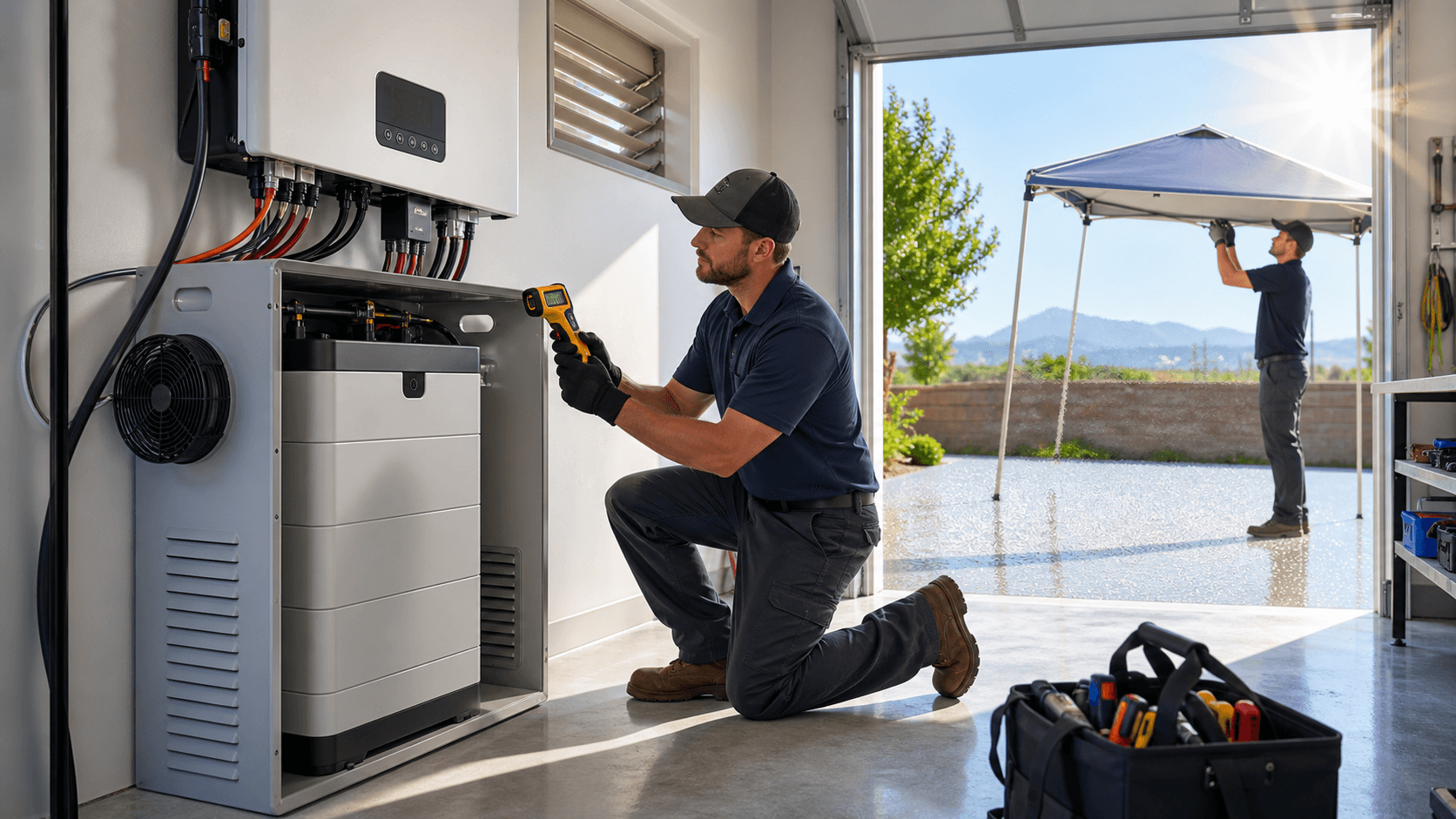
- Louvered vents high and low on the walls to let hot air escape
- Intake and exhaust fans sized for the room or enclosure
- Thermostat-controlled fans that kick on when temperatures climb
- Light-duty ducting to pull in cooler air from a better area
Battery placement matters too. Try to:
- Avoid blowing hot inverter exhaust directly over your batteries
- Keep enough space between units so air can move freely
- Use enclosures and mounting hardware that your battery and inverter makers approve
Good ventilation does not need to be loud or complex. Even small, thoughtful changes can drop internal temperatures and help your system ride out those long, hot afternoons.
Summer Operating Tips to Protect System Performance
How you run your system on hot days can help just as much as where you place it. Small habits can lower stress on your batteries and electronics.
A few simple tips:
- Shift heavy loads, like laundry or power tools, to cooler morning or evening hours
- Avoid stacking big loads all at once during peak heat if your system allows some control
- Turn off non-essential devices when running on backup during a heat wave
- Use eco or higher set points on AC and fans to shorten high-amp draw times
Smart monitoring is your friend here. Many modern inverters and battery systems support:
- Temperature alarms that warn you when things get too warm
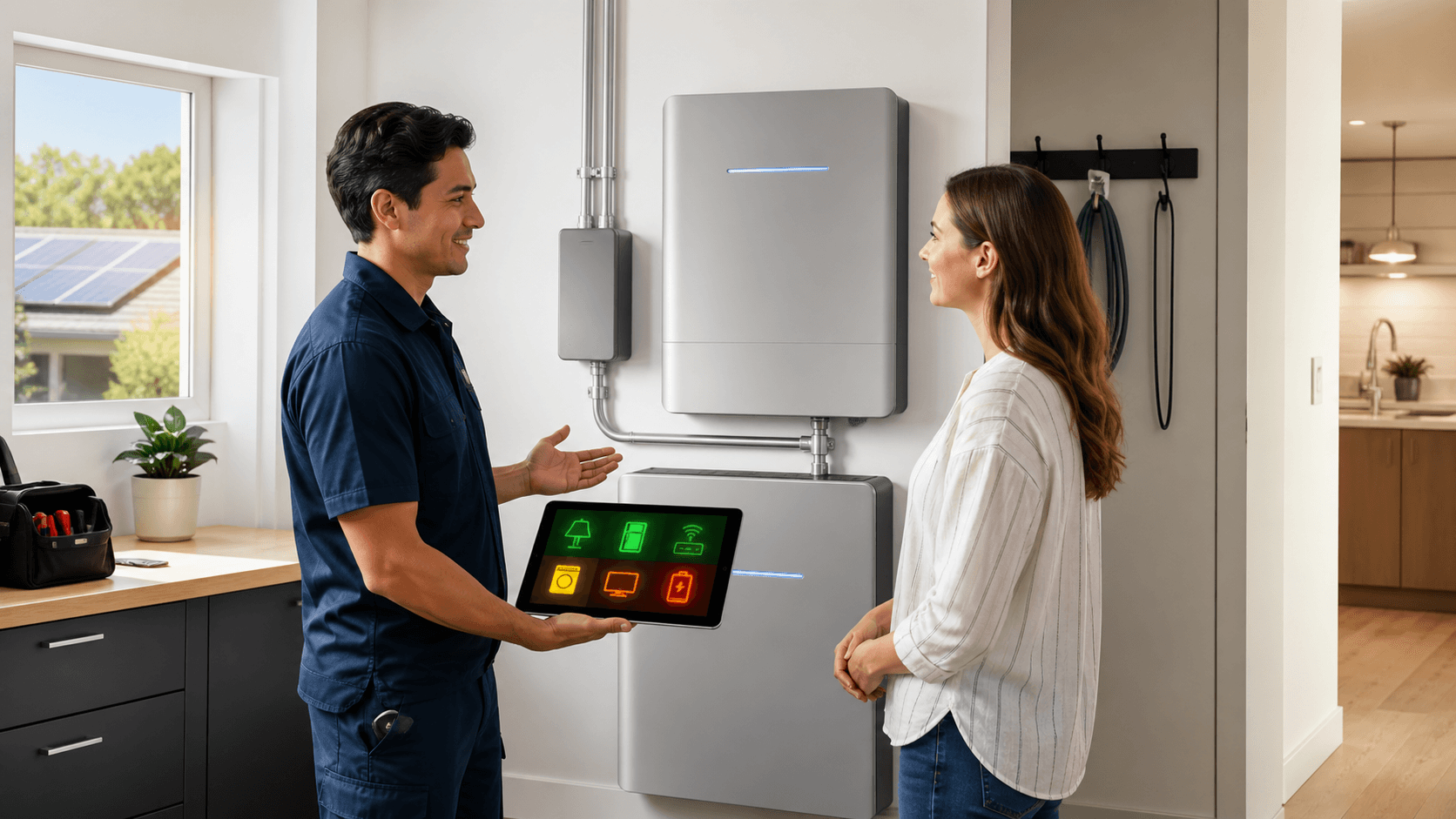
- App alerts that let you keep an eye on temperatures and loads from anywhere
- Logs that show when thermal limits were hit so you can adjust habits
Seasonal checks help too. At least once before peak summer, it is worth:
- Gently clearing dust and debris from vents and grills
- Listening for noisy, weak, or failed fans
- Confirming firmware is up to date if your system uses it
- Reviewing system logs for heat-related warnings or shutdowns
Designing Heat-Ready Off-Grid and Backup Setups
The best time to think about summer heat is when you design or upgrade your home battery backup power system. Planning around high temperatures can save headaches later.
Some design ideas that help in hot weather:
- Slightly oversize your battery capacity so you do not run near the edge all the time
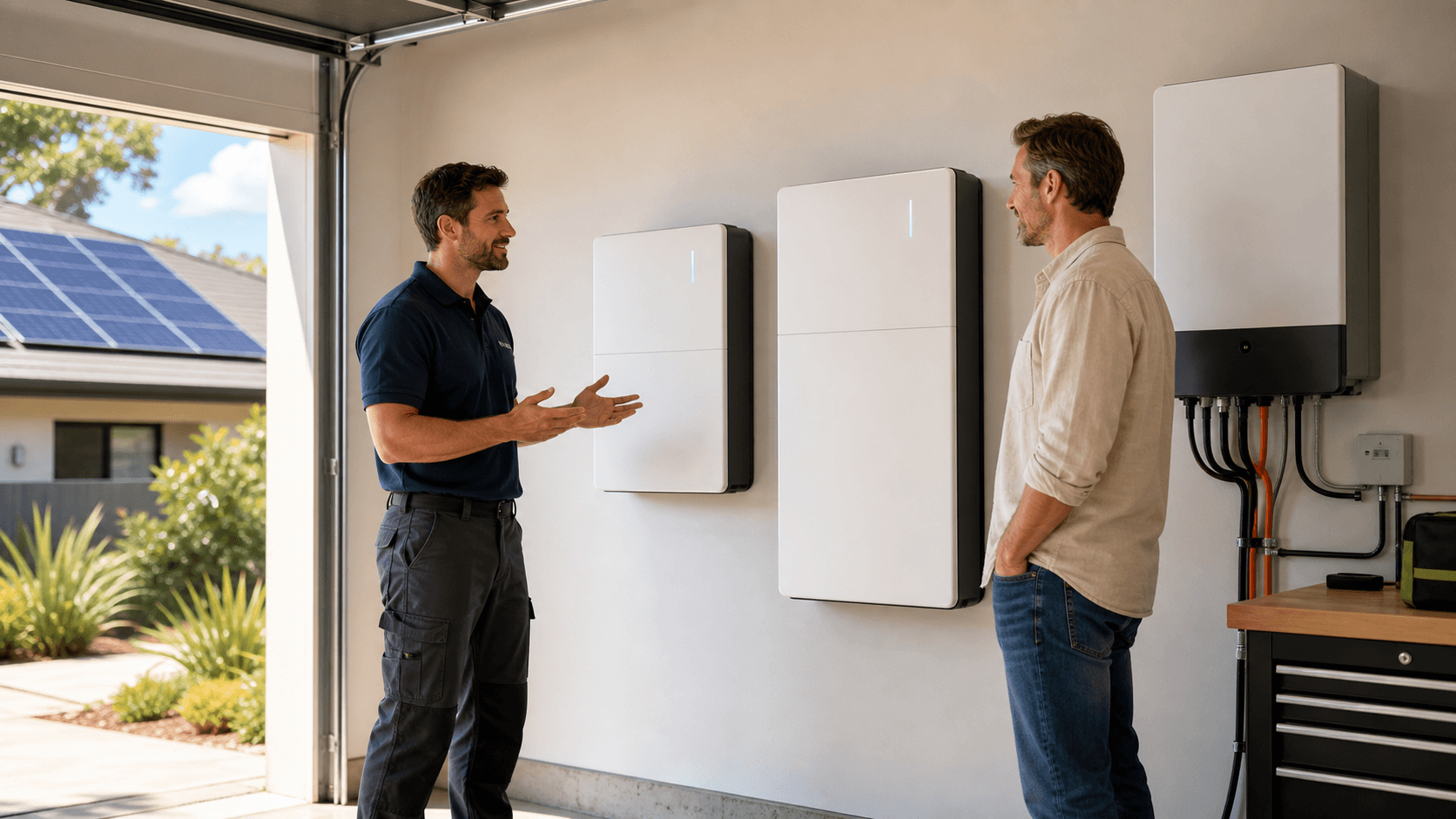
- Choose inverters and batteries with wide, clearly listed operating temperature ranges
- Leave open space around gear for airflow instead of stuffing it into the smallest nook
- Plan wiring runs so you can easily add fans, vents, or shading later
At Green Vista Living, we focus on off-grid and sustainable living products like solar power systems, battery backup solutions, and outdoor structures. That lets us look at your local climate, your normal summer loads like AC and refrigeration, and the kind of independence you want, then suggest options that work together. Modular systems are especially helpful, because you can start with a solid core and then add ventilation, shading, or more storage as your needs and weather patterns change.
Get Summer-Ready Backup Power Before the Next Heat Wave
A quick "summer readiness" check can go a long way. Before the hottest days arrive, look at where your system is installed, feel how warm the room or enclosure gets in the late afternoon, and make sure vents and fans are clear and working. Turn on any temperature alerts you have and pay attention to how hard your system works when AC and other big loads kick in.
At Green Vista Living, we care about helping people build backup and off-grid setups that stay steady when the heat and the grid both push their limits. A few smart upgrades and simple habits today can protect your batteries and inverters, keep your space more comfortable, and make sure your home battery backup power is ready when the next heat wave hits.
Secure Reliable Power For Every Day And Emergencies
If you are ready to protect your home from outages and keep essentials running, explore our home battery backup power solutions tailored to your needs. At Green Vista Living, we help you choose systems that support your goals for comfort, safety, and energy independence. If you have questions or want guidance before you buy, just contact us and we will walk you through your options.