Secure Reliable Backup Power Before Winter Weather
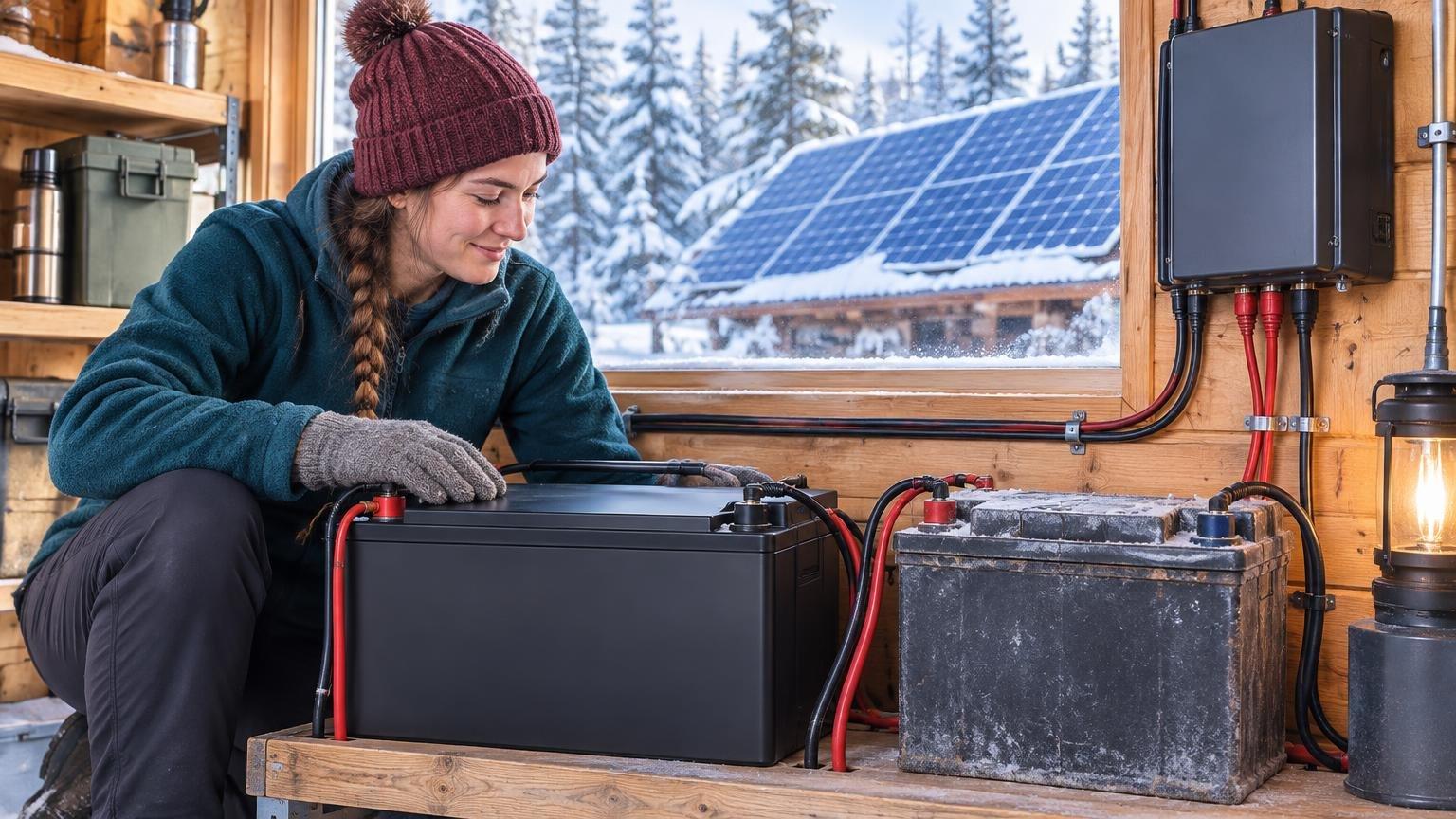
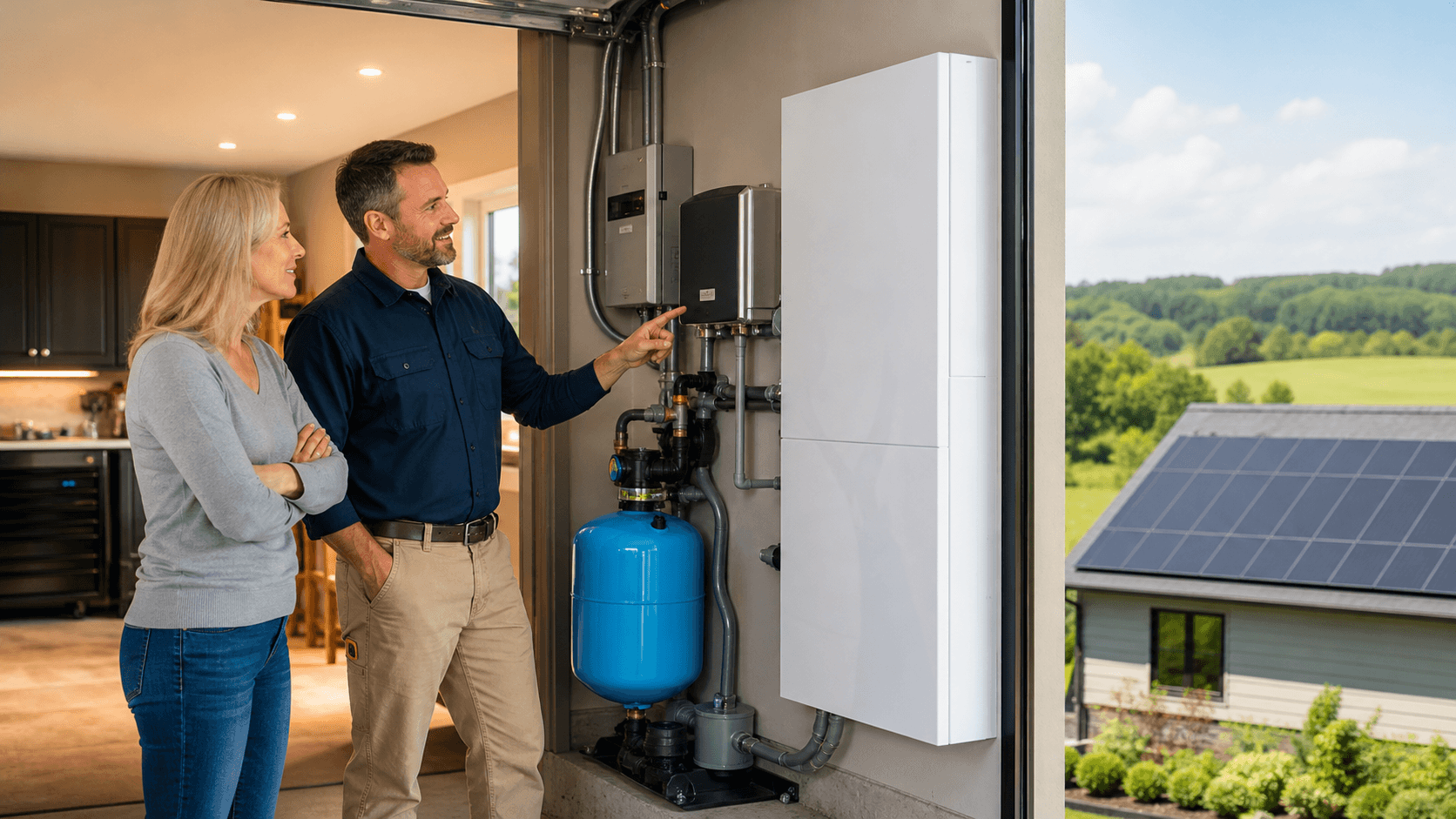
Planning a Tesla Powerwall system before winter storms arrive gives you more time to make sound decisions. When outages affect your home, cabin, or remote property, backup power can keep priority circuits running, including refrigeration, lights, communications equipment, well pumps, sump pumps, and selected heating equipment.
At Green Vista Living, we encourage you to look beyond the battery itself. A dependable backup-power project also involves system design, electrical equipment, permitting, professional labor, inspections, and utility rules. Understanding those pieces early can make winter preparation feel far less stressful.
Why Early Planning Protects Your Winter Readiness
November is a smart time to think about backup power because winter weather can quickly slow down a project. Snow, ice, wind, and short daylight hours may delay site visits, electrical work, permit reviews, inspections, and utility approvals. If a storm is already in the forecast, installers and inspectors may be dealing with heavy demand and unsafe working conditions.
Starting early also gives us a chance to help you think through what you truly need during an outage. A small cabin with a refrigerator, a few lights, and a Wi-Fi router has different needs than a full-time home with a well pump, medical equipment, electric appliances, and multiple people working remotely.
Before choosing a system, we recommend making a simple list of the loads you want available when the grid goes down:
- Refrigerators and freezers
- Lighting and phone charging
- Wi-Fi routers and communication devices
- Well pumps, sump pumps, or septic equipment
- Selected heating controls or circulation equipment
Early planning can also prevent rushed decisions. When a project needs to happen immediately, unexpected electrical repairs, limited labor availability, or site changes can complicate the work. A calm, well-planned approach gives you more room to review options and choose a backup setup that fits your property.
What Shapes Tesla Powerwall Installation Cost
Tesla Powerwall installation cost is about more than the battery unit. The full project may include battery equipment, gateway hardware, wiring, mounting materials, electrical labor, permits, inspections, taxes, and utility-related requirements. Every home has its own electrical layout, so installed quotes can look different even when two properties use the same battery model.
Battery quantity is another major part of system planning. More stored energy may be needed when you want to support longer outages, larger homes, well pumps, electric heating equipment, or high-energy appliances. On the other hand, a carefully designed priority-load setup may require less capacity than a whole-home backup plan.
We suggest comparing complete installed quotes instead of focusing on a battery price by itself. A clear quote should explain what is included and what may require added work. Ask whether the proposal covers:
- Tesla Powerwall equipment and gateway hardware
- Installation labor and electrical wiring
- Electrical-panel changes or upgrades
- Permit, inspection, and utility paperwork
- Transfer equipment or a separate priority-load panel
Clear answers help you understand the full scope before work begins. They also make it easier to compare proposals fairly, since one quote may include electrical upgrades while another lists them separately.
Match Backup Capacity to Winter Outage Needs
The best backup system starts with an honest look at what you need to run. During a winter outage, most people want to protect food, lighting, communications, water access, and safety equipment first. From there, you can decide whether you also want to support larger loads, such as a well pump, sump pump, garage door opener, laundry equipment, or certain heating components.
Power demand and energy use are not the same thing. Power demand is the amount of electricity an appliance needs at a particular moment, especially when it starts. A pump or motor may need a strong burst of power to turn on. Energy use is how much electricity your household uses over time. A refrigerator may not draw much power at once, but it still uses energy throughout the day.
That difference matters during a long outage. We often recommend discussing both starting demand and daily use with a qualified installer. A battery system must be able to handle priority equipment turning on while also storing enough energy to keep selected loads running for the time you expect to be without grid power.
Thoughtful load planning can shape Tesla Powerwall installation cost without forcing you into a one-size-fits-all setup. By identifying real priorities, you can avoid building around appliances you do not need during an outage. Load management may also help you make better use of available battery capacity when winter weather lasts longer than expected.
Prepare Your Site, Permits, and Installation Timeline
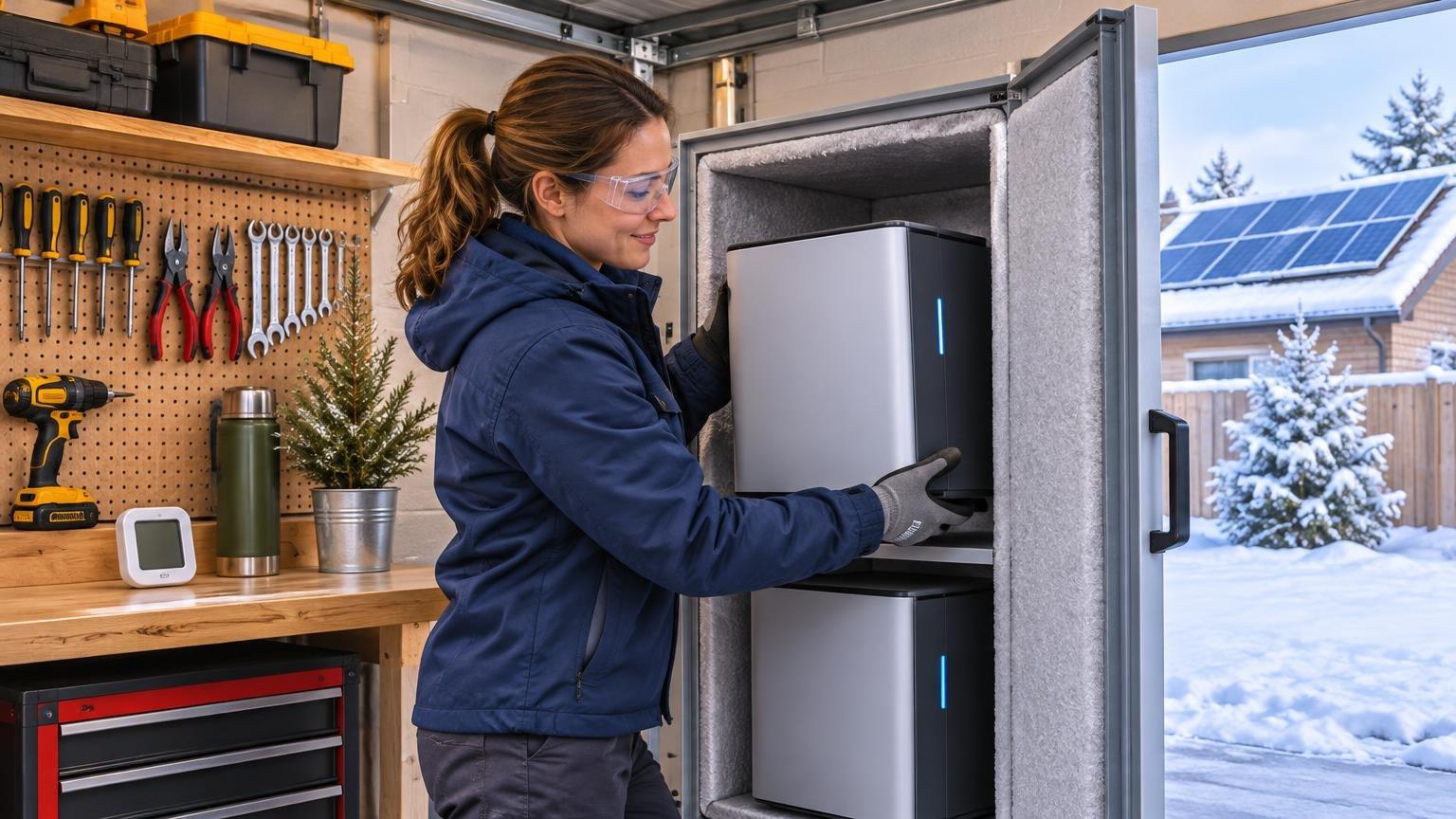
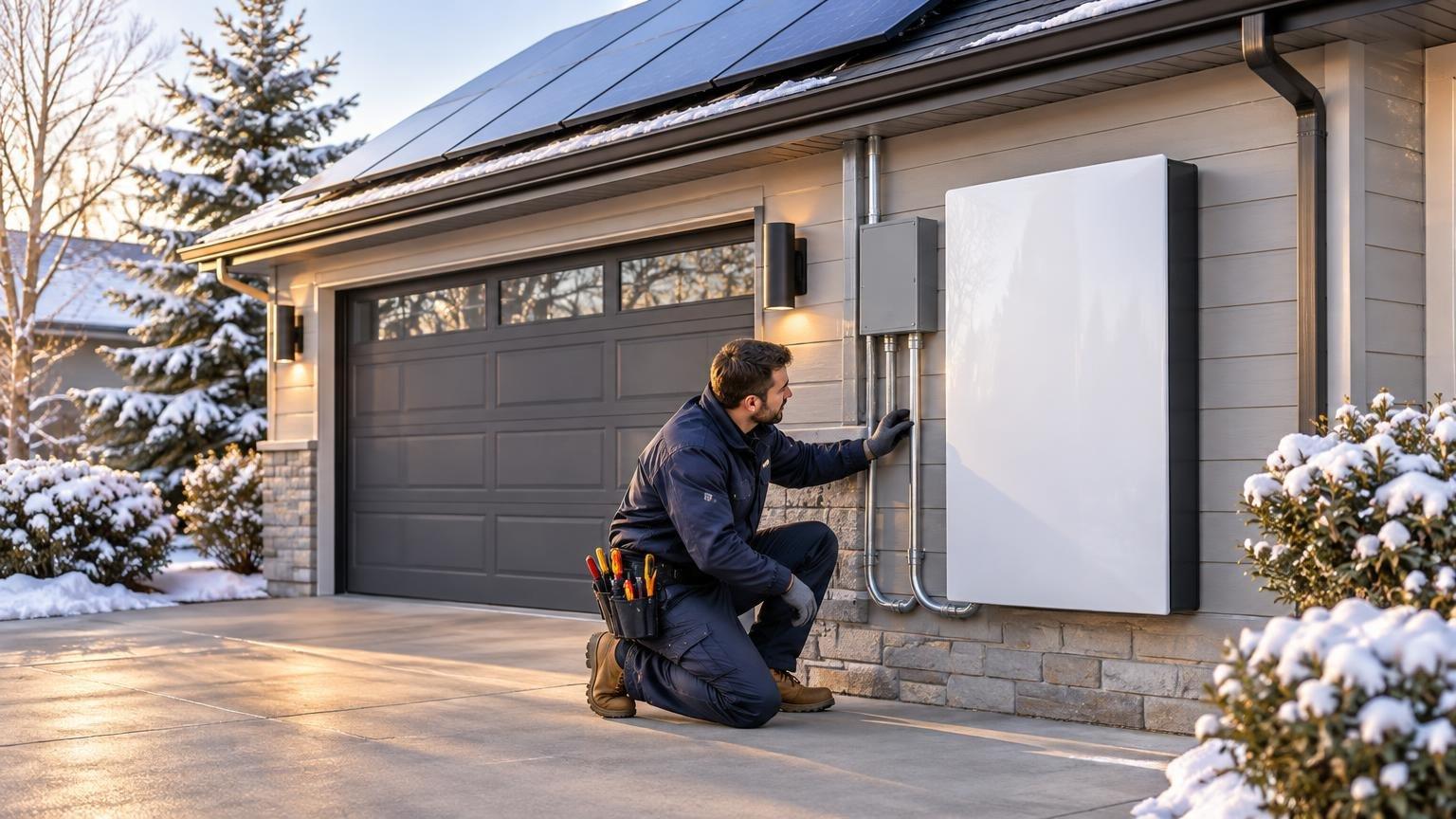
A smooth installation begins with a site review. Battery placement needs to meet local rules for clearances and access. Installers may also look at wall strength, electrical-panel condition, wiring routes, internet connectivity, and whether the work area is easy to reach safely. For cabins and remote properties, access can be especially important when roads become muddy, icy, or difficult to travel.
Your local building department and utility provider may also have their own requirements. Permits, inspections, and utility interconnection steps can affect the timeline. Rules may differ based on whether the system is paired with solar, whether it feeds a priority-load panel, and how the backup equipment connects to your existing electrical service.
Before signing an agreement, we recommend asking clear questions about the work ahead. Find out whether your current panel is suitable, whether a panel upgrade may be needed, how the transfer equipment will work, and when inspections are expected. It is also wise to review warranty details and ask who will handle permit and utility paperwork.
Plan Ahead for Winter Backup Power
Winter backup planning is easiest when you begin before the first major storm puts pressure on the grid. Gather recent utility bills, write down the appliances and circuits that matter most, and note any concerns with your electrical panel, well pump, heating equipment, or remote-property access.
A detailed installed quote should reflect your actual electrical needs, your local permit process, and the kind of outages you want to prepare for. Taking the time to define your priority loads now can help you choose a Tesla Powerwall setup that supports a calmer, safer winter season.
Get Clear Answers Before You Buy
Green Vista Living can help you compare options and understand the factors behind Tesla Powerwall installation cost. Our team can discuss battery capacity, backup priorities, and compatible equipment for your home. When you are ready to talk through your plans, contact us for personalized guidance.