Build a Backup Plan That Keeps Your Home Running
A power outage is easier to handle when you have already decided what needs to stay on. Late-summer storms, heavy rain, wildfire-related shutoffs, and colder-weather events can all interrupt utility service. We recommend making those decisions before the lights go out, not while you are trying to save battery power in the dark.
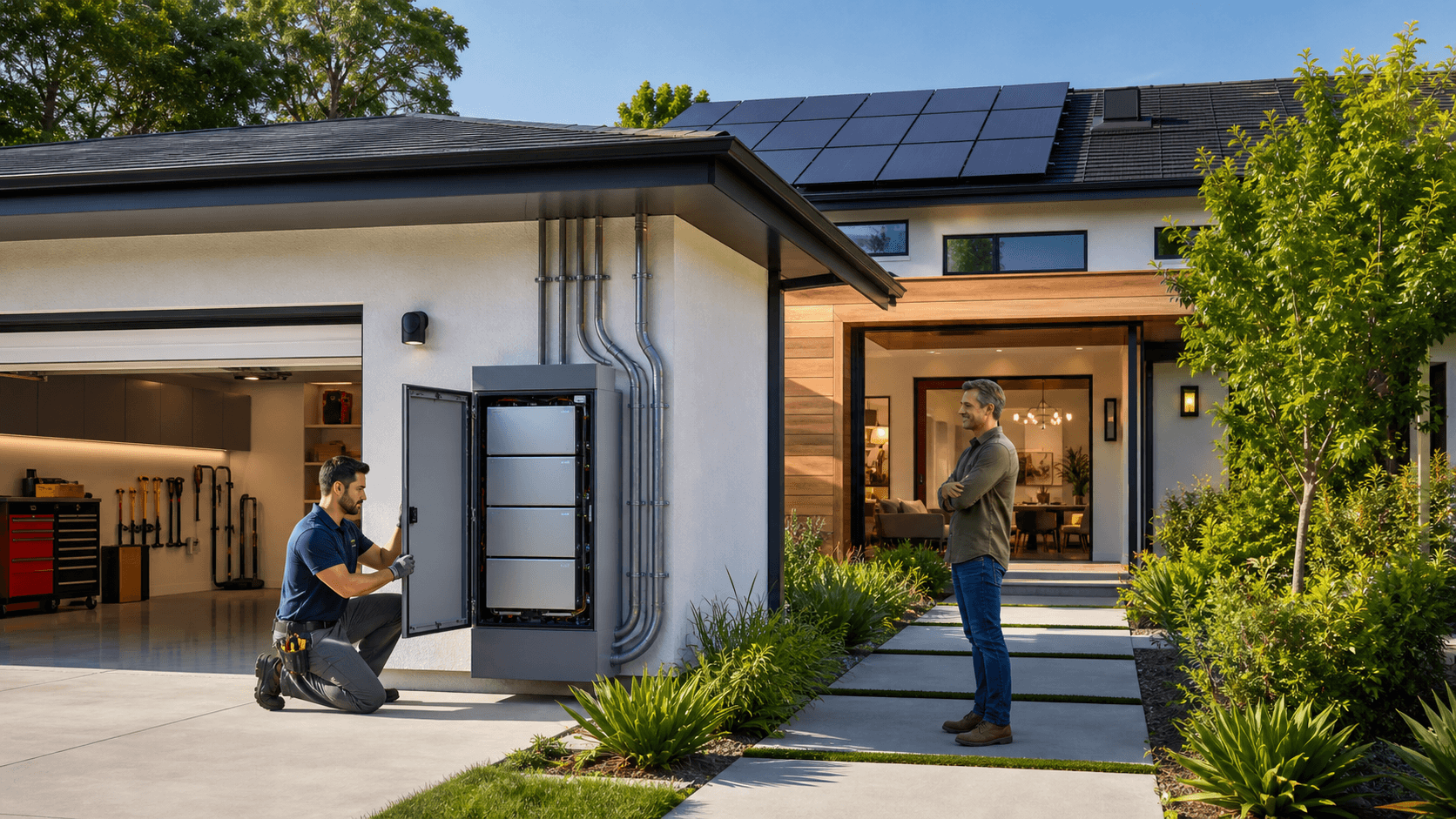
An Enphase battery backup system can keep selected circuits, or a broader portion of your home, running after utility power fails. Load priorities are the plan behind that backup power. They help you choose which appliances, outlets, and comfort systems get battery energy first, based on what your household truly needs. The right setup balances daily convenience with battery capacity, solar production, and the power demands of large appliances.
How Enphase Load Priorities Protect Must-Have Power
During an outage, an Enphase system can separate your home from the utility grid through the IQ System Controller. Compatible load-control equipment can then help manage which backed-up circuits receive power. That separation matters because it allows your battery and solar equipment to support your home without sending power onto an inactive grid.
For many households, a whole-home battery backup plan starts with the things that protect food, communication, safety, and basic comfort. We often encourage readers to think through the circuits they rely on during a normal day, then narrow that list to what matters most during an outage.
Common priority loads may include:
- Refrigerators and freezers
- Lighting in key rooms
- Internet equipment and phone charging outlets
- Security systems and medical devices
- Well pumps or other water-related equipment
Separating priority loads from optional ones helps preserve stored energy when an outage lasts longer than expected. A refrigerator running steadily is usually a better use of battery power than an electric dryer, pool pump, or unused room full of lights. By planning ahead, you can reduce the chance that one high-demand appliance drains power needed elsewhere.
Size Whole-Home Battery Backup for Real Demand
The phrase whole-home battery backup can sound like a promise that every appliance will run at the same time. In practice, available backup power depends on your battery capacity, inverter output, current solar production, and the way your household uses electricity. A system may support a wide range of home circuits while still needing to manage large loads carefully.
Energy use also has two sides. First, there is the steady electricity a device uses while it runs. Second, there are short bursts of higher demand, often called surge loads, when some equipment starts up. Pumps, HVAC equipment, and other motor-driven appliances can place a heavier demand on the system than a lamp or laptop charger.
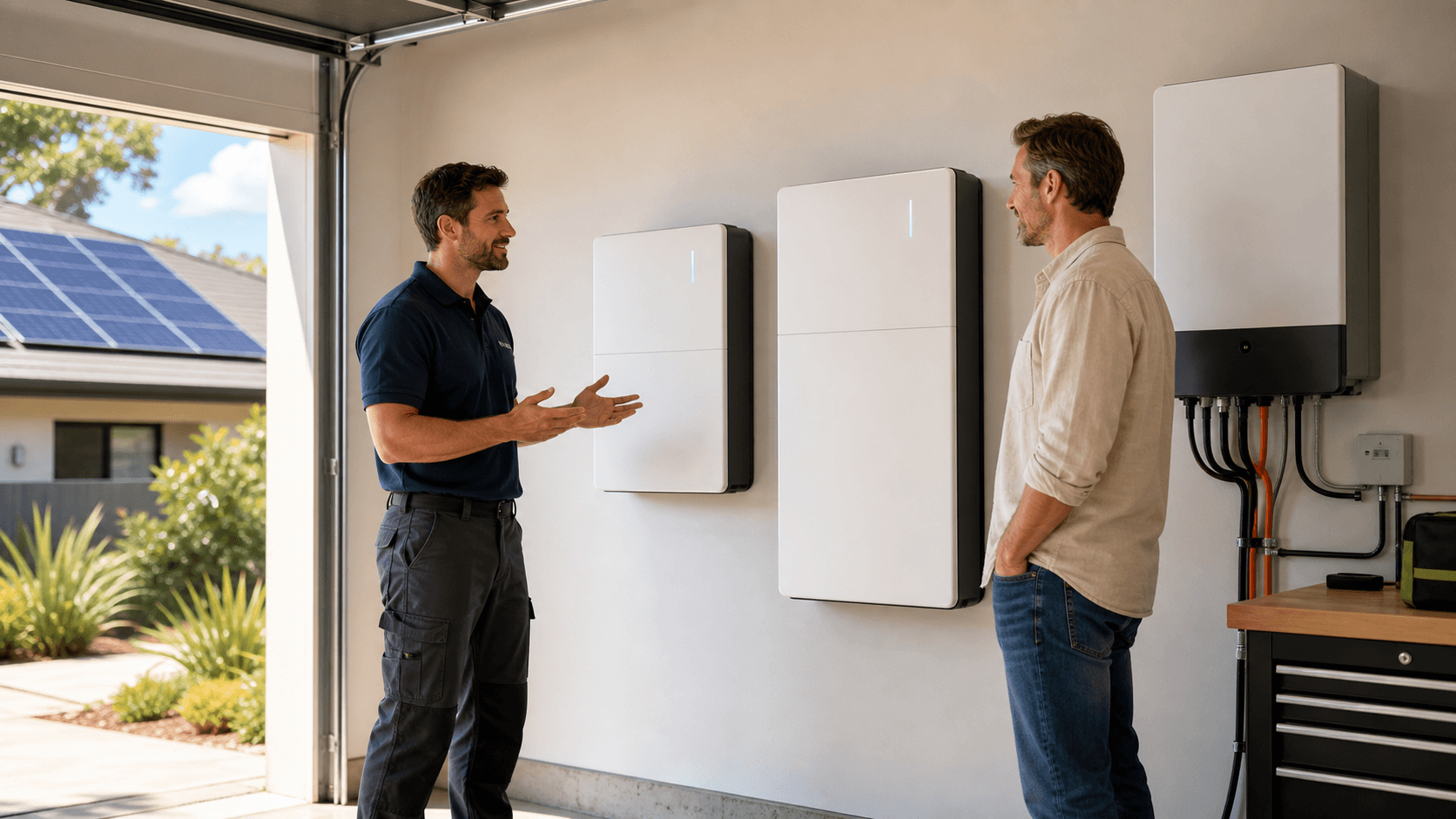
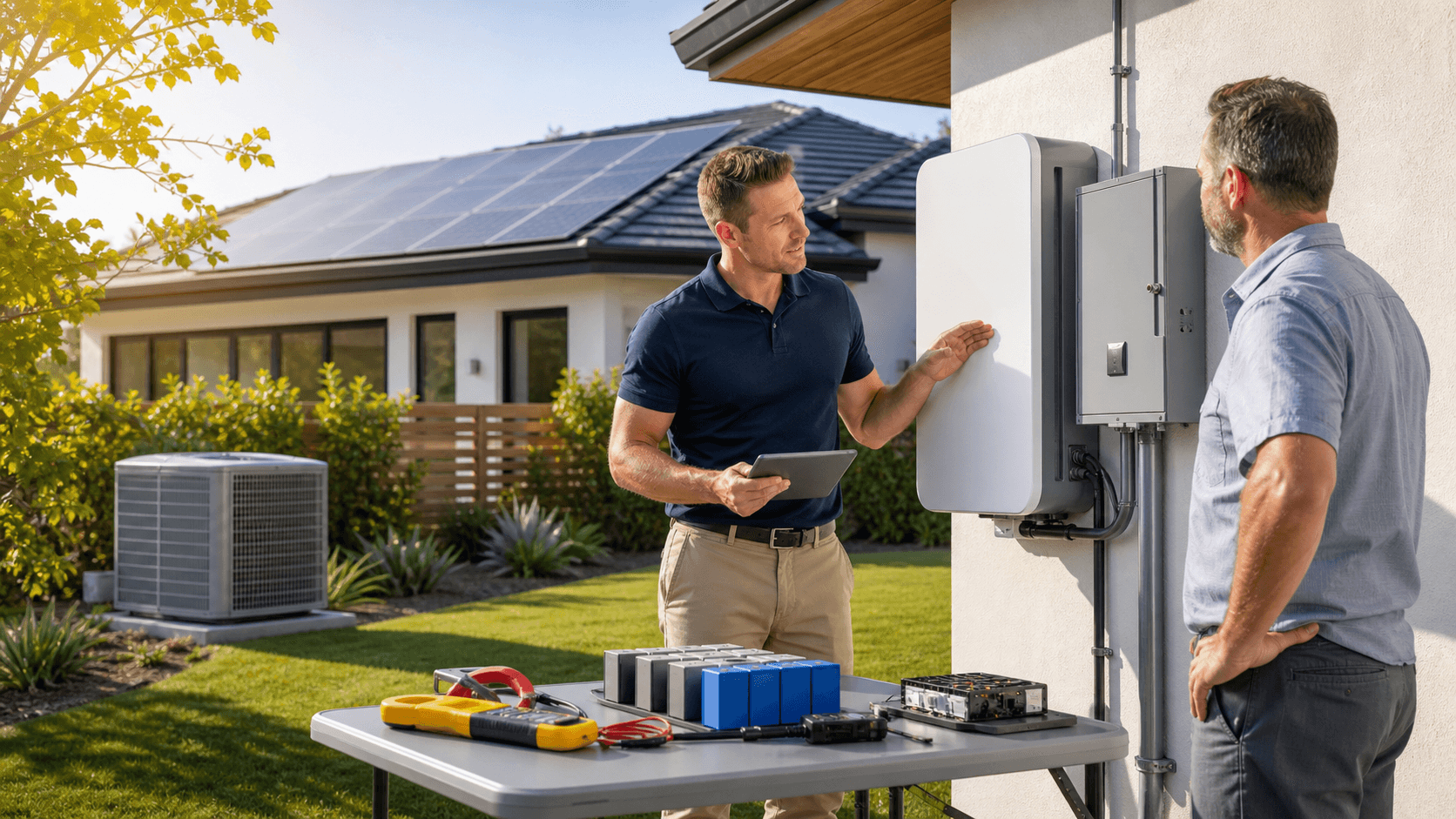
Before choosing an Enphase IQ Battery configuration, we recommend reviewing your real household use with a qualified solar and storage professional. Utility bills and energy-monitoring data can help show patterns that are easy to overlook, such as high evening use or equipment that runs more often in certain seasons.
Pay close attention to high-demand items such as:
- Central HVAC systems
- Electric water heaters
- Clothes dryers and electric ovens
- Well, sump, and pool pumps
- EV chargers and workshop equipment
A whole-home battery backup design works best when it is based on the loads you expect to use during an outage, not just the number of circuits in your electrical panel.
Use Smart Load Control for High-Draw Appliances
Smart load control gives your backup plan more breathing room. Instead of allowing every large appliance to draw from the battery whenever it wants, load-control settings can disconnect or limit certain circuits during an outage. This helps keep stored power available for the items you have placed at the top of your list.
Central air conditioning is a common example. Depending on the system design and battery setup, you may choose to run it only when enough battery power and solar production are available. The same thinking can apply to pool equipment, electric dryers, range circuits, hot tubs, EV charging, and large tools in a garage or workshop.
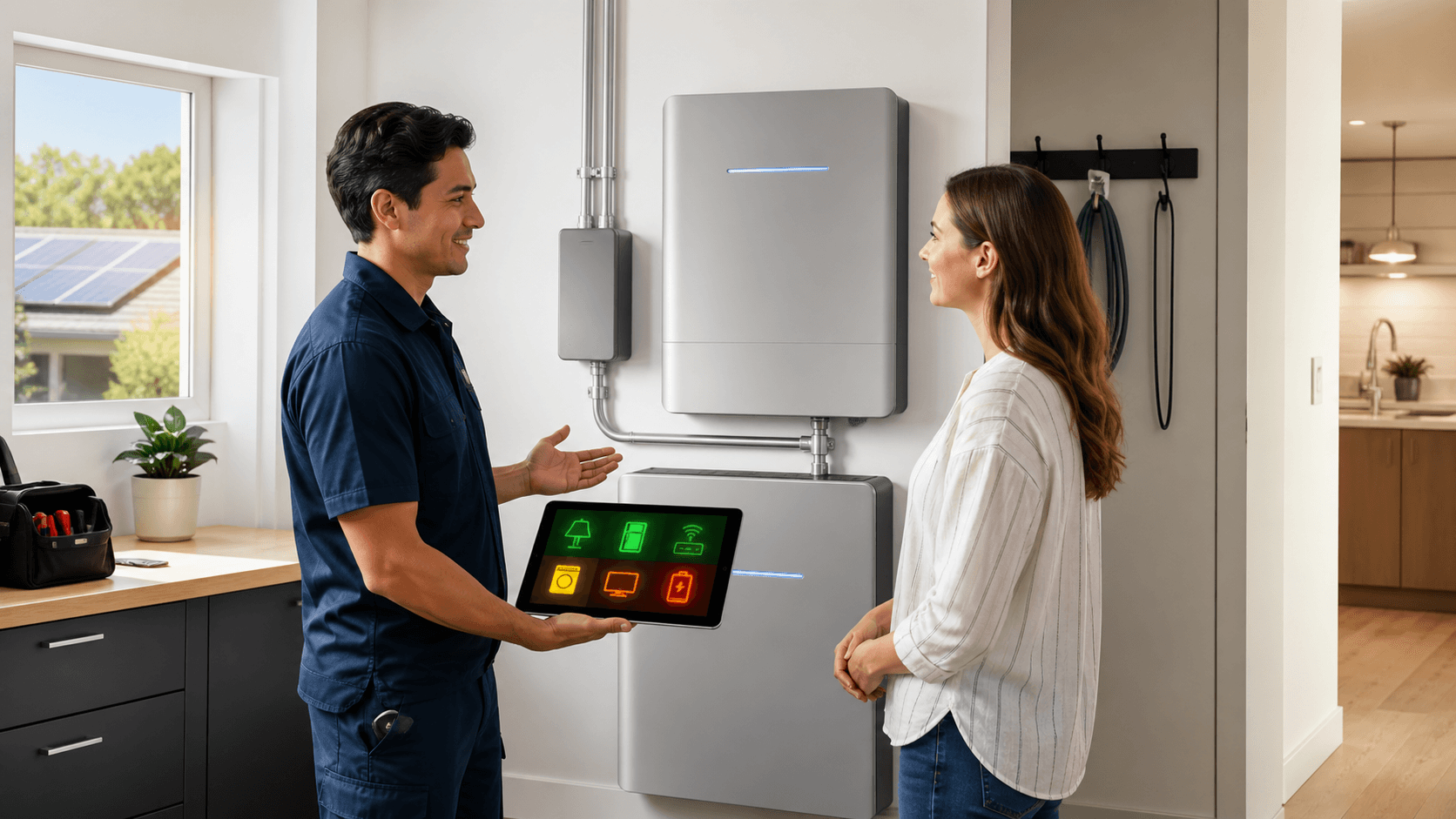
A practical priority plan often has three levels:
- Always-on loads, such as refrigeration, lighting, communications, and approved medical equipment
- Limited-use comfort loads, such as selected heating or cooling equipment
- Discretionary loads that can wait until the grid returns or solar production is strong
The best settings are personal. A household in a hot climate may place cooling higher on the list. A remote property may need a well pump or security equipment to remain active. If a family member depends on powered medical equipment, that load needs special attention in the system design. We recommend discussing those real-life needs with a qualified installer before finalizing load-control choices.
Prepare Your Enphase System for Fall Outage Season
September is a good time to review backup readiness. Hurricane season, wildfire-related outages, heavy rains, and the shift toward cooler-weather power needs can all change what your home requires during an interruption. A plan that worked well in mild weather may need updates when sump pumps, heating equipment, or seasonal appliances become more important.
We suggest testing your backup operation before severe weather arrives. Confirm which circuits stay powered when the system changes to backup operation, check battery status, and review system performance in the Enphase app. It is also wise to make sure everyone in the household knows which appliances should stay off during an outage.
Your seasonal list may include refrigeration, communication equipment, sump pumps, heating-related loads, and critical medical devices. Reviewing those needs early helps you get more from a whole-home battery backup system when grid power is less predictable.
Turn Load Priorities Into a Confident Backup Plan
A clear list can make backup decisions much simpler. Start by separating must-have loads, comfort loads, and high-consumption appliances. Then consider how long you want them to operate, how much solar production may be available, and which loads can wait without causing trouble.
The strongest backup design reflects your home's energy habits, seasonal risks, and preferred level of independence. When battery power has a job before an outage begins, you can use it with greater confidence when it matters most.
Build Backup Around What Matters Most
Green Vista Living can help you compare whole-home battery backup options that support the loads you want to protect. Our team can help clarify how Enphase equipment fits your goals, from essential circuits to broader home coverage. When you are ready to discuss your setup, contact us for personalized guidance.