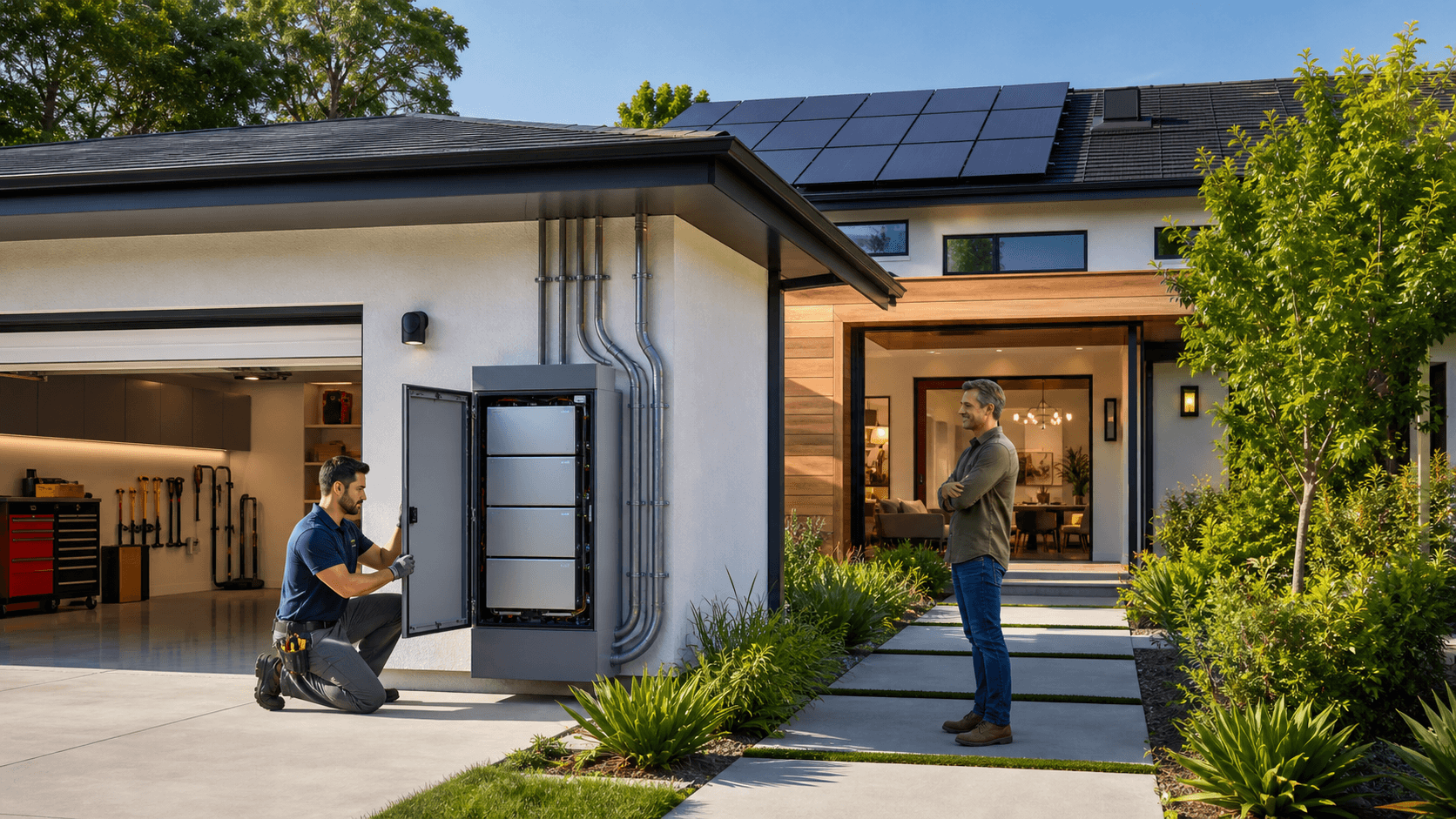
A Tesla Powerwall battery system can bring welcome peace of mind during an outage, but stored battery power is not unlimited. Load priorities help you decide where that power goes first, so the things your household depends on do not get crowded out by large appliances.
Late September is a smart time to make that plan. Hurricane threats, early fall storms, heavy rain, and shifting temperatures can all put more pressure on the grid. At Green Vista Living, we encourage you to think beyond having backup power and focus on how you want that power to work when you need it most.
Keep Key Home Systems Running During Outages
When the grid goes down, every powered circuit asks something from your battery. A Tesla Powerwall battery system can support your home during an interruption, especially when solar production is available, but high-demand equipment can use stored energy quickly.
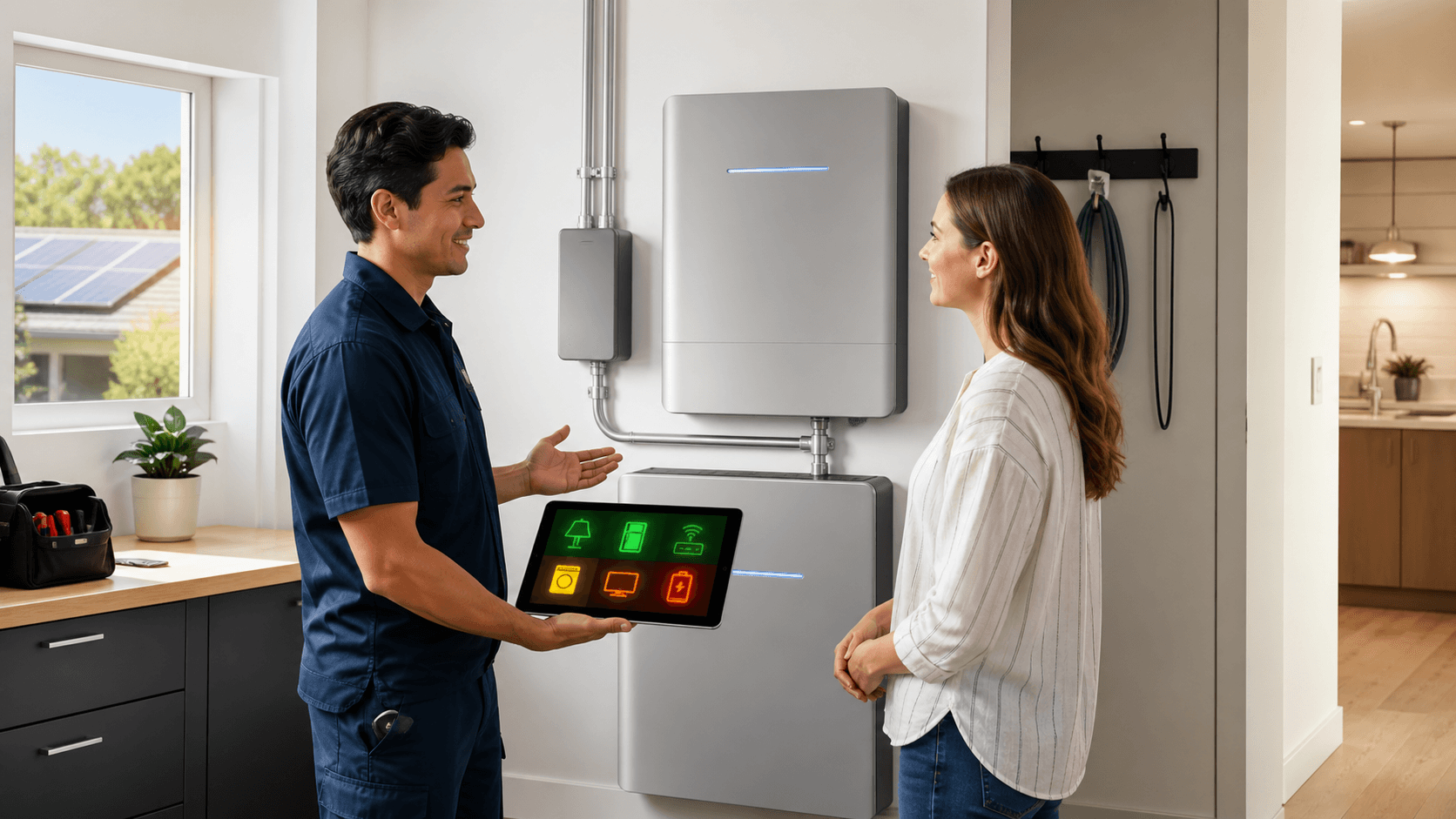
That is where load priorities come in. Instead of allowing every appliance to run as usual, you can reserve power for the systems that protect comfort, safety, food, and communication. For many households, that means lights, refrigeration, internet equipment, and a few well-chosen outlets come before convenience loads.
Backup plans generally fall into two categories. Whole-home backup aims to support most or all of the home, while partial-home backup focuses on selected circuits. Neither choice is automatically right for everyone. We recommend matching the plan to your household's normal energy use, typical outage length, solar conditions, and expectations during a longer event.
See Why Load Priorities Matter During Outages
Load priorities are simply the order in which your home's electrical needs receive backup power. In practice, they are shaped by the backup panel design, the circuits selected for backup, and the system configuration completed by a qualified electrical professional.
The difference between a small load and a large load can be dramatic during an outage. Phone chargers and LED lights tend to place a lighter demand on available battery energy. Equipment that produces heat, moves large amounts of air, or charges a vehicle usually asks for much more.
Common high-demand loads include:
- Central AC systems and electric resistance heat
- Electric water heaters, ovens, and clothes dryers
- Pool pumps and other outdoor equipment
- Electric vehicle charging
- Multiple large kitchen appliances running at once
Before a storm arrives, we suggest making an honest plan for how your household will live on backup power. A Tesla Powerwall battery system should be built around what you need to keep running, not every appliance you might normally use with full grid access. That mindset can prevent disappointment when an outage lasts longer than expected.
Identify the Loads Your Home Cannot Lose
Start with health, safety, food storage, and communication. If an item helps your household stay safe, informed, or comfortable enough to get through an outage, it belongs near the top of the list. Refrigerators and freezers are common priorities, along with basic lighting and the equipment that keeps phones connected.
Your must-run list may include:
- Refrigerators, freezers, and select kitchen outlets
- Medical equipment that needs uninterrupted power
- Internet routers, phone chargers, and communication devices
- Basic indoor lighting and garage door openers
- Select outlets for daily household needs
Heating and cooling deserve extra thought. Trying to power every comfort system at once may place a heavy demand on the battery. Depending on your home and local weather, it may make more sense to support one smaller area, a more efficient unit, or the rooms used most often at night.
We find it helpful to sort every desired load into three groups: must run, helpful to run, and can wait. Children, seniors, pets, nighttime temperatures, and your local September weather should all shape those choices. This simple ranking also gives a qualified installer a much clearer picture of what you expect your backup system to do.
Configure a Tesla Powerwall Battery System for Resilience
A Tesla Powerwall battery system may need thoughtful load priorities when your home has larger energy demands, frequent outages, limited solar production, or a long wish list of backup circuits. More battery storage can help, but capacity alone does not solve a plan that includes too many heavy loads.
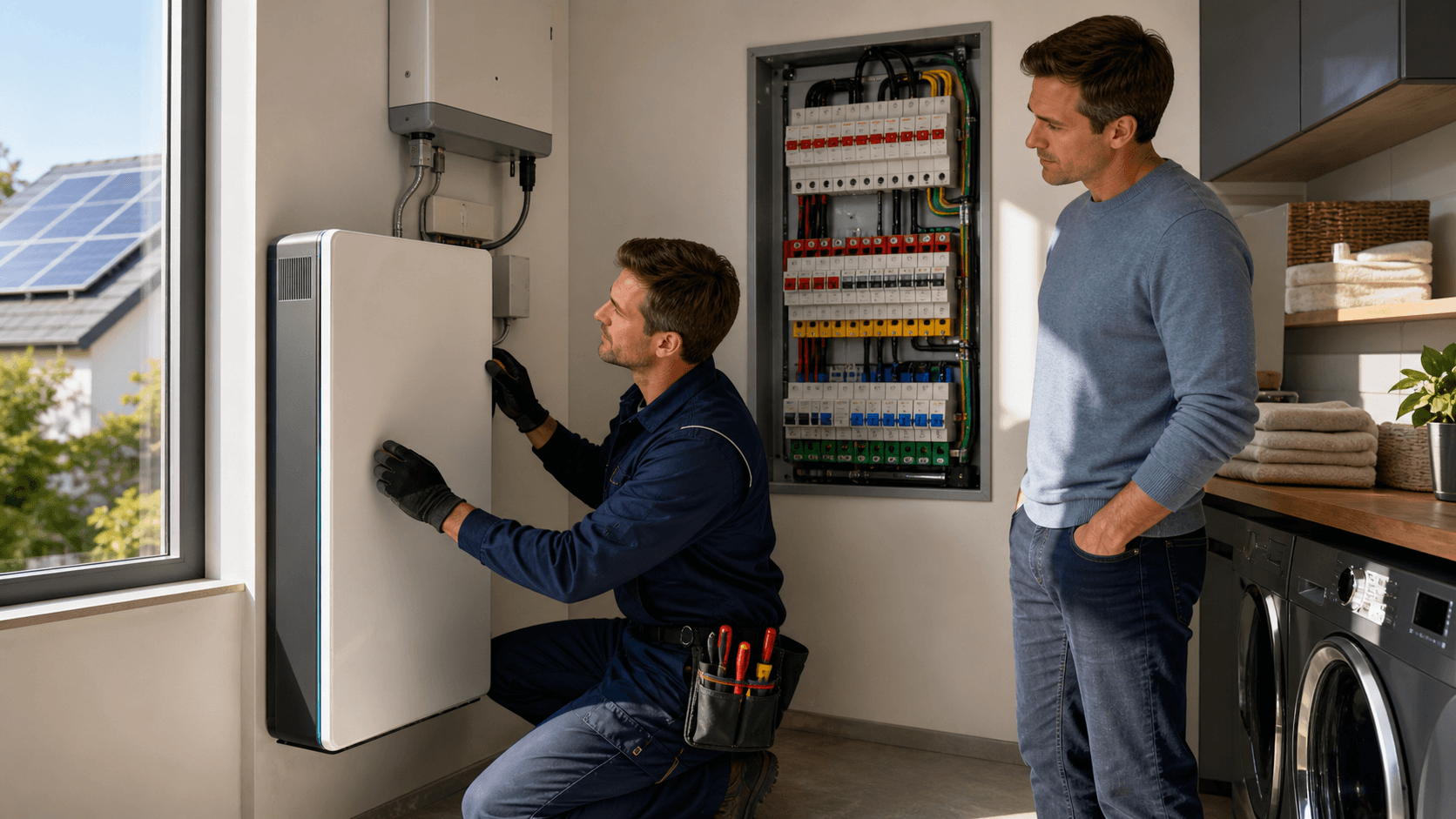
The backup gateway, electrical panel layout, and circuit choices all matter. A professional can review which circuits are appropriate for backup and identify equipment that should stay off during an outage. This planning can help prevent the battery from being drained by a single large appliance while more important circuits are left without power.
Backup reserve settings are another piece of outage preparation. Reserving battery energy for an emergency can help you avoid using all available stored power before the grid fails. Still, a reserve setting does not reduce the demand from appliances once an outage begins. Load planning handles the other half of the equation by limiting what the battery has to support.
Prepare for Fall Storms Before the Grid Goes Down
Fall weather can arrive with wind, rain, coastal storm activity, and sudden changes in household energy use. Reviewing your backup plan before conditions worsen gives you time to spot gaps without the stress of a real outage.
A planned backup exercise can be especially useful. With professional guidance, you can confirm that the circuits you care about remain powered and learn which habits use battery energy faster than expected. Check the equipment your household relies on, including refrigeration, internet service, lighting, and any health-related devices.
During an actual outage, everyday choices can stretch available battery power. We recommend treating large appliances as temporary guests, not routine parts of the day. Delay laundry and dishwashing, keep large cooking loads to a minimum, and avoid electric vehicle charging until the grid returns or your backup plan allows it.
Choose Your Key Loads Before the Next Outage
Load priorities turn backup power from a convenience feature into a practical household plan. The goal is not always to run every appliance. It is to keep your home safe, connected, and reasonably comfortable for as long as possible.
Write down your must-run, helpful-to-run, and can-wait loads before selecting or expanding a Tesla Powerwall battery system. Then review that list with a qualified installer, taking your home, climate, solar availability, and outage concerns into account. A clear plan before the storm can make the hours after it feel far more manageable.
Get Backup Power That Fits Your Home
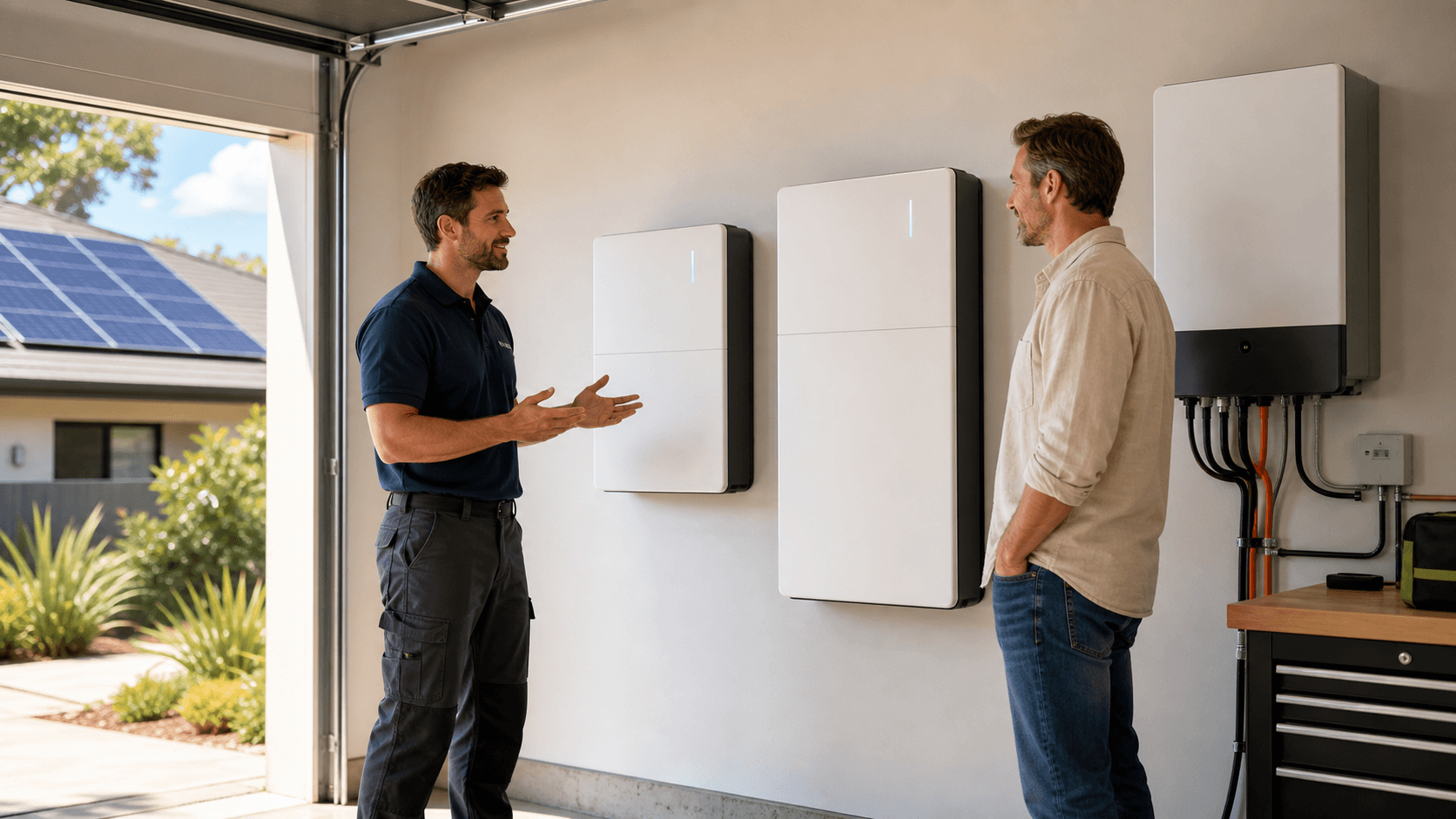
Browse our Tesla Powerwall battery system options to compare backup solutions for the loads that matter most. At Green Vista Living, we help homeowners understand the equipment and features that support dependable energy storage. If you have questions about selecting the right setup, contact us for guidance from our team.